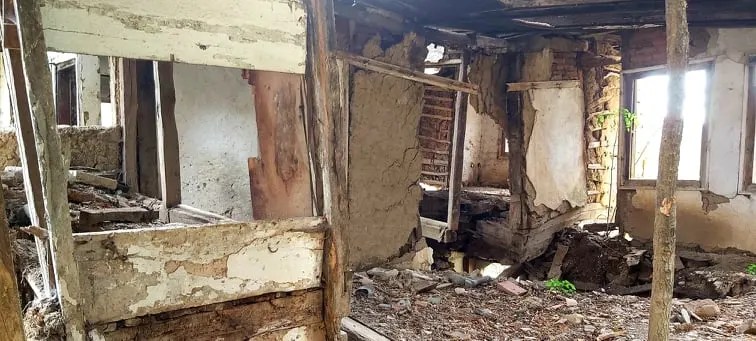

Mullah Ademi Emerllahu (b. 1850, Prapashticë – d. Keqëkolle, 1921) was an Albanian author, scholar and imam who was massacred, along side 9 family members, by Serbian troops of the Third Army, in the region of Gallapi, in the village Keqekolla, in Kosovo, on January 10, 1921.[1][2] The month was called “Black January” afterwards by the locals.[3] The youngest who survived that a young boy who was not present at the moment.
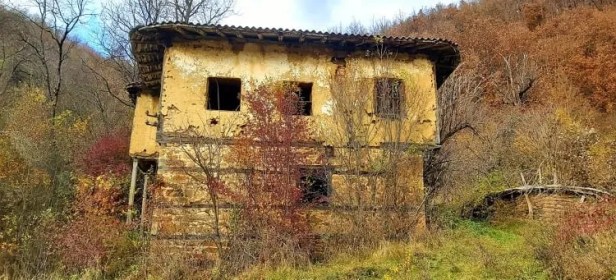
Born and raised in Prapashticë, he studied in Prishtina, Skopje and Istanbul, and was elected imam in Keqekollë.[4] In 1912, he continued to serve as imam despite the massacres carried out by the invading Serbian troops. Having had close ties to Idris Seferi during the anti-ottoman revolts, Ademi had associated with Mulla Sinan Maxhera, from Karadag, who was hanged by the Young Turks in 1911 in Kacanik. Earlier, the Ottomans had emprisoned Ademi for 6 weeks due to his connection Maxhera. Ademi was liberated by the order of the Sultan. Ademi had vowed to stay in his homeland despite the Serbian atrocities. In 1921, a few days before his murder, he reportedly stated that “the kacaks are our savement”.

The batallions was led by commander Radovan Radonic and Bozhidar Paunovic who prior to the massacre had commited other atrocities in the villages Popovë, Majac, Lupc, Bellopojë, Tërrnavë, Sharban, Koliq, Keqekollë, Ballaban and Prapashticë. The Serbian soldiers forced Mulla Adem Emërllahu to watch as they beheaded the 9 members[5]: his wife Mihrije Emërllahu, (68), his son Mehmet Emërllahu (30), Hasime Emërllahu (the sons wife), Selime Adem Emërllahu, Tahire Adem Emërllahu, Mustafë Adem Emërllahu, and a baby in a cradle.[6] Afterwards, Mulla Ademi was beheaded too and the bodies were cut to pieces and burned.
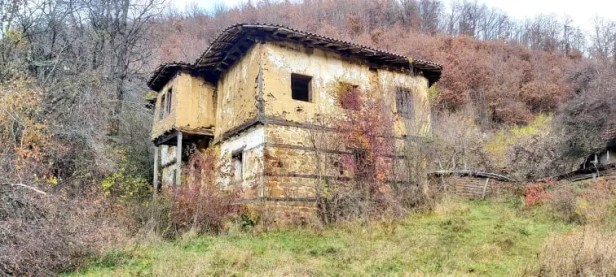
After the massacre, the Serbian troops gathered all boys and men in the ages of 15-70 from the villages of Kurtaj, Qorraj, Çelaj, Myftaraj, Spahijaj, Balaj, to the town square where they were massacred, numbering 1020 Albanians.[7] The family of Gjaka were forced to wait outside as the Serb soldiers filled the house with hay and set it ablaze. The mother in the family tried to rescue the baby by throwing out the window. The soldiers continued to throw it back inside the house. After the baby was thrown out, the Serb soldiers shot and bayonetted it on the street.
References
- “Masakra në Prapashticë dhe Keqekollë, janar, 1921”. (Massacre of Prapashticë and Keqekollë, 1996, VOL. II, 2011)
- ^ Remzije Sherifi (1955), Ibrahim Rugova. La Question Du Kosovo (The Shadow Behind The Sun. Prishtina. p. 54. Retrieved 27 March 2020.
- ^ Shaban, Cakolli, Demir Krasniqi. “Kënga e tij është pasuri e përgjithshme kombëtare”. http://www.filolet.com. No. It was the black January of 1921, when the occupier used all his savagery on the Albanians, where the villages of Gollak were burned and terrorized by Serbian expeditions led by Colonel Radovan Radovic, who had a strong arm of the Bozidar gendarmerie. Paunovic, known as Bozidar Ballofci.The terror campaign began in the villages of Llap, Lupc, Majac, Luzhan, Batllava, Sharban, and from there the campaign took on dimensions in Gollak including Koliqi, Keqekolla and Prapashtica. Filozofi dhe letërsi __histori kombëtare, vështrime, debat. Retrieved 27 March 2020.
- ^ “”Janari i zi” i Mulla Ademit”. Kosova Sot. No. “In January 1921, this family was killed and massacred by the Serbian occupiers who had settled in the villages of Gollak. The story of this tragic event is still known today as “Black January”, which came after the occupation of Kosovo by Serbia and Montenegro, and after the Serbian and Montenegrin military power had settled on this side. From November 1912 to June 1914, Kosovo was the target of Serbian army violence, facing daily unprecedented barbarism over the defenseless Albanian population.”. Kosova Sot. 13 January 2016. Retrieved 27 March 2020.
- ^ Mani, Kadri (1999). Shqiptarët janë atje! (in Albanian) (Thus, in 1921, in the mountain village of Keqekollë / Pri komtina, the Prishtinë / Pri komtina municipality, the Chetniks entered the house of Mulla Ademi at night, stealthily, and had gray 9 / nine / family members: Mulla Adam was axed to death in front of the house. ed.). Koha. p. 236. Retrieved 27 March 2020.
- ^ R., Rexhepi, Masakra e Prapashticës by Prof. Dr. Hysen Matoshi (2012). Takvimi 2012. “The Massacre of Prapashtice” (Pjesa e shkrimeve te takvimit per 2012 ed.). Prishtina. pp. 315–322. Retrieved 27 March 2020.
- ^ Shaban, Cakolli (2008). “AlbaniaPress.com / ShqiperiaPress.com – SHPALIME TE HIDHURA KUJTESE”. http://www.albaniapress.com. No. fter the murder of Mulla Ademi, the Serbian army had gathered men from 15 to 70 years old in the neighborhoods of Keqekolla, such as: Kurtaj, Qorraj, Çelaj, Myftaraj, Spahijaj, Balaj, Govordhe and the entire population of this age of Prapashtica and Keqekolla gathered in one. the meadow in Prapashtica handcuffing and killing 1020 Gollaku Albanians. January and cold weather, heavy snow falling on the Gollaku highland had hampered the movements of the highlanders., where captured residents killed, burned, bayoneted, set fire to their homes. The elderly who survived those events say all terror on the ground had been dreaded and the wolves had been reduced for several days. Retrieved 27 March 2020.

 Balkan Academia