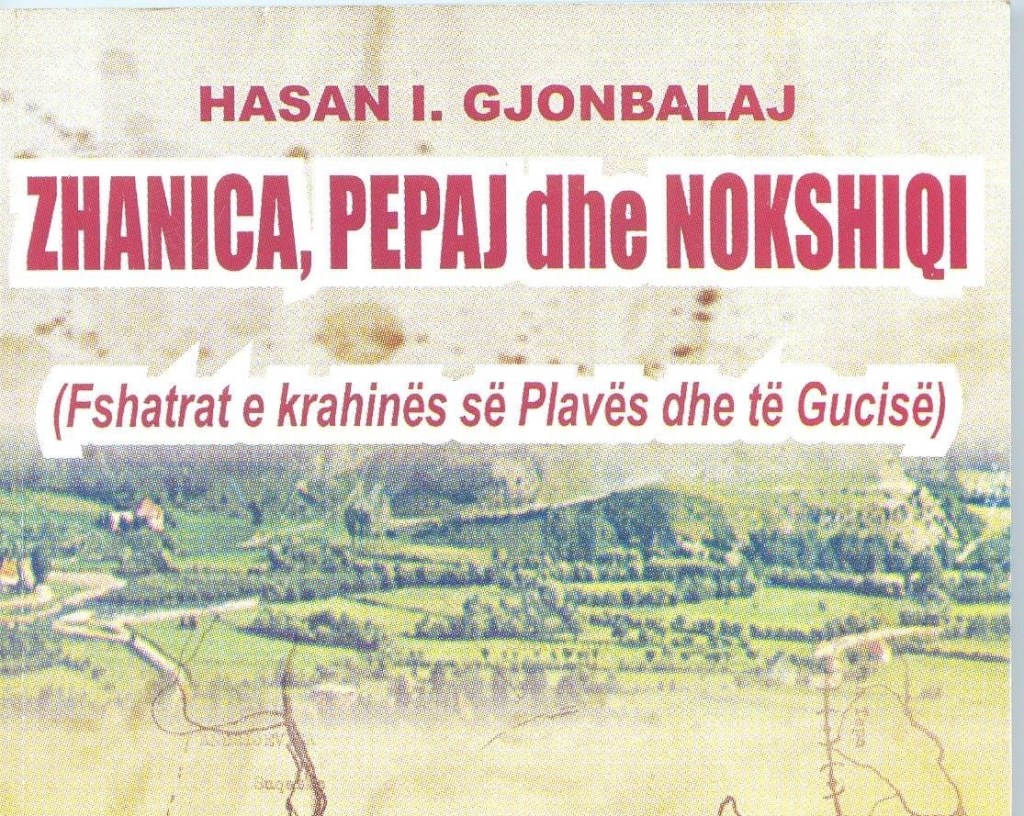

The province of Plava and Gucia lies in the extreme part of the Great Highlands, which geographically and historically is part of the Albanian whole, but under the administration of Montenegro, which had the fate of being among the first to be torn apart from its trunk, on then to experience invasion after invasion without being separated. This whole area has a natural connection, surrounded by the mountain ranges of the Albanian Alps, with the municipal center of Plava.
The most fascinating and tempting beauties that only God knows how to forgive, pushed many guides to write down their impressions from these parts, such as Zuko Xhumbur, writes: “The paradise of this world begins in Guci”. While Cvijiqi expresses it this way: “This province is one of the most beautiful places in the Balkan Peninsula”. Continually and even further, the greed for this beauty brings different conquerors, while the violent border between the Albanian body remains for almost a century, but still the heart of this population remained complete and unbreakable.
It is understandable that there is no good occupier, this was clear to the mountaineers of these parts, to convince them of this they remembered the Austro-Hungarian “caresses”, therefore they did not believe even the sweet words of the Italians, and then neither to the Germans who came to Guci since April 1941. Initially, the Italians, knowing their centuries-old dream, gave positive signs with propaganda “From now on, this province has Tirana as its capital, not Cetina and Belgrade”.
This population has been waiting for such news for a long time. Through the silence of this news, the highlanders united around the pariah and to prove such a statement, they sent a delegation to Shkodër and Tirana. When the delegation returned, it brought the sihariq, which had a great echo, that “the fragmented Albanian territories will join mother Albania”. This news was welcomed and the consecration was changed to de-consecration, which spanned the age of 7 to 100 years.
In the meeting of the paria, under the leadership of 85-year-olds, Čun Mula – from Vuthjan and Shaban Begut from Plavjan, held in April 1941, in Krojet e Vuthajve, the representative of the Montenegrins, captain Nika, also participated, who in principle agreed with the decisions that were made right there and then. The brothers from Vermoshi were impressed by the proven patriot Prekë Cali.
The leaders of the meeting with wisdom and experience approached many opinions while respecting the will of the participants of the three religious faiths. Only one wish was strongly expressed here, the unification of ethnic Albanian lands.
One of the first decisions was for Plava to be a prefecture, or at least a sub-prefecture with a local mayor. Also, the mayors of the municipalities, in Guci, Plavë and Zhanicë, were claimed to be locals. Then the plan for a civil-volunteer army was drawn up, making the mobilization based on national awareness and consciousness, while the headquarters of the People’s Defense Headquarters was set in Plavë.
Since the consecration was all national, volunteer forces from other Albanian provinces led by their leaders, who then fell under the leadership of the resistance in Guci, continuously arrived. In order to convince the masses for a path and national victory, the Albanian flag was raised in the building of the former municipality of Gucia, on this occasion the sons of these three were the guards of honor.
The thread of the Italian occupation was calm and measured, it gave the impression that they left room for internal organization. Their propaganda made them understand that the rifle should not be returned to the one who helps to unite the ethnic territories. Such belief was also created in other countries, which were further away from the borders of Albania at that time.
EG Rozhaja, Rafshlarta and Peshteri, Pazari i Ri, etc. Thus, the patriots of the province of Plava and Gucia had no choice but to fight against those who hindered and opposed such a union. Therefore, from the beginning, only the Slavo-Chetniks were in front of them, merciless towards the non-Slavic people of these countries.
The patriots were clear about the program of the Chetniks, but they were surprised by the presentation of the second idea, which started the activity in the meantime. In order to benefit young people, the expressions affirmation, fraternity – union and bright perspective were used to a great extent.
The pariah of the country, uneducated, but rightly defined in the national spirit, faced even such an alliance. The return of the exiles, from the years 1912-1913, 1919, who were also educated in well-known European centers, increases my hopes. During April 1941 and November 1944, “Koha e Shqipnişe”, the Subprefecture of Plava was supervised by the local paria, which, although it gained support after the second meeting of the League of Prizren, sometime at the end of 1944, its strength began to decline, from that Albanian-Yugoslav communist relations made themselves.
Very shocking was the fact later when two symbols of warriors were seen in these places, the five-pointed star on the partisan hat, while the coat of arms of Skenderbeu shone on the white cell. Having experienced such blows, the patriotic forces found strength and wisdom to make an effort and for maintaining peace in order to prevent fratricide from happening.
The alliance of the Albanian partisans with the Slavs gave arms to the Chetniks to increase the savage attack and violence against this population. The autumn of 1944 was the fragile break and the loss of hope to defend against the Slavo-Communists and Chetniks. Paria chose the best among the worst and officially sent a letter to Shkodër for Albanian partisan units to be stationed in this area. After such a call, Albanian partisan units arrived, which were welcomed by the pariah and the population.
However, after a few days of stay, he leaves the place to his “brother, the Yugoslav liberator”. Such bargains made Pan-Slavism create space and establish military administration. Unfortunately, after two decades, the case was repeated when the Albanians handed over the “Juniku Free Zone” to the Serbs, and now the province of Plava and Gucia.
Force and treachery caused the province to sink into the abyss of the past and fall at the point of the rifle, in violence, imprisonment, executions and terrible and continuous liquidations. Freedom lovers, regardless of these circumstances, remained loyal to the principle of the unification of ethnic lands, and even joined the mountains in the general Albanian movement for resistance, as if they had been inspired in this case by Fishta’s verses:
“Ma mirë i dekun nën dhe m´u kja, Se për t´ gjallë me mbet nën shkja”.
(It better to be dead and mourned then to remained under the Slav)
The most difficult was for the patriots when the treacherous pursuit was also done by the Albanian partisans, so they had only death before them. Violence against their families and relatives was practiced in an indescribable way, not only while they were in the mountains, but also with the imposition of the partisan administration, when they classified the population with different expressions, “friends” and “traitor, ballistic” etc.
The founders of the “popular” power belonged to the first group. Whereas in the second group were all their ideological opponents and their family members. The heaviest weight of oppression and suffering was the pressure they exerted to reveal the locations of the squads. Here and thus began the union – the brotherhood was written in the blood of the mountain patriots and their relatives. These sufferings were accompanied by the news of betrayal that “In Tirana a decision has been made for amnesty”.
The patriots surrendered in the centers of Tropoja and Shkodër, believing in the news and the Albanian faith. Unfortunately, the opposite happened, instead of the Albanian court judging, they handed them over to the Yugoslavian OZN, then their fate ended with shooting on the way, before the trial, after the trial, while serving the sentence, but also after serving it. the punishment.
The punishments that followed such calamities began with the two oldest members of the pariah, the ninety-year-old Chun Mula who was sentenced to lifelong confinement within his own home. And the eighty-five-year-old Shaban Rexhepaga was executed without trial, in the fall of 1944, in Kaçanik, Gucia. The murders and executions were more tragic and senseless during the stay of the Albanian partisan unit, from whom violence and murder were not expected.
Paris lacked the strength to keep the bloodshed within these vices, even in various fights they were targeted by the enemy, which later reflected the death of several partisans: Hajro Shahmani and Hysni Zajmi of the “Bajram Curri” unit (9 IX 1943, in Blue). Then Xhafer Nikoçi, from Gucia, Gani Çavderbasha, from Prizren and Nexhmedin Nixha from Gjakova, who were killed in different ways. Also during the year 1944, Beqo Bashiq, Jusuf Rexhepagaic, Vojo Novovic and Alo Hot were killed in a fight in Kaçanik – Guci.
The union of the Albanian-Yugoslav partisan forces, their agreement and the amnesty propaganda were the death wounds for freedom-lovers, whom the government had declared “ballistas sentenced to death”.
The killing and execution of Albanians in different ways
During the fall of 1944 and 1945 from the province of Plava and Gucia, they were killed face to face with the OZN and their collaborators, or were executed in different ways.
From Plava:
Shaban beg Rexhepagaj (in Kaçanik-Guci), Halil Rexhepagaj, Mak Rexhepagaj and Juso A. Medunaj (in Krusheve-Guci), Lan Pejčinaj and Hako Jasoviqi (Kofilaç-Plavë), Adem Bashi (in Treskavicë), Ramiz Lluka (Babîne de Plavës), Sali Musaj (Mokna), Hamo M. Medunaj (Zhanicë), Ramë Musa and Jupo Basha (in Kafë te Diellit), Rashid Serdani, Bako Gutiq (Brzovicë), and Bego Lukaj (Meteh), Beqir Brahimi, Rexho Medunja , Rrustem O. Feri, Iso R. Medunjanin, Ramë Mazi, Sahit Sharkinaj, Ramë Musaj, Ramë Rexha… Emro Lluka surrendered, but was shot in Bjellopoja (1946). Shemso Feri in the cave in the Koplik Highlands, in order not to give up commits suicide, just like Riza Feri who drank the poison in another place.
From Gucia:
Azem Mulliqi (in Horollac), Zeqir Kolina (in Guci), Feriz Bajroviqi (in Murina), Murat Mashi (Zagraje), Husen Lackaj (in Qafë Nakuti), Hasan Hoti, Rrahim Hoti, Ali Agani, Beqir Brahimi, in other shelters.
From Zhanicë village:
Ymer Muçaj (in Mokna), Xhemë Arifi, (in Mokna), and Azem Gjelaj (in Mokna), Dervish Asllani (in Çakorr), Sokol Idrizi (Shtupeq-Rugovë). Malush Bajrami, Haxhi Syla, Arnaut Rama were shot in Bjellopoja (1946).
From the village of Nokshiq
Imer Maliqi (in Koshutan Rugovë), Islam Balia (in Erenik Gjakovë. In the village of Velikë-Murîna, the following were shot: Azem Ibishi, Sutë Rekja (Dedushaj’s daughter), Zade Danja, Elez Kasemi, Ujkan Zeqi, Xhemajl Alia, Reko Beqi, Seko Mani, Mehmet Neku.
From the village of Pepaj:
Hasan Salihi, Ibrahim and Niman Duci and Ali Ferizi.
From the village of Hoti i Kujit:
In the hills between Deçan and Plava, the following were killed in the fight: Haxhë Curri, Ali Caku, Niman Curri, Shpend Balia, Rexhë Balia, Sylë Rexha, Xhemë Medi, Smajl Medi. Then in the village of Hot, Imer Curri, Metë Rexha, Zenel Mehmeti, Shaban Asllani, Musë Sadiku, Mehmet Rama were shot, as well as in Zabel-Hot, Shaban M. Vuçetaj and Ahmet R. Vuçetaj were shot.
From the village of Hakaj and Budovica:
In a fierce fight, the following were killed: Niman Uka, Shaban Ibishi, Bekë Hyseni, Ujkan Alia, (from that day Budak Hyseni was lost), (in Sjapicë). Shpend Haku and Mehmet Rama (in Mashnica), Haradin Jupi, Smajl Idrizi (in Vonoselë). The following were killed in Murina: Beqo Emri, Brahim Mala, Demë Haku, Salih Reku (in Murina), Idriz Arifi, Ahmet B, Kuçi (in Prejvi). Hazir Alia was shot in Bjellopoja and Halil Markishaj in Beran.
From Martinaj village:
Arif Bajrami, Bajram Mani (in Prejvi), Selman Faku (in Bjeshke i Mema), Elez Gjeri (in Vitomirica-Peja), Demë Reku in (Zeletina), Imer Muji (Kolinë-Guci), Muç Isufi (in Nakut).
From the village of Kaçanik i Gucia
Ujk Cara and Gjon Martini, Mark Vocerr Bala and Shpend Vocerri (in Kaçanik-Guci), Pal Martini (in Krushevë-Guci), Kolec Uci and Luk Toma (in Nikç), Dede Gjoni (in Rrapsh i Hotit), Gjergj Gjoni ( in Vukël), Lekë Martini and Lulash Martini (in Shale-Dukagjin), Lazer Deda (in Godi-Guci). Mark Martini (in Godi-Guci), Kolë Prela (in Maje Krafili-Guci), Gjon Buli and Gjekot Ujka (in Bjellopoja), Nikë Gjoni and Prekë Shala (in Kaçanik-Guci).
From Vuthaj village:
Isuf Kameri (in Murina), Rexhep Buti (in Mitrovica), Mustafa Haxhia (in Neqinat-Rugovë), Belo Hamza (in Godi Guci), Haxhi Haxhia (in Krushevë-Guci), Pulec Hima (in Bjeshke i Mema), Man Zeka (in Zastan-Vuthaj), Hasan Isufi was shot (in Bjellopoja).
Among the volunteers from other provinces:
From Shala-Dukagjin (Shkodra Highlands):
Marash Pali, Pjetër Lulashi, and Zef Çobani Shaljane, Prekë Pali Curraj-Nikaj, Marash Malota – Toptan, Zef Leka – Palaj, Shosh, (in Murina).
From Malësia e Madhe, Prek Cali of Vermoshi was shot with 15 people for the patriotic activity related to the union of these villages with their mother.
From Tropoja:
Zeqir Haxhia Ahmagjokaj (in Godi) with four friends.
From Rrafshi i Dukagjini, Lan Selimi with eight friends. From Nepol-Pejë Niq Krasniqi (Mark Ndue Sokoli), and Kolë Ukshini and three other friends. From Podguri Bardh Isufi with two friends. From Rugova Sak Fazlia, Rize Zumeri and ten of their friends.
Sentenced to prison, up to twenty years
From Plava:
Hilmo Feri, Huso Shabanbegu, Hakia Rexhepagaj, Juso H. Koiqi, Hamo Omeragiqi, Lulo F. Kuçi, Adem Sh. Leshaj, Selim S. Llukaj, Abedin Haxhimusaj, Braho Sharkini, Braho Markishaj. Rrustem Salihi, Ibish Çela.
From Gucia:
Sali Nikoçi, Sejdo Beqi, Halil A. Mulaj, Hasan D. Hoti.
From Zhanica:
Cena Gjelaj, Halil Uli, Smajl H. Shabaj, Salih Zh. Tahiraj, Idriz S. Çelaj, Idriz B. Gjelaj Shaban U. Shabaj.
From Nokshiqi:
Shaqir Zymeri, Uke Dema, Zymer Imeri.
From Hoti i Kuji:
Naso Etemi, Muj Mustafaliaj and Sharo Ibra.
From Martinaj:
Halil Shpeni, Mehmet Brahimi, Shaban Bajraktari, Halil Tola, Ramë Tola, Haxhi Met, and Elez Hyseni. Sadik Bajrami was shot in Bjellopoja even though he was sentenced to 15 years in prison. Ramë Tola died in Cetina prison after the trial.
From Vuthajt:
Avdyl Husa, Zenel Mehmeti, Mehmet Mustafa, Zeqir Bajrami, Zymer Haxhia, Mustafa Çuni, Adem Shabani, Shaban Sadria, Adem Hakaj, and Halil Kurti.
From Pepajt:
Ali Smajlaj, Ramë Smajlaj, Lekë Lekaj.
From Gucia’s Kaçanik:
Prel Kola, Gjelosh Prela, Gjokë Deda, Gjon Prela, Zef Lulashi.
The perfidious communist policy, after gaining power, also applied violent mobilization to recruit young people in the Yugoslav partisan ranks since November 1944, with the cry: “we will liberate all the brotherly Yugoslav peoples”. The march with such a background reached even the Croatian villages. There were more than 200 young men from the province of Gucia and Plava in this composition, of whom very few turned back. It is said that 60 of them were killed in Ternovo (Sarajevo) alone. Even in those moments, the dark propaganda tried to calm their families on the grounds that they “died for their country”, declaring them martyrs.
Briefing
The province of Plava and Gucia, part of the Albanian whole apart from being occupied for centuries, had the most tragic fate when it became a loose coin after the infamous decisions of the Congress of Berlin, to remain all under the fever of memory.
Reference
VRASJET DHE BURGOSJET e SHQIPTARËVE NË KRAHINËN E PLAVËS DHE GUCISË – Nëntor 1944 dhjetor 1945, Hasan GJONBALAJ, Sunday, 27 April 2008.


 Balkan Academia