
Written by Petrit Latifi
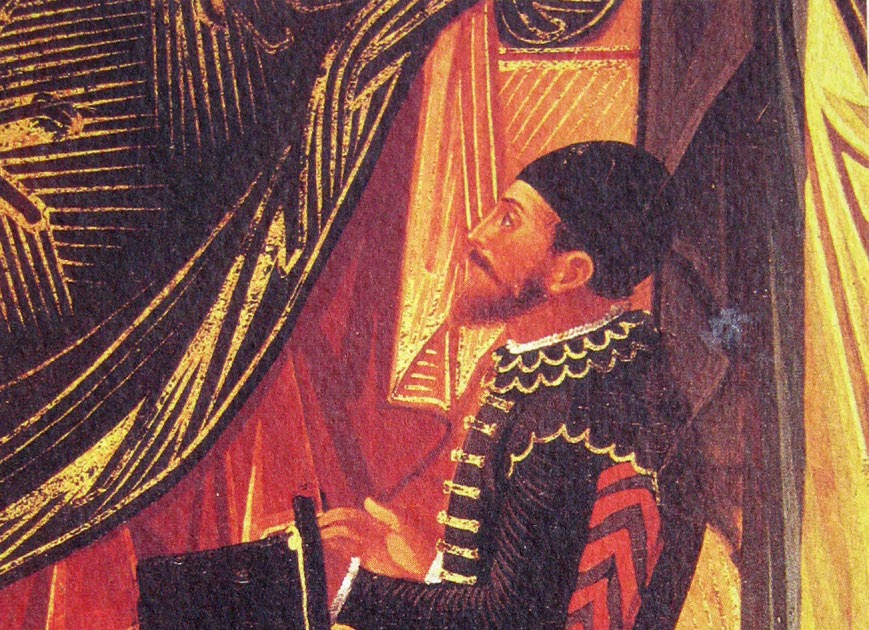
Lazaro Matthes or Lazzaro Mattes (Albanian: Lazar Mati) (fl. 1500s) was an Albanian Stradiot captain who fled Shkodër after the Ottoman siege and served Ferdinand III, King of Naples (1504–1516).
According to historical accounts, Lazaro Matthes was rewarded for his service by being granted permission to settle Albanian refugee families in the Kingdom of Naples. These privileges exempted the Albanian settlers from extraordinary taxes, which caused tension with the local population, who accused them of theft and disorder. The prohibition against carrying arms and owning mounts for Albanians dates back to 1507.
Matthes was described as a majestic figure, with a white beard, dark complexion, and grey eyes, and he was often accompanied by heavily armed men. After serving Spain, in 1517, Matthes petitioned Count Raimondo de Cardona, Viceroy of Naples, to provide a safe settlement for his soldiers and their families. In 1534, Matthes was granted permission to move his people to regions including Maschito, Trivigno, San Chirico, and San Costantino Albanese.
Lazaro Matthes commanded respect among the Albanians who had fled Scutari after its siege by the Ottomans. His leadership extended over two distinct groups: the Majsor, Greeks from Koroni, and the Cndrgnan, Albanians from Scutari. These groups lived together within the same community but were divided geographically, with the Majsor occupying the upper area and the Cndrgnan the lower. Matthes’ soldiers were Stradiots, known for their swift, tactical military operations, ambushes, and courage.
In 1507, Lazaro was succeeded by his daughter Giunnangele, who married Porfida Musciacchio, a descendant of Skanderbeg. However, the tax exemptions granted to Lazaro’s settlement caused protests from locals and the university of Maschito in 1544. Despite these challenges, the legacy of Lazaro Matthes’ leadership and the identity of his community endured.
Culture
Today, the Arbëreshë region of Maschito celebrates its Albanian and Greek heritage through historical re-enactments. These events, known as La Retnes, aim to preserve the community’s origins and strengthen its cultural identity. Staged annually in August, the re-enactment features battles between the Albanesi-Scuterini (nicknamed “Cendregnâne”) and the Greek Koroni (nicknamed “Maisorë”), representing the two ethnic groups that founded the settlement.
Approximately 80 participants, dressed in 16th-century-style clothing and armed with historically accurate weapons, recreate the lives of mercenary soldiers under the command of Lazaro Matthes. The event culminates with a symbolic gathering at the Skanderbeg fountain, where the troops pledge their loyalty, reinforcing the enduring spirit of the Arbëreshë community.
References
Livio Macchi – Il principe di fuoco. Lazzaro Mathes, Albanian nobleman
Website: www.liviomacchi.com.
Roma e l’Oriente: rivista criptoferratense per l’unione delle chiese
Publisher: Tip. italo-orientale di S. Nilo, 1918.
Iapigia
Published in 1939.
Macchi, Livio. Il principe del fuoco
Publisher: Edizioni Piemme, 2012.
ISBN: 9788856623826.
Gli insediamenti in Basilicata
Website: www.arberiawebtv.altervista.org.
Rievocazione Storica in costume Arb‘resh‘ “La Retnes”
Published by Laurus, Premio.
Translation and details: dimore (historical re-enactment).
Prof. Enzo Pianoforte. Brevi cenni storici su Maschito
Pages: 3-8.
Mastrorizzi, Francesco. “La Retnes di Maschito: rievocazione storica dal sapore arb‘resh‘”
Date: 10 July 2019.
Author Website: Francesco Mastrorizzi.


 Balkan Academia