
Authored by Petrit Latifi
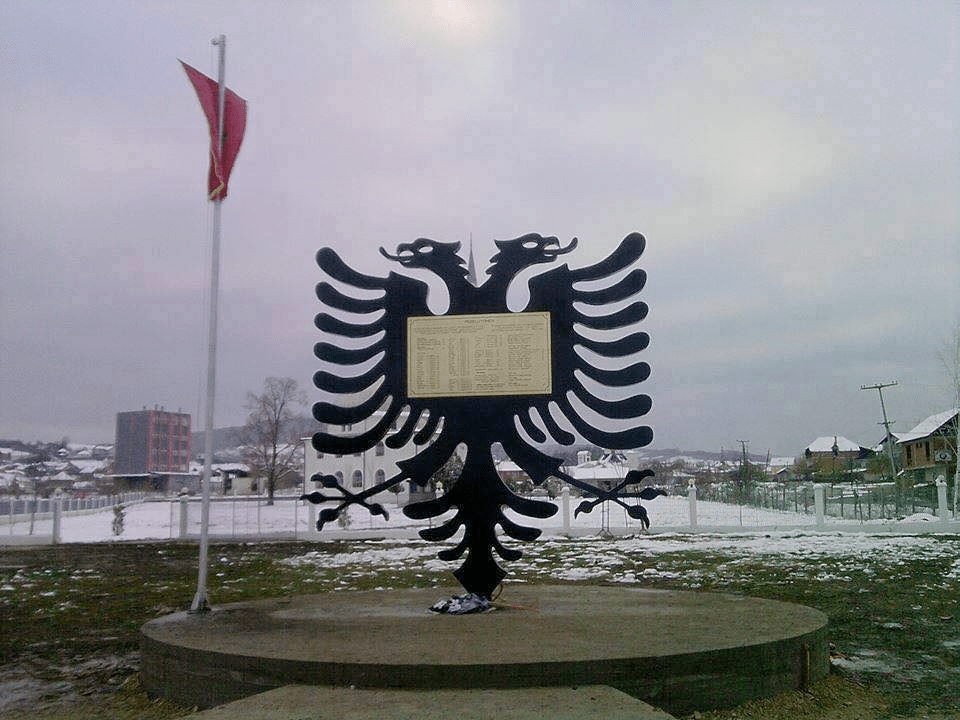
This is an article listing the names of Albanians killed by Serbian forces in the village of Kabash in 1912. In the book “Dr. Milovan Obradović, Agrarian Reform and Colonization in Kosovo, 1918-1941, Prishtina, page 5” we read the following:
“What the Serbian army failed to do in 1912, as it did in neighboring villages, when they burned, massacred, and even shot children: in Smira, Gosicë, Lugishte (Lubishte), Mogilë, Molëkuq (Trestenik), etc., this opportunity had to be used to wipe out the inhabitants of the rebellious village and “to realize Serbia’s plan for the colonization, or rather, the Serbization, of places where the population was predominantly Albanian”
The village had not yet managed to heal the wounds inflicted on it by Shefqet Turgut Pasha (1910), when almost half of the village was burned and the brothers Adem and Mustafa Kabashi, inspirers, organizers and participants of the war in the Kaçanik Gorge and the Morava Valley against Turgut Pasha, were treacherously killed, and now another, even more savage and cruel occupier arrived.
In the barns where they were hiding, Zenel Rexhepi, 40 years old, Qazim Shabani, 20 years old, Rrustem and Shaban Sallahu, one 19 and the other 17 years old, were burned in the presence of their mother, who fought with the gendarmes to save her sons. Ibish Jakupi, 48 years old, was killed in the village, and Agush Ahmeti, 30 years old, was also killed on the outskirts of the village.
Murat Salih Abdyli, 50 years old, sick, wearing a shirt and pants, is killed by his former servant, after he is released as sick. The murdered man was buried at the scene, 250-300 meters from the Tower, on the edge of the road at the entrance to the village of Kabash, 30 m. near the Miftijajve mill.
The village was looted. All valuables were stolen: the dowries of the brides and daughters, the dairy, the beans, the reserved winter crops, the corn, the wheat… The doors of the courtyards, the barns, the carts have until recently been seen in the houses of the looters in Viti, Binçë, Vërbovce and Kllokot. Jahi Selmani (1896-1968), a person who escaped execution, after many years, in the barbershop of Misin Kabash, in Gjilan, Gata Veles
The innkeeper from Velekinca, the executioner in the large tavern, saw in his hand the silver tobacco box and the amber of Aziz Abdyl (the village imam, who was shot). What a pity, the murdered were robbed! The looters took everything with them, leaving behind only the oil of the mothers for the sons, the oil of the brides for the husbands, the oil of the children for the parents and the curse of the women addressed to the murderers, the barbarians.
The village smelled of burning for weeks. The sound of the murdered could be heard for days. 54 people were killed, stabbed and buried there, some alive, in a previously prepared abyss at Zabeli i Sahit Aga, near Kllokot (now the property of the Kllokot Bath). According to Jahi Selmani, who witnessed the event, where his fellow villagers were massacred, he said that an unprecedented riot had occurred.
The gendarmes, assisted by local Serbian soldiers and civilians, shot indiscriminately, using bayonets. There were also Serbs killed there. Apparently, they killed each other after the arrestees rebelled. Among the dead were guests who were found that fateful night in Sylë Jashari’s room. There were three of them, one of them uncle Sylë’s son-in-law from Ballanca, a village in the municipality of Viti. Another guest from Mogilla, Misin Luzha, was also killed in this massacre.
After some research, we found the names of 44* murdered Kabashas and three guests, while the others are from families that have disappeared, have been displaced, or the number of those killed was smaller than was reported. It is unfortunate that the place where the massacred were buried is covered with thorns and is not marked with anything.
This irresponsibility towards the past, towards the murdered is unforgivable, this irresponsibility is ordered by the murderers, it is harmful, against ourselves, against our national interests, against the future. None of the mass graves (over 350 victims) from 1912/1913 in the municipality of Viti are marked.
A great shame! Responsible, good people should have intervened an hour earlier. These barren places should be marked, because the blood shed even without the will of the massacred punishes us. Let’s write the history of those who were shot, let’s show ourselves, generations, and the world that the massacres and atrocities against Albanians date back to the period of the rise of the Serbian state.
List of Albanians killed
1. Misin Salih Cenaj, 52-vjeçar, 2. Murat Salih Cenaj (50), 3. Avdyl Salih Cenaj (34), 4. Hysen Jakup Cenaj (35), 5. Ibish Jakup Cenaj (52), 6. Isak Jakup Cenaj (31), 7. Agush Ahmet Cenaj (30), 8. Hamëz Nezir Cenaj (18), 9. Qerim Ali Cenaj (50), 10. Alush Ali Cenaj (26), 11. Hafiz Qerim Cenaj (22), 12. Halit Qerim Cenaj (20), 13. Azem Kamer Cenaj (48), 14. Sefedin Azem Cenaj (16), 15. Aziz Elez Cenaj (47), 16. Rexhep Çaush Veselaj (63), 17. Smajl Bajram Veselaj (60), 18. Bajram Smajl Veselaj (39), 19. Hamit Selaman Veselaj (50), 20. Jashar Islam Muçaj (60), 21. Islam Jashar Muçaj (30), 22. Murtez Brahim Muçaj (52), 23 Hamdi Murtez Muçaj (17), 24. Kadri Brahim Muçaj (37), 25. Isuf Brahim Muçaj (22), 26. Qamil Osaman Muçaj (18), 27. Zenel Rexhep Muçaj (40), 28. Hazir Shaban Muçaj (45), 29. Qazim Hazir Muçaj (20), 30. Shabi Sadik Muçaj (37), 31. Ramadan Ramadan Kuklubeci (30), 32. Rrahim Sallah Trakalaçi (53), 33. Ali Sallah Trakalaqi (50), 34. Hebib Ali Trakalaçi (25), 35. Aziz Avdyl Trakalaçi (47), 36. Faik Aziz Trakalaçi (19), 37. Abaz Sallah Trakalaçi (65), 38. Veli Abaz Trakalaçi (45), 39. Rrustem Veli Trakalaçi (19), 40. Shaban Veli Trakalaçi (17), 41. Hysen Abaz Trakalaçi (18), 42 Misin Luzha (mysafir, fshati Mogillë), 43. Shefki Qerimi (mysafir, fshati Ballancë), 44. Tahir Musliu (mysafir, fshati Ballancë).
Reference
Dr. Milovan Obradović, Agrarian Reform and Colonization in Kosovo, 1918-1941, Prishtina, page 5.


 Balkan Academia