

Petrit Latifi
Feri Arifi, a well known Albanian historian and author, has made several publications and recordings of Illyrian tombstones, graves, stones and artefacts of Dardanian, Illyrian and Albanian origin.
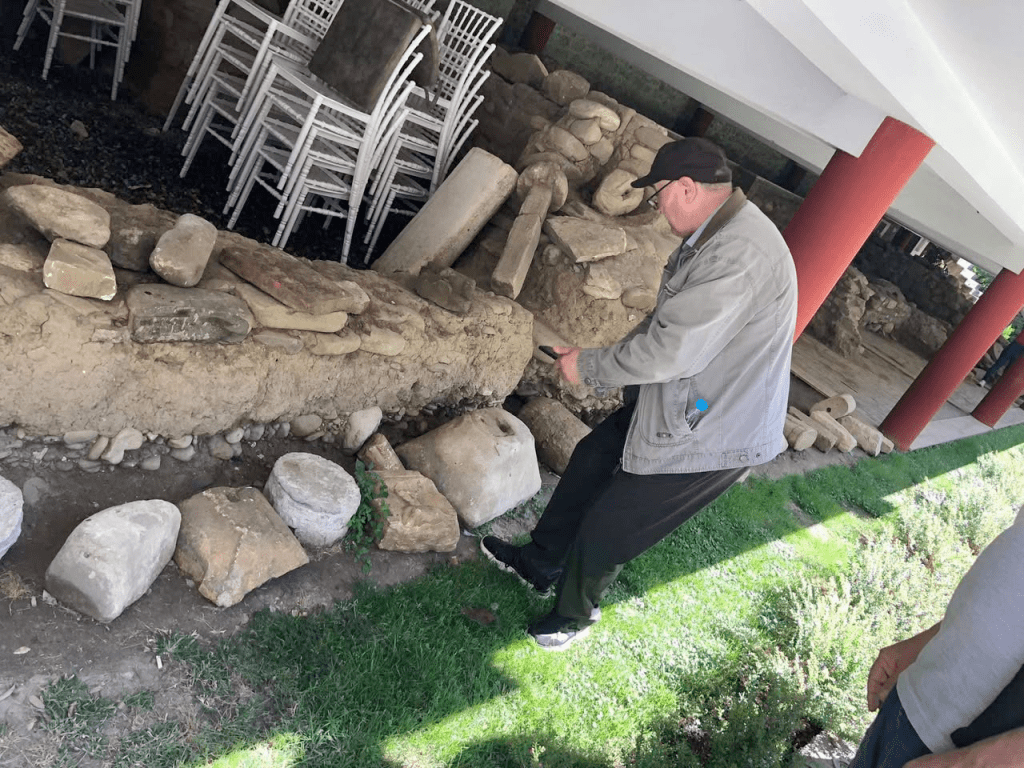
Feri Arifi next to an illyrian tombstone
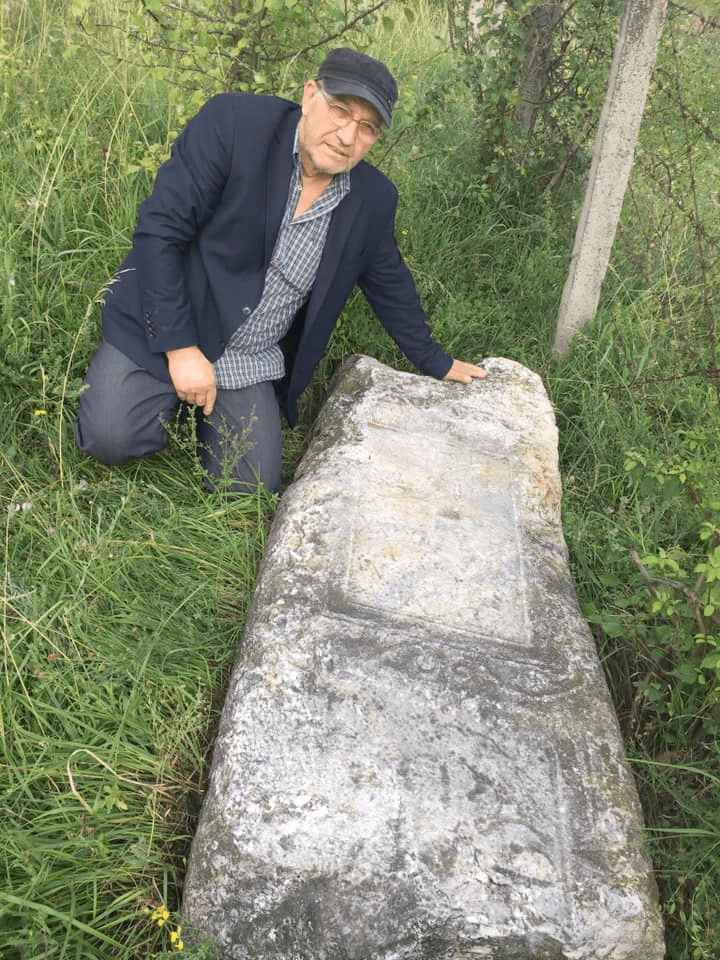
Illyrian grave at Dranagllavë

Illyrian artefact from the Neolithic era discovered in Smirë

At the castle of Bincë

Illyrian graves in Lopat of Kumanovë

Illyrian graves in Skopje (Shkup)

Illyrian graves the size of 5-8 meters in Kumanovë. Feri Arifi together with Prof. Esat Kamberi and Prof. Ramaan Musliu.
Tombs in Gazi Baba
“The remains of Neolithic settlements that have been found in the Skopje fortress and today this fortress is being changed and rebuilt to say that it was not Illyrian. The tombs in Gazi Baba tell the story that since millennia they have been overseeing the once modern city center and today these photos must be used to show the world that until the Slavs came 100 years ago, Skopje had no graves of Slavs or Macedonians and show (the time of the Illyrians).
Do we need more arguments to prove that the Illyrian Sun is visible on the tombstones, the Serpents, the swastika of the Great Boom?”
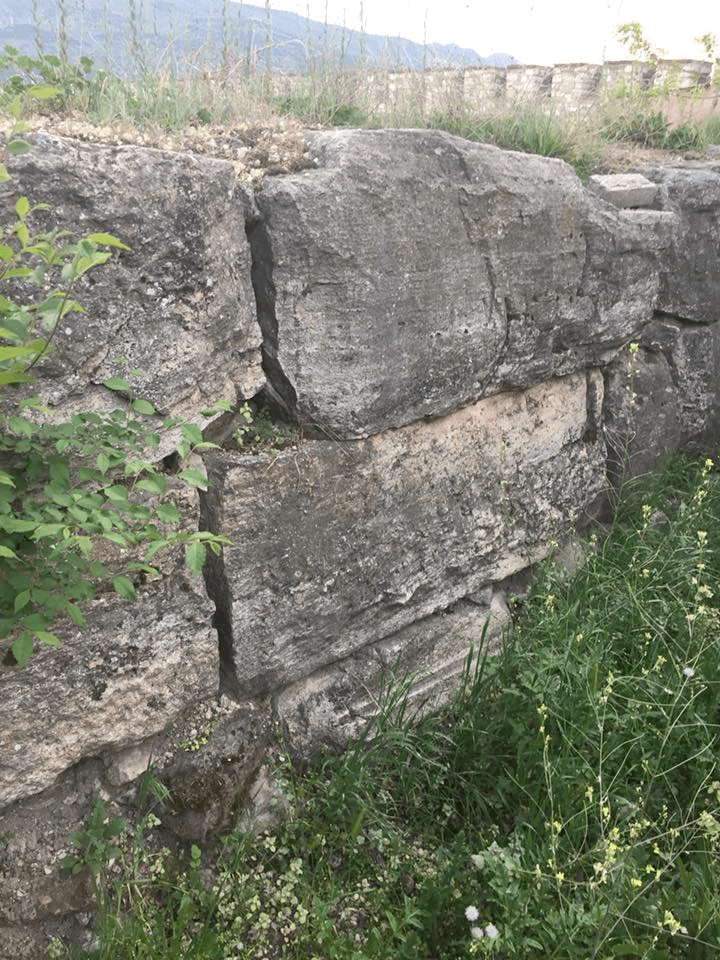

Illyrian graves in Maran of Shkup (Skopje)
“On the trip to this part of ancient Illyria we were with Prof. Ramadan Musliu and our friend Qerim Liten, where the Illyrian tribes lived before and in continuity the population today is local and old and not riverine but there from the Dardanians, then the tribe of the Paiones, Epirotes, Ardians, Taulantes etij. It is simply impossible, if a grave has these symbols (any type as you will see with letters and without letters) and has pagan symbols (a concrete example the sun with snakes), then undoubtedly they are Illyrian graves and of this population, which we visited today only in the village of Azem Marana”.

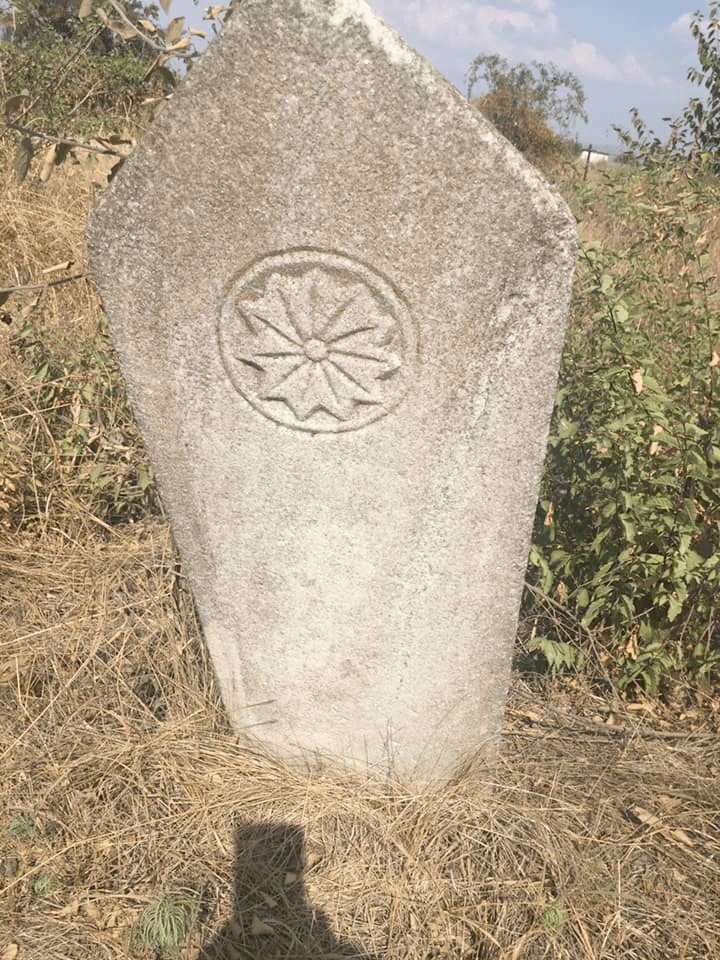
Illyrian tombstone or stone with the inscriptions “Dardanus”.

GËRÇARI of VITISË
“This gate was found at the end of the Għarħari Castle 10 years ago, today I don’t know where it is, it was discovered by me, but what they are and how old they are I don’t know, apparently they are over 6000 years old. But I believe that this place was inhabited by Etruscans.”


Grave in Tanushë

Grave in Dragash

Graves in Llopati i Tanushës

“In a village called Llopati i Tanushës near the village graves, even though Slavic archaeologists have written about giant human skeletons, as big as five normal people and larger. This discovery has caused a shock in the Slavic archaeological community at the Lamud Station, and no one has dealt with them. Understanding that the graves are Illyrian or Pelasgian. This has raised many questions about the history of humanity and the possible existence of giants who once walked our Earth in Illyria and Pelasgian.”

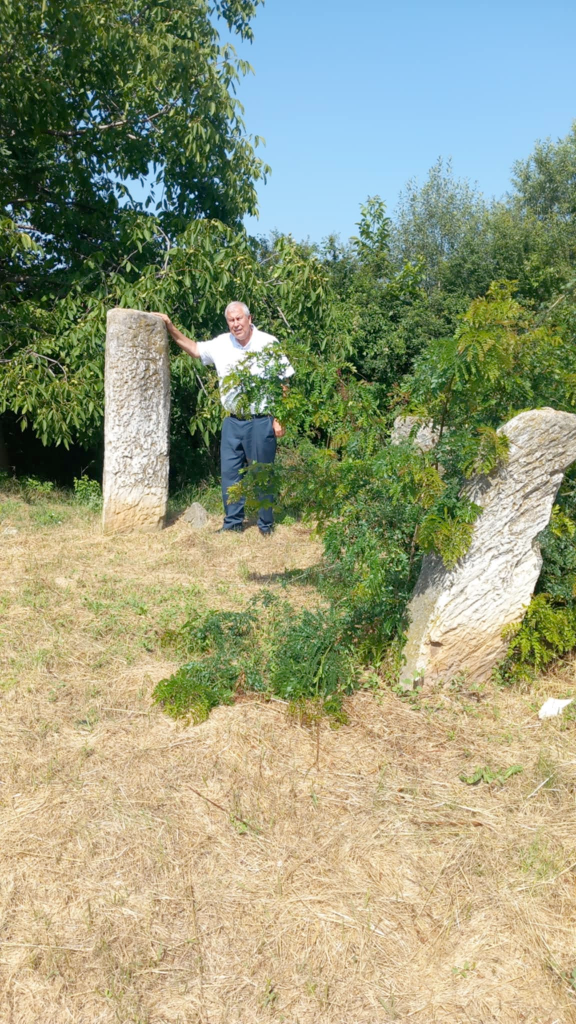

Graves in Pozhoran with valuable ores discovered
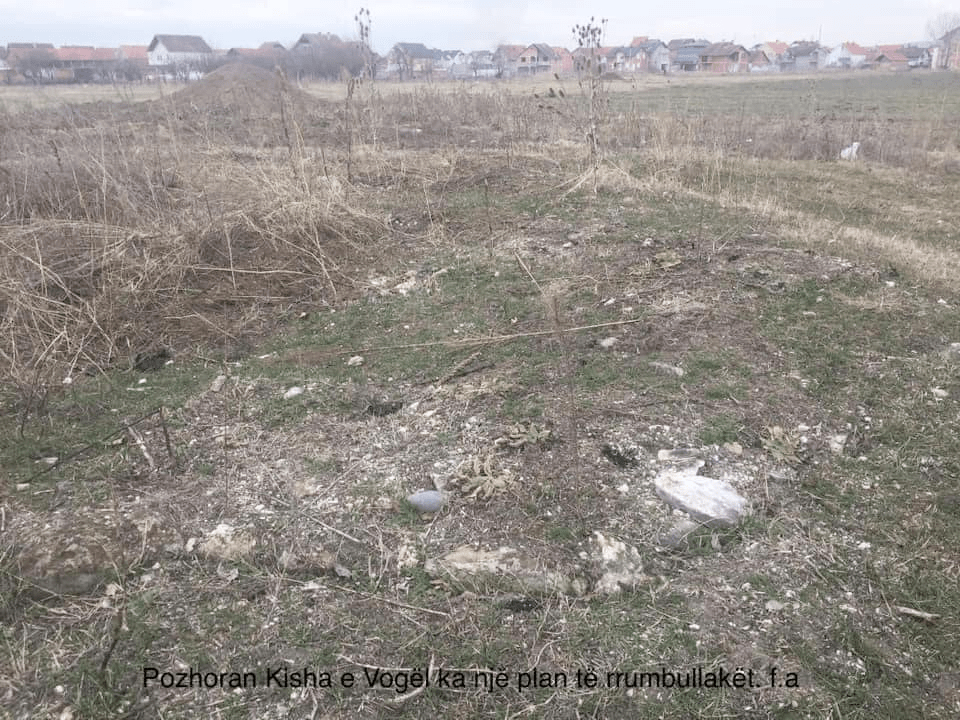

Illyrian archeological site at Pozharan

Illyrian or Thracian monument

Illyrian tombstones in the region of Tanushë


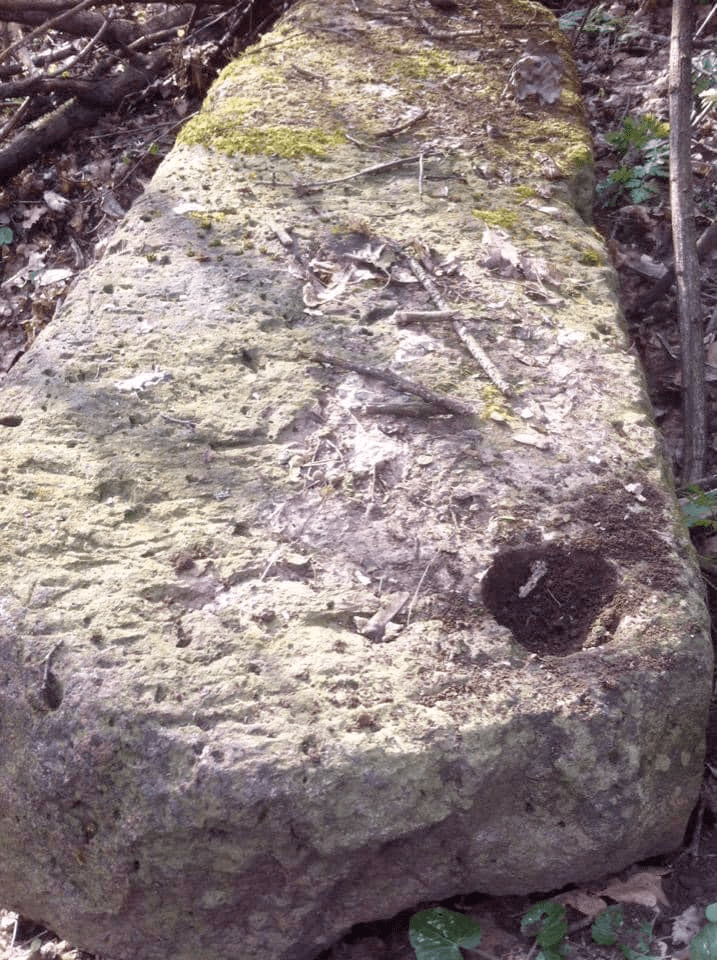
Germovë

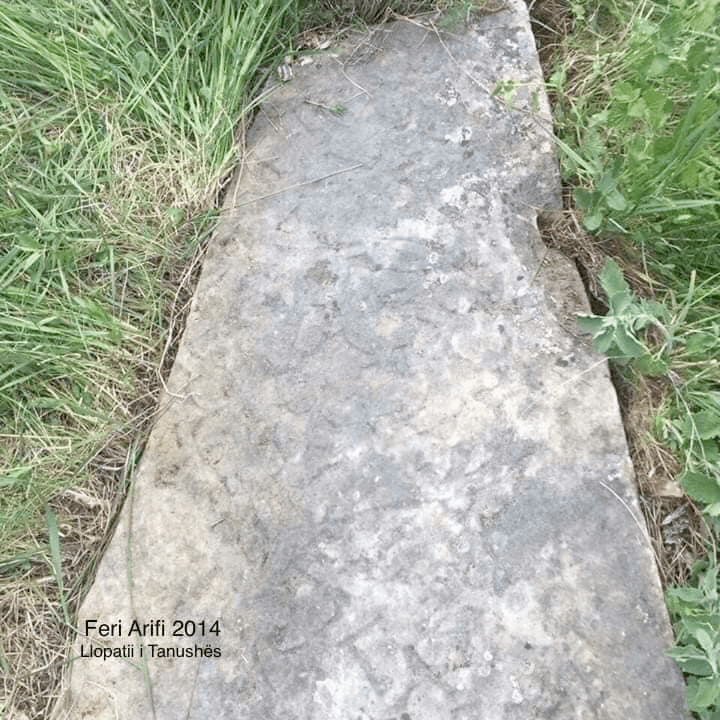
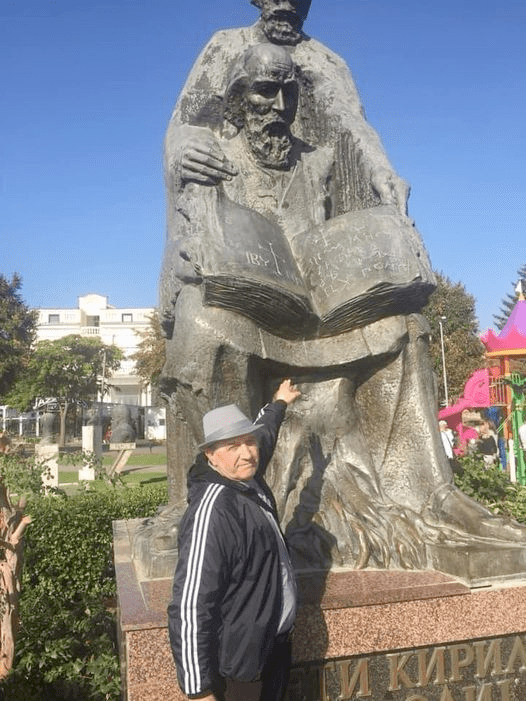
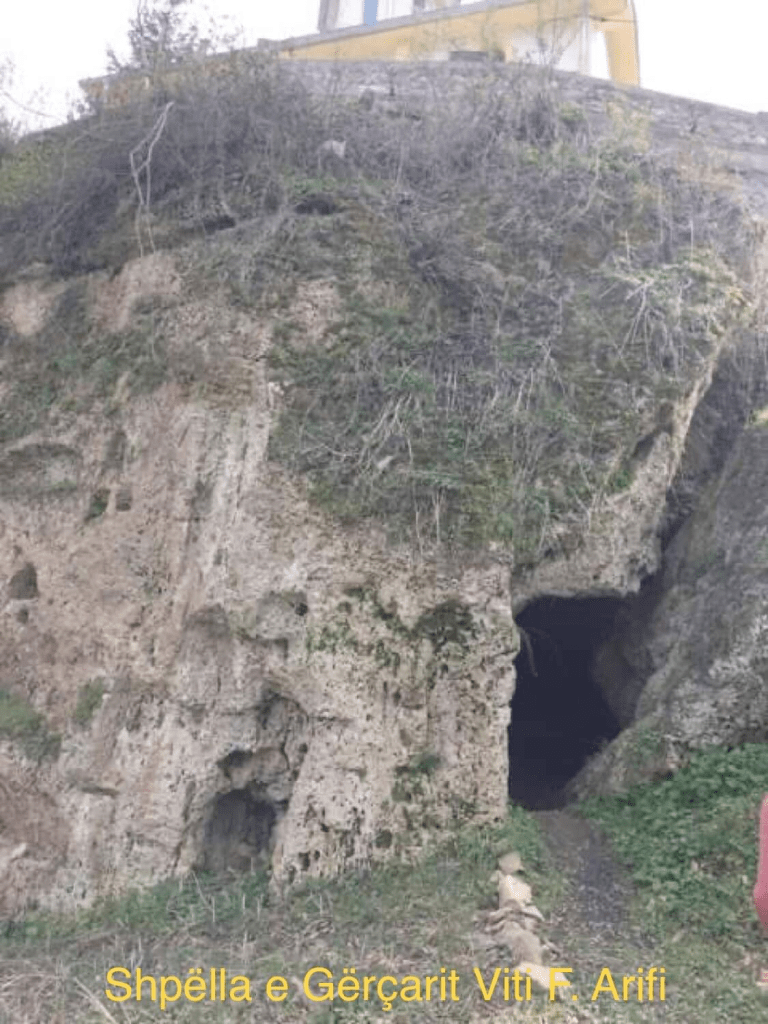
Cave of Gercarë
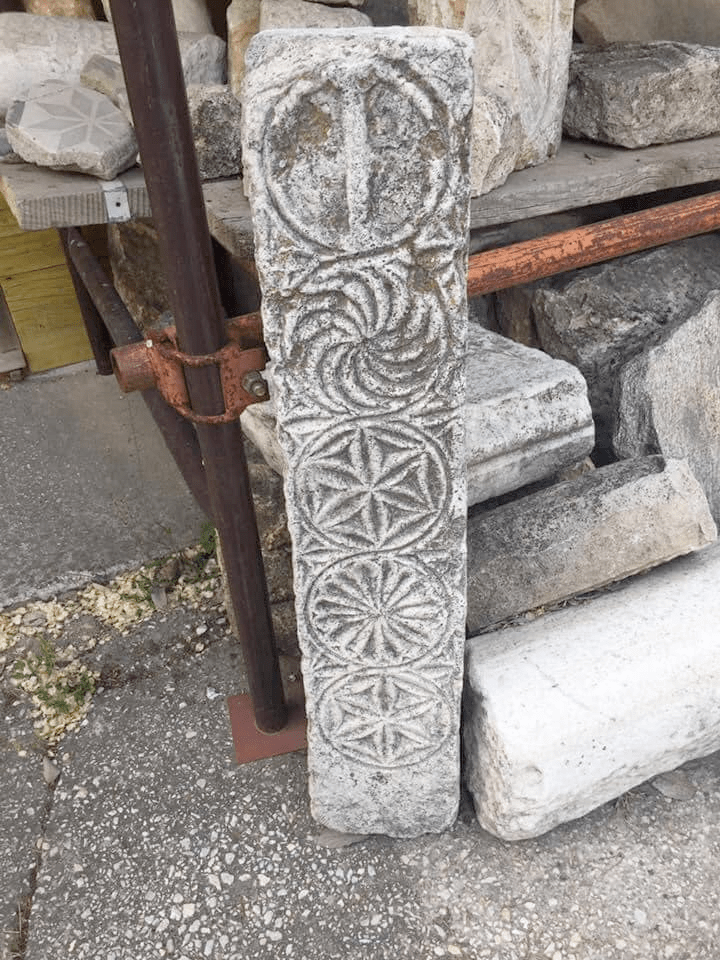
Dardanian artefacts
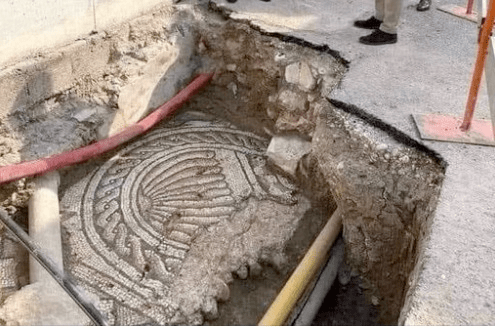
“This first photo is from Italy, but how many of these are hidden underground in Skopje Dardan, according to Osman Ostrogllaves, a sewage worker in Skopje since 1965, who is still alive today and no one asked him what is underground in Skopje. He told me that during the work he did, the boss was a Slav and we came across all kinds of artifacts in Skopje, where we asked the boss what to do with these artifacts and he said either break them or cover them with earth because they are not ours.”
Grave in Mogilë of Viti
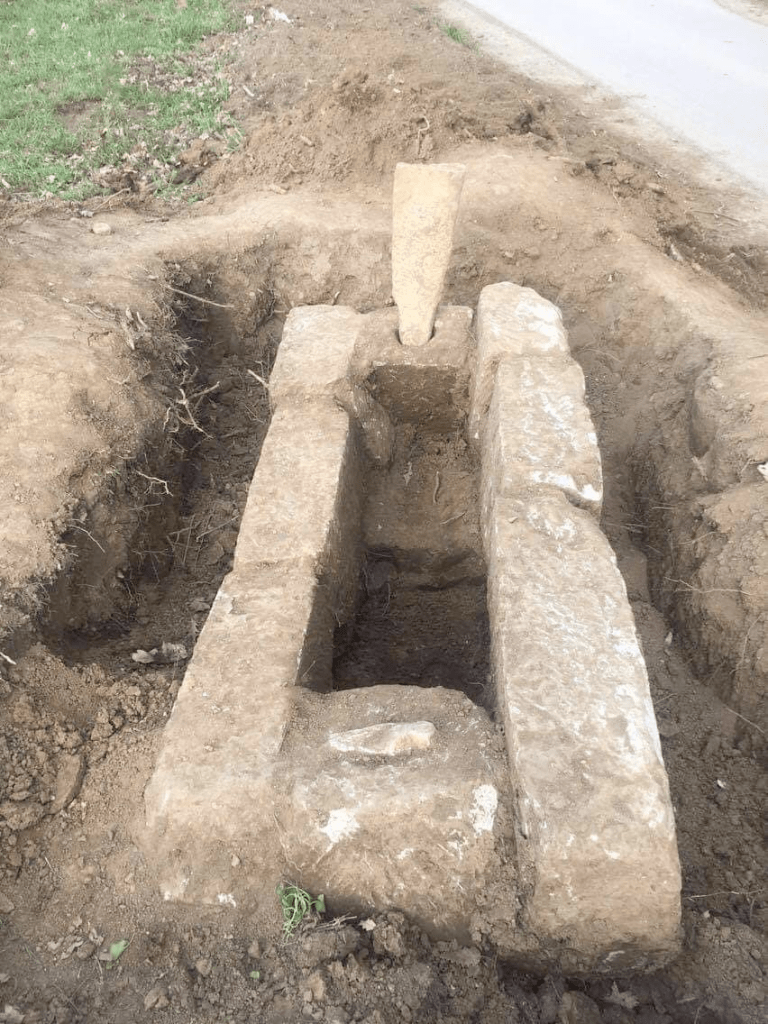
“On April 8, 2017. There in the cemetery of the village of Mogilë in Viti, at the end of the road, a dead body was found, precisely in the grave, because they were clearing the road to Viti and widening it, says Hasan Rashiti, where the graves of the village are very close, almost attached, who invited me and I went, because the grave had been dug up and I could not decipher it, so this finding in this cemetery is of a human body that had a stone placed on its neck or bones.”
Graves in Zllatar of Ferizaj and Pozhoran

“Here are these graves in Zllatar, a village in Ferizaj, and in Pozhoran, Viti.”

Stone with “Albania” carved discovered in 1846 dated 101 AD – 300 AD.

Place of Alpes Cottiae Segusio.
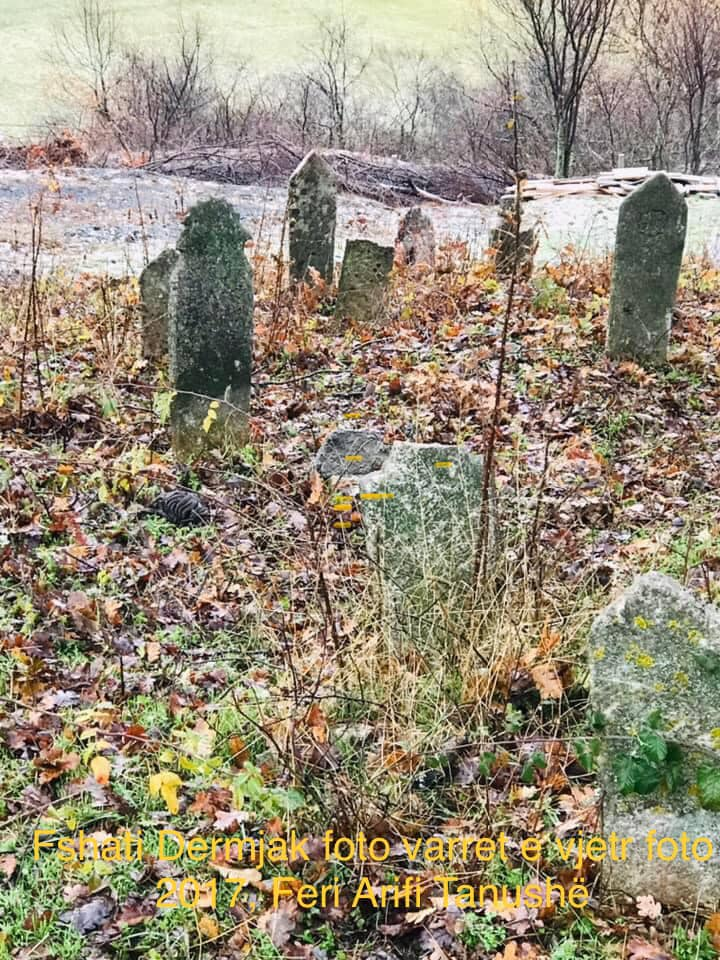
Graves in Dermjak of Hani i Elezit

Artefacts from Smira and Gërçari in Viti.

Elbasan
Zllatarë

Illyrian mummies from Kladno, Lipova, Gërçar and Kumanovë
“Where did the Slavs send the mummies from Kladno and Lipova and Kumanovo? But where did they send the mummies from the Gërçar cave in Viti in Kosovo in 1982 and not say a single word about them.”

Tanushë

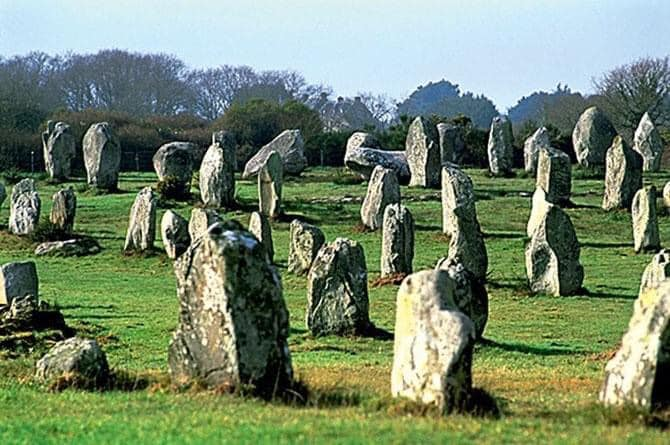
Stones in Cërnishte 25 km from Prilep

“So in the village of Cërnishte, 25 km from Prilep, we have this structure of tombs that we don’t think people have placed, why are they so big as they were.”

“High and unworked tombs. So who are we or is it likely that we are dealing with the Megalithic Culture, we have stones and worked stones of their size in Kosovo and Macedonia as well. Why are these complexes not being explored today since we have our own governments, whose stones date back very early, where it is rightly said that Albanian is as old as the world itself. Otherwise, Megaliths are large stones.
Photos taken by Prof. Dr. Mustafa Ibrahimi.”

Artefacts from Skopje (Shkup)


Coin from Morava


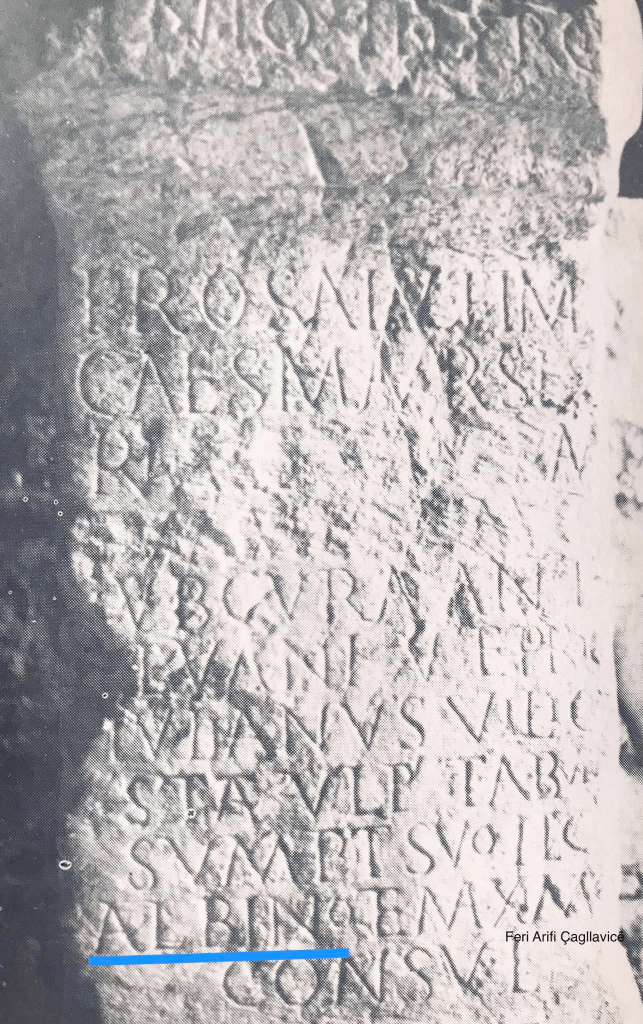
Illyrian stone kept in Çaklavica
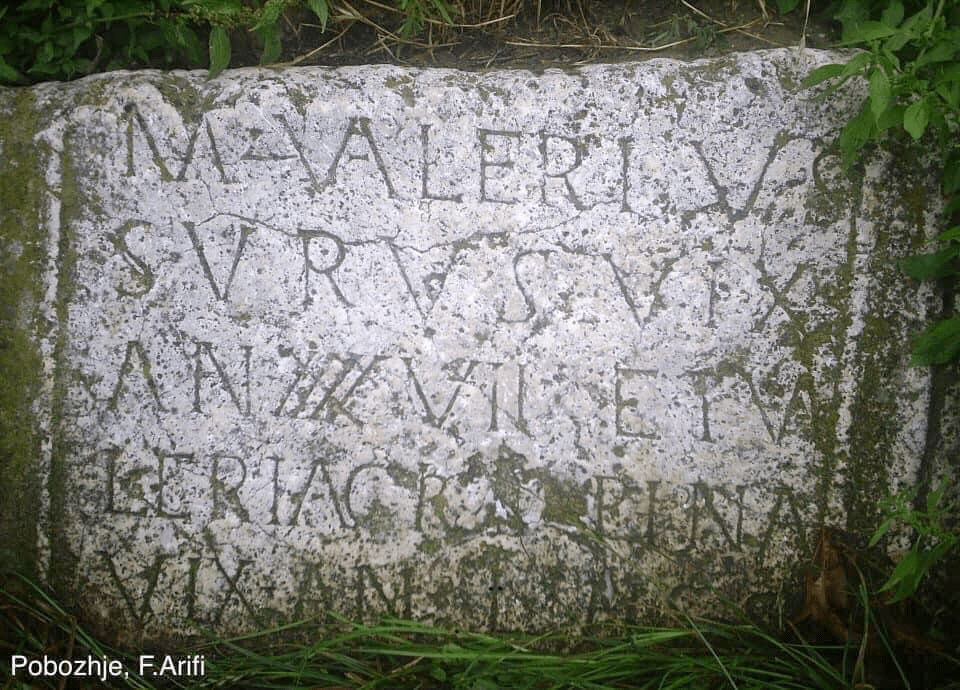
Illyrian stone in Pobozhje
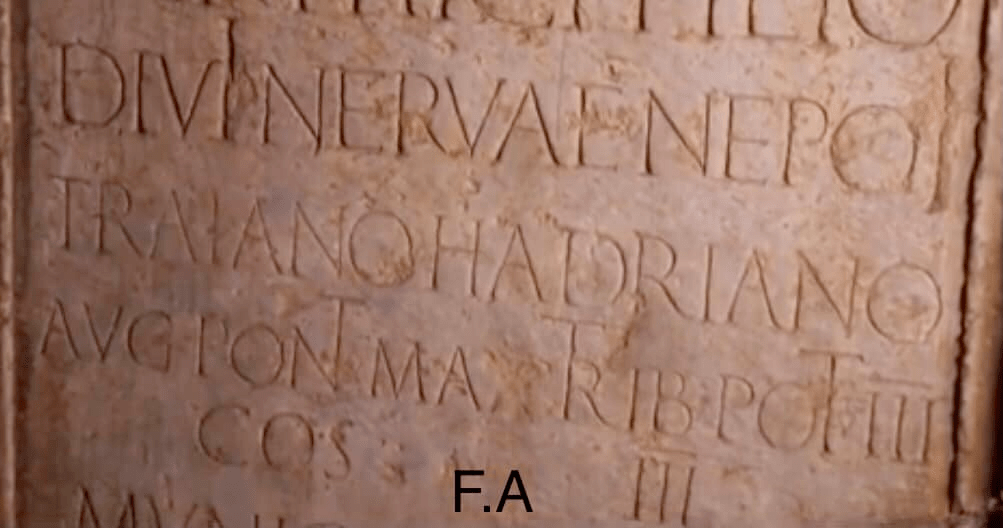
Illyrian artefact in Skopje (Shkup)

Illyrian stone in Cakullas.

Artefact in the Museum of Manastir

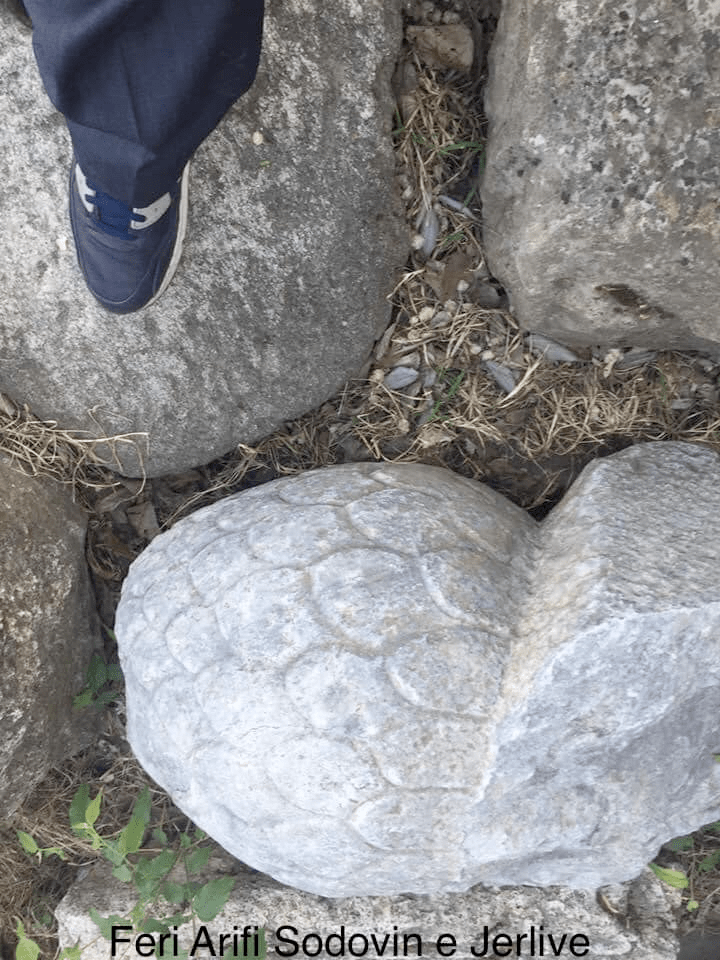
Artefact in Sodovin e Jerlive
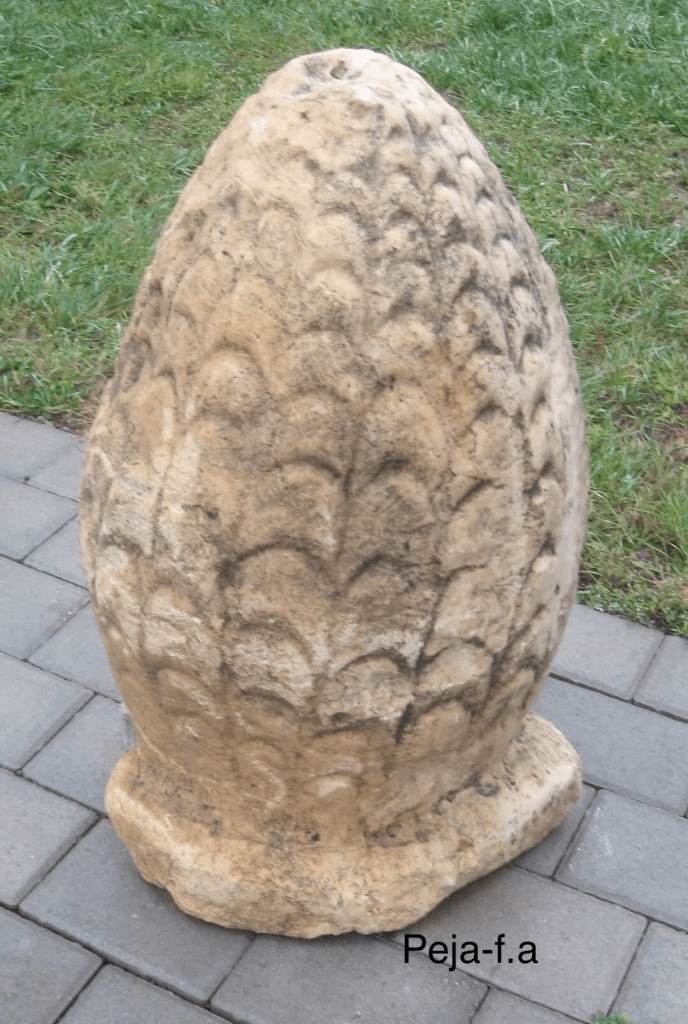
Artefact from Pejë
Stones from Prilep
Illyrian artefact of Dardanian origin
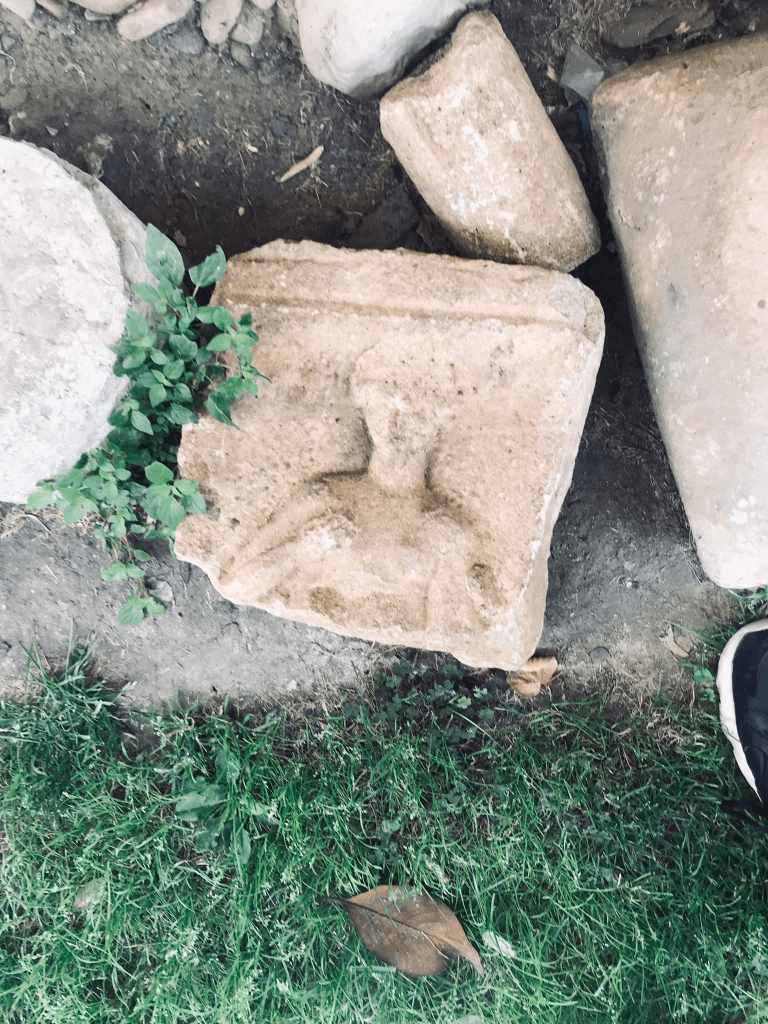
Proto-Albanian inscription

Artefact from Komogllavë
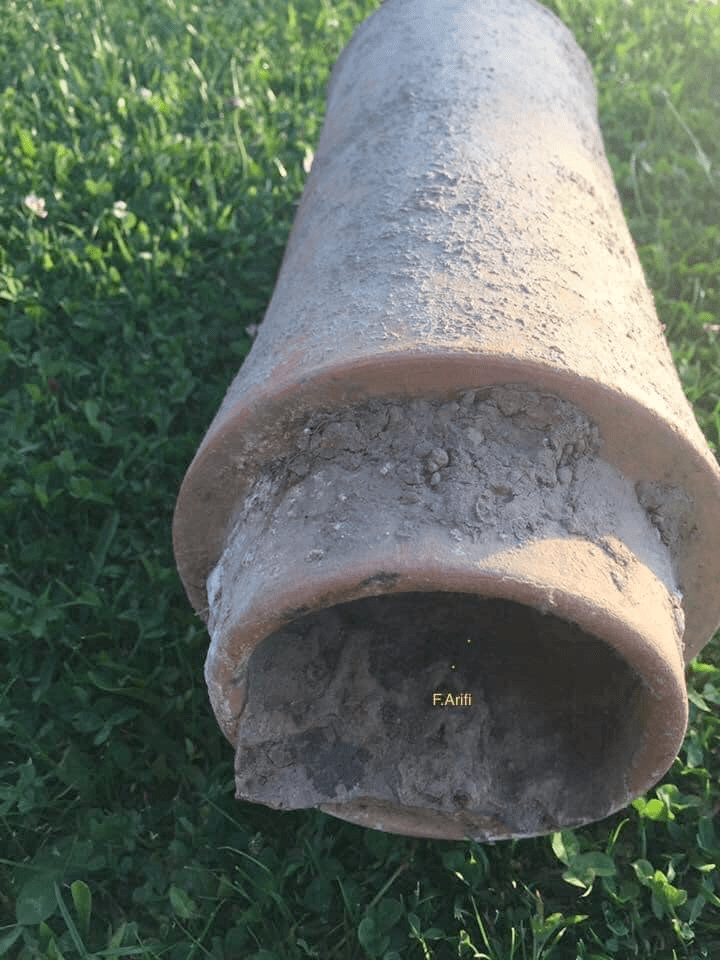

Smirë


Illyrian artefact from in Bosnia

Gercarë
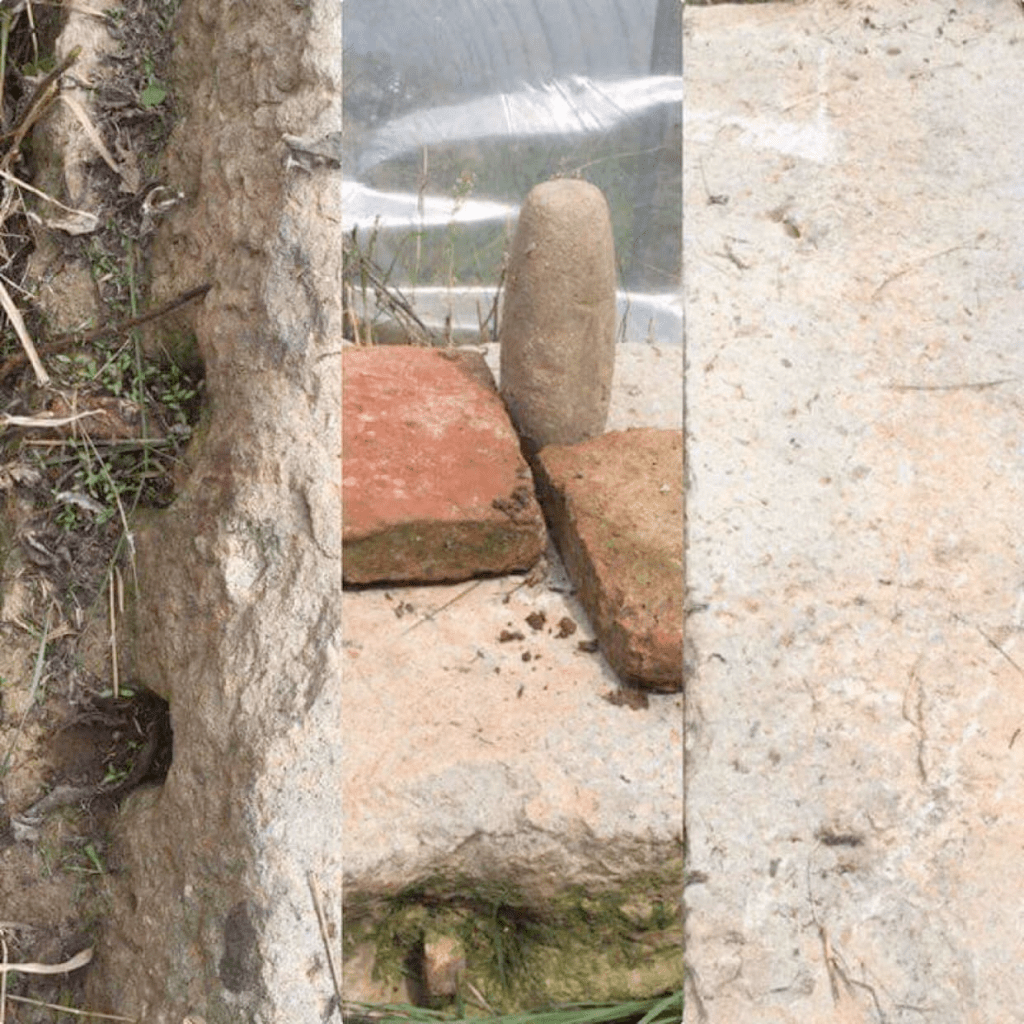
Sodovina


Zhiti

References and sources
Taken from Feri Arifis publications.

 Balkan Academia