
According to an article in the “Wiener Zeitung” from 1861, the border between the Serbs and the Albanians under the Ottomans was in the region of Jastrebac.
Cited:
“We shall see whether we can bring him to a conclusion regarding the nature of the Albanians […]
First of all, he states that in difficult times, when even a few lire are at stake, there is always something worth noting. It is significant that even a single such occurrence can highlight the importance not only of the cities of Protop [?] and Kurschumlje [Kurshumli], but of the broader region. The day passed just as calmly in Gedante [?]. As we have previously observed, the entire area of Toplipa [Toplica], with the exception of some provinces, remained quiet.
Albanians are present in this landscape, and these people have directed their dissatisfaction toward well-known individuals, seemingly awaiting an explosion to push things to a decisive turning point. This applies to the southern slopes of the Jastrebac Mountains, all the way to the Serbian border, where a stand should have been taken in Tre [?], along with the conditional and cautious rejection of various pressures.
In Viso [?], occasional cries of Evviva were heard. In Novigo [?], at least one Imperial Councillor openly challenged the authority behind the ethnographic border, represented only by an isolated tricolor flag and its mandate. Others have proposed pushing the Albanian presence half a degree further north, but that is exactly what Italy was already doing, albeit with current restraint.”
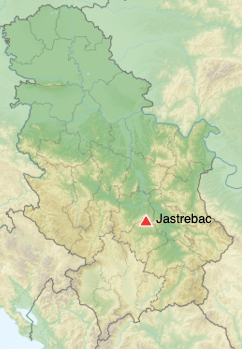
Jastrebac in modern day Serbia
Reference


 Balkan Academia