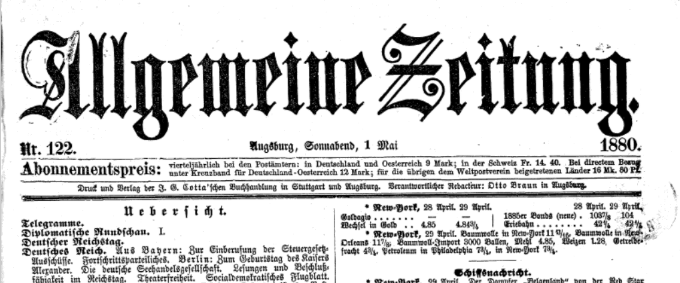

In 1787, the Montenegrins, believing that the Albanians had defected from the Ottomans, decided to launch an attack on northern Albania. According to an article from 1880 in the paper “Allgemeine Zeitung Munich”, this started the centuries long Albanian-Montenegrin antagonism. Around this time, the Albnaian Proto-Nationalism began.
Albanian defiance and Proto-Nationalism
In the decades leading up to the late 1700s, the Albanian mountain clans, particularly those between the Drin River and Lake Scutari (Shkodër), had resisted Ottoman conquest with a cetain tenacity. While the Ottoman Empire ruled with an iron fist over Christian and Muslim tribes alike, the mountainous rugged terrain and independence of the Albanian tribes halted these efforts.
By the 1780s, the Bushati family, the influential Albanian dynasty, had begun to dominate in Shkodër. Under the leadership of Kara Mahmud Pasha Bushati, the Albanians had reached a new zenith of power. Kara Mahmud emerged as an ambitious leader who challenged Ottoman authority and sought to unify Albanian clans under his command.
This period marks the awakening of Albanian proto-nationalism, a collective identity forged not only by opposition to Ottoman control but also by resistance to neighboring Slavic and Montenegrin forces.
Montenegro’s calculated strike
It was precisely at this moment of Albanian insurrection that the Montenegrins saw their chance. Believing that the Albanians had formally renounced Ottoman rule and weakened their defenses, Montenegrin forces launched an offensive against Albanian highlands.
This marked the first significant bloodshed inflicted by Montenegrins upon the newly autonomous Albanian authorities and their troops.
The Montenegrin attack resulted in a brutal bloodbath, starting a widespread outcry among Albanians across the region—from Shem to Shkumbri, from Pristina to Durazzo. The conflict intensified into a cycle of revenge and reprisal that would mark Albanian-Montenegrin relations for decades.
Reference

 Balkan Academia