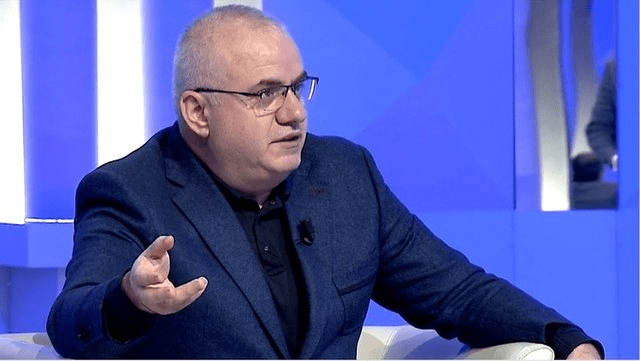

Image taken from CNA.com
Martin Mema and Artan Hoxha became Persona Non Grata
Recent developments in Greece, where journalists such as Marin Mema and Artan Hoxha have been declared “persona non grata,” represent a troubling breach of several core EU laws and conventions protecting press and freedom of expression. As a member of the European Union, Greece is bound to uphold journalistic freedom and ensure that both citizens and the media can operate without arbitrary restrictions or interference. Current practices suggest these commitments are being systematically disregarded.
Persona Non Grata: Threatening journalistic freedom
Marin Mema, an Albanian journalist with a long-standing career in investigative and critical reporting, has been denied entry to Greece and officially declared unwelcome. The official justification cites alleged threats to national security, but the decision appears to be politically motivated, targeting critical voices rather than legitimate security concerns.
Similarly, Artan Hoxha, another Albanian journalist known for his investigative work, has faced similar restrictions. Hoxha’s reporting on issues involving regional politics and minority rights has drawn attention across borders, and his designation as persona non grata by Greek authorities raises further concerns about the suppression of independent journalism and critical discourse.
Violations of EU Law and International Conventions
- Freedom of Expression: Article 11 of the EU Charter of Fundamental Rights guarantees freedom of expression, including the right to receive and impart information without interference from public authorities. Greece’s actions directly contradict this principle by punishing journalists for their reporting.
- Media Freedom Protections: The European Media Freedom Act (EMFA) of 2024 reinforces protections for journalists, emphasizing independence from state interference and the right to operate across EU borders. Declaring journalists persona non grata for their reporting undermines these protections.
- European Convention on Human Rights (ECHR): Article 10 of the ECHR guarantees freedom of expression. Arbitrary exclusion of journalists from Greece, particularly for their critical reporting, raises serious concerns regarding compliance with ECHR obligations.
- EU Principles on Non-Discrimination and Rule of Law: Denying entry based on ethnicity, nationality, or political stance violates EU principles of equality, non-discrimination, and the rule of law.
Implications and international criticism
Greece’s measures contribute to a climate of fear and self-censorship among journalists, weakening democratic debate and public access to information. Human Rights Watch, Reporters Without Borders, and other watchdogs have repeatedly criticized such actions, warning that they erode media independence and violate international obligations.
Conclusion
Greece’s recent targeting of journalists like Marin Mema and Artan Hoxha constitutes a serious affront to the principles enshrined in EU law and international human rights conventions. By prioritizing political control over media freedom, Greece not only threatens individual journalists but undermines the credibility of the EU’s commitments to democracy, free expression, and the rule of law. Immediate action from EU institutions is required to ensure that Greece adheres to its legal and moral obligations and restores the safe and open environment that journalists must be able to operate within.

 Balkan Academia