
Summary:
The excerpts describe a pattern of violent repression, terror, and forced demographic manipulation carried out by Serbian or Yugoslav authorities and armed groups during the early 20th century. Reports include massacres of civilians, arson attacks on churches and villages, forced expulsions, and systematic intimidation of non-Serb populations such as Hungarians, Germans, Romanians, Macedonians, Montenegrins, and Albanians. Political opponents, teachers, and rural civilians were targeted; villages were burned; livestock and property were destroyed; and entire communities were pressured to flee. Agrarian reform and colonization policies were used to weaken minority populations economically and alter ethnic balances, especially in Kosovo. Overall, the material portrays a broad strategy of coercive Serbianization supported by state institutions and paramilitary violence.
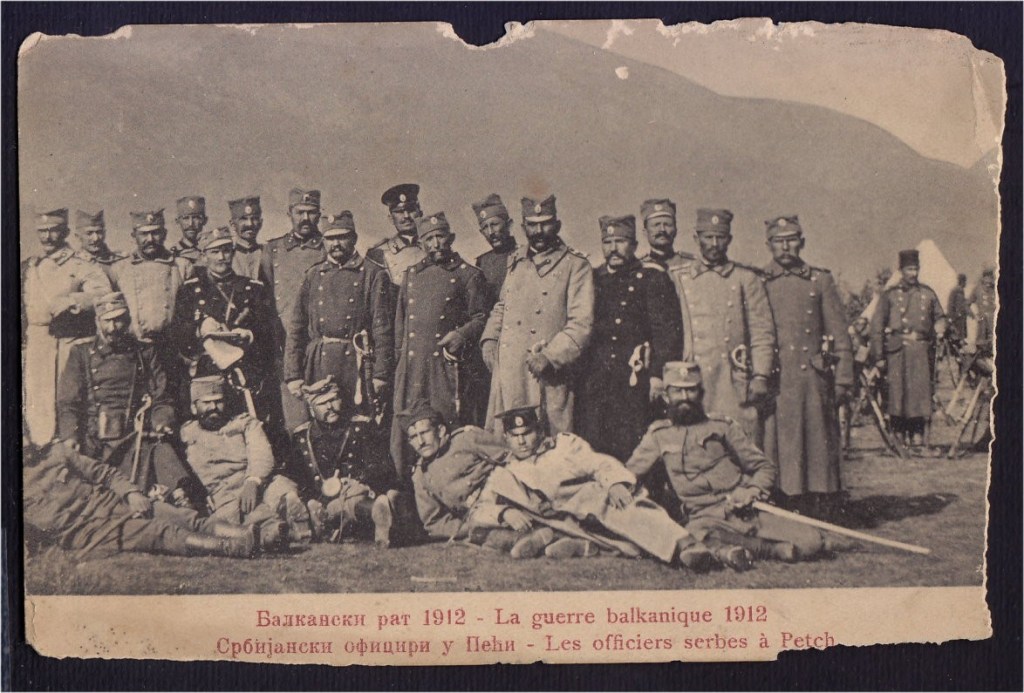
Between 1912 and 1923, the Greater Serbian empire known as “Yugoslavia” carried out various discriminatory policies against its non-Slavic inhabitants, going as far as using Serbian bands (komitadjis) to burn villages and kill civilians. In this valuable book from 1929 we can read the following:
“On the order of Matkovich, 75 people, including 14 women, were killed. On November 16, 1923, a Serbian gang set fire to the church of Klischarowo in the village of Presena, Kotschari district, set fire to 6 houses, dragged their owners to the village of Orizartzi, and killed them there. On November 20, 1923, the bandits set fire to two villages in the Kotschani district, burning 8 houses to the ground in Bela, and stealing household goods and livestock.”
“In the early years of Yugoslavia, the police exerted terrorist pressure on Hungarians to force them to leave the country. Yugoslav prisons were constantly overcrowded with Hungarian workers and peasants who were considered traitors.”
“Against these three nationalities, the Germans, Hungarians, and Romanians, the Greater Serbian regime pursued a policy of economic weakening and impoverishment”.
“When the Montenegrins attempted to resist the destruction of their independence, Serbian troops, along with the Montenegrin supporters of Yugoslavia, invaded Montenegro. This bloody campaign began at Christmas 1918 and resulted in several thousand acts of arson, the destruction of houses, livestock, and belongings, and the killing of a large number of people.”
“The “agrarian reform” was used in Kosovo to benefit the colonization and Serbization of this territory. Some colonies, consisting of Serbian and Montenegrin elements, were formed as an active part of the Serbization of Kosovo, for the purpose of assisting the government in terrorizing the Albanian population. Much of the feudal estate was acquired by Serbian capitalists”.
“Before the conclusion of the Balkan War against the Turks (1912), the Macedonian population suffered under the cruel measures of the terror orgies orchestrated by military authorities. Here are some examples of their actions:
On December 18, 1912, the teacher Anastasius Luteview was killed in the town of Prilep because he had expressed his sympathy for Bulgaria at one of the banquets held by the Serbian authorities on occasion for the Serbian national celebration”.
Commentary:
These accounts reflect the darker side of state-building in the Balkans, where ethnic homogenization was pursued through violence, coercion, and institutionalized discrimination. Rather than integrating diverse populations, the emerging Serbian-dominated state often relied on punitive measures to assert authority and reshape demographic realities. Such actions sowed deep resentment and long-lasting interethnic tensions that continued to shape Yugoslavia’s political trajectory throughout the 20th century. The examples illustrate how state policy, paramilitary violence, and economic restructuring combined to produce systematic marginalization of minority communities—a pattern that underscores the fragility of multiethnic coexistence when power is exercised without accountability.
Source
Die Lage der unterdrückten Völker auf dem Balkan 1929.

 Balkan Academia