
Summary
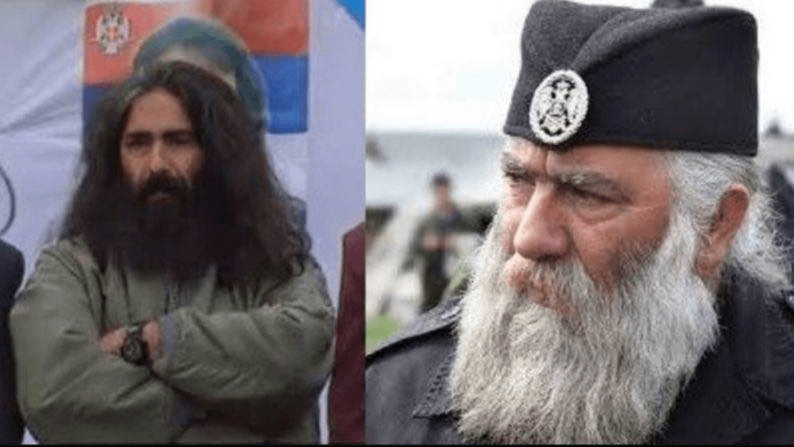
Slavko Aleksić was a prominent Chetnik commander associated with sniper operations during the 1,425-day Siege of Sarajevo (1992–1996), one of the longest sieges of a capital city in modern history. As leader of the Novo Sarajevo Chetnik unit, Aleksić was widely linked through testimonies and reports to systematic sniper and military terror against the civilian population, particularly from strategic positions overlooking the city. Despite persistent allegations of serious violations of international humanitarian law, he was never prosecuted or convicted by domestic or international courts. In recent years, his name re-emerged in connection with the “Sarajevo Safari” case, an investigation by Italian judicial authorities into claims of organized, paid sniper attacks on civilians. Aleksić’s death has reignited public and scholarly debate on impunity, delayed justice, and the unresolved legacy of war crimes committed during the siege, which left profound human, psychological, and urban consequences for Sarajevo and Bosnia and Herzegovina.
Bosnian Serb criminal and murderer Slavko Aleksic, known as the commander of the “Safari Sarajevo” sniper unit from 1995 until his death, was never convicted and never held accountable in any court for the crimes committed by his Chetnik unit during the siege of Sarajevo in 1992-1995.
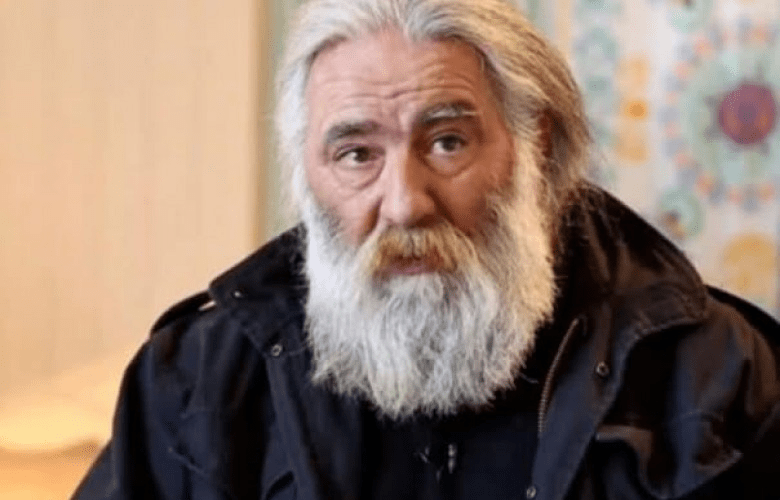
Slavko was known for killing defenseless Bosnian civilians and children with sniper rifles for payment from wealthy Italians. These monstrous crimes are now the subject of the Italian High Prosecutor’s Office who has opened an investigation.
Radio Dukagini writes:
Slavko Aleksić, known as the Chetnik vojvoda and one of the most contested figures of the war in Bosnia and Herzegovina, died today in Trebinje; commander of the paramilitary formation “Novosarajevski četnički odred”, his name is closely associated with snipers and terror against the civilian population during the 1425-day siege of Sarajevo, becoming a symbol of the fear and violence that accompanied this tragic period of modern history.
Informim writes:
Serbian Chetnik Slavko Aleksić, symbol of the infamous siege of Sarajevo, dies.
Slavko Aleksić, the infamous Chetnik voivode and commander of the paramilitary formation “Chetnik Brigade of Novo Sarajevo”, died this morning in Trebinje, Bosnia and Herzegovina, reports N1 in Sarajevo.
Aleksić, as N1 recalls, is one of the most controversial and infamous people associated with the war in Bosnia and Herzegovina and the long-term siege of Sarajevo.
Aleksić’s name in the public opinion of Bosnia and Herzegovina has remained forever linked to the period of the siege of the Bosnian capital, where he is remembered as a symbol of sniper and military terror against the civilian population. He is a person whose activity is considered one of the most controversial and darkest chapters in the contemporary history of Sarajevo and the state of BiH.
Born in the settlement of Bogdašići in 1956, Aleksić spent most of his life in Sarajevo, where he worked and studied law. In the late 1980s and early 1990s, he was actively involved in nationalist structures, and in 1990 he was among those who participated in the revival of the Chetnik movement in Sarajevo. That same year, he became a member of the Serbian Radical Party.
After the murder of his old brother-in-law in front of the Old Orthodox Church in Baščaršija on March 1, 1992, Aleksić assumed the role of commander of the “Chetnik Brigade of Novo Sarajevo”, whose headquarters were in Grbavica. During the war, he operated within the forces that participated in the siege of Sarajevo and is particularly associated with the demarcation lines in the area of Grbavica and the Jewish Cemetery, one of the heaviest and bloodiest points of confrontation between the army of Republika Srpska and the army of Bosnia and Herzegovina.
Never convicted
Formations under Aleksić’s command were present in positions from which the city was exposed to constant fire, while numerous civilian testimonies and allegations from various reports linked his units to attacks on the civilian population and the spread of fear among the inhabitants of Sarajevo during the multi-year siege. Although his name and activities are often associated with serious violations of the laws of war, Slavko Aleksić was never finally prosecuted before local or international courts.
During the war, he was wounded several times and, in addition to local units, also commanded a detachment of Russian volunteers in the then area of ”Serbian Sarajevo”.
After the NATO bombing and the signing of the Dayton Peace Agreement, in March 1996 he led the withdrawal of Serbian forces and part of the population from Grbavica, and participated in the symbolic acts that then accompanied the evacuation of Sarajevo neighborhoods.
After the end of the war, Aleksić retreated to eastern Herzegovina, mainly to the area around Bileća, where he continued his political and ideological activity through Chetnik and Ravna Gora organizations. He regularly participated in rallies of a radical and revisionist nature, where the events of the war and his personal role during the siege of Sarajevo were often glorified.
“Sarajevo Safari” and the volunteer Aleksandar Vučić
In recent years, his name has reappeared in public opinion in the context of the investigation known as the “Sarajevo Safari” case, which is being conducted before the judicial institutions in Milan and is related to allegations of organized sniper activity against civilians in besieged Sarajevo.
Some regional media outlets also linked this case to the current president of Serbia, Aleksandar Vučić, who was a volunteer in Aleksić’s unit during the war. Vučić responded to the accusations by saying that he “never had a sniper or a rifle” and that he had been sent to Pale “exclusively as a journalist, because he knew English”.
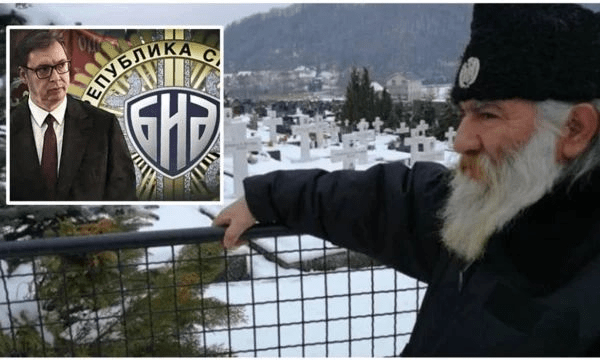
The Siege of Sarajevo
The death of Chetnik voivode Slavko Aleksić has reopened the issues of responsibility, unpunished crimes and the attitude towards the legacy of the Siege of Sarajevo, one of the most difficult periods in the recent history of Bosnia and Herzegovina, emphasizes N1.
The Siege of Sarajevo lasted 1,425 days, from April 5, 1992 to February 29, 1996, and is considered the longest siege of a capital city in modern history, while snipers were one of the main instruments of terror.
For almost four years, the city was completely surrounded by the forces of the Army of Republika Srpska, exposed to daily shelling, sniper fire and systematic terror against the civilian population.
According to data from relevant institutions and research centers, during the siege of Sarajevo, more than 11,500 civilians were killed, including over 1,600 children. Tens of thousands of citizens were injured, while the entire population lived without basic living conditions – without regular water, electricity, heating and safe movement.
Sniper activity, especially on busy city streets, bridges and entrances to schools, markets, and hospitals, became a daily occurrence, for which Sarajevo was described by international opinion as a city under constant terror.
The International Criminal Tribunal for the former Yugoslavia has found in several decisions that the siege of Sarajevo represented an organized campaign against the civilian population, with the aim of spreading fear and coercion, which was qualified as a war crime and a crime against humanity.
The siege has left profound demographic, psychological and urban consequences, while the name of Slavko Aleksić in the public discourse in BiH is associated precisely with this form of war crime and in Sarajevo is remembered as a symbol of sniper terror.
LBC writes of a “mysterious death”
“A key witness in the Bosnian “human safari” investigation has died in mysterious circumstances before the probe could be completed. Slavko Aleksić, 69, a former militia leader who once commanded sniper positions overlooking Sarajevo during the 1990s siege, was found dead in Trebinje, Bosnia, according to the government news agency.
The investigation was revived after claims that wealthy foreign tourists paid up to £70,000–£88,000 to travel to Sarajevo during the siege and shoot innocent civilians for sport, including children. These allegations were raised in the 2022 documentary Sarajevo Safari and subsequently drew the attention of Italian prosecutors.
Lawyers and journalists involved in the case said Aleksić “would have been a crucial witness” because he had knowledge of snipers traveling to Bosnia in the 1990s. Some commentators have described his sudden death as “very convenient.”
Investigators are looking into the claims as part of the so-called “Sarajevo Safari” or “sniper tourism” probe, which alleges organized sniper activity targeting civilians by both local combatants and foreign participants during the 1992–1996 Siege of Sarajevo.
Calls have been made to halt Aleksić’s burial and order a forensic autopsy to determine if foul play was involved, with some sources suggesting links to intelligence services—claims that officials have denied.”

 Balkan Academia