
Marin Mema says in a documentary from 2022 that Nish was in fact inhabited by a majority Albanian population in 1878. Many villages like Arbanash, Grguri, Cungula, Berbadoc, Muzhaq, Katun, Kastrat, Zhuzh, Kalludra and Konjufcë were all Albanian. Iironically, the very start of the documentary begins with a Serbian interrogation.
Already at the Serbian border, Marin Mema is questioned and asked to leave the car by Serbian police. For 20 minutes Marin Mema and his crew were held, until they were allowed to leave.
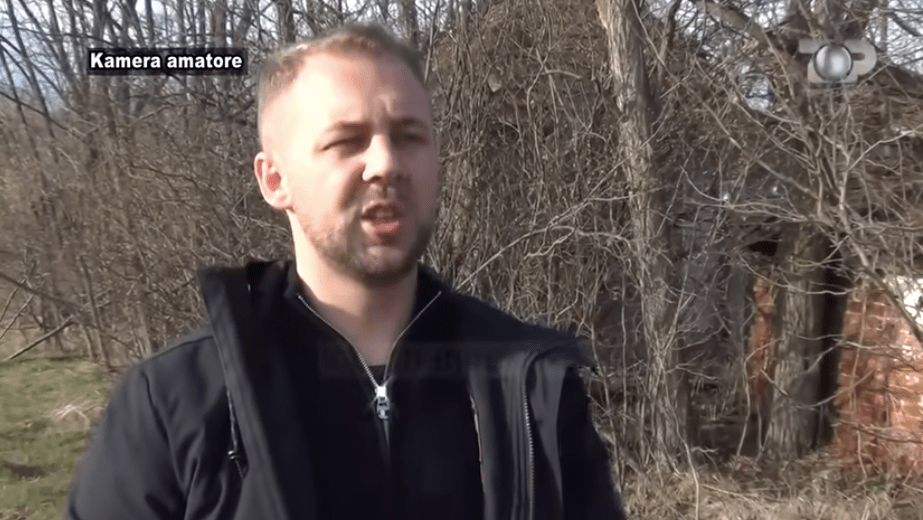
Mita Rakic, Serbian author who travelled to the Albanian villages of Nish, writes that he found desolated villages after the Serbian army had entered in 1878.
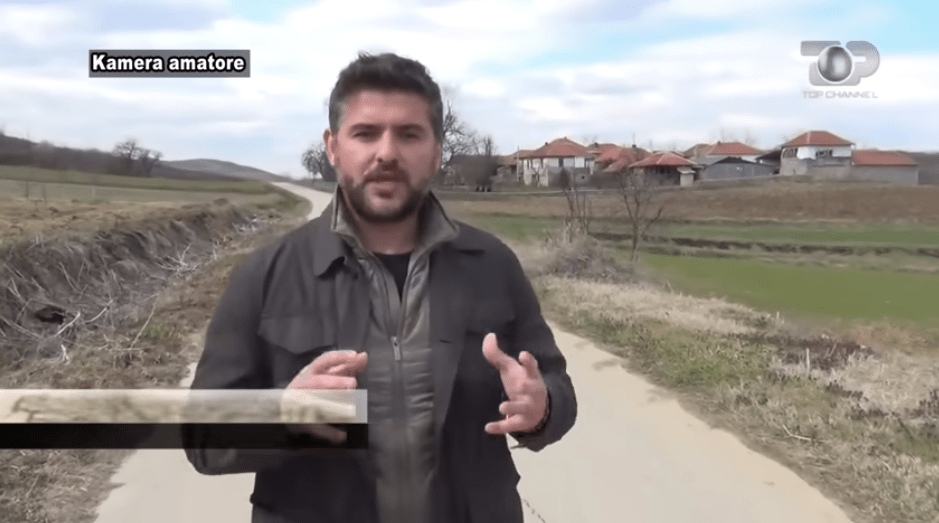
Marin Mema says that around 300,000 Albanians were expelled from Nish, Toplica and Kurshumlia, and 70,000 were killed during the Serbian ethnic cleansing of the Albanians.

A Serb from the village of “Arbanash”. The reporter asks what “Arbanash” means and if Albanians lived here, and the local says that the village was inhabited by “Turks”.
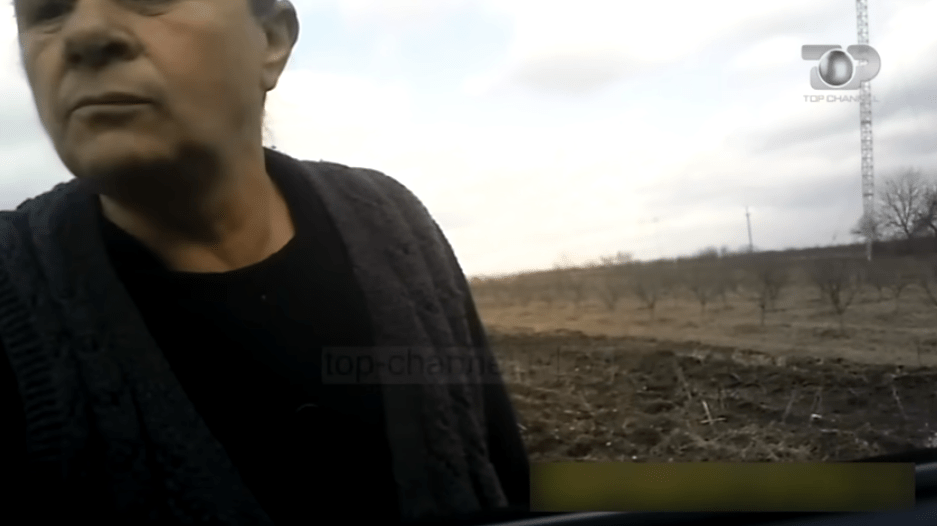
A Serbian woman asked what “Arbanashi” means, and if Albanians lived here once, and she says she doesn’t know.
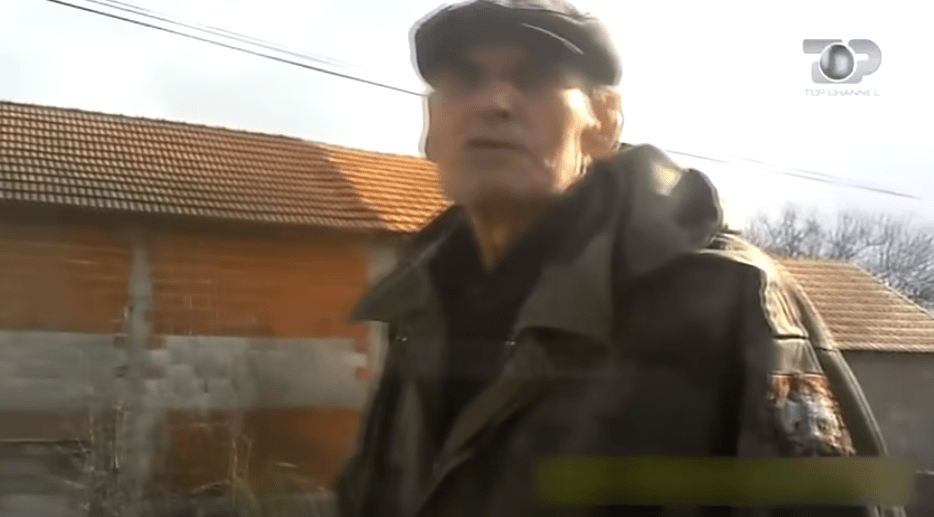
A Serbian elderly is asked if Albanians lived in the village of “Arbanas”, and he says that its a Turkish name.
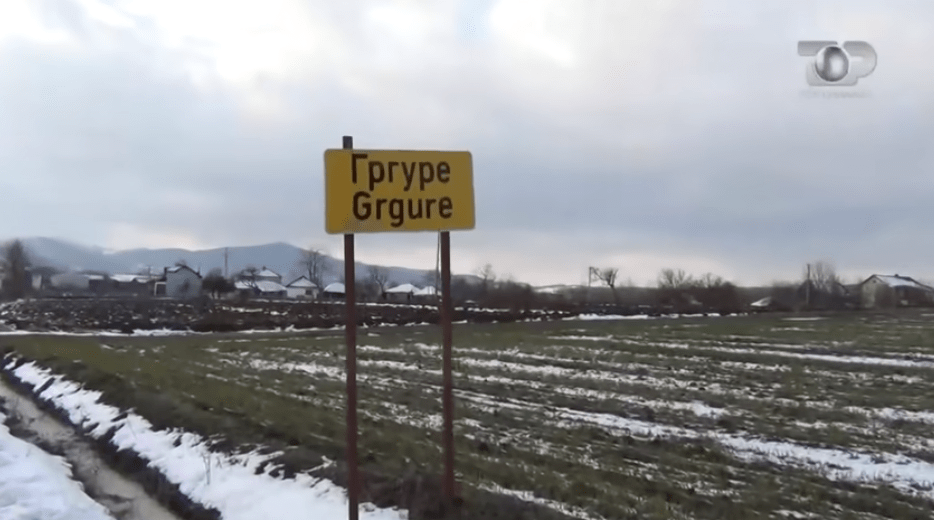
The village of Grgure, a region with 88 Albanian houses in 1878, today inhabited only by Serbs.
A Serb local of the village admits that 100 years ago most the villages around Grgure were inhabited by Albanians.

Not far away from Grgure, the villages of D. Cungula were also inhabited by Albanians.
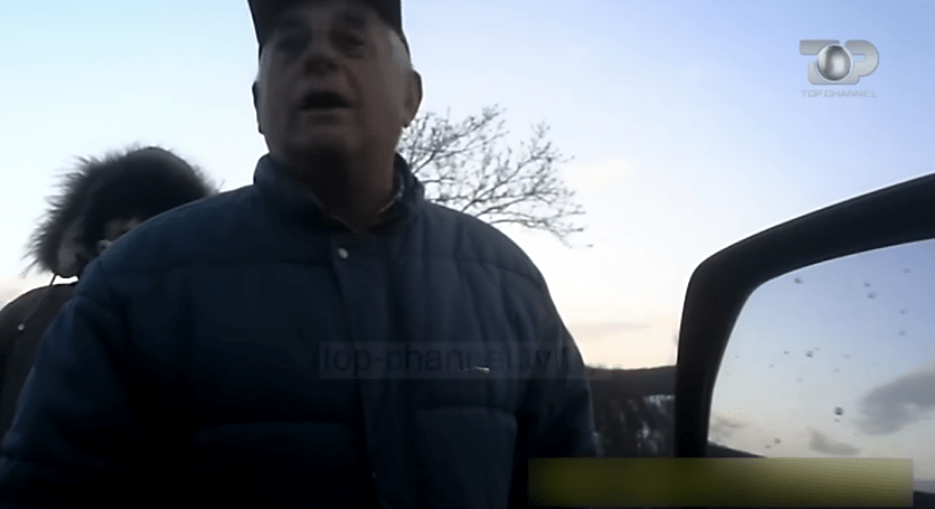
A local of Cungula states that in Berbadoc, Muzhaq and Grgure many Albanians lived in the villages.

Another village inhabited by Albanians was Kalludra, a name that exists today among Albanians of Kosovo.
Mita Rakic, Serbian author of the era, states that Albanians lived in Kurshumli.
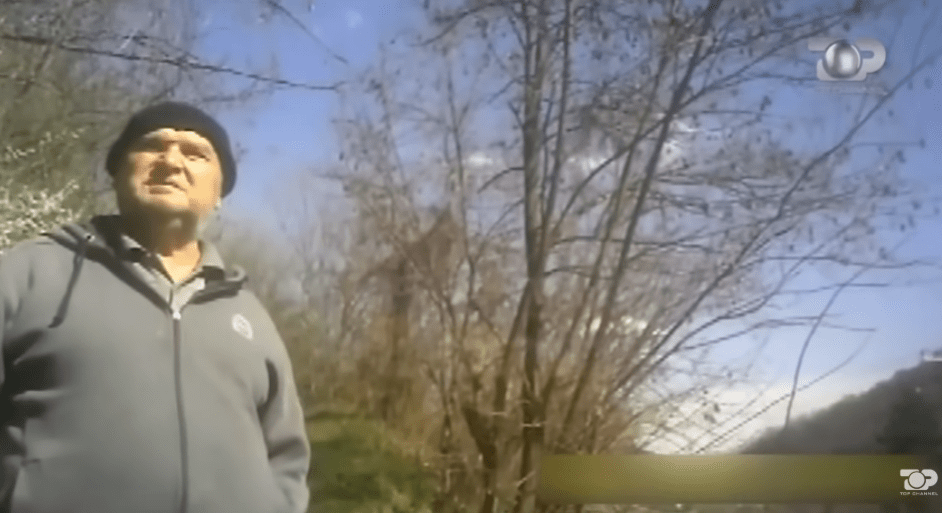
Local of Kurshumli says that close to the region the village of Konjufc was inhabited by Albanians.

The Albanian onomastic and toponym “Kastrat” in Kurshumli.

In Kastrat, 31 Albanian houses were registered in 1878. In the documentary, Marin Mema states that today only a sign is left showing the Albanian history of the region. Researcher Florent Hasani says that the Serbian authorities ordered that even the graves of Albanians be destroyed to wipe out all Albanian cultural heritage of Kurshumli and Nish.
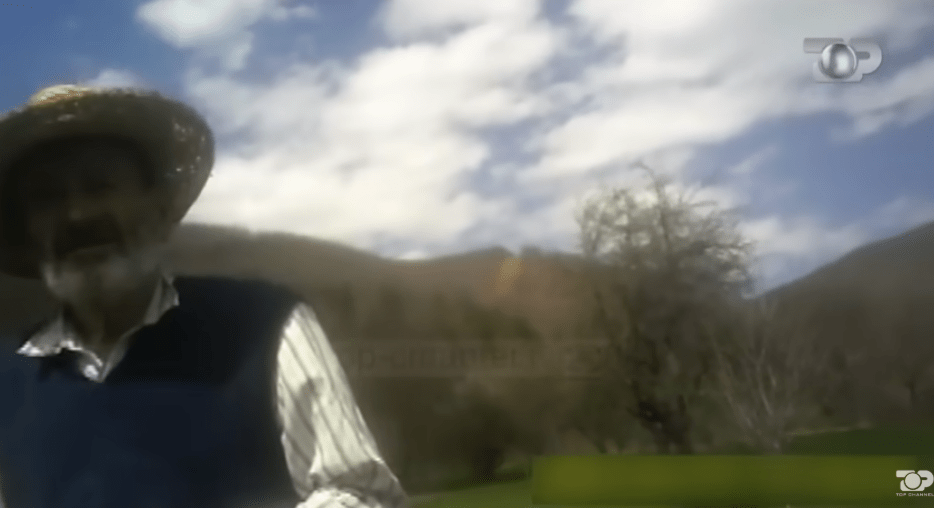
A local Serb of Zhuzh of Toplica is asked what “Zhuzh” means. The local says that he doesnt know if Albanians lived here. Ironically, the local says that his family came as settlers from Kolashin, also an Albanian region.

Another local states that Albanians lived from Toplica all the way to Leskocë.
The crew travels to Molla e Kuqe (Albanian for “Red Apple)

Marin Mema at the “Katun” village of Aleksinac, meaning “border” in Albanian.
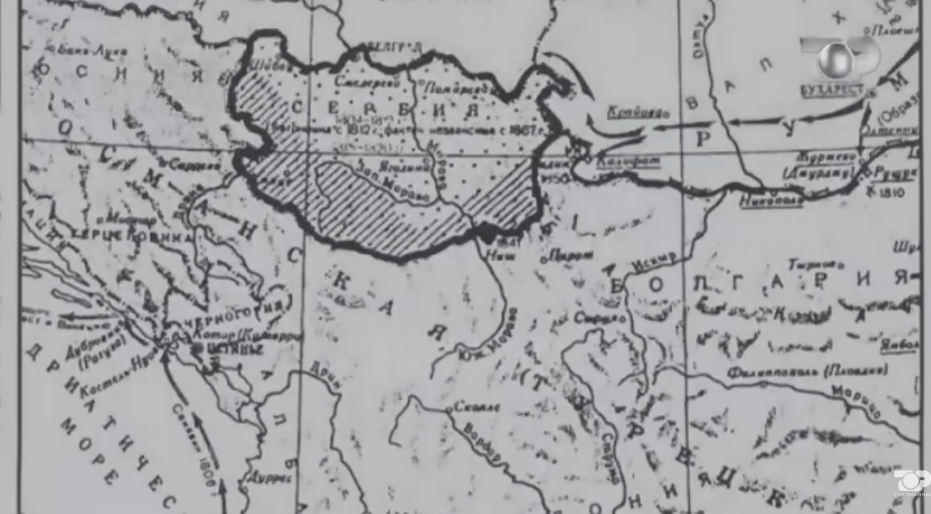
A map of Serbia in 1877 before its expansion on Albanian territories.
Reference

 Balkan Academia