
According to Marin Memas documentary from 2024, during the last century, Rozhajë was a city with an Albanian majority. Today, the city has only 5% Albanians. This due to Serbo-Montenegrin violence, assimilation and oppression for the past 100 years. Out of 29,000 inhabitants in the city, only 5% are considered Albanian. The rest are registered as Bosniaks and other groups. Today, many locals of Rozhajë learn Albanian in the city.
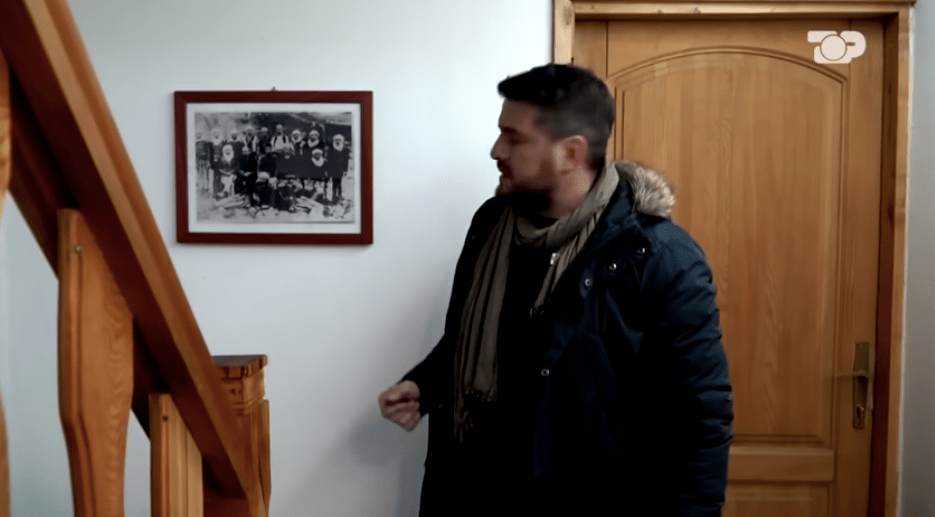
Albanians with plis (qeleshë) in a museum of Rozhajë.

Albanians of Rozhajë.
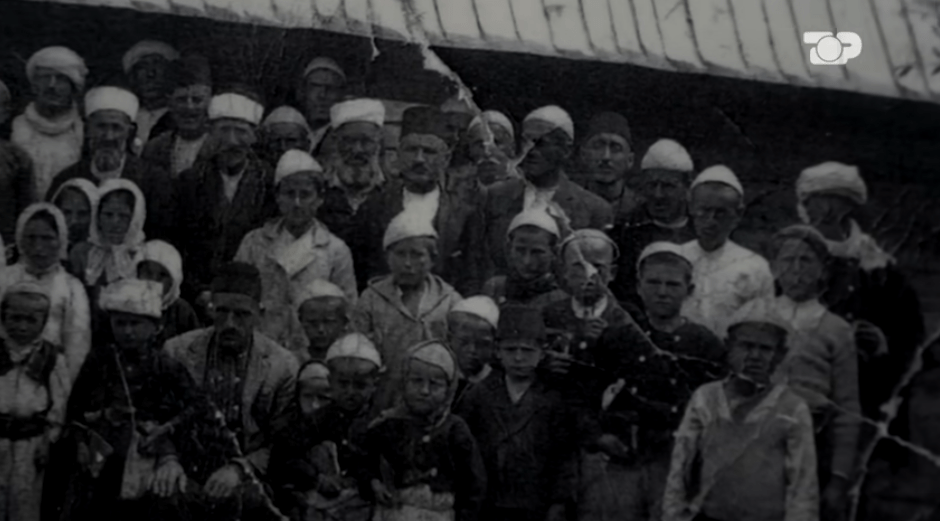
Albanian children in Rozhajë.
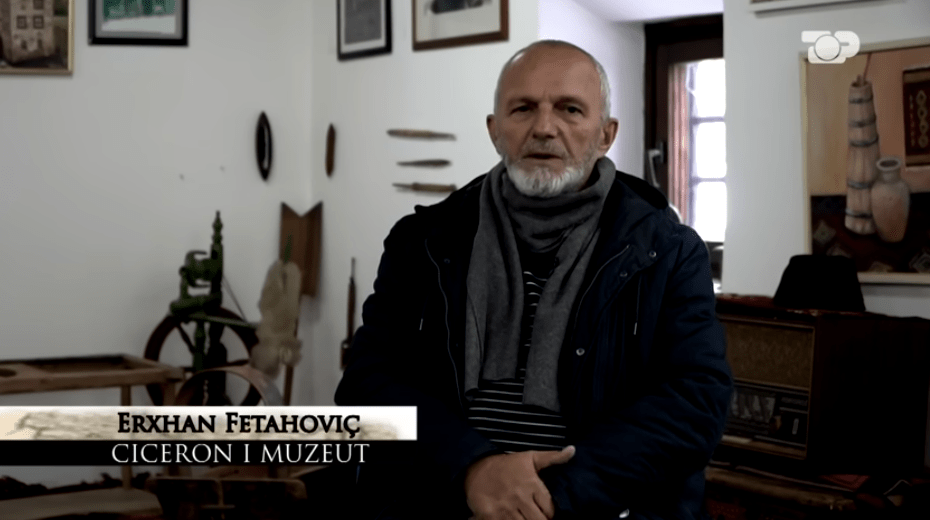
Erxhan Fetahovic, “Bosniak” of Albanian origin.
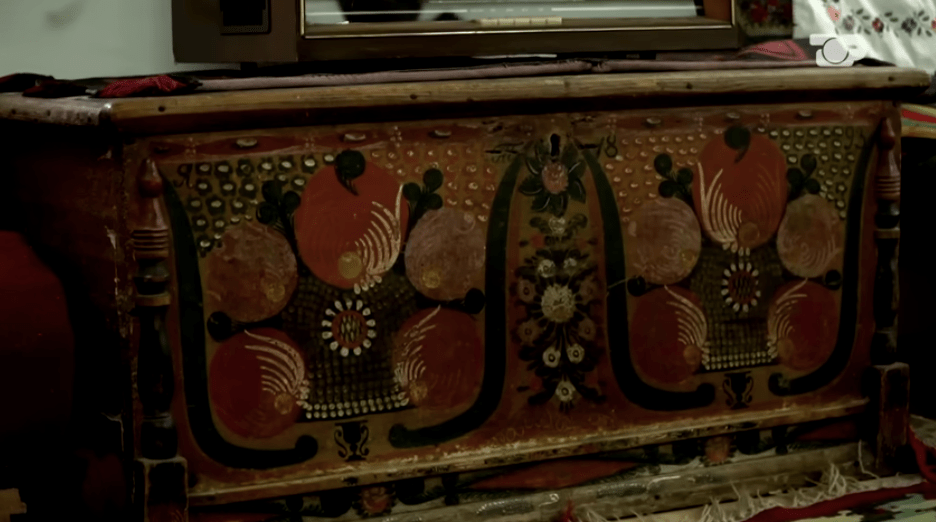
Erxhan explains in the documentary that the Serbian authorities of Belgrad took many artefacts of Albanian origin in Rozhajë in the 1970s.
Denial of Erxhan Fetahovic
In the interview Erxhan Fetahovic, working in the museum, states that despite the fact that the people in the photos wear Albanian dress, he considers them to be “Bosniak”. This is, according to Marin Mema, a consequence of the Bosniafication of the Albanians of the region.
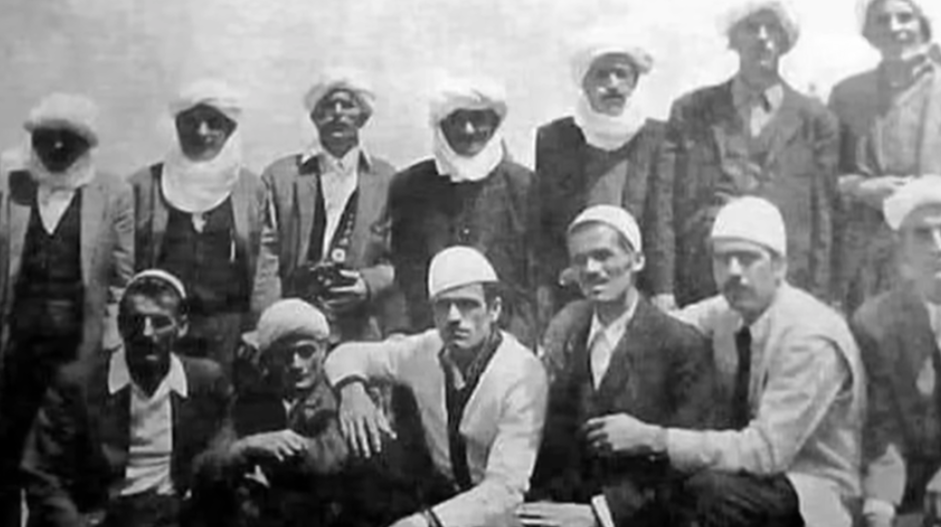
Albanians of Rozhajë.
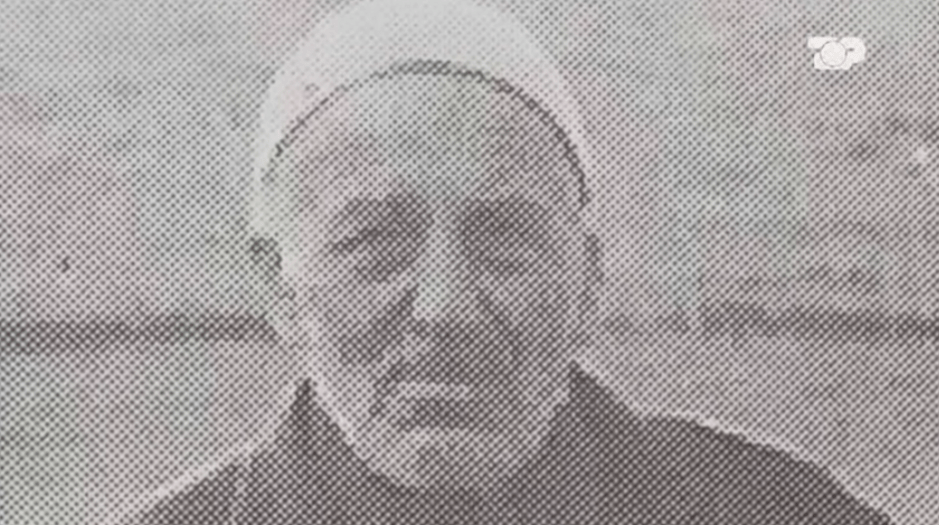
A Bosnian senior citizen states that his father (living some time in the 1930s-1950s) would always wear the Albanian plis.
The big tribes of Rozhajë are Koshuta, Pllunac and Shalic (Alb. Shala) who all seem to have Albanian origin
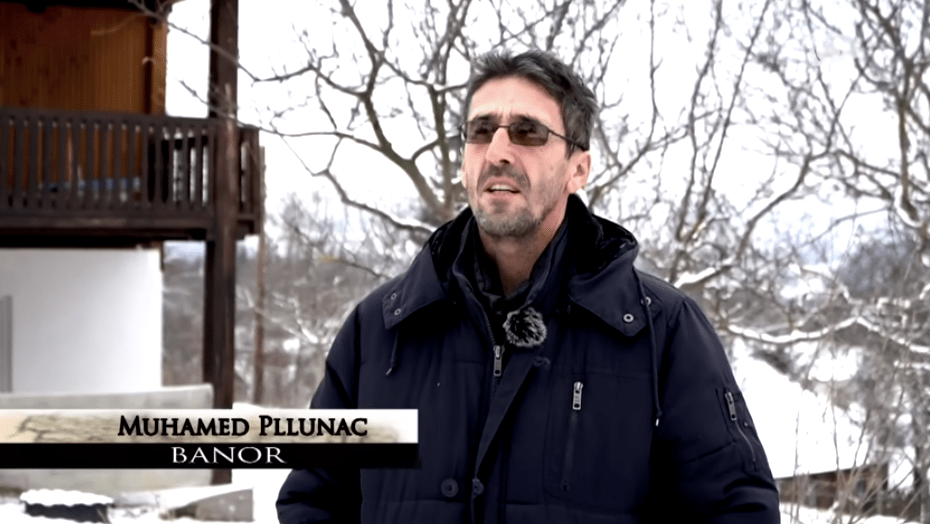
Muhamed Pllunac from the Albanian Lajci tribe, who considers himself as Albanian.
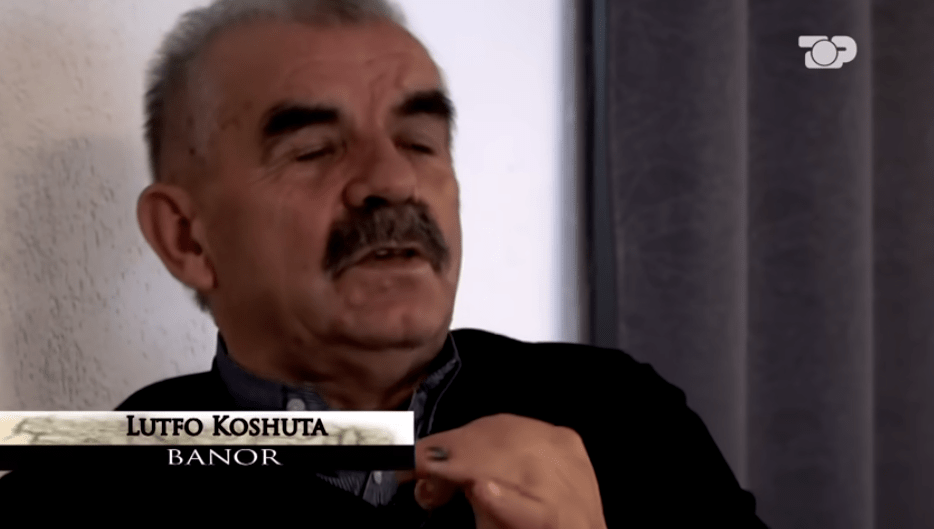
Lutfo Koshuta, a local of Rozhajë who derives from Koshutan of Rugova. His grandfather dressed in Albanian Rugova dress and spoke perfect Albanian.
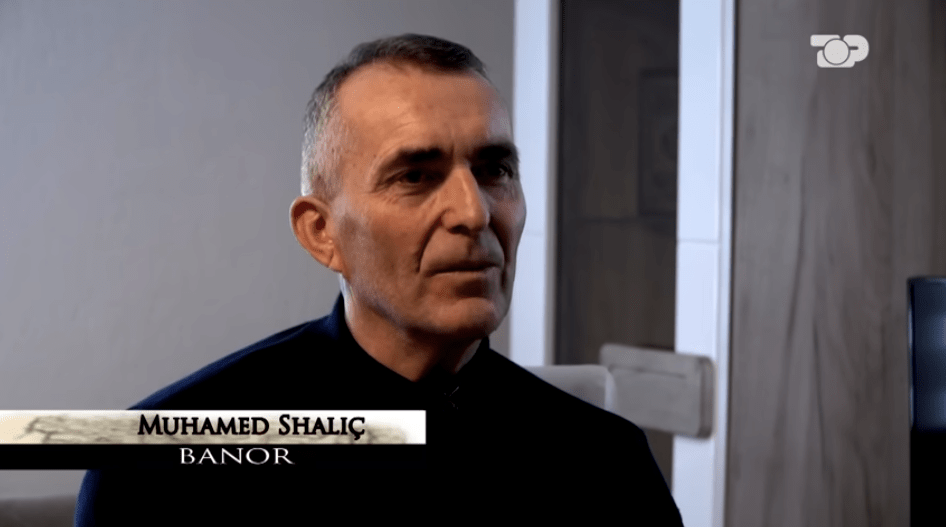
Muhamed Shalic (Shala) states that they had to become “bosniaks” to survive.

Turkish statistics from 1908-1909 shows that Rozhajë was 90% inhabited by an Albanian population.
The Serbian and Montenegrin massacres of the Albanians of Rozhajë between 1919-1924
Over 1,300 Albanians were killed during these years, and 200 houses were burned. Many Albanians had to flee Rozhajë, and others accepted Slavic assimilation.
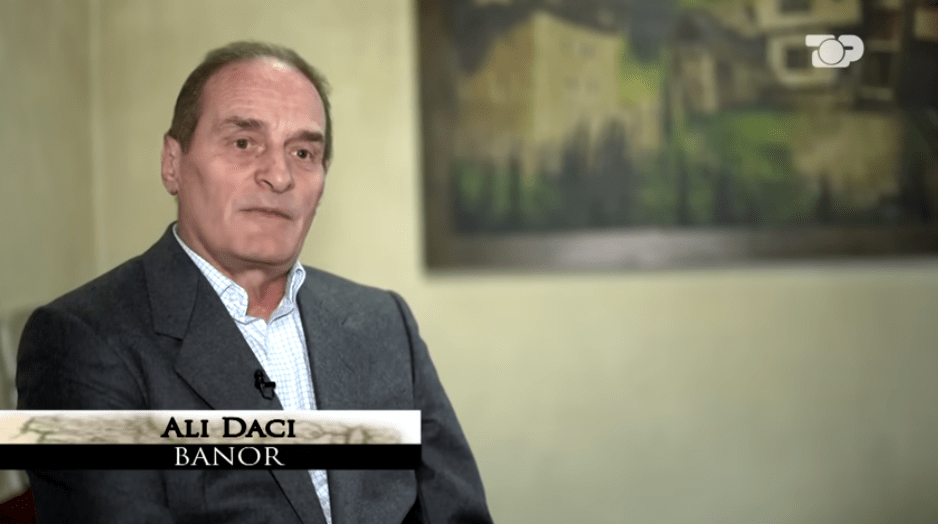
Ali Daci, local of Rozhajë, states that Rozhajë was inhabited for centuries by Albanians of Kelmendi and Kuci. In 1878, the Albanians of Rozhajë fought in the defense of Plav and Gucia against the Montenegrin invaders.
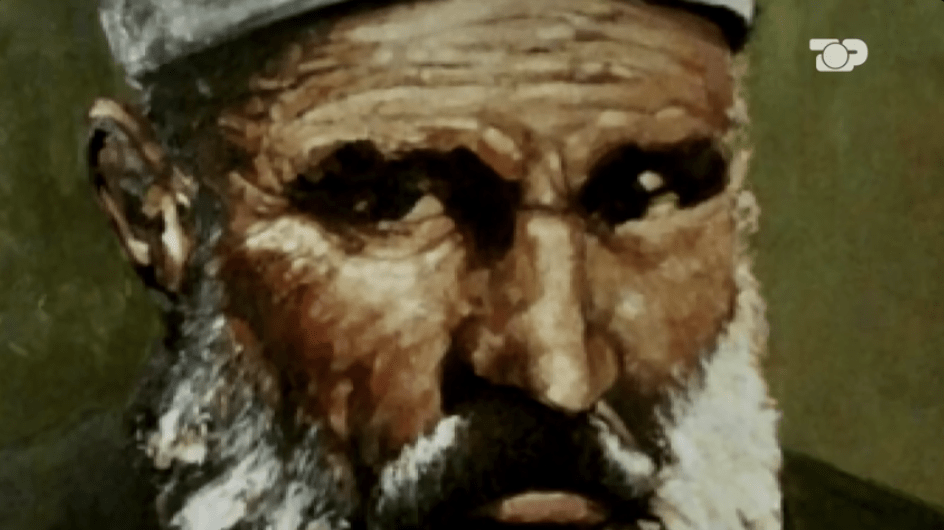
Mulla Jakupi was from Rozhajë who had many Albanian fighters around him.

Descendant of Mulla Jakupi.
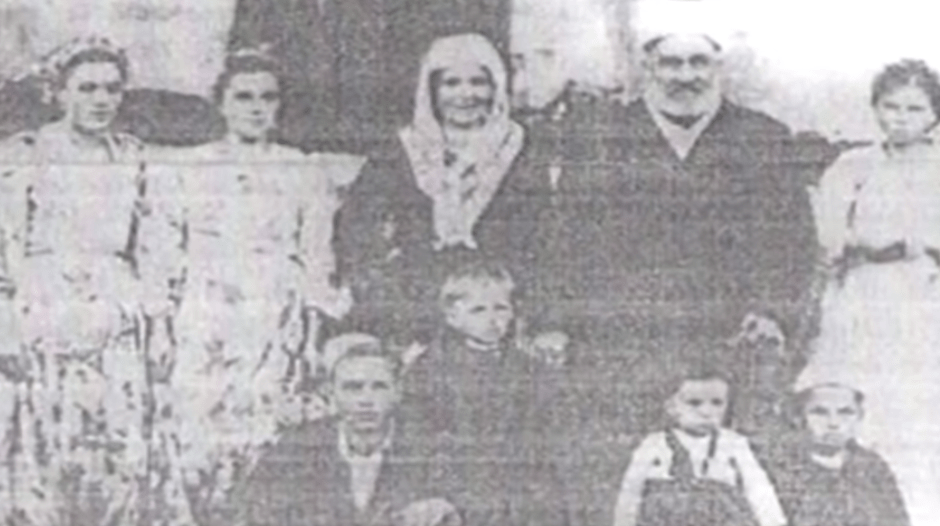
Adem Kurtaga, Qazim Kurpeja, and Mulla Jakup Kombi organized the Albanian defensive forces during World War 2.
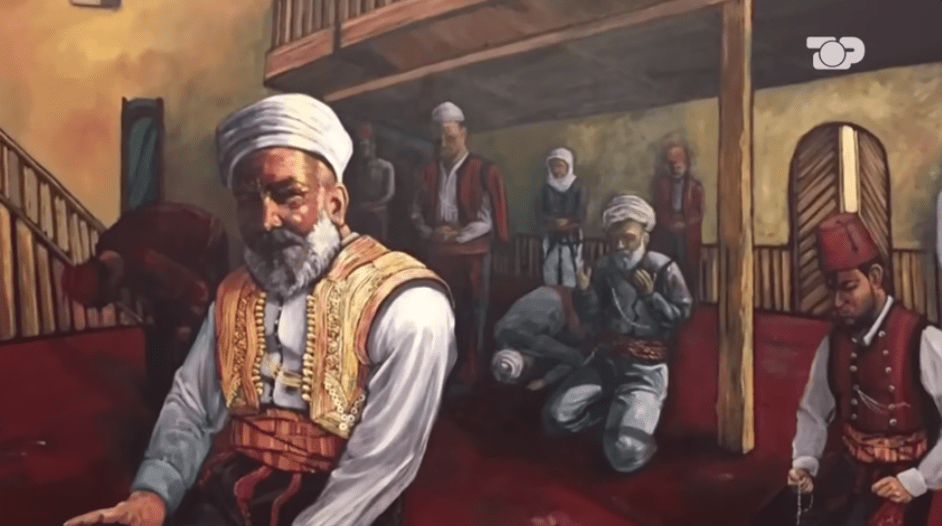
Mulla Jakupi was shot in the back by Serbian Chetniks in 1945.
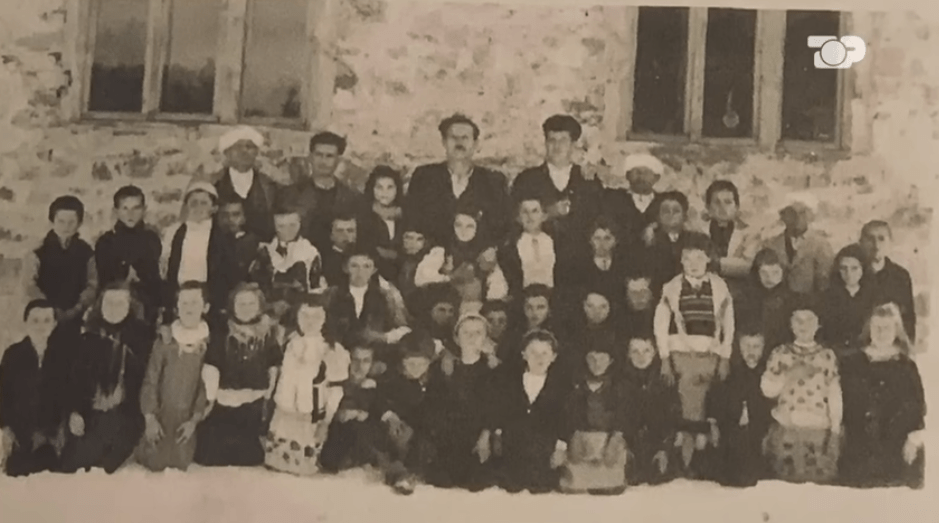
In 1913-1914 schools were opened but only in Serbo-Montenegrin, which forced Albanians of Rozhajë to keep their children home. During the Austro-Hungarian regime in 1916-1918 schools were opened in the Albanian language. After World War I, the Serbs closed them down again.
In 1943, an Albanian school was opened in Dacaj. The school was closed down again 2 years later by the Yugoslavs. In 1945, the Yugoslavs opened school in Serb. In 1962 an Albanian school was opened in the village of Buxhov, and in 1967 one school was opened in Dacaj.

Hysnie Haxhic, speaking Albanian, states that her grand parents spoke Albanians, and were from the village of Vukel.
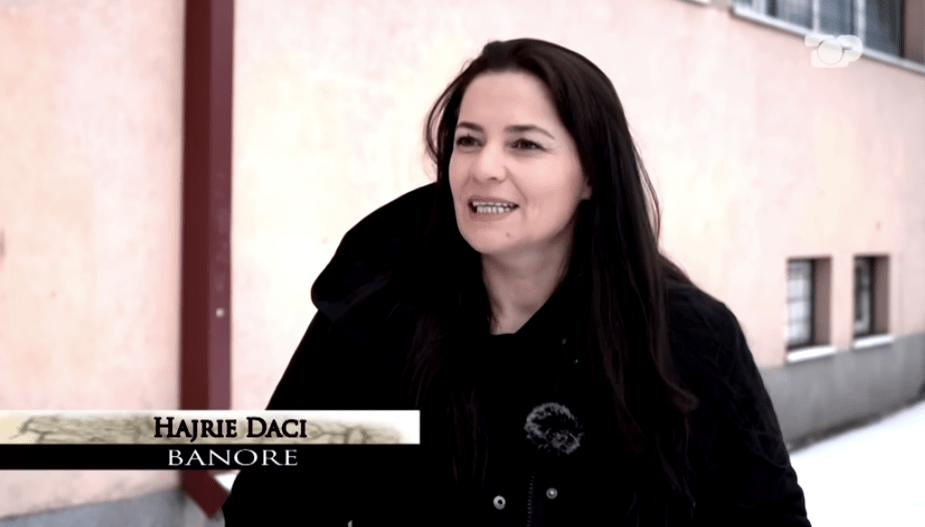
Hajrie Daci, a local, speaking Albanian, says that she sends her children to the school of Daci.
The schools personel has a wish that the number of students increase, and that support and funding increase.
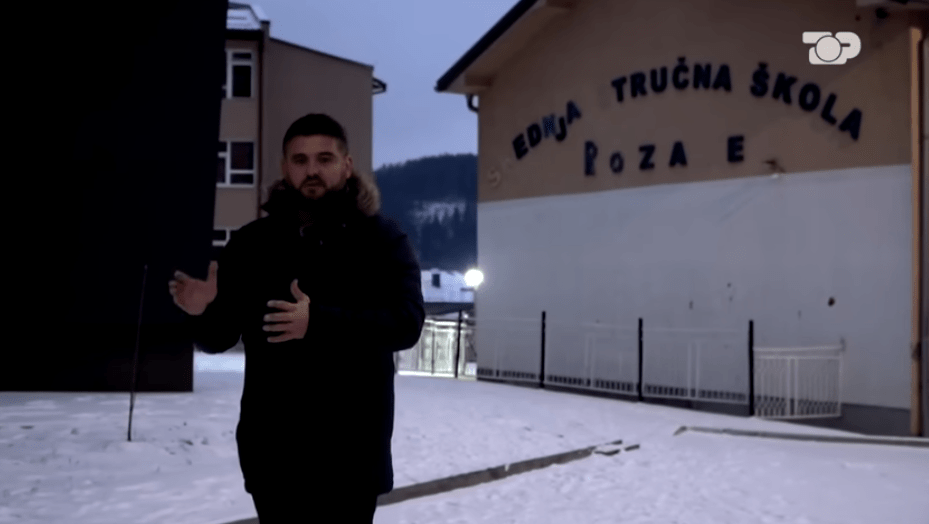
Marin Mema states that the Serbian schools are large and modern, while the Albanian “schools” are small and badly equipped, equating it to the old Serbian oppression of Albanians, which continues to this day with economical means.

Feride Lajci, Albanian of Rozhajë, states her father told her that they would maintain the Albanian language. She says that her grandfather wore the plis.
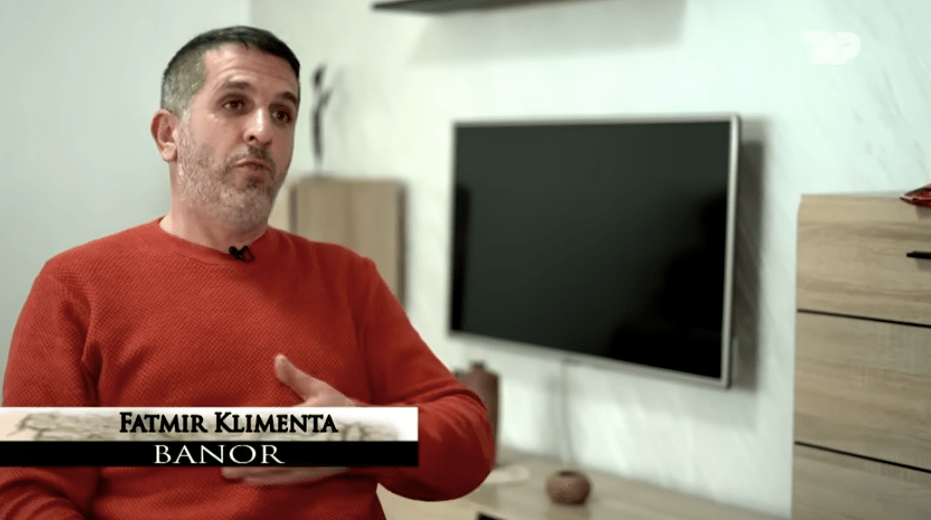
Fatmir Klimenta says that he derives from the Kelmendi family of Selcë of Malesie e Madhe. The Albanians of Rozhajë were assimilated due to the intermarrying with Bosnian women. The Serbian authorities changed the name “Kelmendi” to “Klimente”. The Albanians family name of Rexha was changed to “Rexhic”.
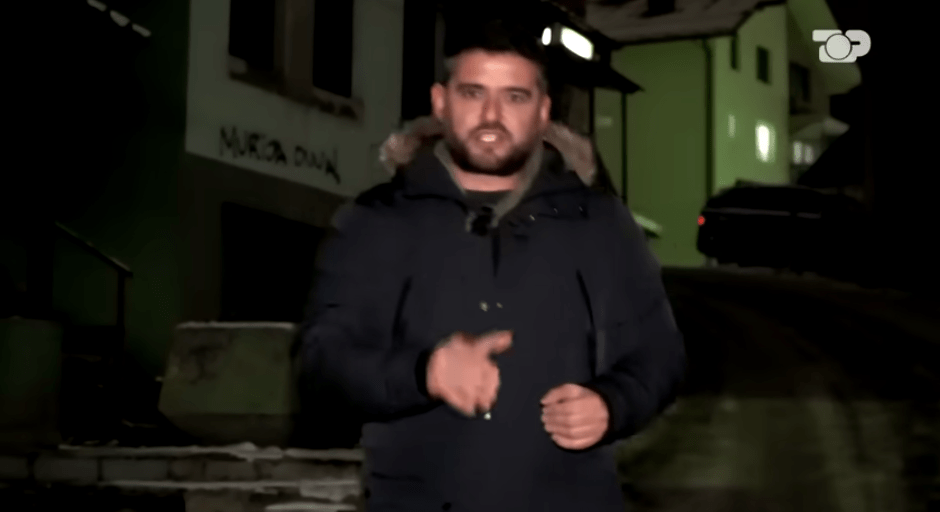
Marin Mema travels to Bralaj, 15 km outside of Rozhaja
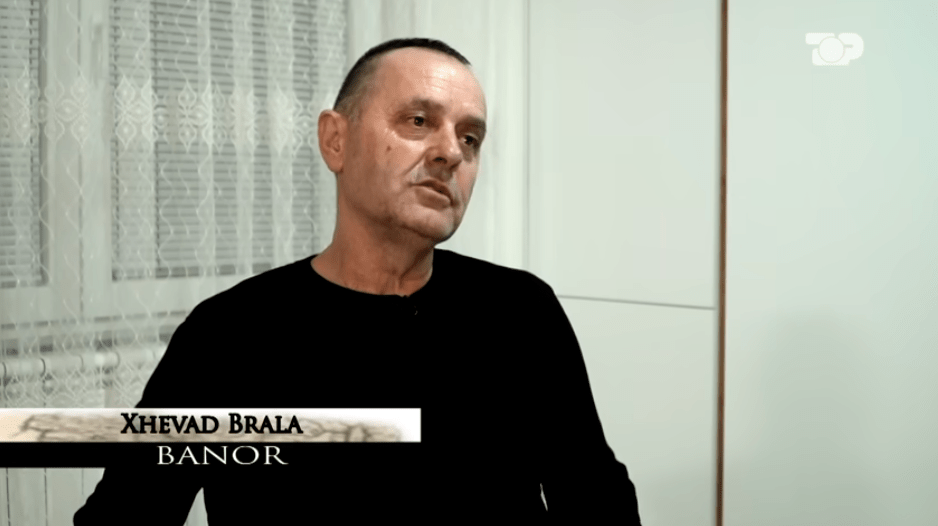
Xhevad Brala says that the locals of Brala declares themselves as Albanians, but the language was difficult to maintain. He states that the Serbian authorities actively made sure to allow the roads to deteriorate, hoping that the Albanians of Bralaj would leave.
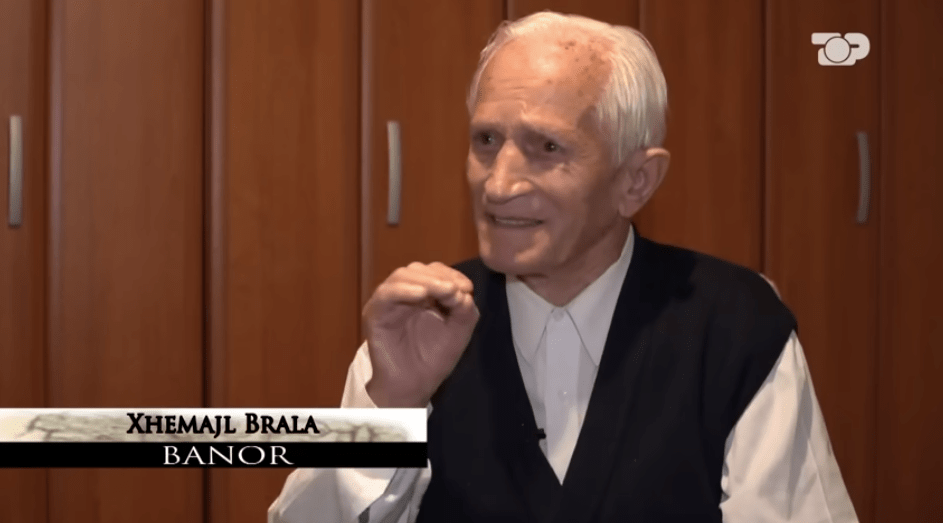
Xhemajl Brala states that up till 1945 the locals of Brala would wear Albanian dress and plis. He states that the Bosniaks and Albanians in Rozhajë is one people.
See the documentary here

 Balkan Academia