
Summary
The article documents the Serbian massacres and atrocities committed against Albanian civilians in Studime and Vushtrri (Kosovo) in May 1999, during the Kosovo War. It describes how Serbian military, police, and paramilitary forces targeted fleeing civilian populations as part of a broader campaign of ethnic cleansing against Kosovo Albanians.
Civilians traveling in convoys—many of them women, children, and elderly—were stopped, surrounded, robbed of their belongings, beaten, and systematically executed. Eyewitness testimonies recount summary executions at close range, with victims shot in the head or chest after being separated from the group. Entire families were killed, and bodies were left along roadsides and in fields.
The article provides detailed survivor accounts and names of victims, emphasizing the deliberate and organized nature of the killings. It reports that over 100 Albanian civilians were murdered in the Studime–Vushtrri area during this period. Additional atrocities described include the execution of eight Albanian girls and the massacre of the Gërxhaliu family later in May 1999.
Responsibility is attributed to Serbian state forces, including police units, paramilitaries, and armed civilians, with some perpetrators identified by name. The events are placed within the wider context of the Kosovo War, during which Serbian forces carried out widespread killings, expulsions, and destruction of Albanian communities.
The article frames these acts as war crimes and crimes against humanity, stressing the importance of remembrance, documentation, and accountability.
In a documentary from 2024 Marin Mema discusses the Serbian troops attacks on the Albanian UCK-fighters of Studime, Vesekofc, Skoqës, Sllakofcë and Samadrexhë. The Albanian brigands were surrounded by the Serbs. To save the civilians, the UCK retreated from the regions. Later, the Serbs cowardly began massacring the Albanian civilian population.
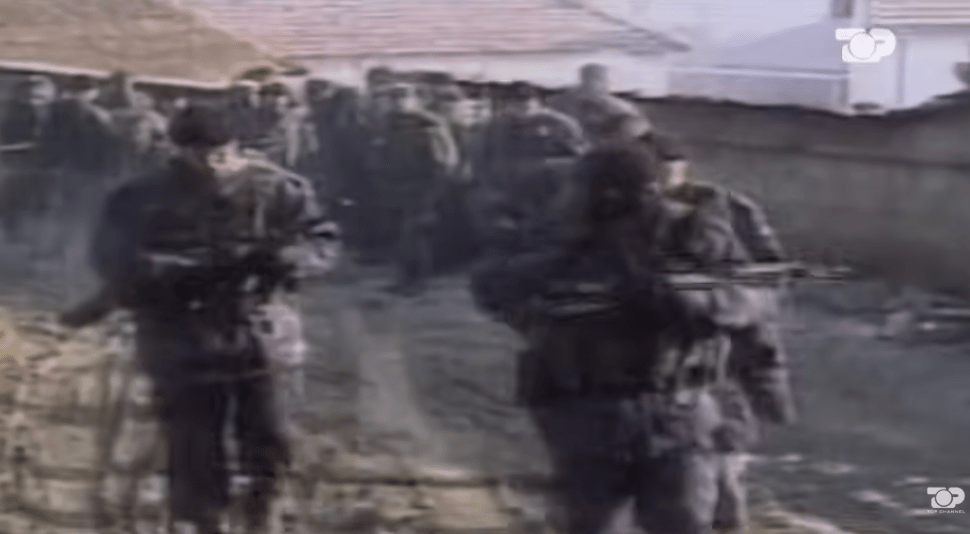
Armed serbs.
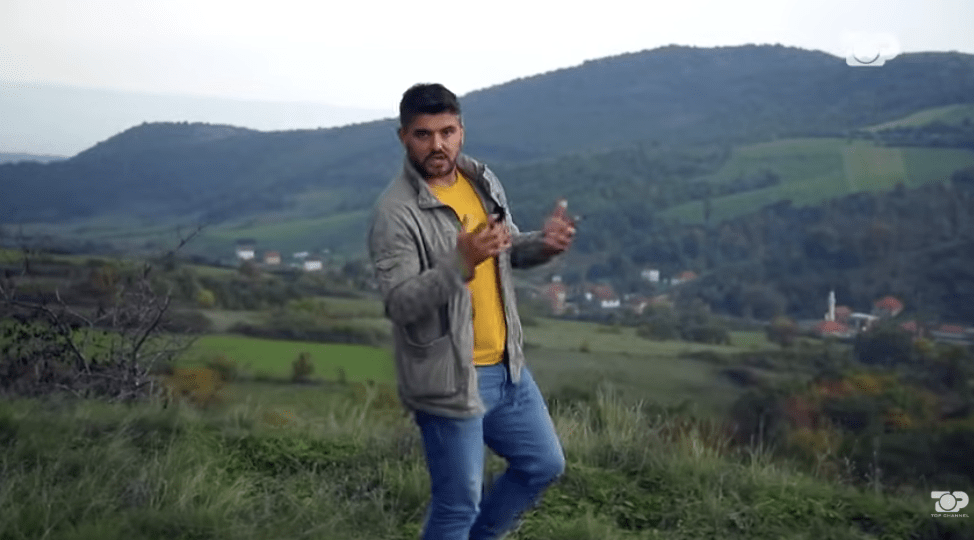
Marin Mema states that in this region a group of Albanian civilians arrived in this region. The Serbs then surrounded the region and massacred the entire group of civilians, one of the most barbarric atrocities of our time.
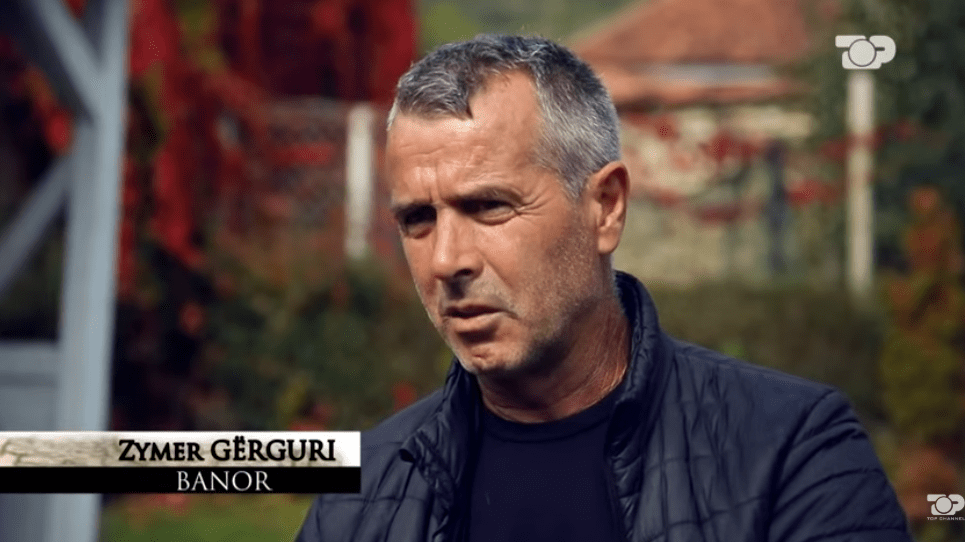
Zymer Gërguri says that the Serbs plundered the civilians, and killed 2 of his relatives. He witnessed three Albanians being executed. The names of the murdered: Enver Gerguri, Namun Gerguri, and Agim Gerguri, members his of family.
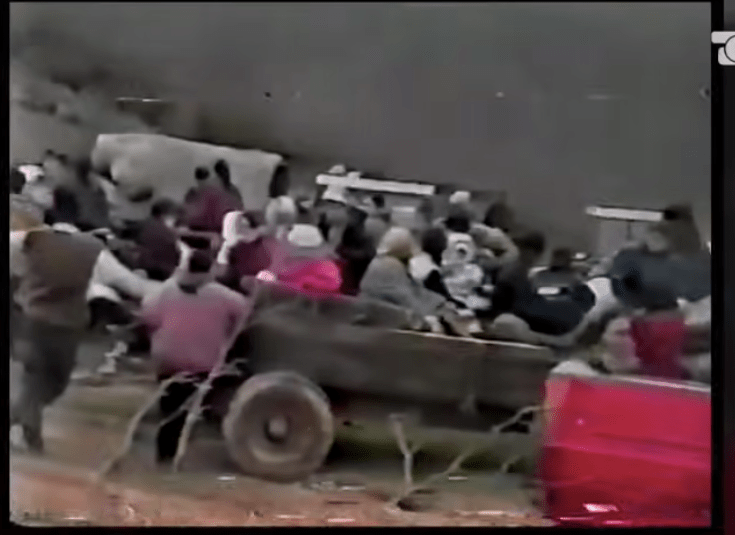
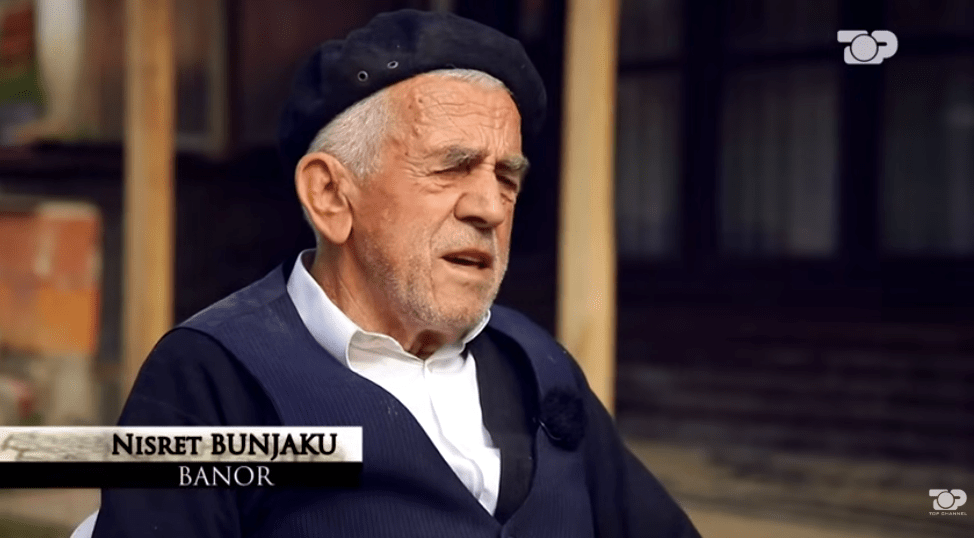
Nisret Bunjaku says that the Serbs killed mostly young men by flashing their flash light on them, and if the boy seemed to be brave, he would be killed on the spot.
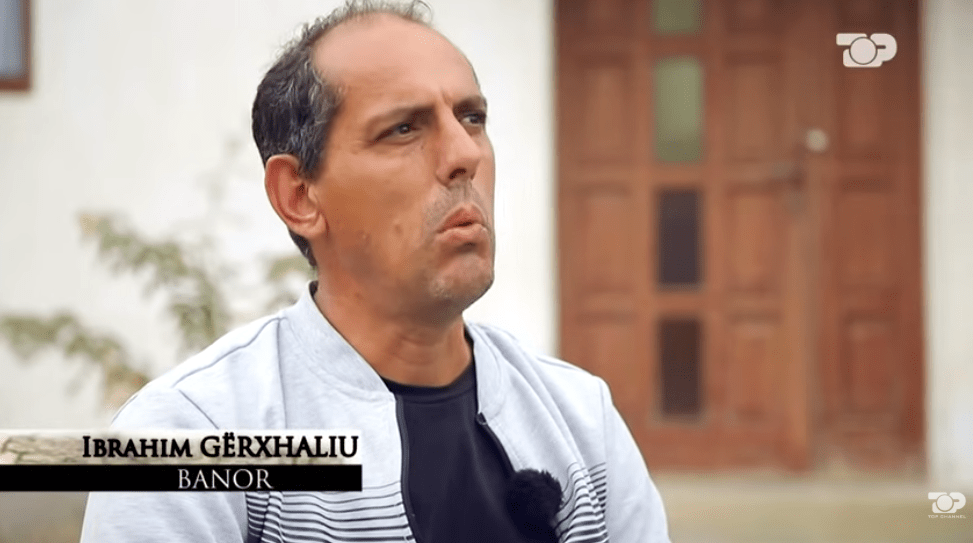
Ibrahim Gërxhaliu says that the Serbs first plundered the civilians and then massacred them. He says that the Serbs killed his father, brother and 3 of his nephews, by shooting them in the head. His brother was shot in the chest twice.
The Serbian forces plundered all the houses and stole furnitures. Some were allowed to leave, and others were murdered. The numbers of killed Albanians rises above 100.
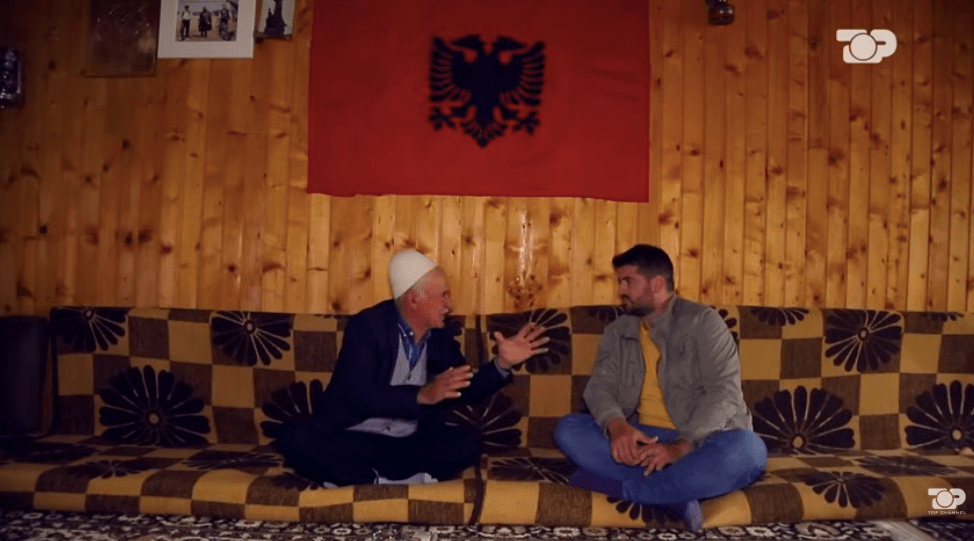
This old Albanian elderly says that the Serbs killed few elderly, but preferred to shoot young men. They massacred all of them within one hour.
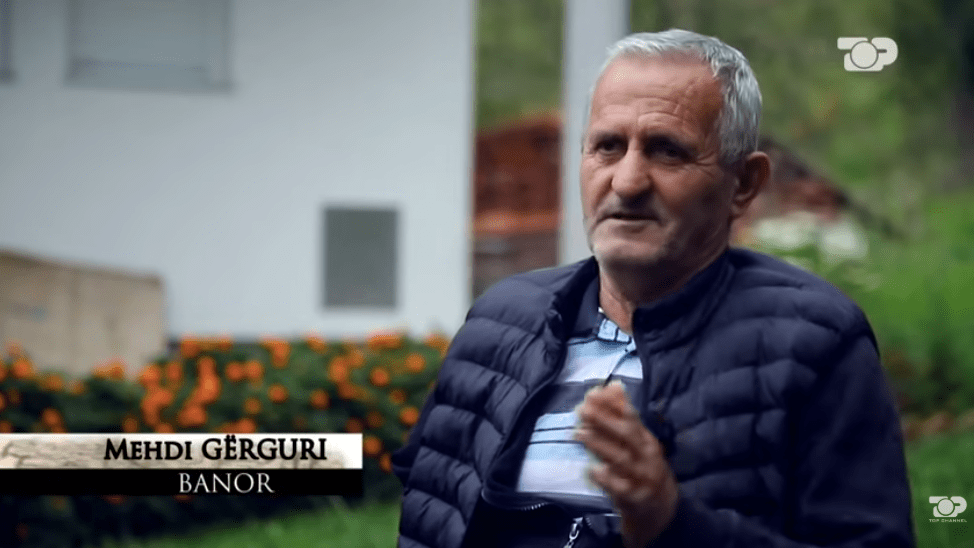
Mehdi Gërguri says that he was in a tractor when he was stopped by the Serbs who immediately opened fire on him. He was hit on the hand twice, and other bullets hit him below. One hit him below the ribs. His wife and family cried. His arm was detached, because the Serbs used “doom-doom” bullets which explode in the tissue.
The Serbian forces consisted both by military, paramilitary and armed Serb civilians
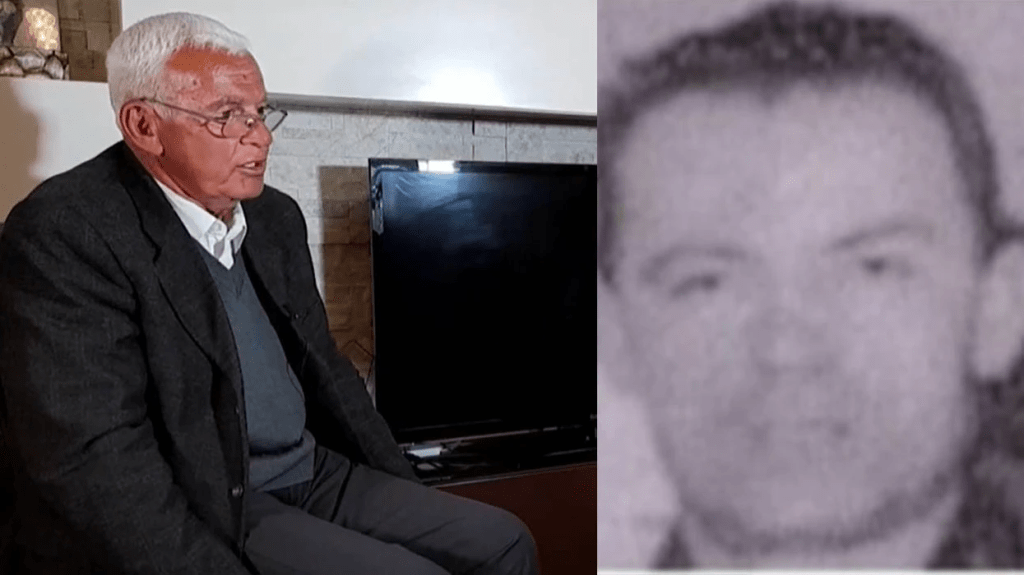
Vucina Janicijevic, known for his sadism, who participated in the massacre
One of the Serbian civilians who committed these massacres was Vucina Janicijevic, head of the Serbia police of Vushtrri. Through out the entire war, Vucina was responsible for constant abuse of Albanians, by raping, torture, beatings, killing, etc.
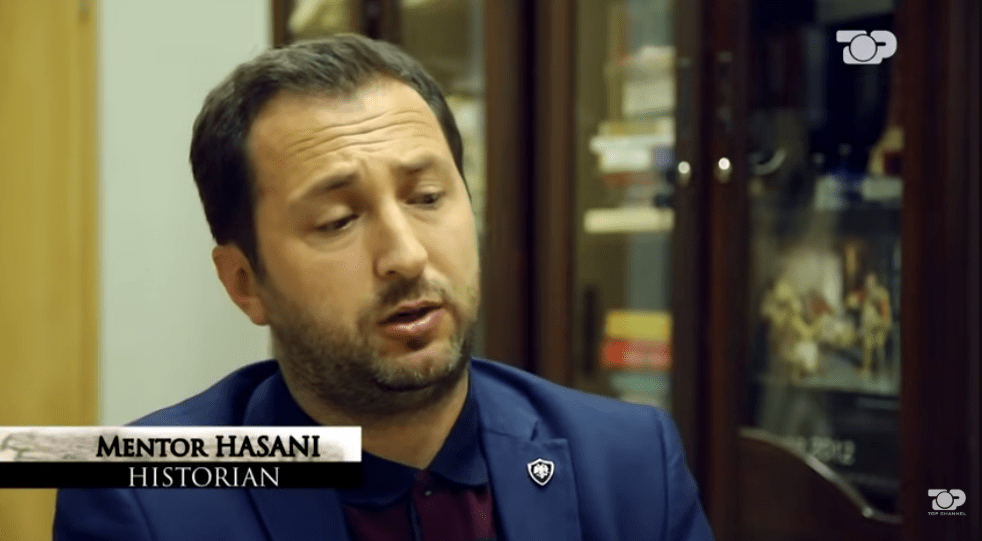
Mentor Hasani says that Vucina knew both what was happening and even encouraged the atrocities against the civilians.
Another Serbian perpetrator was Slobodan Doknic, suspected of having hidden the bodies of massacred Albanians
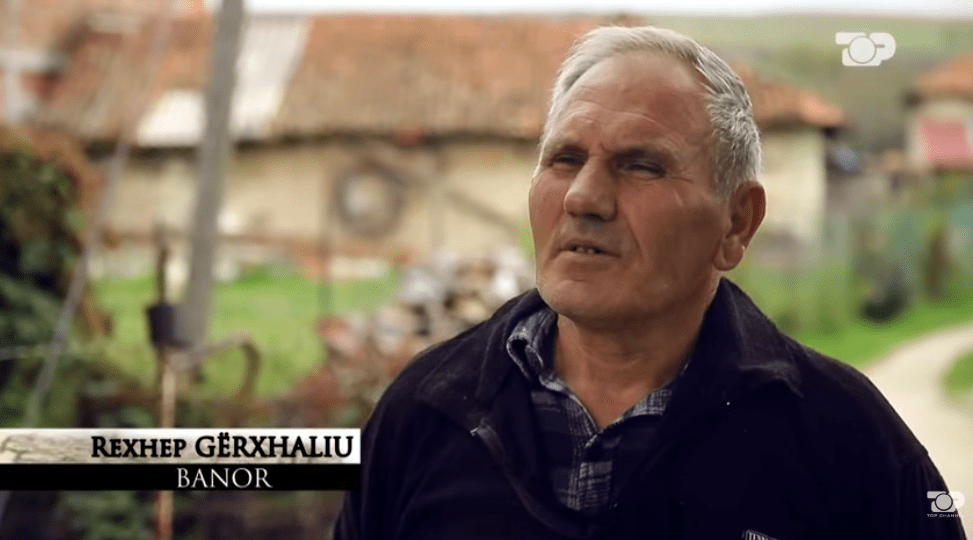
Rexhep says that his home village looked desolated after the Serbian murdering and killing. He says that he saw the corpses, some had been shot in the eyes. Some of the dead had half their neck cut off by the Serbs, something he witnessed himself.
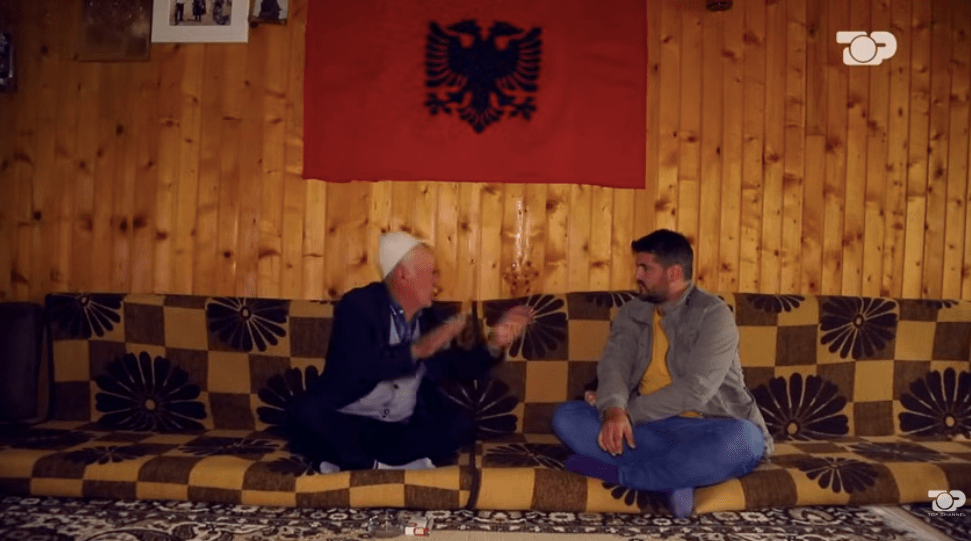
This elderly says once againt that the Serbs threw the corpses in all sorts of places, under tractors, and in ravines.

Remzi Pronaj says that among the perpetrators were many armed Serbian civilians.
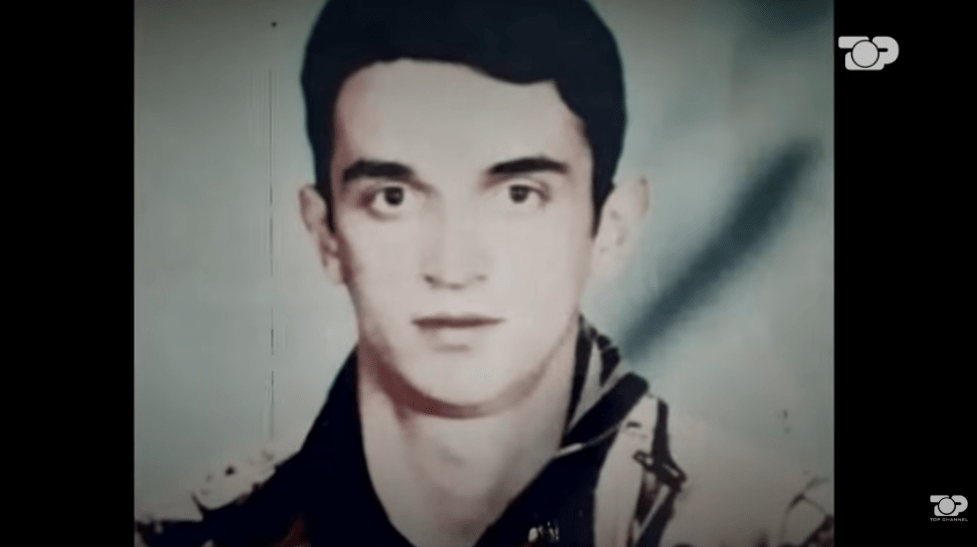
Adnan Bunjaku, 20 years old at the time, returned to his village in Vushtrri to marry. As he drove off with his wife on the tractor, the Serbs stopped him and one o them pointed his rifle at him. Adnans father grabbed the rifle upwards, and said “No, because he just married today.” The Serb then said “Well, because he married today, i will then celebrate him”. The Serb then shot the young Adnan immediately.
The Serbs massacred 116 Albanian civilians who were fleeing in this region. This method was used by Serbian authorities to ethnically cleanse Albanian villages.
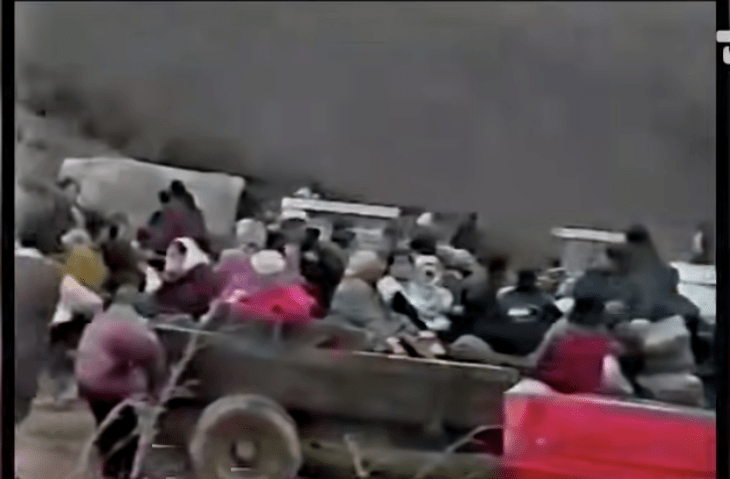
Albanian refugees
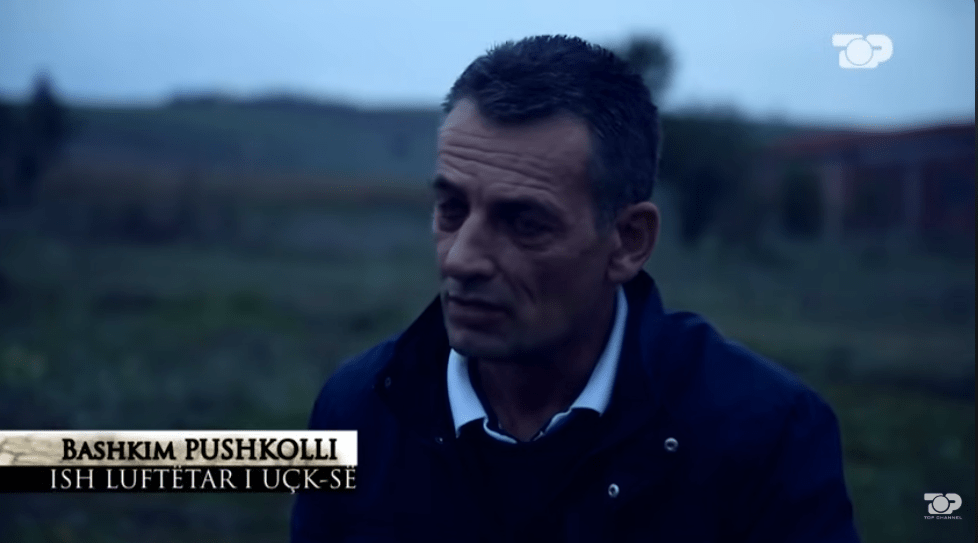
Bashkim Pushkolli says that he and his colleagues literally walked on corpses. He also says that the Serbs removed the corpses to hide evidence of war crimes. Many corpses were transported away from the villages.
The corpses of the 700 massacred Albanians who were sent to Batjanica in Belgrad to hide all evidence of crimes
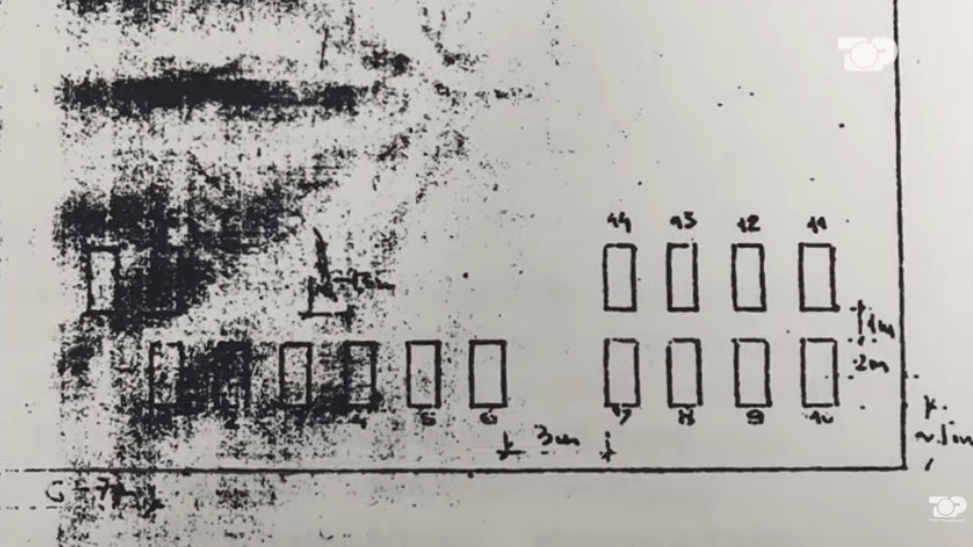
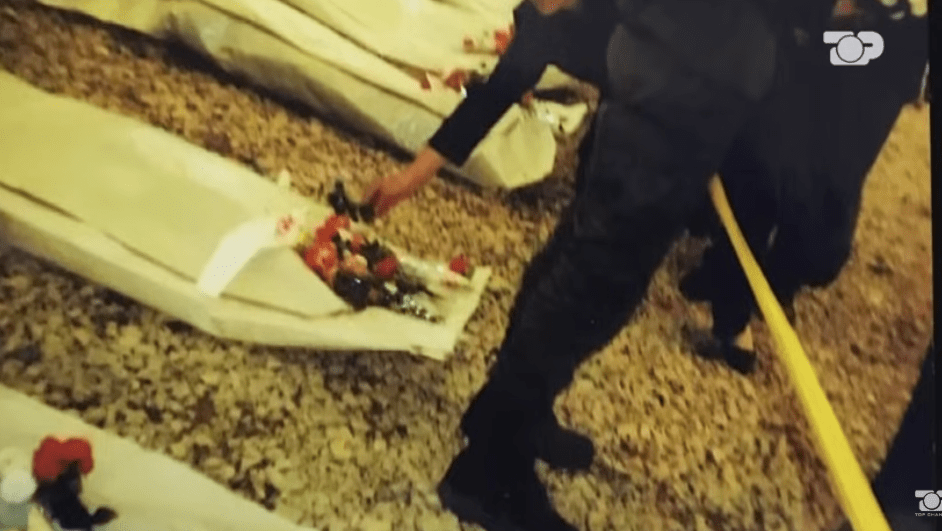


The Serbian authorities also burned many corpses in the region of Mackatica of Serbia.

Scientists and researcher confirmed that the factories of Mackatica were used to burn the bodies of dead Albanians.
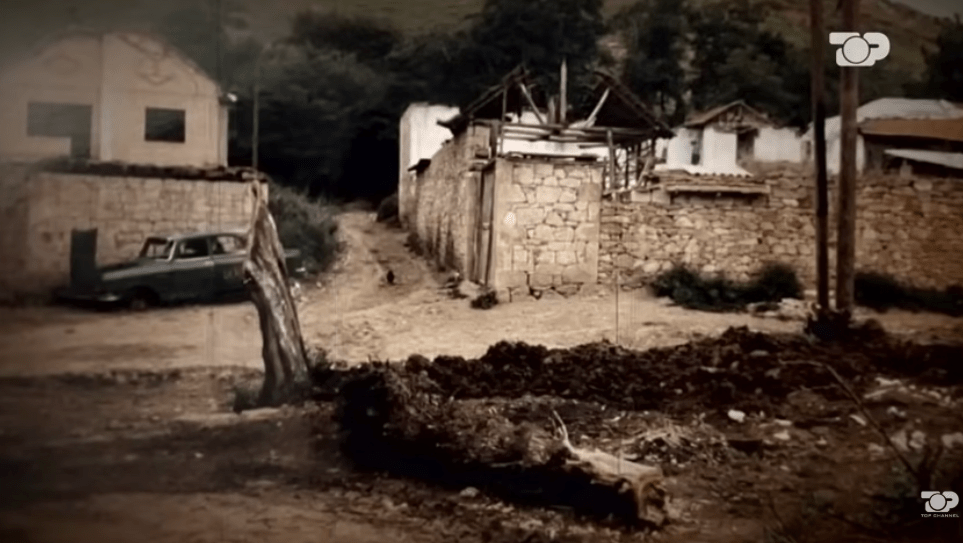
Similar methods were used in Studimë. Three Serbian trucks were sent to the village to gather the corpses of massacred Albanians.
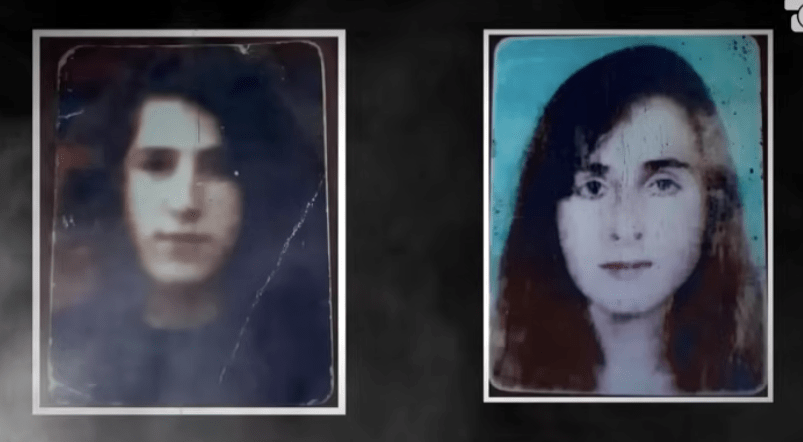
In May 13, 1999, the daughters Imrane and Zejnebi of Musa Gërguri, returned to the village of Studime to deliver food. When they entered, with 4 other girls, they were massacred by the Serbs.
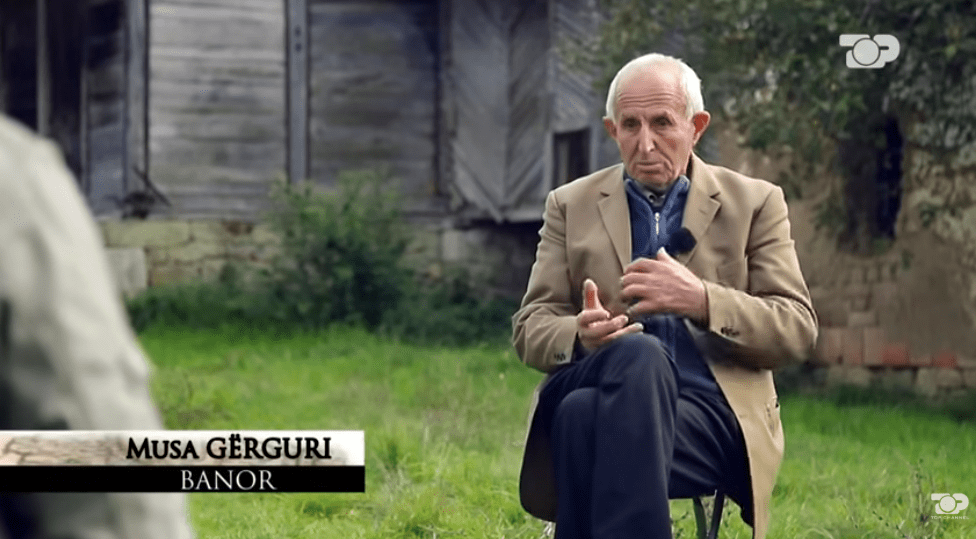
Musa Gërguri says that his sister (one of the massacred) 23 years old, his daughter was 18 years old, and the other 16 years old. He also says that seeing your child massacred by the Serbs is one of the most painful thing in life.
Serbs massacred many Albanian female civilians in Vushtrri at the Ura e Qikave
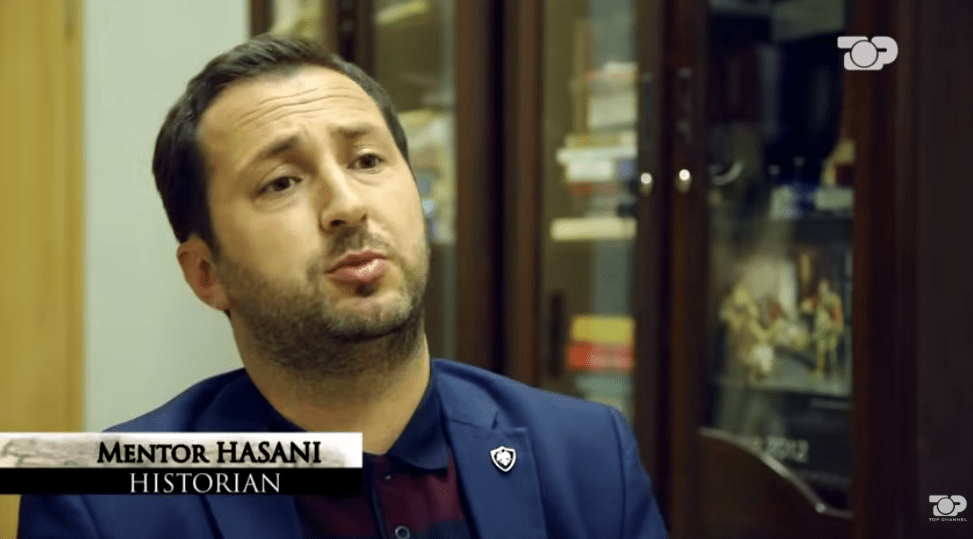
Mentor Hasani, historian, says that the Serbs raped and murdered 8 Albanian women in Vushtrri.

Marin Mema says that the Serbs entered the house of Seltain Gerxhaliu and massacred 13 Albanian civilians, including the children.
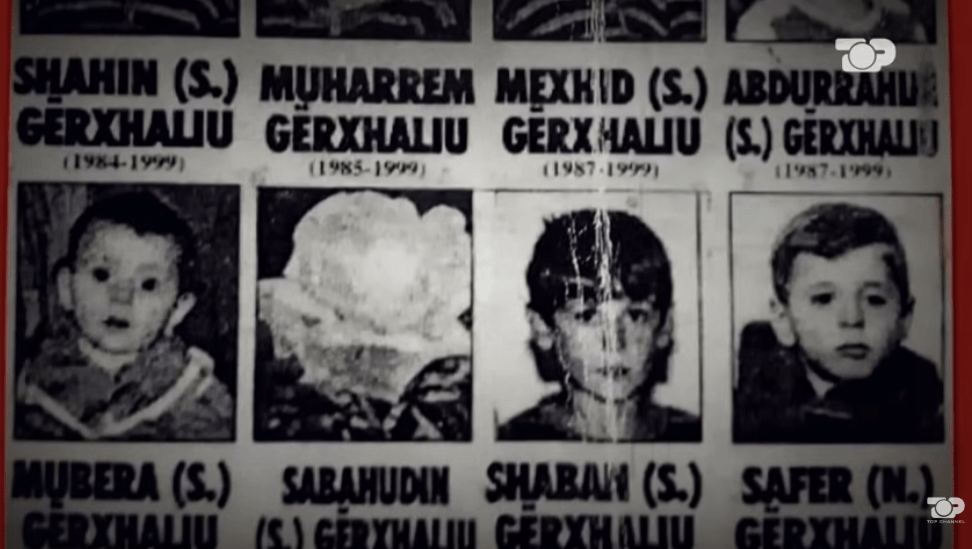
The Serbs massacred all the children, elderly and women.
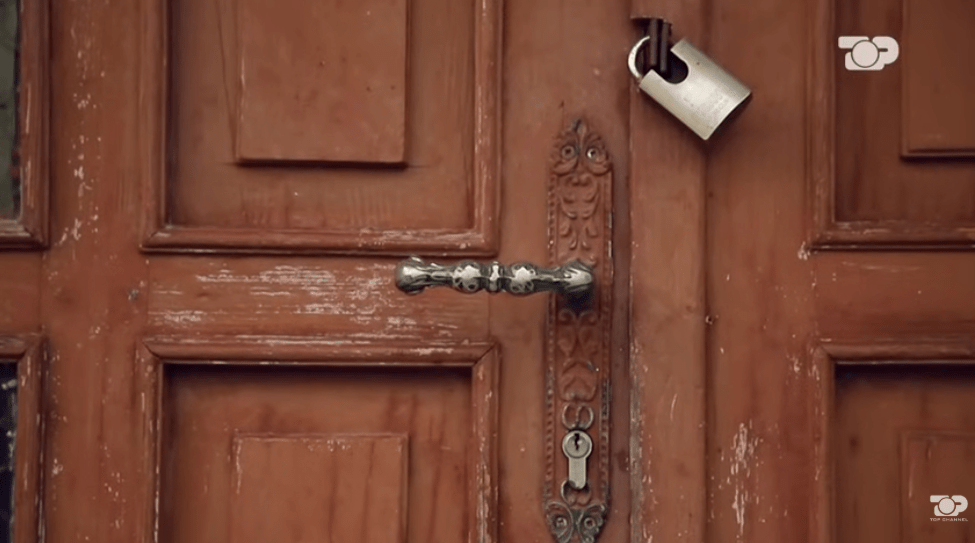
After the Serbian massacre, the house was locked forever.
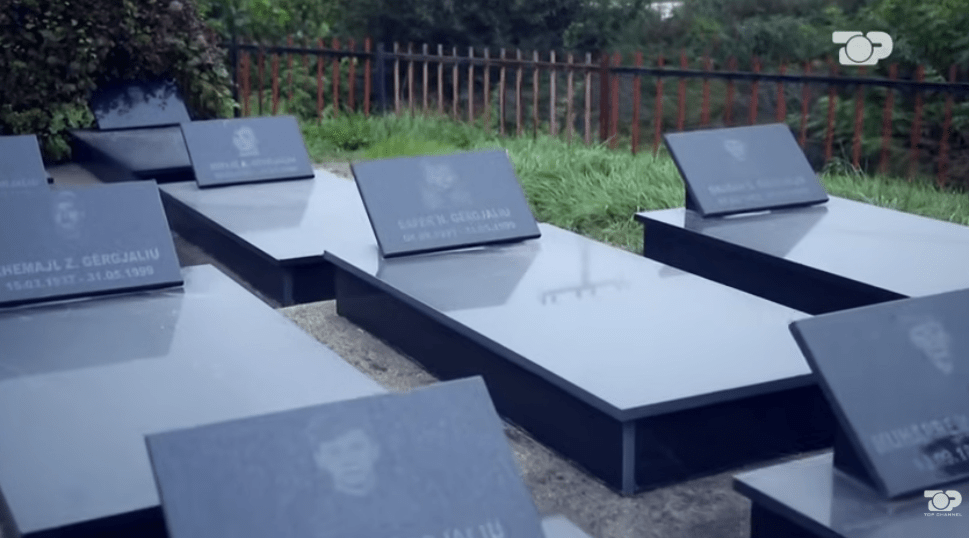
Just from the Gerxhaliu family, the Serbs massacred 31 members. All of them civilians.
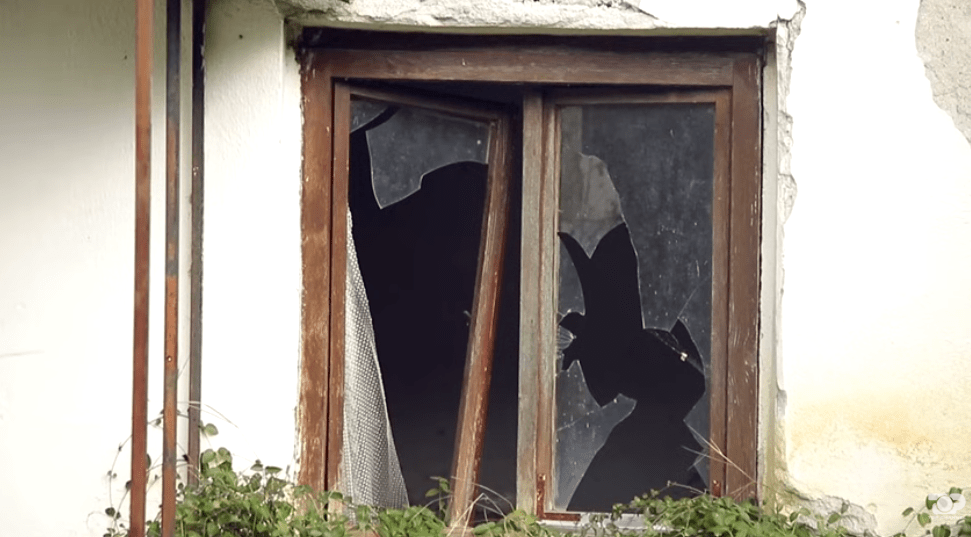
In Studim, in 3 different dates, 137 Albanian civilians were massacred by the Serbs.
No Serbian perpetrator has yet to be sentenced for these massacres 23 years later.
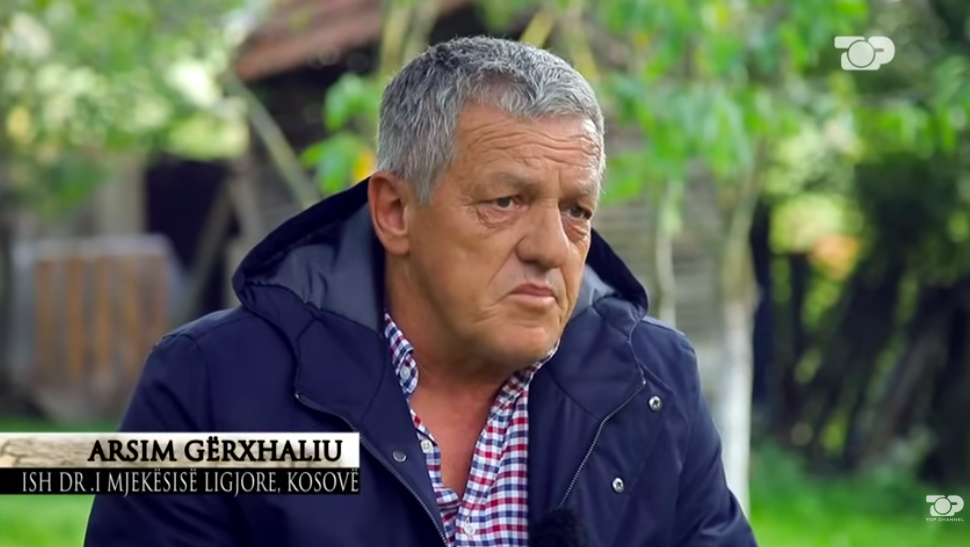
Arsim Gërxhaliu says that the French forces, armed with rifles, did not allow the Albanian relatives to collect the corpses of their massacred.
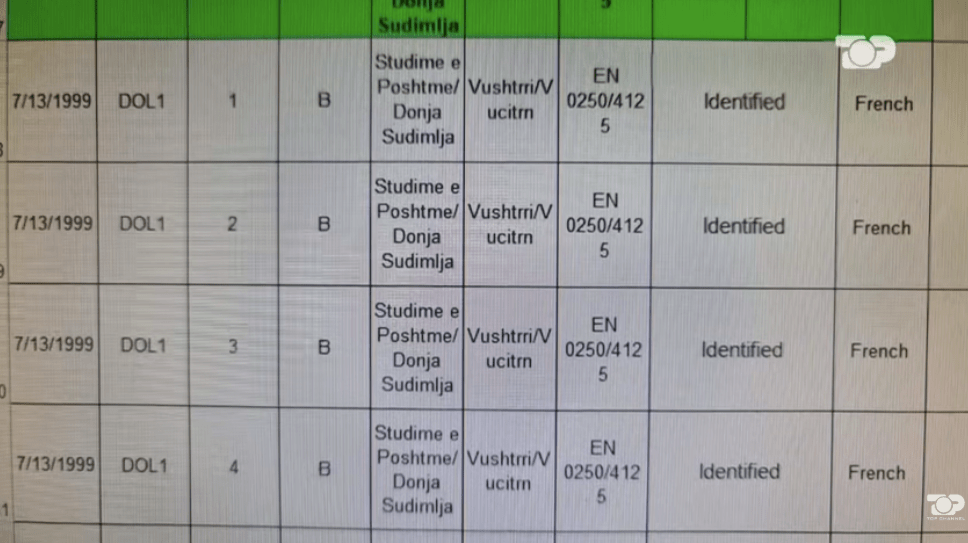
French registers of the massacred, which have not yet been published.
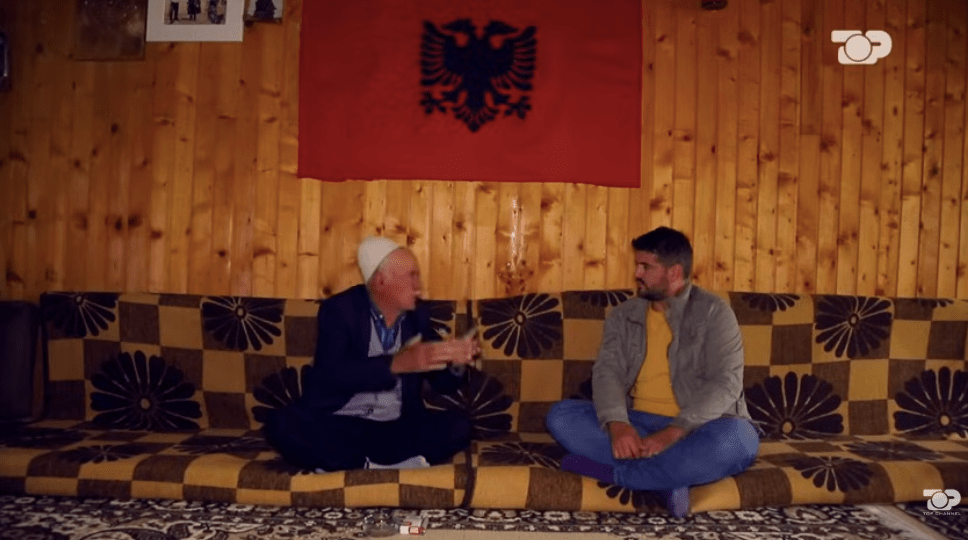
This Albanian eldery says that he is frustrated that they had not been able to do more, and that the courts should have made sure to capture the Serbian criminals.
The Serbian authorities have done nothing to capture any criminal. The Serb authorities instead manipulated all information and statistics and avoided any investigation.
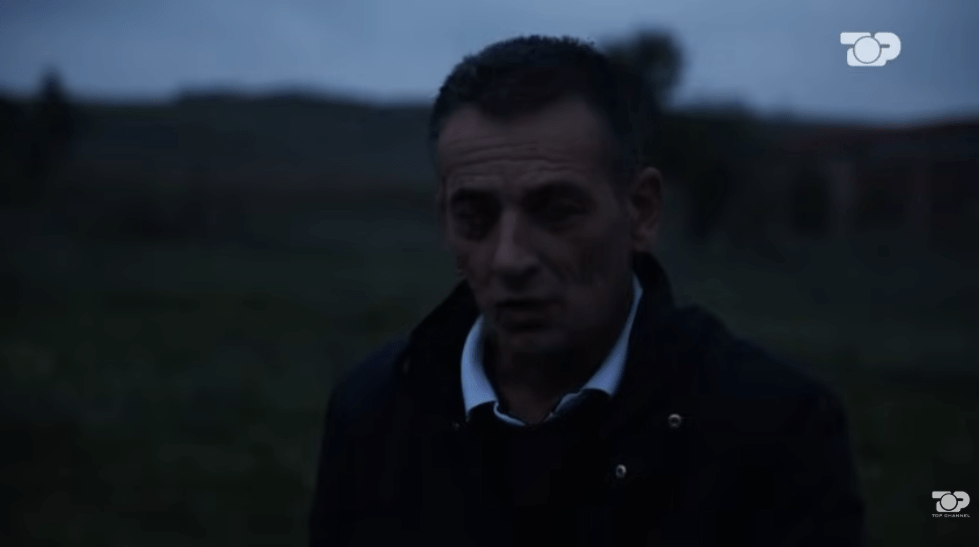
This person says that there was a dirty collaboration between Belgrad and some other groups who decided not to investigate or prosecute the Serbian perpetrators. Many video recordings have been hidden to destroy any real investigation. Around 100 important Serbian perpetrators have been identified, but due to political factors, none have been prosecuted.
Sources

 Balkan Academia