

This article discusses prehistoric Illyrian symbols used on funerary monuments of the pre-Roman period which were also used in Roman times and continued until late antiquity in the vast Illyrian territory. The same motifs were preserved with identical cultural-religious symbolism in various monuments of the early medieval culture of the Albanians.
They also appear on later funerary monuments, including medieval tombstones ( stećci ) in Bosnia and Herzegovina and funerary monuments used until recently in northern Albania, Kosovo, Montenegro, southern Serbia and northern North Macedonia.
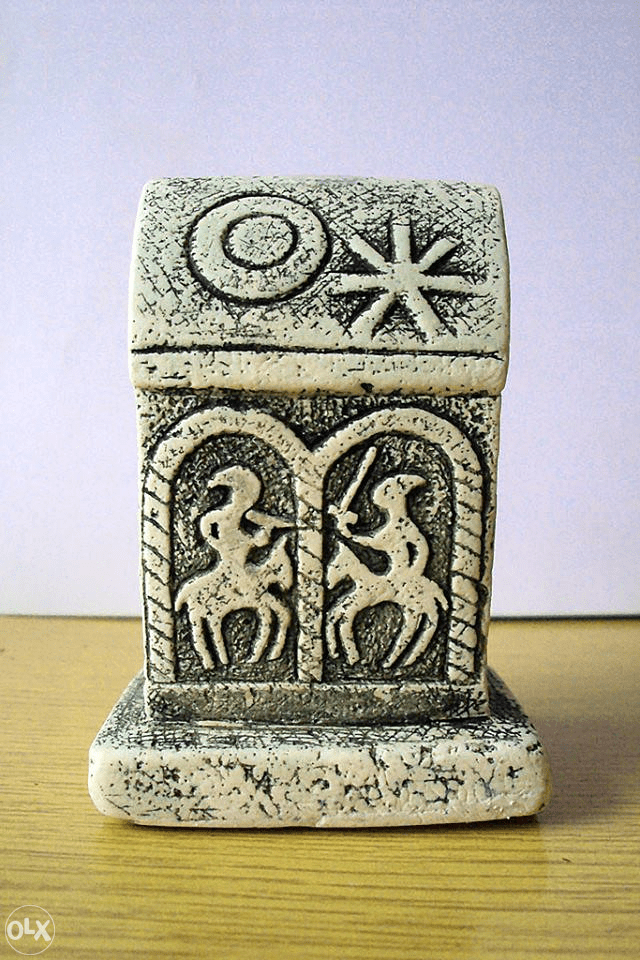
Such motifs are particularly associated with the ancient cults of the Sun and Moon, which survived until recently among the northern Albanians.
References
Dobruna-Salihu, Exhlale . “Symbols and cult images on funerary monuments of the Roman period in the central section of Dardania”.
Dobruna-Salihu 2005 , pp. 345–346.
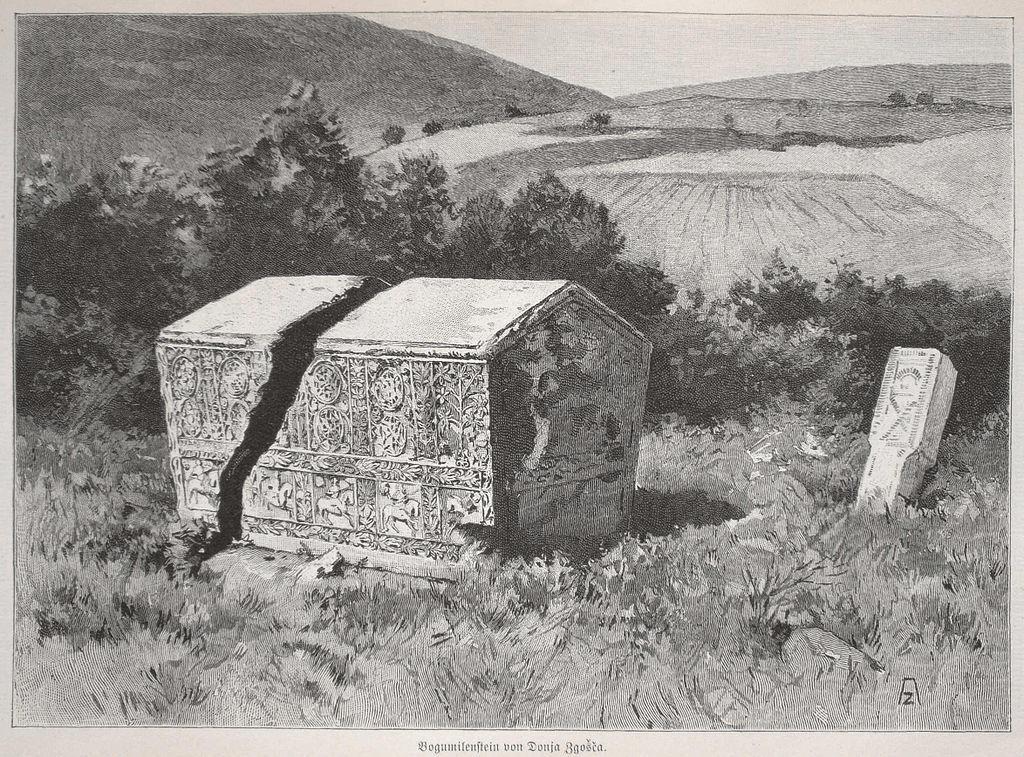
A broken stećak/gravestone described by Hugo Charlemont , 1901. This appears to be the same one now on display in the National Museum of Bosnia and Herzegovina.

 Balkan Academia