
by Artur Vrekaj. Translation Petrit Latifi
Abstract
This study examines the archaeological, historical, and cultural significance of Tenea, a city in Corinthia excavated under the leadership of Dr. Eleni Korka. Archaeological evidence dating back over 3,000 years confirms Tenea’s strategic location between Mycenae and Corinth and its early development around the cult of Apollo Teneates. Ancient sources describe the inhabitants as Trojans (Dardanians) taken captive from Tenedos after the Trojan War and settled by Agamemnon, a tradition reflected in their strong devotion to Apollo. Tenea prospered alongside Corinth during the establishment of the colony of Syracuse and later achieved political independence, revolting against Corinth and aligning with Rome, surviving even after Corinth’s destruction. The city maintained connections with Anatolia, the Peloponnese, and southern Italy, reflecting wider Dardanian migration patterns following the fall of Troy. Archaeological finds housed in museums in Corinth and Munich attest to Tenea’s advanced governance, economy, and artistic life. The abandonment of the city is attributed to later Slavic incursions, marking the end of a significant Trojan-Dardanian settlement in Greece.
Tena, the Trojan (Dardan) city of the Peloponnese was founded by the Dardanians who survived the Trojan War.
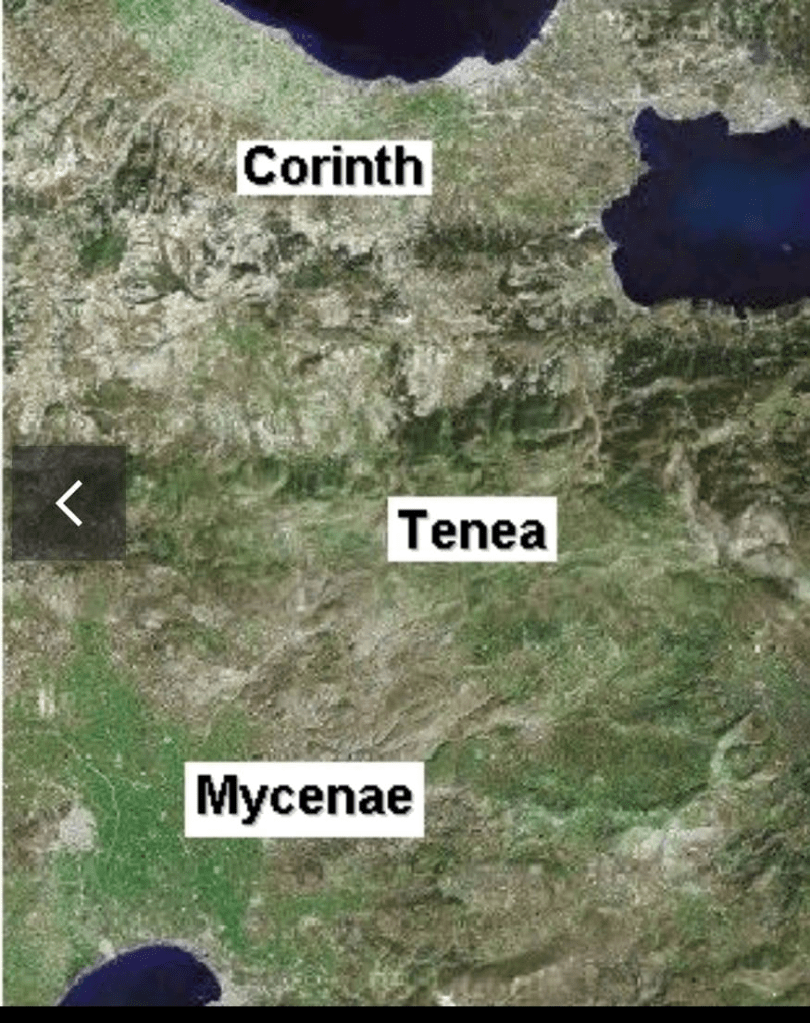
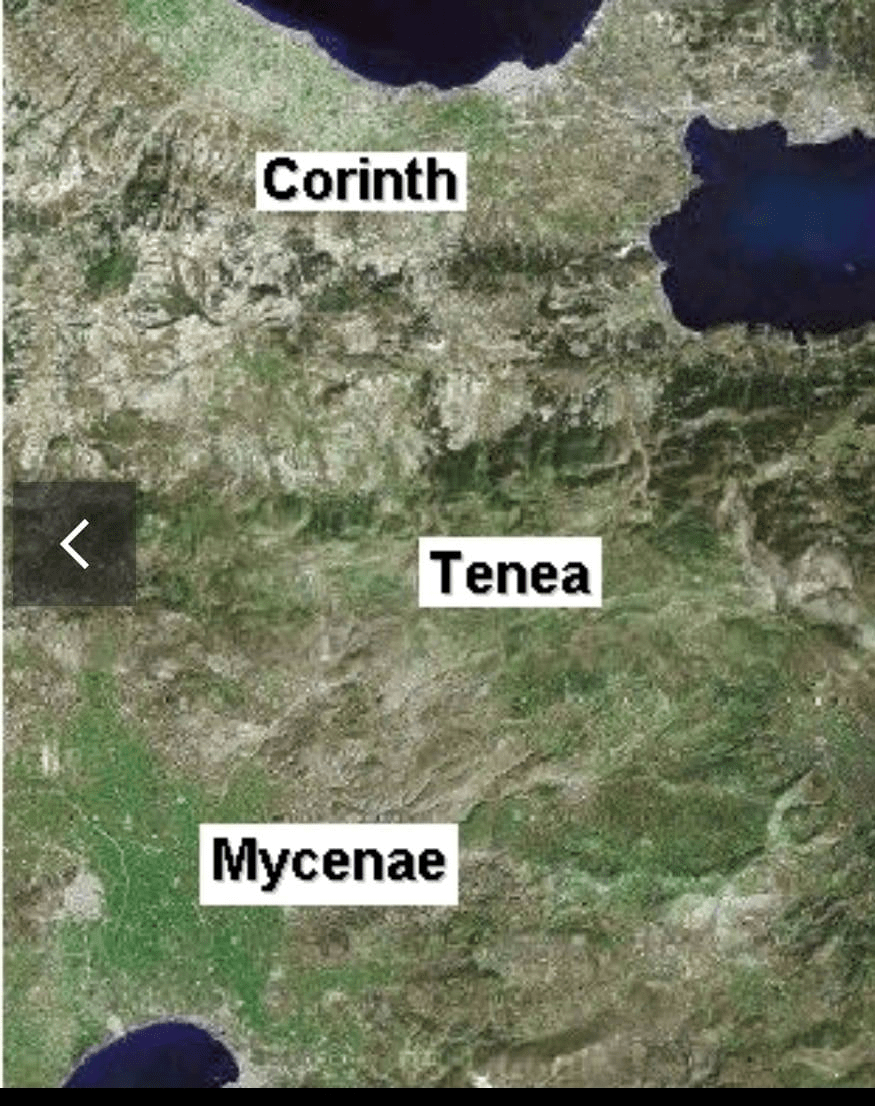
Archaeological excavations led by Dr. Eleni Korka with 40 years of experience brought to light the over 3,000-year-old city of Tenea on the road between Mycenae and Corinth. Tenea is in Corinthia and there is a temple of the Tenean Apollo. It is said that most of the colonists who accompanied Archias (the Corinthian) the leader of the colonists to Syracuse started from Tenea and after this Tenea developed more than the other settlements.
Tenea eventually had a government of its own and revolted from the Corinthians, the Teneans joined the Romans and remained even after the destruction of Corinth. “(1)
“The city called Tenea is about 60 stadia away (15 kilometers is Tenea today from Corinth based on archaeological excavations, A.V).
The inhabitants say this, that they are Trojans (Dardans) who were taken prisoners from Tenedos, by the Achaeans of Mycenae and were allowed by Agamemnon to reside in their present home. For this reason they honor the god Apollo more than any other god.” (2)
Dr. Eleni Korka underlines that Tenea flourished from the establishment of the colony of Syracuse together with Corinth. Almost at the same time (733BC/734BC) we also have the migration of the Liburnians from Corinth to present-day Corfu. Also, on both East-West sides of Trinacria/Sicily we have the Dardanians settled: the Elymians from the brother of Aeneas and Aestes; as well as the Teneans/Trojans/Dardans coming from Troy/the island of Tenedos who later founded Tenea in the Peloponnese.
The Dardanian Tenea of the Peloponnese was in contact with the peoples of Eastern Anatolia where the inhabitants originated and with the South of Italy where they migrated directly after the fall of Troy or centuries later from the Peloponnese.
It is claimed that Tenea had about 100 thousand inhabitants.
The name Tenea is related to Tenes, a Trojan warrior on the island of Tenedos near the southern Dardanelles. It is said that Tenedos was the anchorage of the Mycenaean ships during the Trojan War.
These prisoners or captives; Trojans/Dardans were taken from the island of Tenedos and brought just after the Trojan War to the Peloponnese and where Agamemnon, king of Mycenae, assigned them as their home the land where they built their city-state of Tenea.
Agamemnon is from the tribe of the Brigians, neighbors of the Dardanians in Troy and Illyricum, from the line of his father Atreus and grandfather Pelops who gave the Peloponnese its name.
The fact that Rome did not destroy Tenedos in the Peloponnese also speaks of the Trojan Identity connection of the founding inhabitants of both cities.
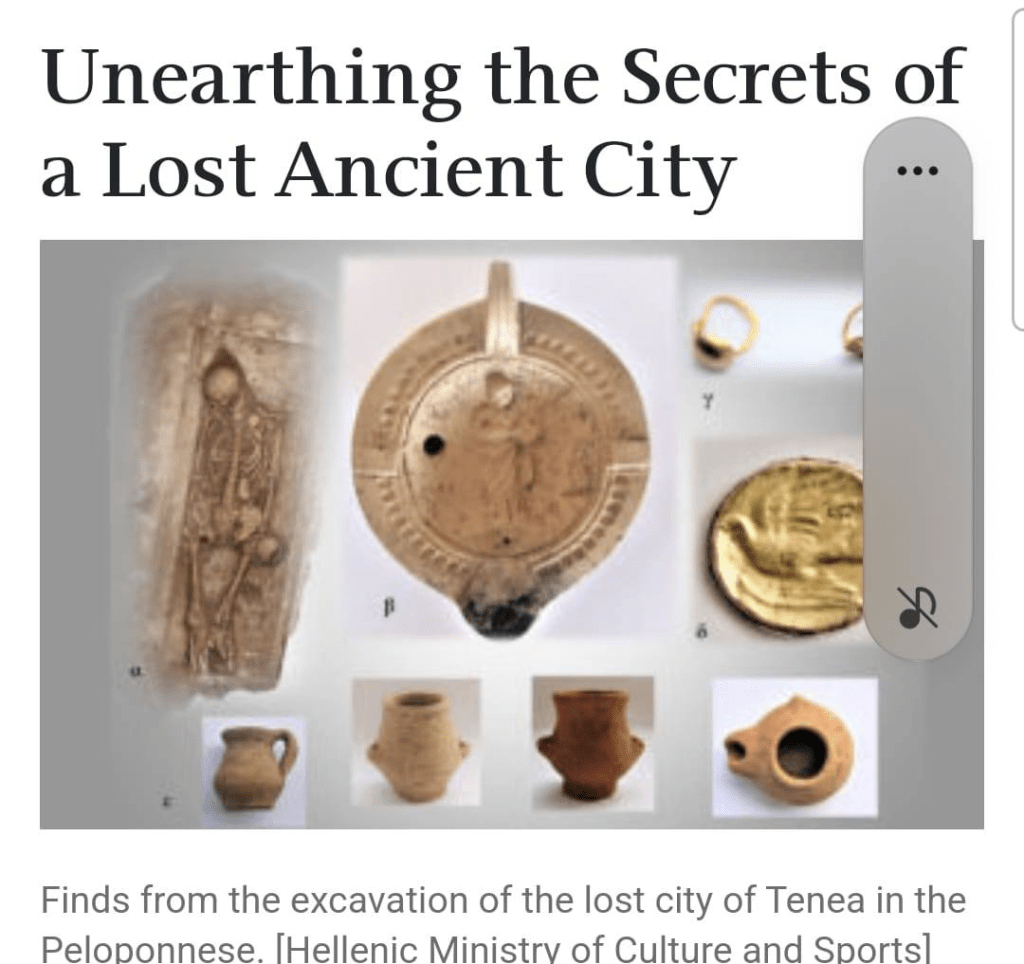
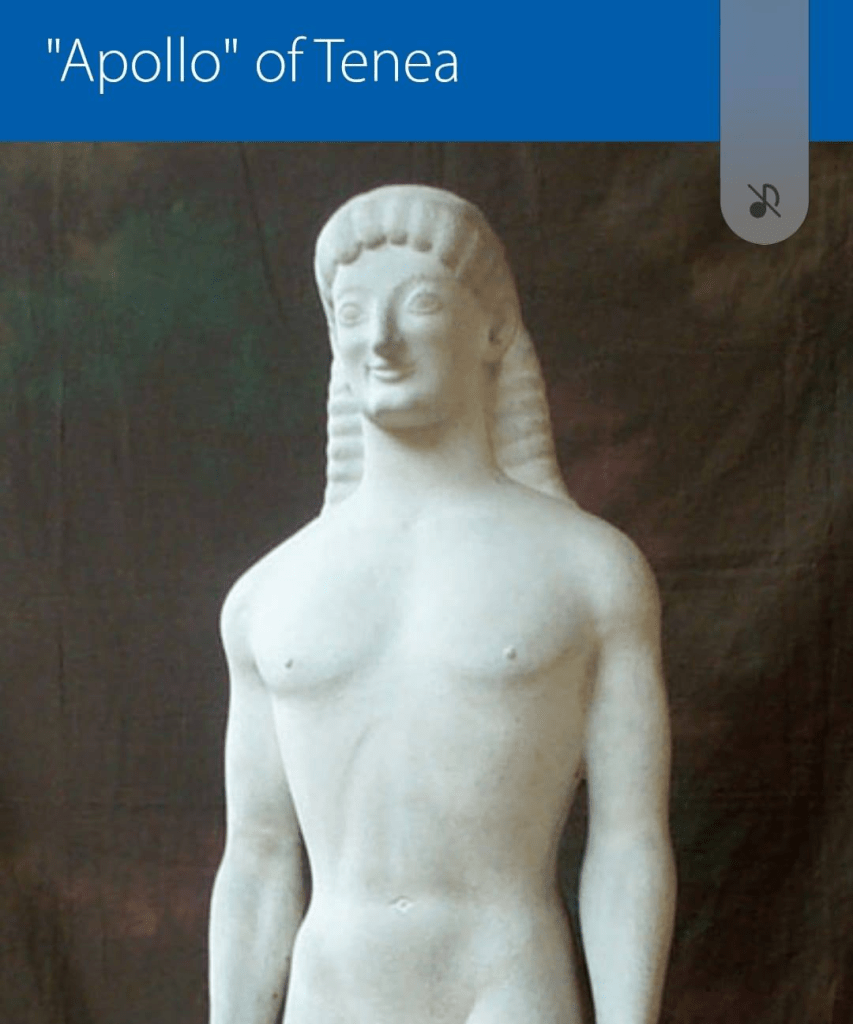
Archaeological finds on the territory of the city of Tenea or related to the government, economy and art of this Trojan/Dardan city are real evidence in the archaeological museums of Munich and Corinth.
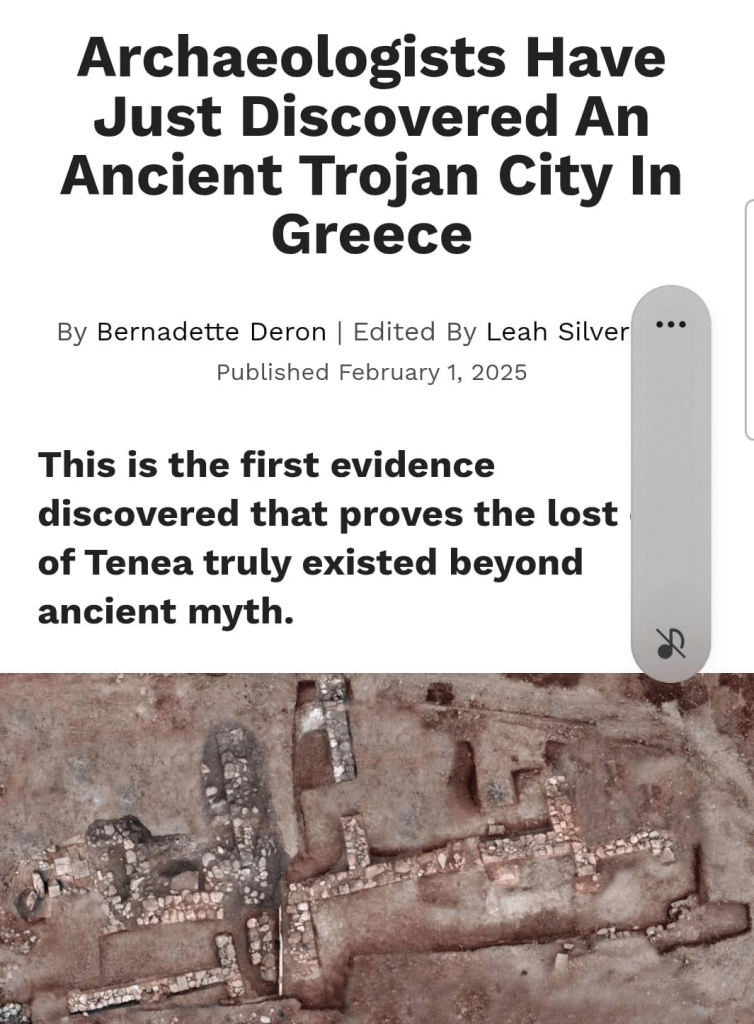
Scientific research on Tenea has been going on since 1984. The discovery of objects of cultural and financial value confirms the development of this city-state that is believed to have been abandoned by the Slavic invasions.
References
1) The geography of Strabo, ed. H.L. Lemi, 1924.
2) Pausanias, Description of Greece, 1918.

 Balkan Academia