
by Naim Flamuri. Translation Petrit Latifi
The Mesi Bridge – stone upon stone, testimony upon testimony of a Shkodra tribe. This article discusses the Albanian tribe of Mesi from Shkodër.
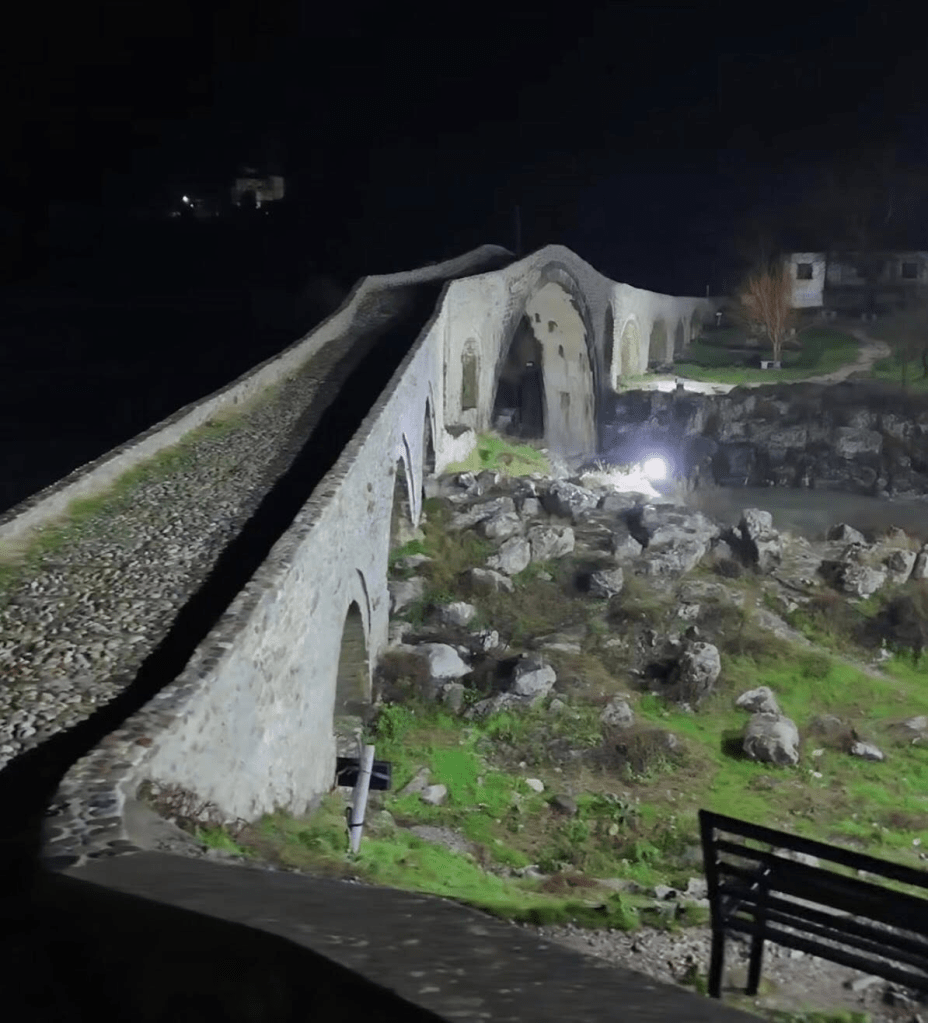
The Mesi Bridge is not just a stone and an arch, but a memory. And this memory, for many, goes beyond Shkodra: towards Italy, towards Argentina… and to the name that the whole world knows today – Messi. Even as an idea, this connection is a source of pride.

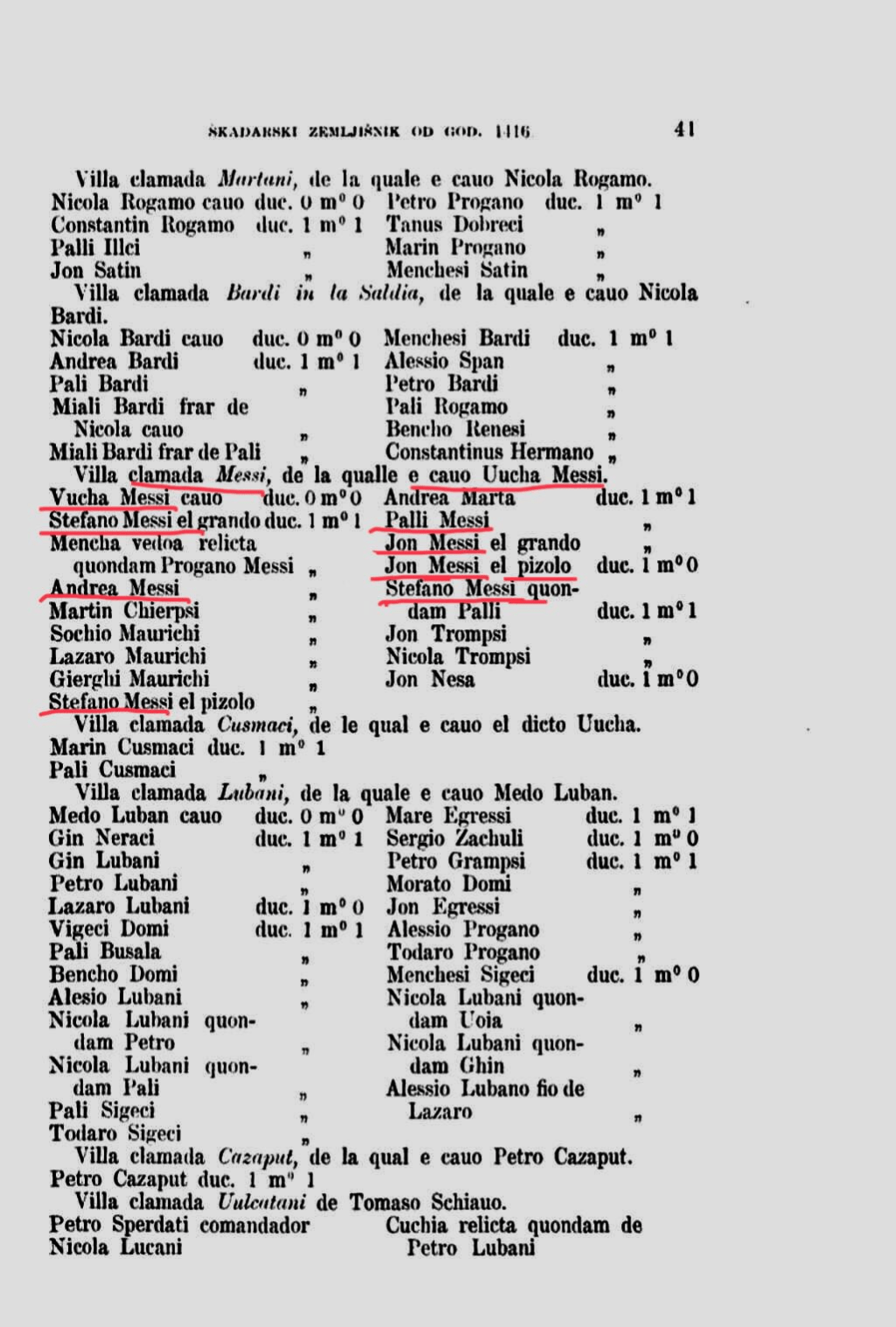
According to the Shkodra cadastre of the 15th century, the Mesi family is clearly recorded in the annals of the city, as one of the autochthonous Shkodra families. This archival evidence is also reinforced by the toponymic heritage: the Mesi Bridge, which even today stands majestically and shines as a monument of the city’s identity.
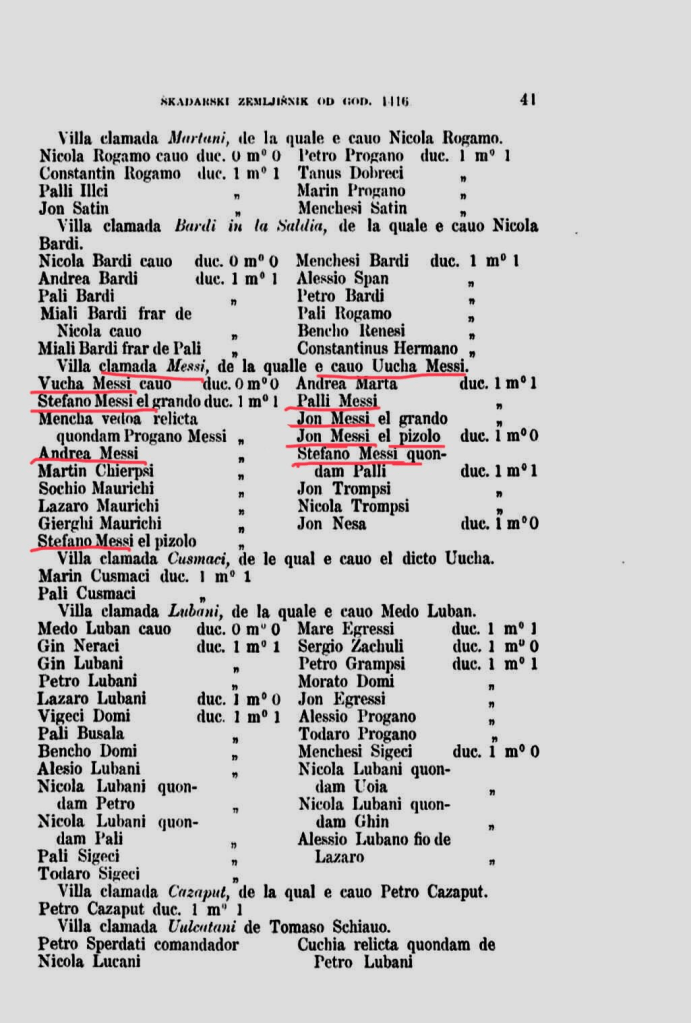
So, the Shkodra origin of the Mesi family is indisputable, sealed both by historical documents and by the very name of the bridge, which remains a living testimony of the presence and importance of this family in the history of Shkodra.
Names extracted from Italian reports
The village (Villa) called Messi, whose mayor is Vucha Messi.
Vucha Messi – Vuça Messi (Chairman)
Stefano Messi the great – The great Stefan Messi
Mencha, a widow left behind by the former Progano Messi – Mença, widow of the late Progan Messi
Andrea Messi
Martin Chierpsi – Martin Kjerpsi
Sochio Maurichi – Socho Maurichi
Lazaro Maurichi – Lazar Mauriçi
Gierghi Maurichi – George Mauriçi
Stefano Messi the pizolo – Stefan Messi
Andrea Marta
Pal Messi
Jon Messi the great
The great John Messi
Jon Messi the stiletto
Little John Messi
Stefano Messi, formerly of Palli – Stefan Messi, son of the late Pal
Jon Trompsey
Nicola Trompsi
Jon Nesa
Explanations of Latin/Italian Terms:
Villa: Village.
Cauo (Capo): Headman or head of the village.
El grando / El pizolo: The big one / The little one (used to distinguish two people with the same name, usually uncle and nephew or father and son).
Vedoa relicta quondam: Widow left behind by the deceased…
Duc. (Ducati): Ducat (currency of the time).


 Balkan Academia