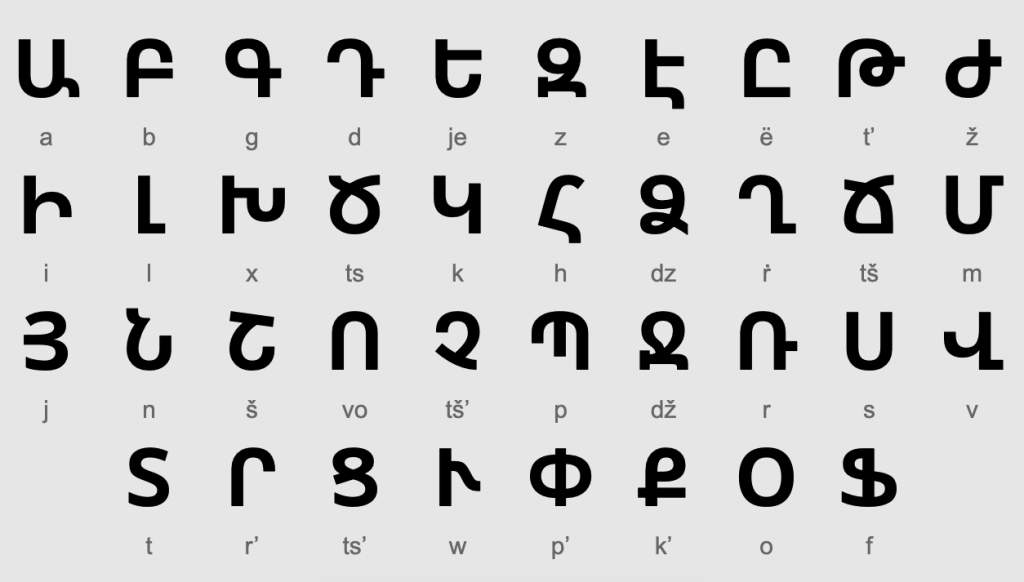

by Alexander Hasanas. Translation Petrit Latifi
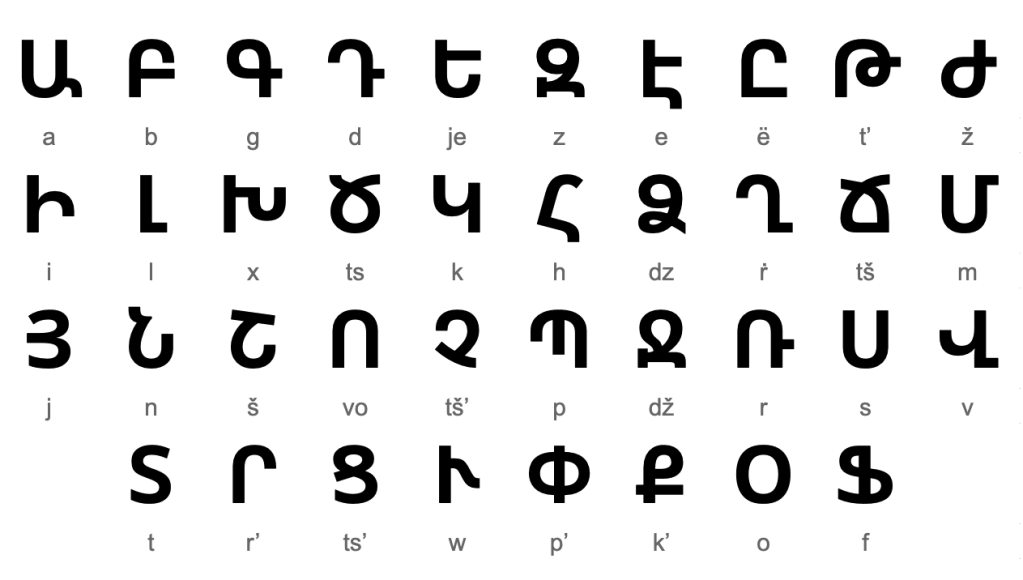
Summary
This study presents and contextualizes an archaic Arberian (Arvanite) revolutionary text associated with Petsa (Spetses), preserved in Greek-script photowriting and here transliterated into both Latin characters and standard Albanian. Framed by a broader reflection on Cadmus and the transmission—and loss—of ancient writing systems, the article argues that alphabets are not neutral tools but repositories of cultural memory and political identity. The poem is examined as a multilayered source: historically, as testimony to Arvanite participation in the Greek War of Independence; linguistically, as evidence of sustained Albanian–Greek contact and the use of Greek script to record Arberian speech; and ideologically, as an articulation of collective agency, sacrifice, and proto-democratic values. Through close reading, the text reveals a self-aware revolutionary community that mobilizes language, honor, and communal obligation as instruments of resistance. The article thus contributes to debates on Balkan identity formation, minority languages, and the politics of script choice in the eastern Mediterranean.
Cadmus, the father of the Illyrians, was the first to bring the alphabet that is now called Greek. It was and remains a mistake, perhaps accidental, that we lost this alphabet and adopted the Latin one. Now I bring you the following text written in the archaic Arberian (Arvanite) language, as historical, linguistic and identity evidence – transliterated from the original from the photowriting below:
Full text (Albanian)
Pecë, Pecë, ç’na ndrite, nanë, si më katandise!
Si m’u prishe ditë të zeza? si m’u humbe hak e shpresë?
Të parët përpara shkuan, revolucionin nisën.
Luftën ta bëjmë me zemër, turkun ta godasim i pari.
Sakrifiko këtë punë, bëje mirë, mos u tremb.
Burra, njerëz e anije, detin në mijëra e çani.
Mos u tut, burrë me zë, lavdia vjen me gjak!
Prapë luftë, turkut bjeri, për Mbretërinë mos u ndal.
Për shokët që janë gjallë, kundërshtoni, mos lini.
Në çdo hap që hedh, dije: hapi yt s’është i kotë.
Je krenar e i lirë, mbaje kokën dhe zemrën.
Me anije të mbledhura, mbështetu njëri-tjetrin.
Burra njerëz, vini pas, gjithë botën me vete.
Mos lini asgjë pas, as shtëpi as fëmijë.
Me vendim të prerë jemi, këtë udhë e kemi zgjedhur.
Zemrën mos e lini të ftohet, luftoni me zemër.
Për turkun mos u trembni, asnjë mëshirë mos i bëni.
Kush do pushtet? Kuvendi dhe populli janë këtu.
Zemrën hapeni sot, bëni betë të fortë.
Nëse bini, mos qani, përpara hidhuni.
Me votë e me zgjedhje, rrugën e kemi marrë.
Nëse nesër na vrisni, gjakun mos e kurseni.
Burrat që s’janë frikacakë, zemrën kurrë s’e humbin.
Kush nuk u bashkua sot, nesër do të pendohet.
Ai që beson te nderi, s’e shkel kurrë fjalën.
Ecni, o trima, me zemër, mos u ndalni: kush do na ndalë?
Koha që s’ka më fjalë, vetëm vepra do.
Edhe nëse Hydra digjet, ne sërish do të qëndrojmë.
E mallkuar qoftë frika, s’ka më nënë as baba!
Këtu sot jemi betuar, deri në fund.
O ti, Pecë, shtëpitë, fëmijët, gjithçka është e jotja!
See in the original:
ΠΕΤΣΑ — (ΣΠΕΤΣΑΙ)
Πέτσε, Πέτσε, τζένε νδρίσε, νάνε σή μοῦ καταντήσε!
Σὴ μοῦ πρίσε ντὶ τσὰ βίετ; σὴ μοῦ χοῦμαε κάκι στέντς;
Τὴ παντέρ’ πρῶτο γκίτε, Ἐπαναστασίνε γκίτε.
Λούφτενε τὴ ξερόβε, πράπα Τούρκου πρῶτο ντόβε.
Θυσίασε τοῦτε πράμε, καντὸ βέγκε, μπᾶρε θάμε.
Ριτόρε νιέρεξ ἐ καράβε, ντουμὲ μίλλερα ξεκάβε.
Μὰ τσὲ μπένε, κοῦρε σθόγκε, παινεσίτε νέκ ἢ ντόγκε!
Πάψι λούφτα, Τούρκου βάτε, μπὲμ Βασείλιον νιὲ μενάτε.
Γιὰ σκερκώβε, γκὲ στὶ δάνε, ἀντιρίσεος, τὲ λᾶνε.
Ἄστου γραὸ νίκα δάνε, θάσε, γκάντε οὐ κὰμ κράσε.
Ἐ περήφαν ε σερμπετορι, μπερε κοίκνε ἐ ξερόβε.
Μὲ καράβε τσὲ τουμπένι, ἐβεγντόβε μέτα νδελι.
Κέγκε νιέρεξ, βένε μέτα, τόρι κόσμητ μὲ γουλέτα.
Νὲ τσὰ βγίετ οὐ μπεσε μέτα, μὲ παρὲ σὴ ἢ ἐ βγλέτα.
Μὰ ξστεφτόμε σουμε μέντ, τὸ οὐντείτες ντίτε γλάντ.
Ἐξαρόβε σὲ τσὲ ψόβε, τρίτε λούφτε μὲ ξερόβε.
Γιὰ μὲ Τούρκου νὰ τὲ ντάπε, τὸ μὲ γκέτε οὔτ’ ἀντάπε.
Κοῦς ντὸ μπίνε; Βουλευτὴ, ἢ δὲ Δήμαρχ’, οὔ ἢ τί.
Ζερόγ’ ὕπρα τσὰτε νῖτε, γκένε σόθε, μπῖβε σῖτε.
Νὰτ’ ἐ νῖτε, σκέγκε γκουμε, ἐπαρνέτε πείνε λούφτε.
Σὸτ μὲ ψῆφο μ’ ἐκλογὴ, ἐξοδὴ τὰ σουαδὶ.
Νέμε νέστρε ἐ κσεόσιτε, φάσε γκιάστε νιὲ μενάτε.
Σβοῦρε γκὲ ντὲ νὲ ἄγκοιε, ξγιέσε κοῦρε μιλιγκόνε.
Κοῦς οὐ ξγιούσσε νὲ νῖτε, ἐξοῦρ μῖρε γκάτε σῖτε.
Ἐ κοῦς πίσε σὲ κοὺ γνέσε, ἐ τὰ μποῦσε σὲ οὐπτῆσε,
ἜὈ, θῆρε, ἐ κερκώβε, μὰ τὲ θίνι· κὰ κοὺ ντόβε;
Κοῦς καρδονι ἦς νέκε φῶλε, νάνε σκέμι, νάνε σκόβε.
Μὲντ κέϊν Ὕδρα· θρῆτ θυσίτε, νέκε λόθενι νὰτ’ ἐ νῖτε.
Ἐ μονιάσαρε ντὲ τοῦτι, σίτρε δάγκο οὐ πράς μποῦτι!
Ἄστου σὸτ ἴστ νοῦκοκλίρε, μῖρε ἐθρεπτέρε, κοτῖλε.
Ἐ τή, Πέτσε, τὰ φουκί, πατακάτ, τὰ κατοκί!
Full text in Latin characters:
PETSA — (SPETSAI)
Pétse, Pétse, tzéne ntríse, náne sí moú katantíse!
Sí moú pří ntí tsá víre? sí moú choúmae káki sténts?
Tí pantér’ próto nkíte, Epanastasíne nkíte.
Loúftene tí xeróve, prápa Toúrkou próto ntóve.
Thysíase toúte práme, kantó vénke, bare táme.
Ritóre niérex e karáve, ntoumé míllera xekáve.
Má tsé bêne, koúre sthónke, painesíte nék í ntónke!
Pápsi loúfta, Toúrcou váte, bém Vasíleio nié menáte.
Giá skerkóve, nké stí dáne, antiríseos, té láne.
Ástou vathmó níka dáne, tháse, nxante ou kám krase.
E perifan e sermpetóri, bere koíkne e xeróve.
Me karáve tsé toumpéni, evegntóve méta ntéli.
Kénke niérex, vène méta, tóri kósmit mé gouléta.
Né tsá vgíet ou bése méta, mé paré sí í e vgléta.
Má xteftóme soúme mént, tó ounteítse ntíte nklánt.
Exaróve sé tsé psóve, tríte loúfte mé xeróve.
Giá mé Toúrkou ná té ntápe, tó mé nkéte oút’ antápe.
Koús ntó bíne? Vouleftí, í dé Dímarch’, oú í tí.
Zeróg’ ýpra tsáte nite, nkéne sóthe, bíve site.
Nát’ e nite, skénke nkoúme, eparnéte peíne loúfte.
Sot mé psífo m’ eclogí, exodí tá souadí.
Néme néstre e kseósite, fáse nkiáste nié menáte.
Svoúre nké nté né ánkoie, xgiése koúre milinkóne.
Koús ou xgioússe né níte, exoúr míre nxate síte.
E koús píse sé koú génese, e tá boúse sé ouptíse,
Etse, thíre, you asked, má té hini: káú ntóve?
Koús kairóni ís néke fóle, náne skémi, náne skóve.
Mént kéïn Ýdra: thrít thysíte, néke latheni nát’ e níte.
E moniásare nté toúti, sítre ntá nko or brás boúti!
There is noukoklíre, small ethrépsoure, cottage.
And you, Pétse, are foul, patakát, and katoiki

 Balkan Academia