
Abstract
This collection of testimonies and historical reflections sheds light on the brutal Serbian oppression faced by Albanians, focusing on key events, war crimes, and the resilience of the Albanian people. It discusses various personal and collective stories of survival, from the horrific imprisonment in Serbian prisons to the heroic battles fought for freedom. We examine the emotional and physical toll of the conflict, including the traumatic experiences of individuals like Halil Bllaca, Nezir Gashi, and Kadri Kusari. The narratives explore not only the oppression during the wars in Kosovo but also the lasting impact of Serbian nationalism and chauvinism. Amid the dark history of violence and persecution, these accounts highlight the determination for freedom and justice. The story of Colonel Ali Aliu and other resistance fighters embodies the enduring spirit of Albanians, who have continuously fought against Serbian terror and for the preservation of their dignity and identity.
Summary
This article captures a diverse range of personal testimonies, reflecting the long-standing oppression and resistance faced by Albanians under Serbian rule. The events of 1999, including the kidnapping of Halil Bllaca and the subsequent liberation of Kosovo, are central to the narratives, highlighting the atrocities committed by Serbian forces and their lasting impact on the Albanian population.
In particular, the legal battles and decisions around war criminals like Nebojša Pavković reveal the impunity that many Serbian perpetrators of war crimes have enjoyed. Despite the gravity of their actions, figures like Pavković remain free, symbolizing the systemic injustice Albanians continue to face even years after the conflict.
The testimonies of individuals such as Nezir Gashi and those imprisoned in the infamous Nish prison underscore the extreme persecution of Albanians, who were treated as enemies simply for resisting the Serbian regime. These individuals recount the methods of torture, mistreatment, and forced migration, offering a glimpse into the harsh realities of life under Serbian control.
Furthermore, the article touches on the political dynamics and historical influences that shaped the Albanian struggle for freedom, including the controversial Serbian-nationalist ideologies perpetuated by figures like Dobrica Ćosić. It also examines the 1997 protests and the eventual formation of the Kosovo Liberation Army (KLA), a defining moment in the resistance against Serbian oppression.
The reflections on the Battle of Kosovo and Serbian propaganda tactics, particularly the glorification of the defeat at Gazimestan, are presented as important contexts in understanding the chauvinistic mentality that has fueled Serbian aggression toward Albanians for centuries.
Ultimately, this article serves as a powerful reminder of the sacrifices made by the Albanian people in their fight for freedom, justice, and the preservation of their identity amidst a backdrop of systemic violence and historical erasure.
Serbian terrorists kidnapp an Albanian civilian on June 7, 1999.
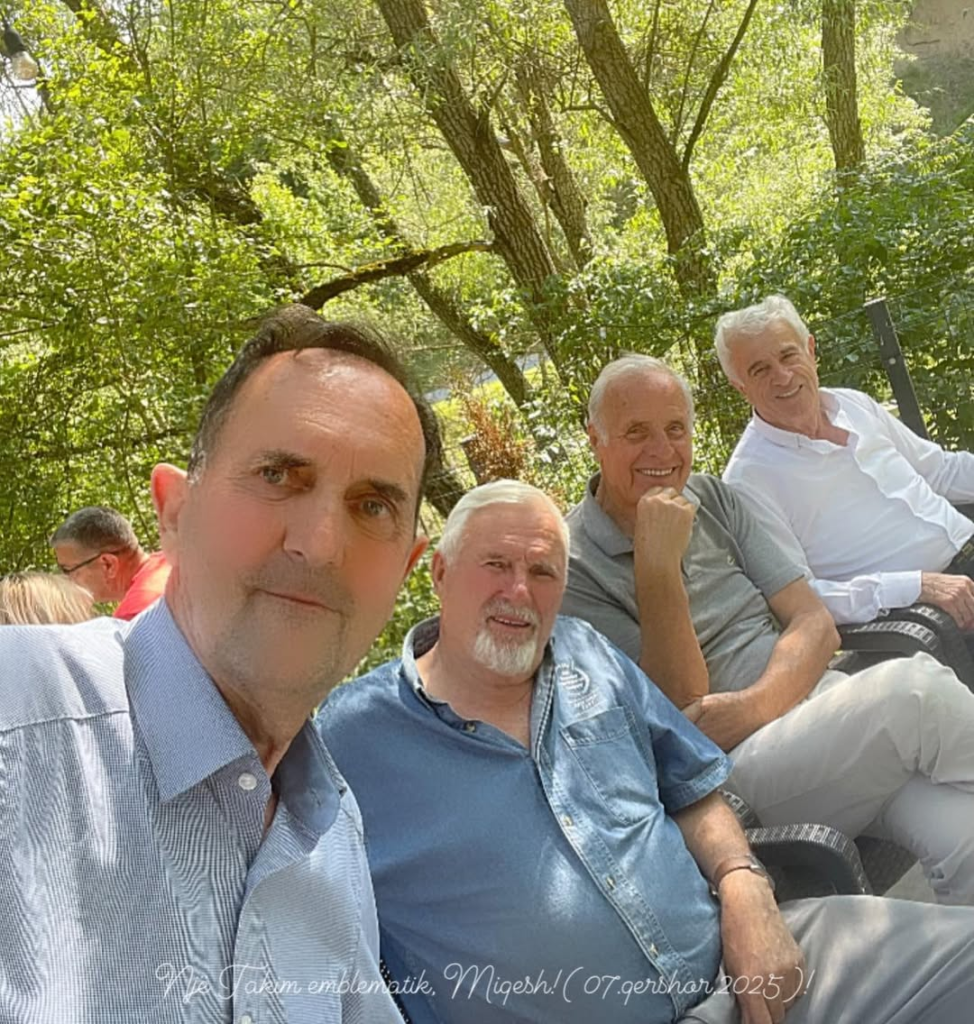
“An emotional meeting, on the 26th anniversary of the release from the notorious Serbian prison (kidnapping), of my dear friend – Halil Bllaca, on June 7, 1999.”
Serbian war criminal Nebojsha Pavkovic is cleared of all charges
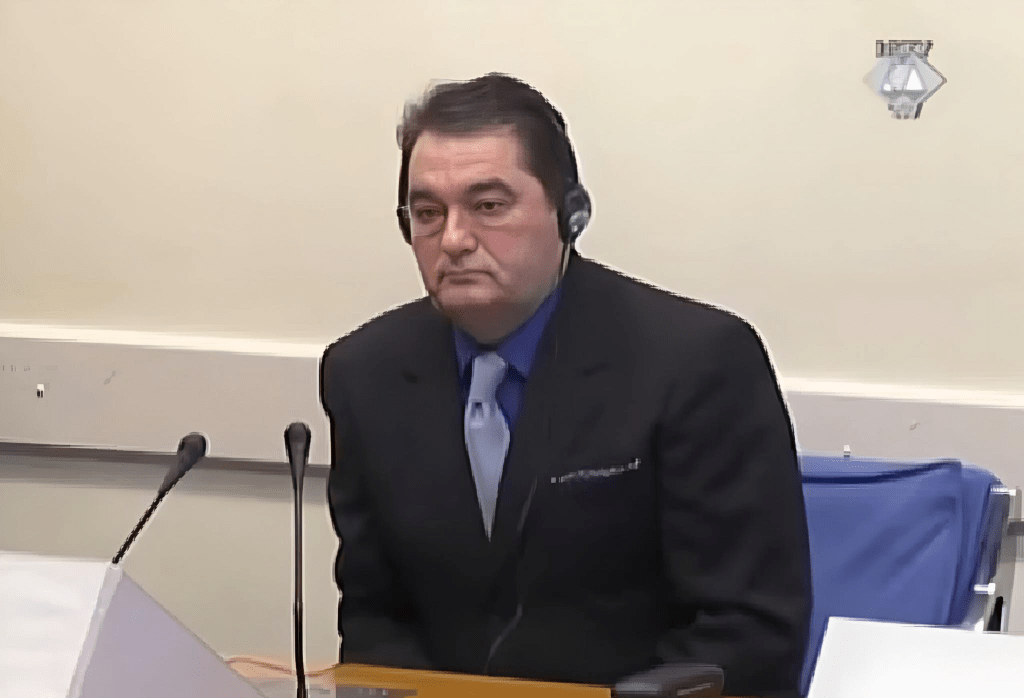
“The Hague Tribunal in 2014 decided to reconfirm the sentence of the Serbian criminal Nebojša Pavković with 22 years in prison for war crimes, crimes against humanity, murder, mass deportations and displacement of the population during the war in Kosovo 1998/’99 Due to his serious health condition in prison, the war criminal, the infamous Serbian general Pavković has arrived in Serbia from a Finnish prison today and is now free. “
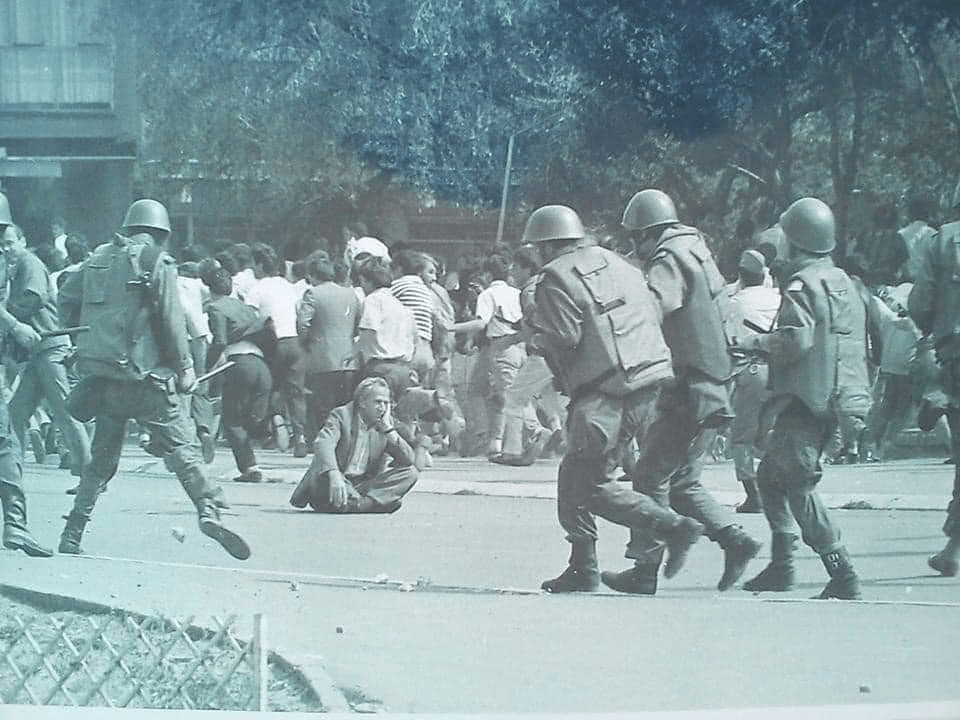
Albanian peaceful protester sits cross-legged as Serbian riot police attack Albanian civilians.
Nezir Gashis interview from the memories of the infamous Nish prison from 1964.
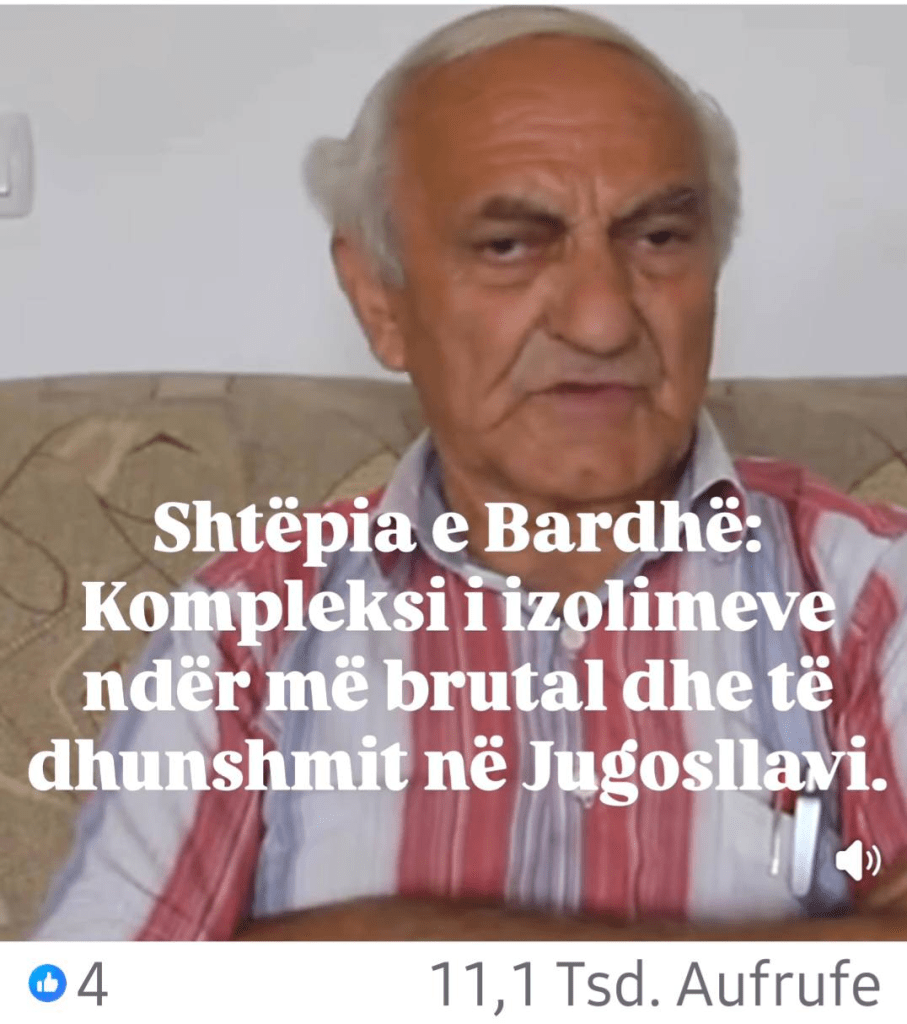
Kadri Kusari and Ramadan Shala were imprisoned in Nish
“This generation of steel suffered, was persecuted every time by the occupying barbarians. This persecuted layer was never free. But at every step and movement followed, persecuted by the Serbian and Albanian Udba scumbags, who were Blacker than the Serbs unfortunately! So, they spent the most difficult days of their youth life in the infamous cell casemates of the Racist YU state.
In all stages of the wild times they were isolated, prisoners mistreated with the most savage methods by the enemy beasts. So there was no surrender for them! At the end of their old age they enjoyed a part of the freedom of the KS for which they never stopped until their last breath.”
White house complex of the Nish Prison
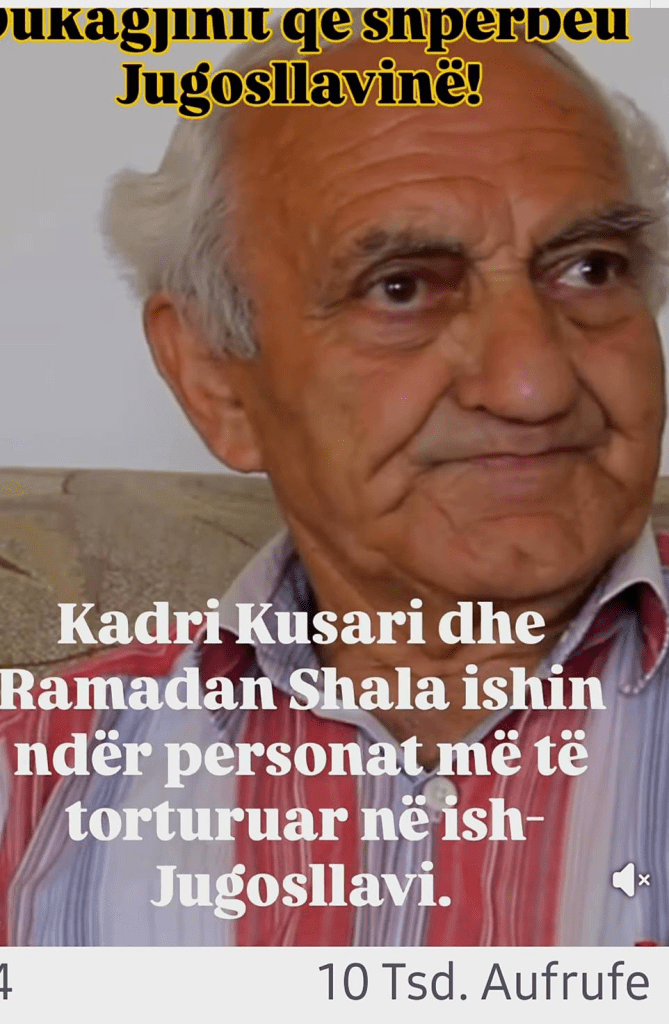
The “white house” was an isolation complex which, according to this Albanian witness, was horrible.
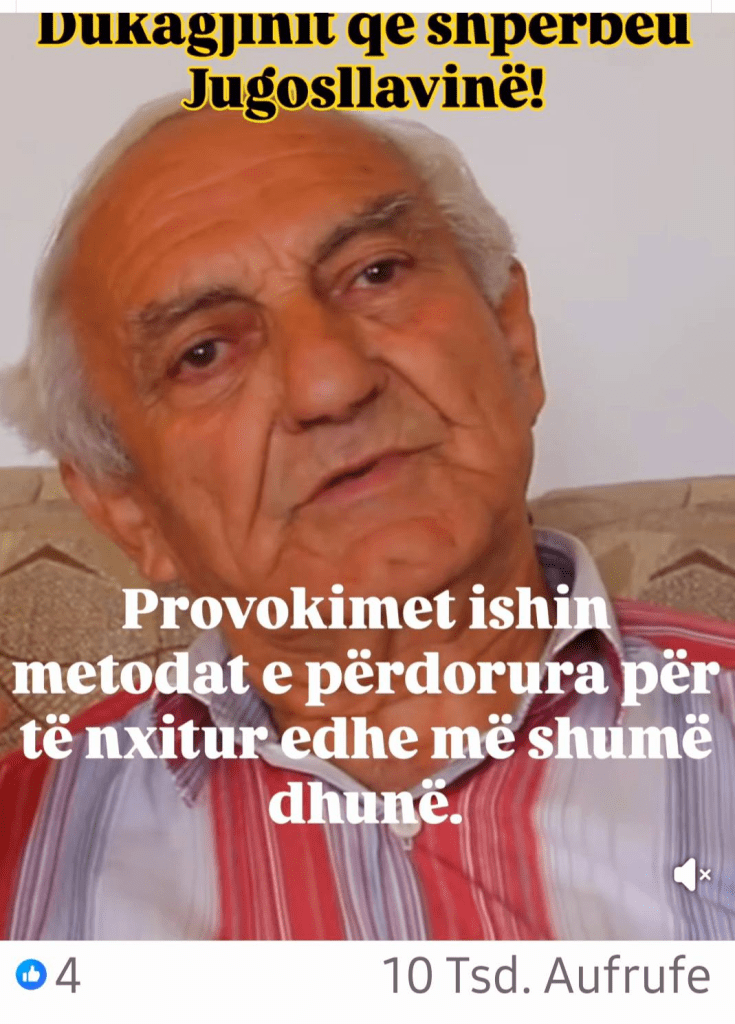
“The Serbs used provocative methods to torture us”
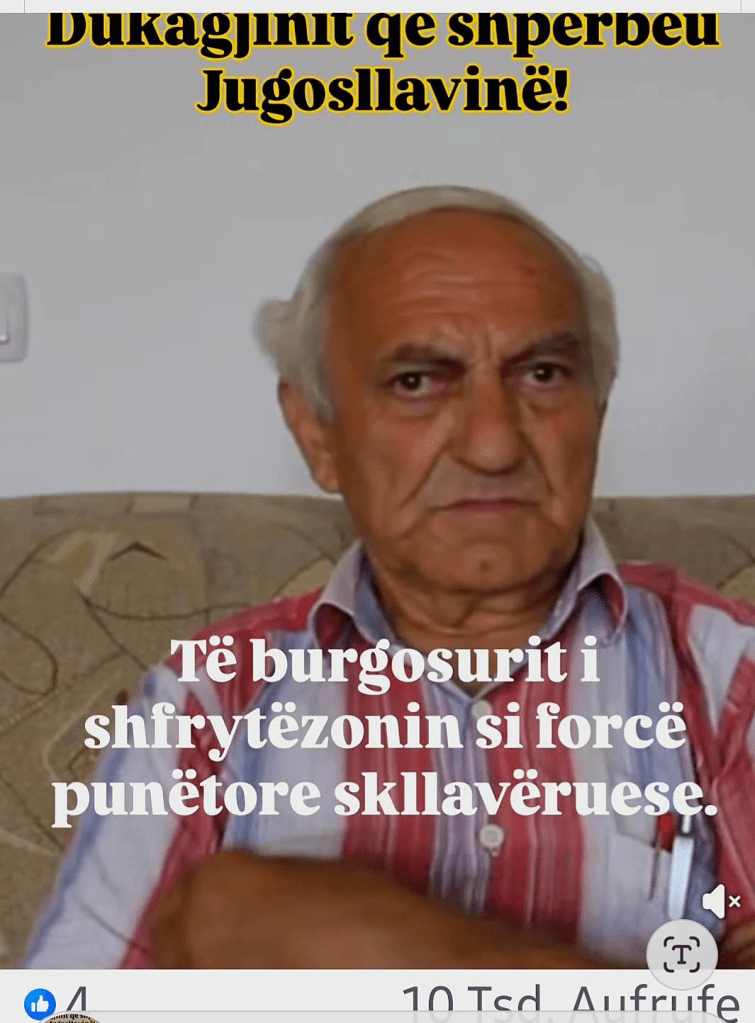
“The Serbs used us as slaves”
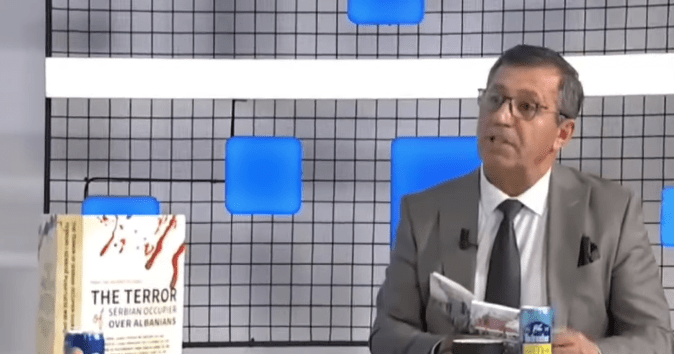
“Lies are a form of Serbian patriotism and a proof of our innate intelligence”
– Dobrica Çosic
(Cited by Nusret Pllana)
The sacrifices of Adrian Krasniqi from Vranoc who fought Serbian oppression in 1997
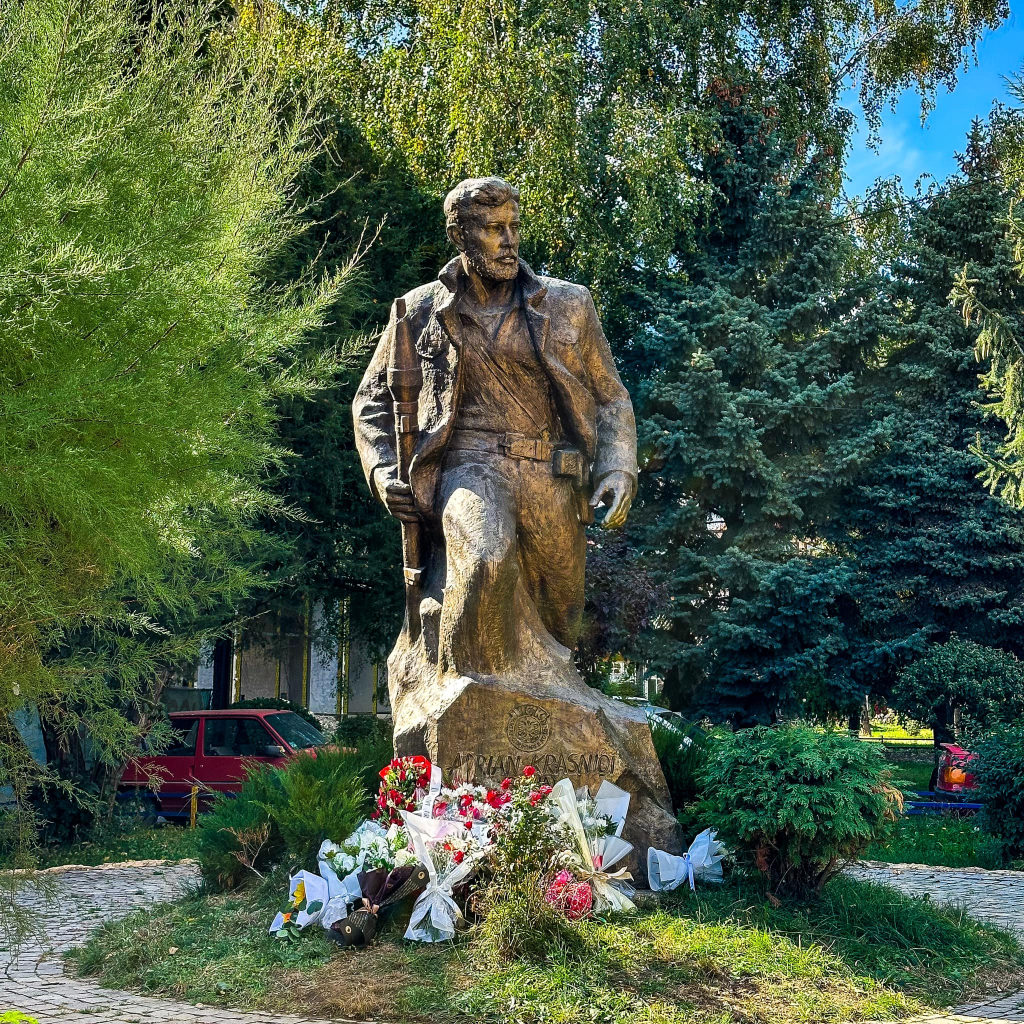
“The foundations of the freedom struggle were laid precisely by Adrian and his friends. The boy from Vranoc, who was expelled from school since he was in high school by the then Serbian regime, for his beliefs and goals for freedom and independence of Kosovo, was among the first names to form the Kosovo Liberation Army.
After an action in the village of Kliçinë on October 16, 1997, attacking the infamous Serbian police station, in the ongoing fighting with Serbian forces, he fell on the altar of freedom, to become an even greater motivation for other boys and girls of Kosovo, to fight until the country’s freedom.”
Colonel Ali Aliu who was sentenced to 4 years of house arrest by the Yugoslav rregime
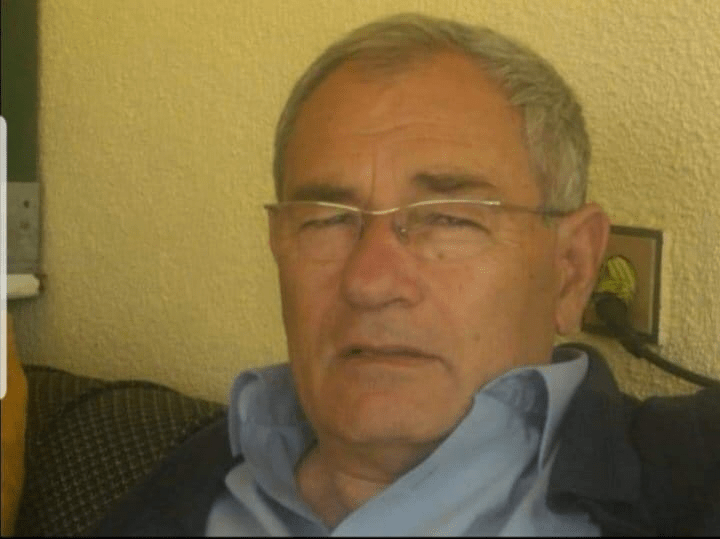
“On May 1, 1948, my brother, Ali Aliu, was born, an ordinary, beloved man, but a brave man, a courageous pilot and a general who never bowed his head in the face of the injustice that was being done to the Albanian people in the former Yugoslavia. This resistance of yours also cost you persecution, initially, by sentencing you to four years of house arrest, and at the end of May (1999) also by kidnapping. Two weeks later, in the early hours of the morning, you were released from the infamous Serbian prison.
Therefore, this day, June 9, is celebrated as your birthday, but at the same time it is also the day when freedom returned – for you and for all those who fought for it.
Today, we proudly remember not only your birthday, but also your release from Serbian prison in 1999 – a powerful symbolism that makes this date even more sacred for our family and for the people who cherish you.
I wish that the health, happiness and pride that you have sown with your deeds will always accompany you. May this day be a reminder of your strength, endurance and love for the homeland.
Congratulations and many more years, dear brother, honored colonel, living hero.
Sheriff with family.”
Serbian eco-criminal Vuk Hamovic.
by Berat Buzhala.
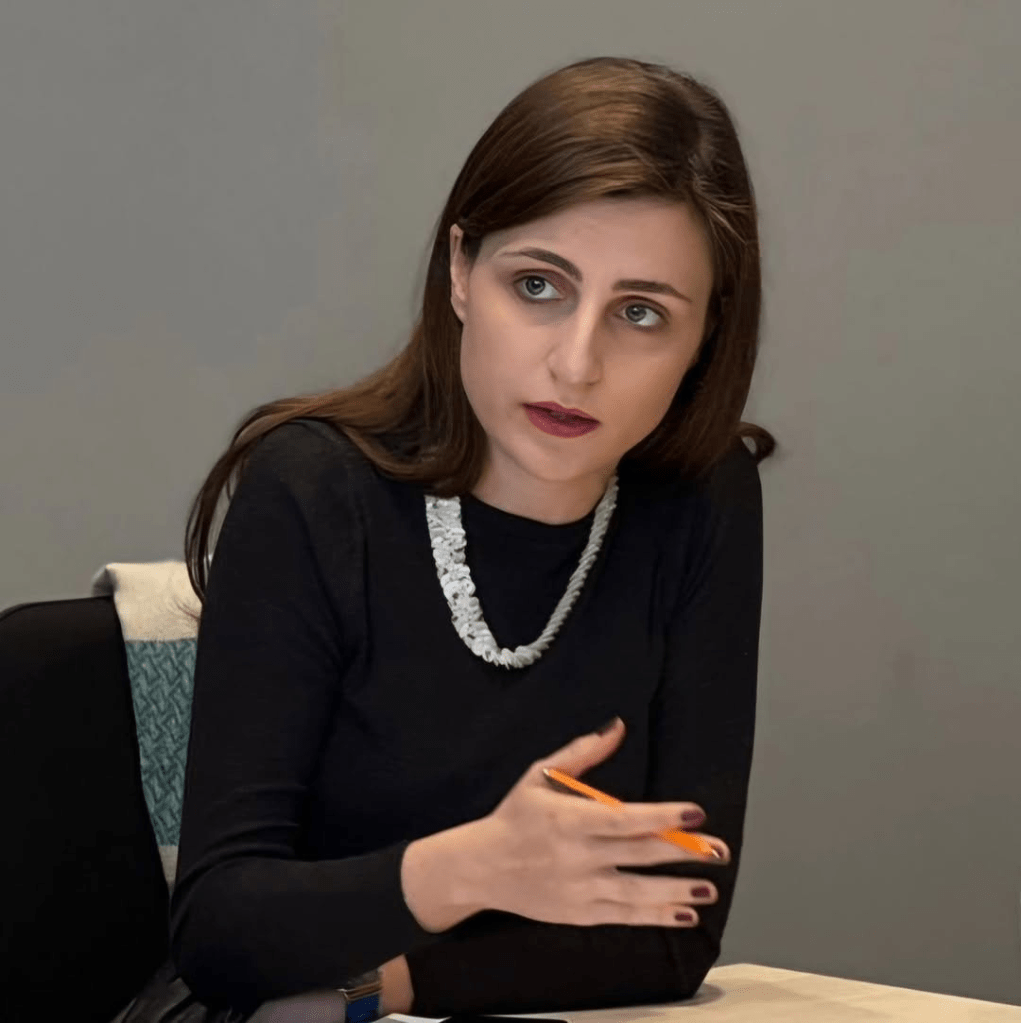
“For over a year, Janina Ymeri has been working day and night to expose one of the most horrific crimes of this government, the electricity business they did with the notorious Serbian businessman, Vuk Hamovic, including the electricity they bought on November 28, on this day so symbolic for Albanians.
Vuk Hamovic is not just a Serbian businessman, like all the others. Vuk is the son of Serbian general Rade Hamovic, while Rade and Vuk Hamovic were and are friends of Aleksander Rankovic and the Rankovic family, former Yugoslav Minister of Internal Affairs, known for the monstrous crimes against Albanians, after the end of World War II.
The electricity business in the Balkans has been controlled by the Serbian mafia for 4 decades, which is closely linked to the Serbian secret service and the main families of figures in this service.
Vuk Hamovic and Damir Fazlic are the two main figures of this structure. Vuk Hamovic is the son of General Rade, while Damir Fazlic is the nephew of the famous Stanisic, the former head of the Serbian secret service during the Milosevic era.
Janina, with tireless work, little by little, has uncovered this affair, revealing to the public with facts how the Kurti government has turned Hamovic’s company into a reliable partner for selling and buying electricity.
Of course, this event cannot be viewed separately from Martin Berishaj and his connections with the Belgrade GEN.
Bravo Janine. If I’m not mistaken, Janina will also be on the LDK list for deputies. The Assembly needs deputies like this.”
Dobrica Cosics anti-Albanian propaganda

“On the third page of Martin Berishaj’s thesis, a quote from the infamous Serbian academic, Dobrica Cosic, is quoted.
Berishaj, currently Kosovo’s ambassador to Croatia, graduated from the Faculty of Sociology at the University of Ljubljana in 1986.
In the thesis titled “The Transnational Meaning of the League of Prizren”, Serbian academic and writer Dobric Cosic is quoted in a religious context by the author of the thesis, Martin Berishaj.
“It is painful to be irrevocably bound to the dead by birth. It is even more painful to be blamed for everything by someone, because you are the son, grandson, descendant of those who in a fascinating, persistent and illusionistic way fought for freedom and unity,” Cosic is quoted by Berishaj in his diploma thesis.
Dobrica Cosic, quoted by Berishaj in his diploma thesis, is an academic and currently the most famous Serbian writer. He is known for expressing hate speech against Albanians.
In 2009, Cosic was sued by the Jurists’ Committee for Human Rights and the Helsinki Committee in Belgrade for inciting national, religious and racial hatred against Kosovo Albanians in his book “The Time of Snakes”.
In this work, Cosic crudely presents the nationalism of the events of 1999-2000. And, on page 211, he calls the Albanians; “the social, political and moral inferiority complex”, while the Serbs “the most civilized, most educated people in the Balkans”.
The introduction to Ambassador Berishaj’s thesis deals with the perception in the former Yugoslav Federation of the League of Prizren.
“In recent years, the League of Prizren has been treated as an anti-Yugoslav military-political organization that aims to create a Greater Albania. Especially, after the Kosovo demonstrations in 1981, the League of Prizren has been described by some ‘historians’ as anti-self-government”, writes the author Martin Berishaj.
According to Berishaj, the reason for characterizing the League of Prizren as “anti-self-government” is the denial of the League of Prizren, for which he says that “I also stand in those positions because it is anti-Yugoslav and anti-self-government”.
“The reason is the non-recognition of the real League of Prizren, and in any case the recognition of the “Second” League of Prizren which was formed in 1943 by the organization Balli Kombëtar for which I also stand in those positions because it is anti-Yugoslav and anti-self-government”, he writes.
Martin Berishaj is suspected of being involved in a financial money laundering scandal in Slovenia.
Kosovo’s ambassador to Croatia is suspected of having transferred around 600 thousand euros in cash from his bank account in Montenegro to the Slovenian politician, Robert Golob, chairman of the Freedom Party.
Incidentally, the financial means, the company MB Consulting, owned by Berishaj, had received from a Serbian energy company, GEN.”
The Battle of Kosovo as a chauvinist Serbian irredentist phenomena
Naz Shatri writes:
“Gazimestan – an anniversary that should be banned by law!
On June 28, 1389, the Battle of Kosovo took place on the Kosovo Plain between the Ottoman army and that of the Serbian prince Lazar. This battle, which ended with the defeat of the Serbian forces and the assassination of Prince Lazar himself, became the foundational myth of Serbian nationalism – a myth based on defeat, victimization and hatred of others.
The anniversary of this battle, which is commemorated every June 28 in Gazimestan, has been used for decades as a tool for chauvinistic propaganda and incitement of ethnic conflicts. The culmination of this policy occurred on June 28, 1989, when Slobodan Milošević gave his infamous Gazimestan speech, warning of Serbia’s “coming battles” – a warning that preceded the genocidal wars in Croatia, Bosnia and Kosovo.
Today, more than ever, it is imperative that Kosovo legally ban the celebration of this anniversary, which glorifies a lost battle, a chauvinistic ideology and a legacy of violence. There is no place for medieval myths of hatred in a democratic, modern and multiethnic society.
Stop Serbian chauvinism in Gazimestan! Do not allow history to be used to poison the present and the future.”
Albanian freedom fighters defeat Serbian terrorists in Theranda in 1999 at the police station where Albanians were tortured
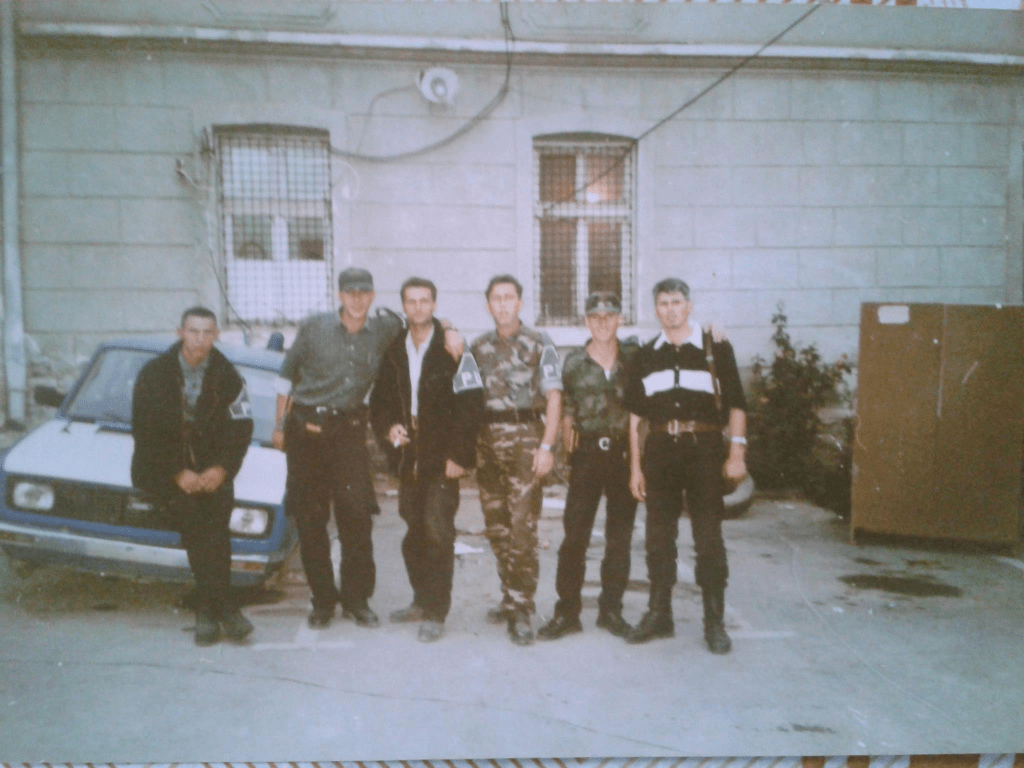
“Triumphalists over the Serbian enemy.
June 1999. After a fierce battle with enemy forces, the city of Theranda was taken under control and liberated by the U.C.K. forces. The city was filled with the corpses of Serbian soldiers and policemen. This photo was taken a few days after the infamous police station in Theranda was taken under control, where hundreds of Albanian patriots were tortured and mistreated.
The emotions were indescribable, after I was appointed the first Albanian commander after the war. After that moment the people began to enjoy the long-awaited freedom. In the photo from the right, me, Sabit Gashi, Bekim Kryeziu, Rexhep Gashi, Ylli Elshani, Avni Haxhiu and Riza Tixhaj, sitting on the car.”
Haqif Mulliqi writes:
FROM THE ALBUM OF THE WAR
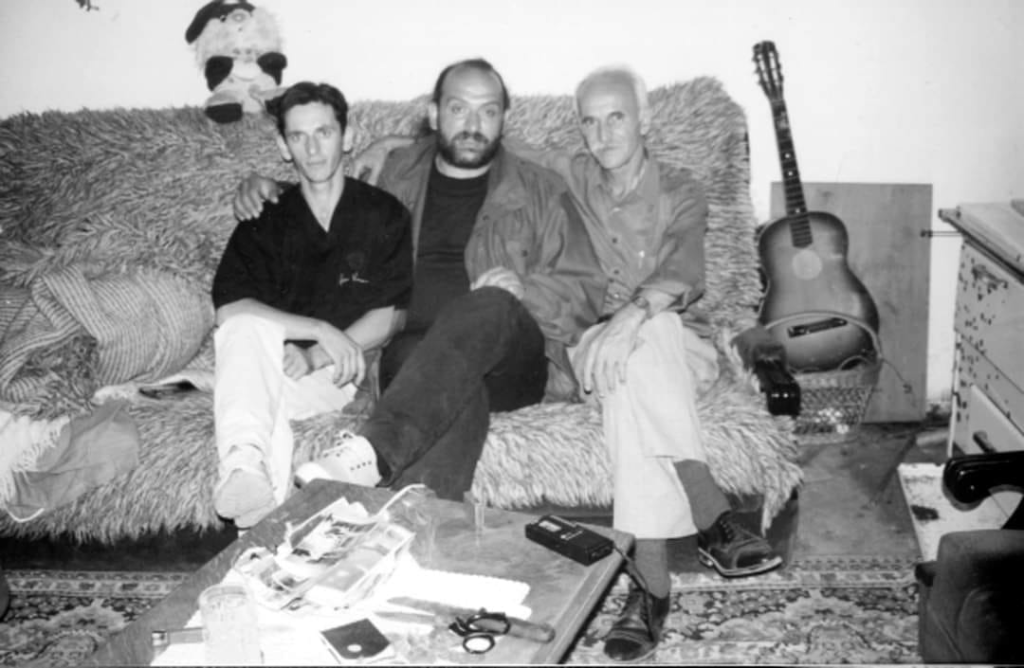
“These two men, my friends in the photo, are father and son – Mejdi Asllani and Asllan Asllani, two unyielding members of the Kosovo Liberation Army (KLA) who marked one of the most remarkable episodes of our liberation war, in the heart of the capital, Pristina.
It was March 1999, when, in the Kalabria neighborhood (then Emshiri) of Pristina, Dragani, the most infamous Serbian policeman in the capital, was killed. The bandit who had left nothing undone to oppress the Albanians was killed, along with two other policemen, when they entered the house of KLA fighter Mejdi Asllani, who, due to his age, we called “The Old Man,” and his soldier sons. They happened to be there because they had been granted permission to secretly visit their family, but they were betrayed by some unknown informant, putting them directly at risk from the enemy.
Believing that the arrest would be swift and easy, Dragani and his comrades, who had terrorized Pristina’s youth for seven or eight years, entered Mejdi’s house at night, taking advantage of the dark night of that March and hoping the Asllani family would already be asleep. But, as I wrote in my drama “Gjakova: A Different War”, “In war, people are killed when it seems illogical to kill them, and sometimes they survive when it seems illogical to believe they could survive.” This is exactly what happened that night. A true drama unfolded, a life-or-death situation, like in action movies, with many unexpected twists.
So, the Serbian policemen entered the Asllani household, initially aiming to arrest them alive (this was the dream of every Serbian unit), and if there was resistance, they had the authorization to kill them. But a miracle happened, as despite being under the barrels of Kalashnikovs, Mejdi and Asllani managed, with the calmness of the “Old Man” and the physical preparation of Asllani, to turn the situation in their favor, disarming the Serbian bandits and catching them off guard, eventually neutralizing them. Dragani, the notorious Serbian bandit of Pristina, was eliminated along with two other policemen.
Afterwards, Mejdi and Asllani left Pristina, but they left behind a legacy.
Later, when lists of veterans were made and some media started publishing names of false veterans, I came across Asllan Mejdi Asllani’s name, the man who, alongside his father, made one of the most unique and exceptional histories of the war in Pristina.
Glory and shame at the same time.
P.S.
For those who have not read the entire story of this event and the accounts of The Old Man and Asllani, I invite you to read it in the following link on perpjekjashqiptare.com. You will not regret it in any way.”
On Isolation – Yesterday as a Punitive Measure and Today as a Health Measure to Prevent a Pandemic Virus
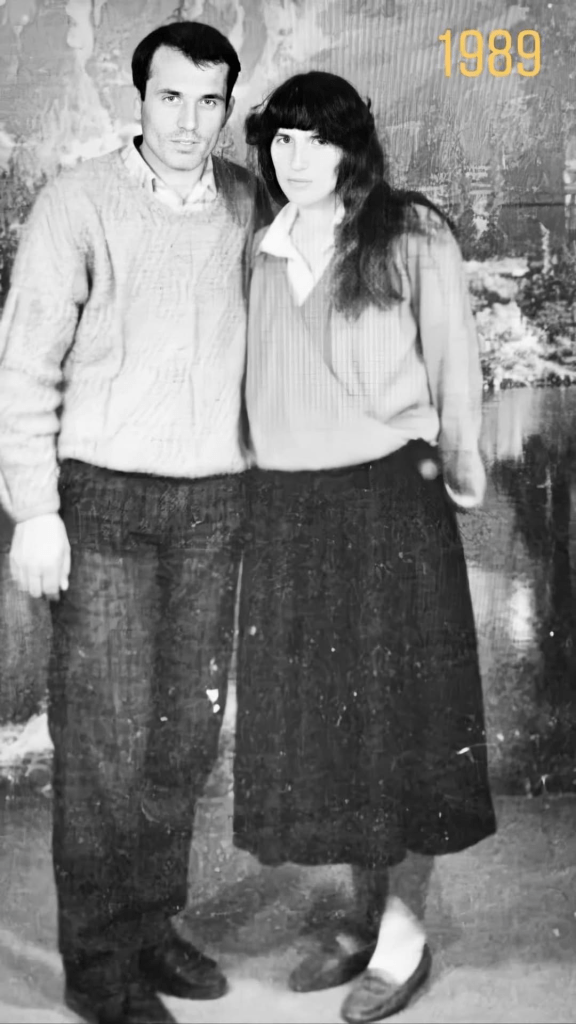
(in memory of March 28, 1989)
The pandemic that has recently affected the world has forced us to isolate ourselves in our homes. Having plenty of free time, we inevitably began to dig into memories and reflect on the past and the present.
Today, the word “isolation” has evoked an entirely different emotion due to one of those memories from the past.
Exactly today marks 31 years since the arrest of me and Ferat by the Serbian police and our imprisonment for nearly two months, in what the Serbs at that time called precisely “Isolation.”
What an irony?!
The 31st anniversary of our political isolation, once, finds us isolated today due to the spread of the pandemic, which is troubling humanity now!
Isolation, in the sense of that time, was a punitive measure taken by the Serbian regime in 1989 against 215 Albanian intellectuals, whose political stances clashed with those of the Serbian occupying apparatus. Ferat and I (then students) were among these “rebellious” intellectuals.
I spent over 50 days in 1989 under this isolation measure, locked in a cell in the notorious prison in Mitrovica, where no sunlight ever entered, unable to distinguish when the day ended and the night began, and deprived of every human right, starting with basic hygiene conditions, the right to have a lawyer, and denied any contact with my family.
Every day I felt threatened for my life! Every time I heard the noise of the key turning to open the door, I feared that the cycle of mental and physical torture would continue!
Others isolated at that time had endured even worse.
Dear friends,
I shared this part of my experiences from that time to recall my own and my family’s drama, not to draw a parallel between the isolation measure, which had a clear political purpose, and the one we are going through today due to the global pandemic, because, naturally, such a parallel can never truly be made. I shared this reflection to think about the “monotony” of isolation in our homes or the concern for our health today, in entirely different circumstances.
The time of isolation and torture that WE, as a people, went through serves us today to reflect on the fact that we have the courage and strength to overcome this challenge with the pandemic.
P.S. This photo was taken in June ’89, after my release from prison.”


 Balkan Academia