
Abstract
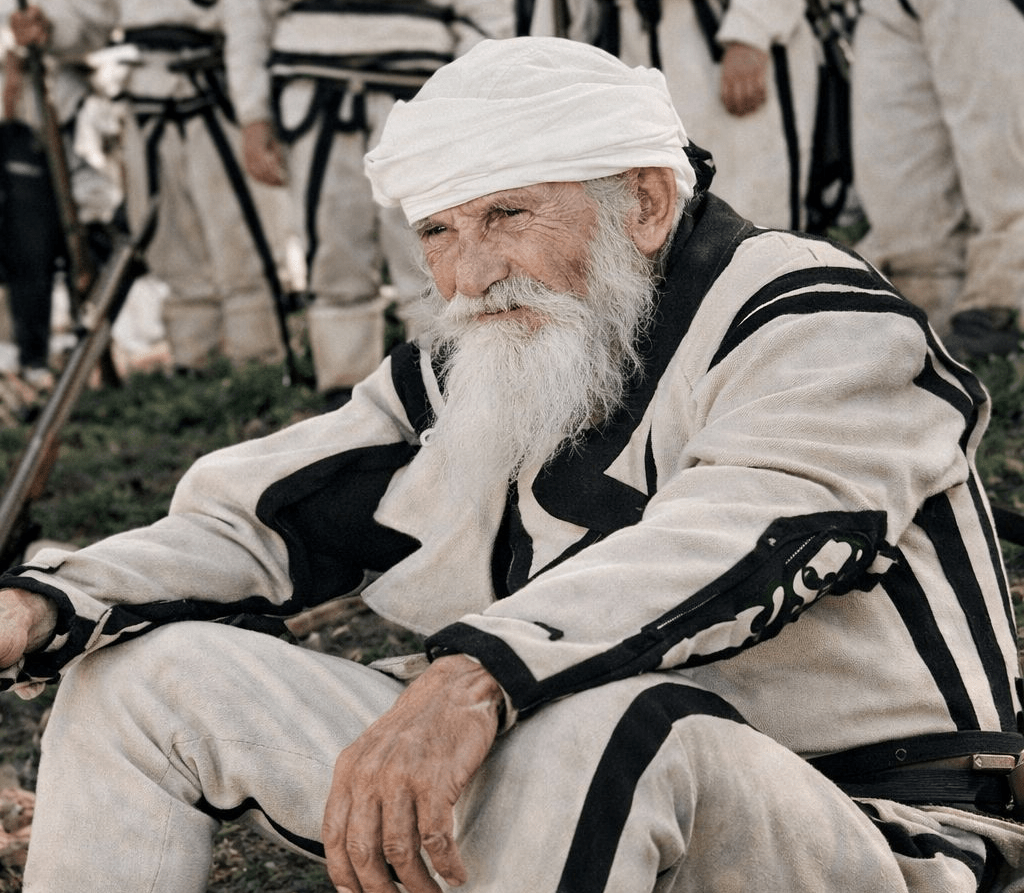
This text examines the life and posthumous significance of Sylë Zymer Bardhaj (1850–1973), reputed to have lived 123 years in the Rugova region of Kosovo. Drawing on oral history, descendant testimony, and local folklore, the study situates Bardhaj within the anthropological context of highland Albanian culture, where longevity is associated with moral integrity, resilience, and social memory. His life bridged multiple historical epochs, from Ottoman administration to socialist Yugoslavia. National acknowledgment of his death by the newspaper Rilindja reflects how extraordinary lifespans function as symbols of collective identity, continuity, and historical witness within Balkan mountain communities.
Sylë Zymer Bardhaj was born in 1850 in the village of Kuqishte, located in the Rugova region of present-day Kosovo, and is believed to have died in 1973 at the age of 123.
Sylë Zymer Bardhaj was born in 1850 in the village of Kuqishte, located in the Rugova region of present-day Kosovo, and is believed to have died in 1973 at the age of 123. His exceptional longevity is preserved through oral histories, family testimonies, and local folklore passed down among Rugova descendants. Bardhaj’s life spanned profound political and social transformations, including Ottoman rule, the Balkan wars, and the formation of socialist Yugoslavia.
His death gained national recognition when the newspaper Rilindja, published in Pristina, reported it on its front page, describing him as one of the oldest people in the world. His story illustrates the cultural importance of memory, longevity, and ancestral continuity in highland Albanian societies.
Source
Information gathered from descendants of Rugova, and through local folklore. A special thanks to Zenun Nikci.


 Balkan Academia