
Abstract
This text critically examines the shifting interpretations of Stojan Novaković regarding the ethnic composition of the region surrounding the Monastery of Arhilejevica near Skopje. While Novaković initially acknowledged the historical presence of Albanians in the mountainous areas around Skopje in 1893, his later published works revised this position, identifying the population as Vlachs.
By contrasting Novaković’s early handwritten statements with later publications and with evidence from Russian Byzantinist scholarship, the text argues that these revisions were influenced by political engagement rather than new historical findings. The study highlights the persistence of Albanian populations in the region from antiquity through the early modern period and raises broader questions about historiography, politics, and ethnic representation.
Stojan Novaković wrote in his own hand that Albanians had been preserved in the mountainous regions around Skopje.
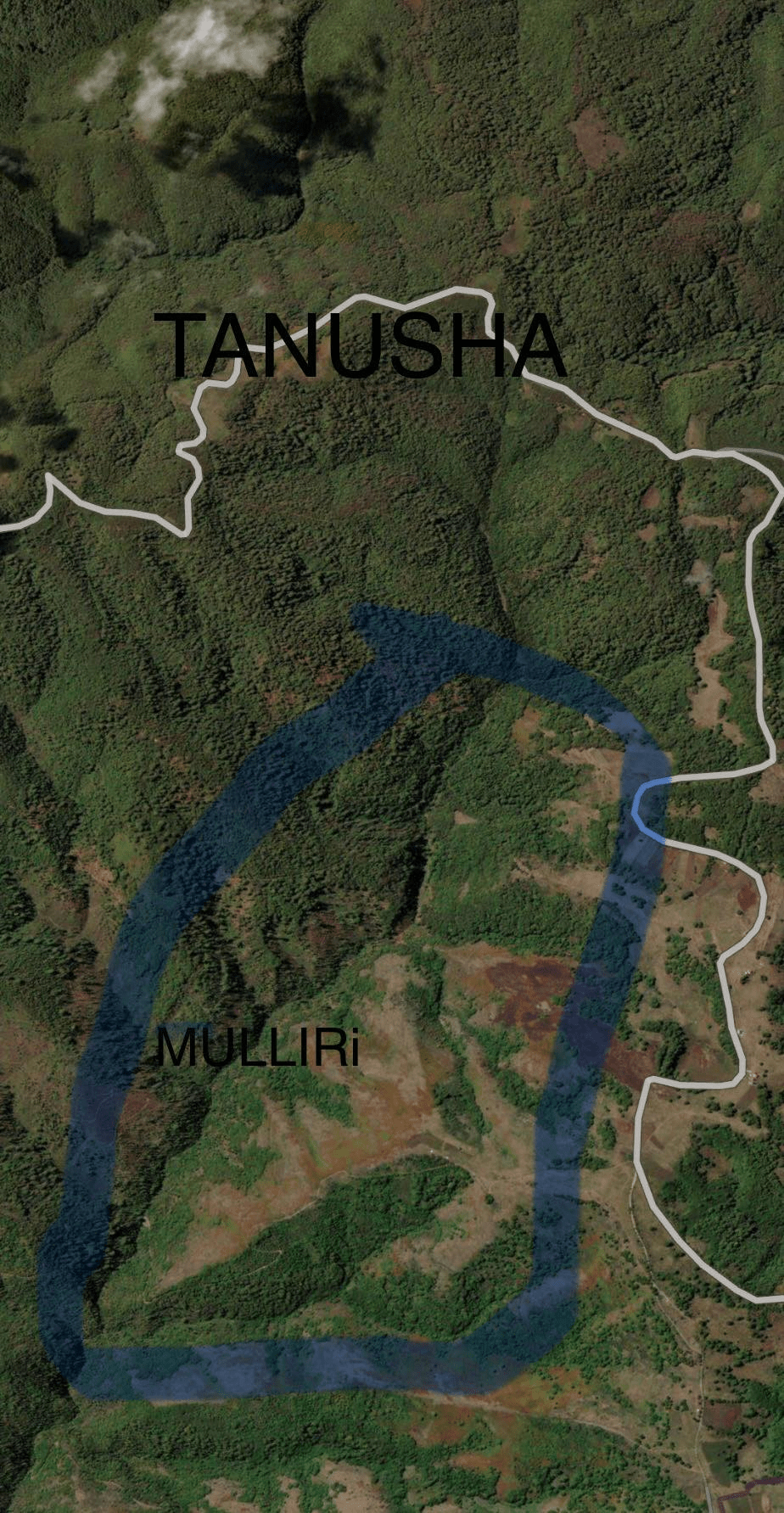
He recorded this in 1893; however, after entering political life, he carried out what he himself presented as a “correction” of this earlier statement. In the published copy of the Charter of the Monastery of Arhilejevica in Novaković’s book (pp. 446–448), among other matters, the surrounding area is no longer depicted as inhabited by Albanians (Arbanasi); instead, according to him, the inhabitants are now identified as Vlachs.
Evidence contradicting this claim is also found in the writings of Russian Byzantinists, who state that “in none of the charters examined by us, neither in the second Charter of Arhilejevica nor even in the first, does the term ‘Vlach’ appear anywhere.” This raises the question: what, then, are the sources attesting to the location and ethnic context of the Monastery of Arhilejevica?
It suffices to note that today we know that, from approximately the first century, Albanians were preserved in the mountainous regions around Skopje until the eighteenth century. This perceptive and resilient Albanian population was firmly rooted in this area and gradually expanded further, incorporating historical developments into its own continuity. This interpretation is supported precisely by the statements that Stojan Novaković himself wrote in his own hand, only nineteen years before publishing his book Legal Monuments of the Serbian States in the Middle Ages (1912).
However, his involvement in political activity not only prevented him from returning to what he had previously written about the Albanians, but in the aforementioned publication he introduced what he described as a “correction” of his earlier position—one that can be understood as erroneous.


 Balkan Academia