
This article is dedicated to the Albanian patriots who were imprisoned, tortured and killed by the Yugoslav authorities at the Goli Otok prison camp between 1948 to 1988. Information gathered by various Albanian publicists.
Ky artikull u kushtohet patriotëve shqiptarë që u burgosën, u torturuan dhe u vranë nga autoritetet jugosllave në kampin e burgut të Goli Otokut midis viteve 1948 dhe 1988. Informacion i mbledhur nga publicistë të ndryshëm shqiptarë.
Ahmet Shatri
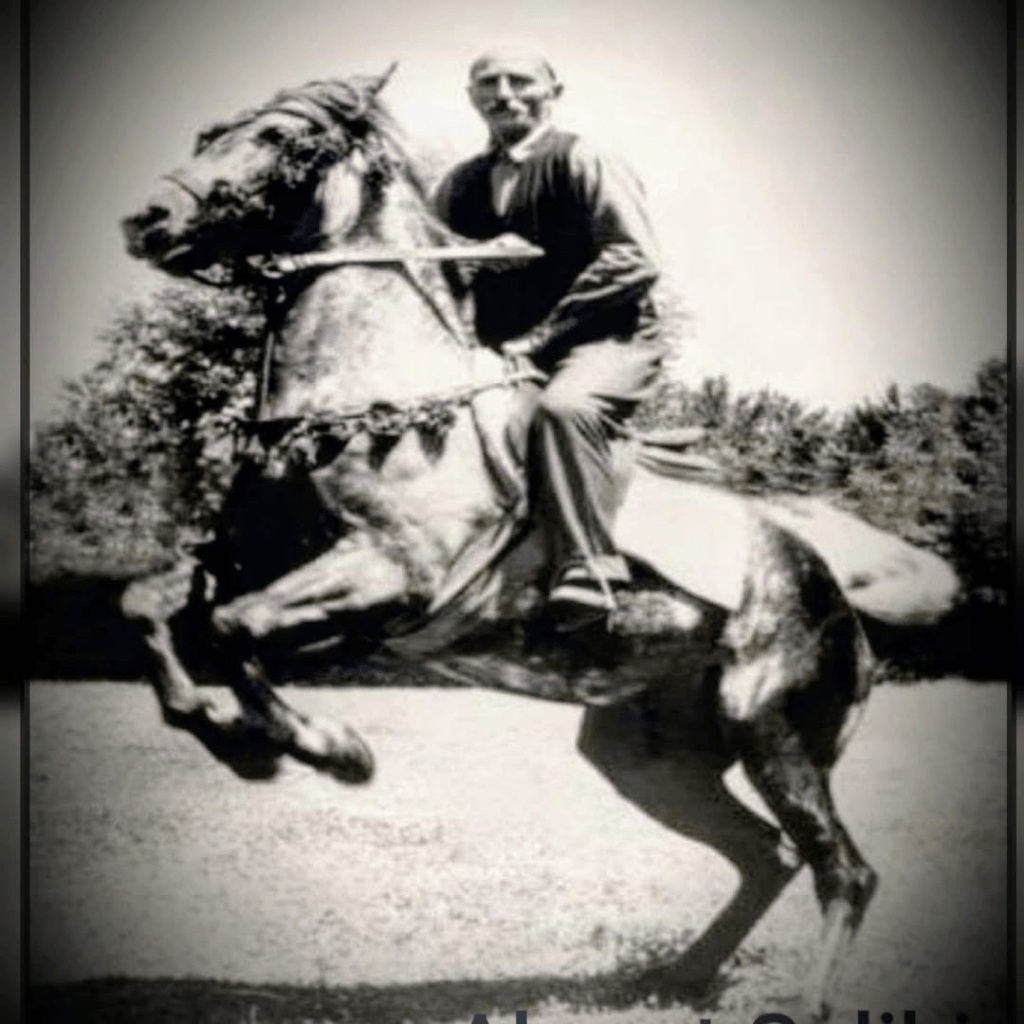
“This is an original photo taken in the 70s by Jahja Shatri. In the photo is Ahmet Shatri (father’s uncle), known as a distinguished fighter in the war of Peshter and (Novi) Pazar against the Chetniks, known as the father of Sali Shatri who had fled to Albania after the Second World War and had worked his entire life for the Kosovo issue where for this reason his father Ahmeti, brother Isai and many others were imprisoned in Nish and Goli Otok and then Ahmet Shatri with his entire family was interned in Banat-Vojvodina!”
Credit: Sami S. Shatri
Isa Iliazi (Hoxha)
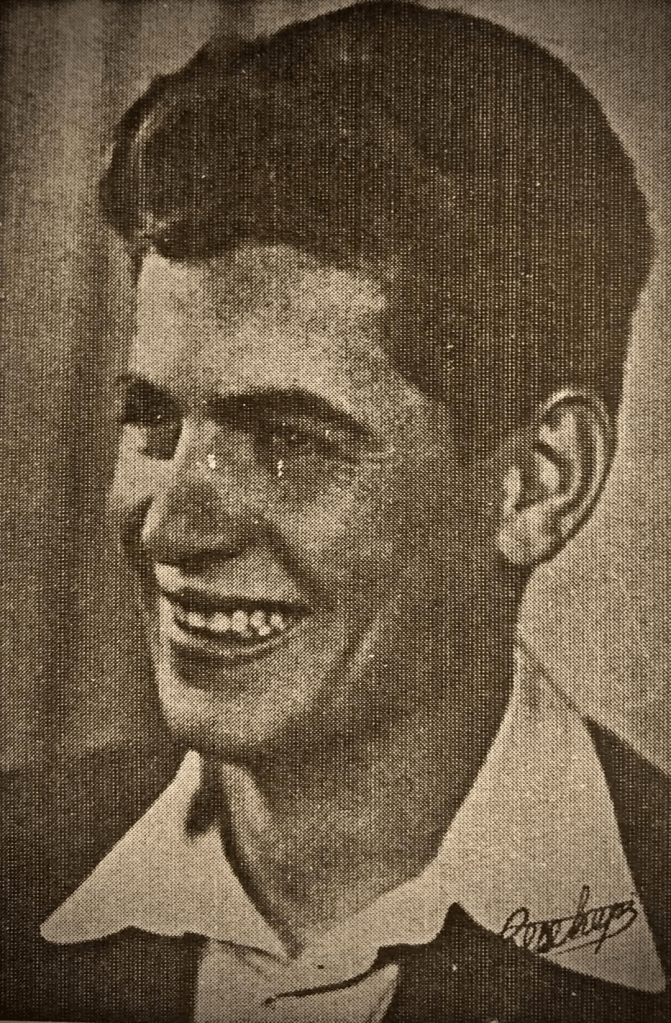
Chairman of the SHKA “DRITA” from its founding until 1949 when he was imprisoned and sentenced to 16 months in prison in Goli otok. The Cultural and Artistic Society “Drita” was founded in the spring of 1947 and initially gathered many talented individuals in:
-Music (singers and instrumentalists)
-Folklore (talented dancers)
-Drama, and Sports
“Gjilani – cultural retrospective””
Credit: Prof. Reshat Ramadani
Fadil Lushi, author of the book “Via Golio Otok”
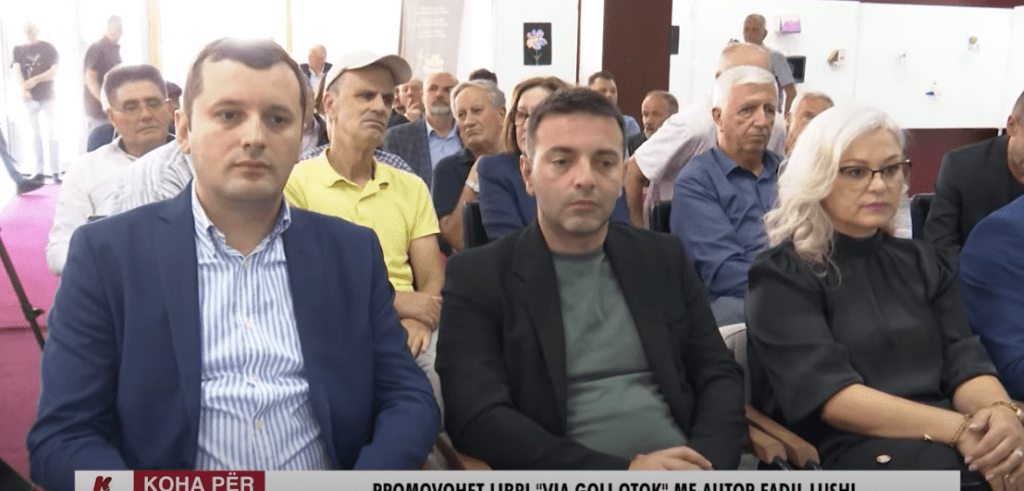
Full video: https://www.facebook.com/reel/1588925071696248
Mulla Zekë Berdynaj
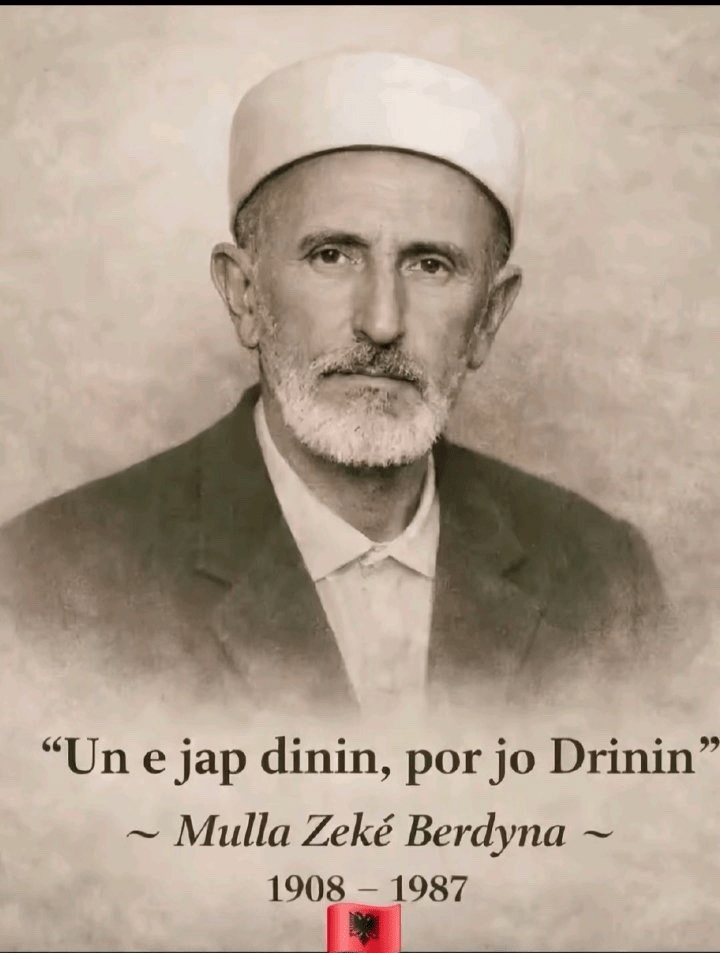
Credit: Adil Fetahu
Ibrahim Gashi

“Baca Ibrahim was imprisoned for collaborating with Rifat Berisha and was sentenced to death, but then his sentence was reduced to 20 years in prison, part of which he served in Goli Otok. One day, Baca Ibrahim told me, the guards took me and sent me to a room. An udbash told me: If you want three meals a day, good food, to have stones removed from your back, a bathroom for cleaning, to have a comfortable sleep, to be allowed to visit you whenever you want, to have your wife visit you here and be free, never to be beaten again and many other advantages, you must cooperate with us.”
Credit: Hamdi V. Thaqi
Azem Daut Nika
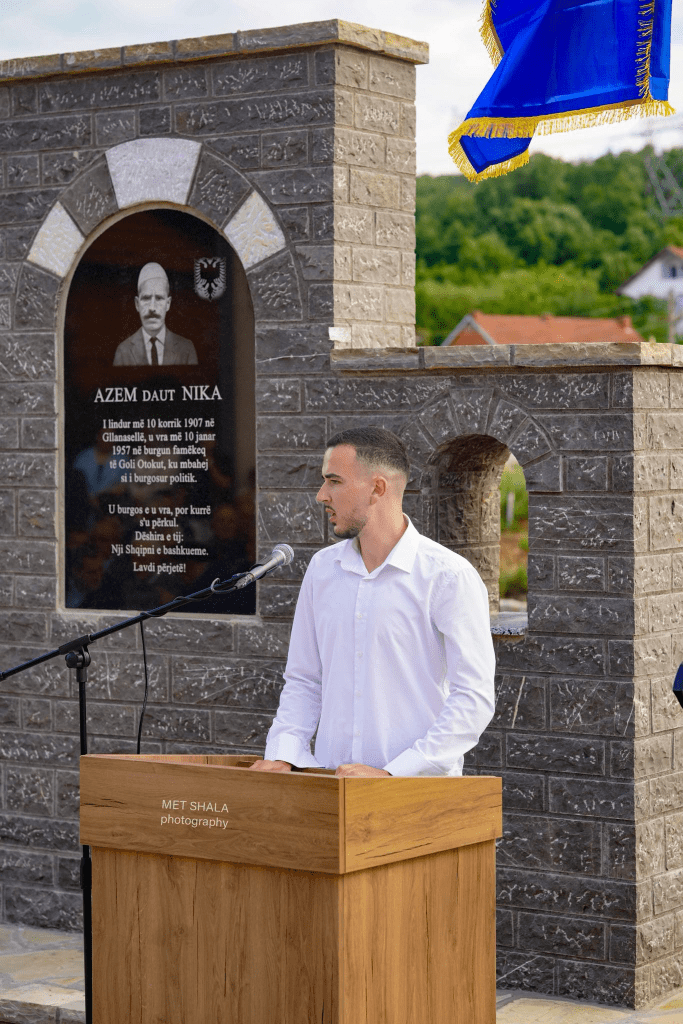
“Baca Azem returned to his birthplace, in Gllanasellë. He came from a distant place and a distant time (Goli Otok prison, 1953–1957), when Kosovo Albanians were imprisoned and killed just because they believed that Kosovo should unite with Albania. He became an epitaph, a well-carved stone, just as his activity was, good and just. All we have of Baca is: a stone, a photograph and, recently, a file. But not his grave, nor his body. This stone is being made into a grave, on the street that now bears his name. July 10, 2025!”
Credit: Fatlum Nika
Albanian prisoners at the Goli Otok prison
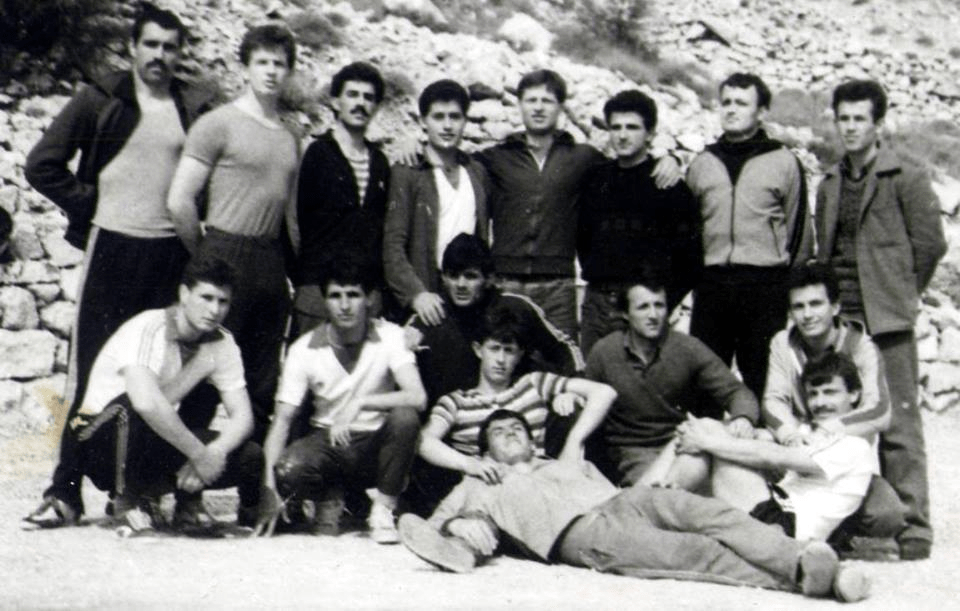
Credit: Bedri Halimi
Hasan Dylgjeri
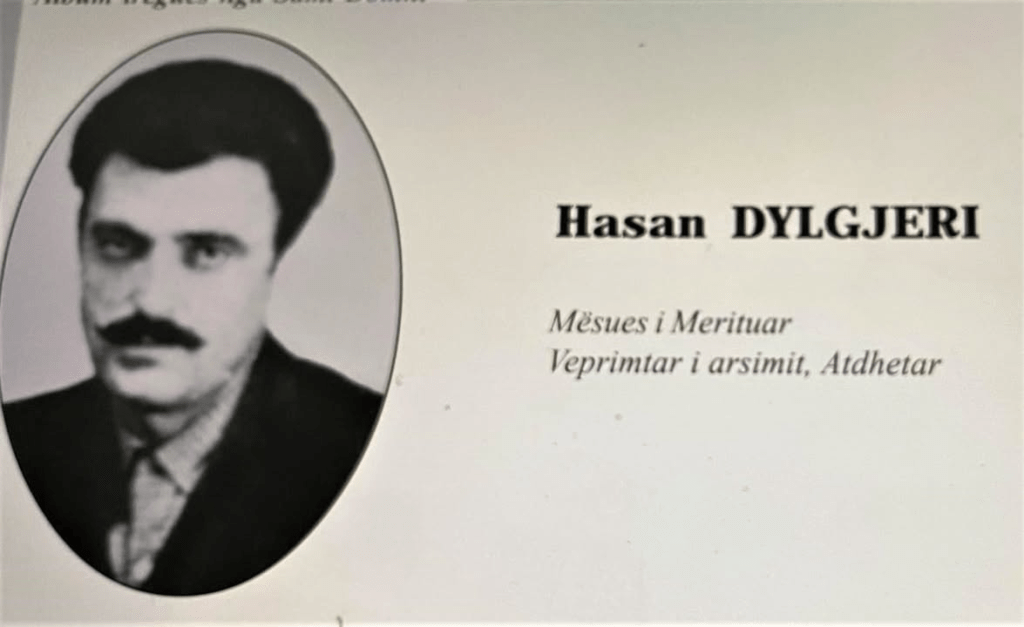
“Today, in the sixth installment: Hasan Dylgjeri, who opened 120 schools in Kosovo and none of them bear his name. Teacher Hasanit Dylgjerin, from Elbasan from 1942 until he was imprisoned by the Yugoslav UDB to serve a six-year sentence in Goli Otok, found himself at the top of the Kosovo education hierarchy, but despite the fact that he opened 120 schools in Kosovo, none of them bear his name (!). Teacher Hasan, in addition to the schools, also founded cultural societies, as well as the city theater itself in Ferizaj in 1942, but this city at least rewarded him with a street name. (More on the prointegra.ch portal, with photos published for the first time)”
Credit: Rexhep Rifati
Prof. Fadil Sulejmani
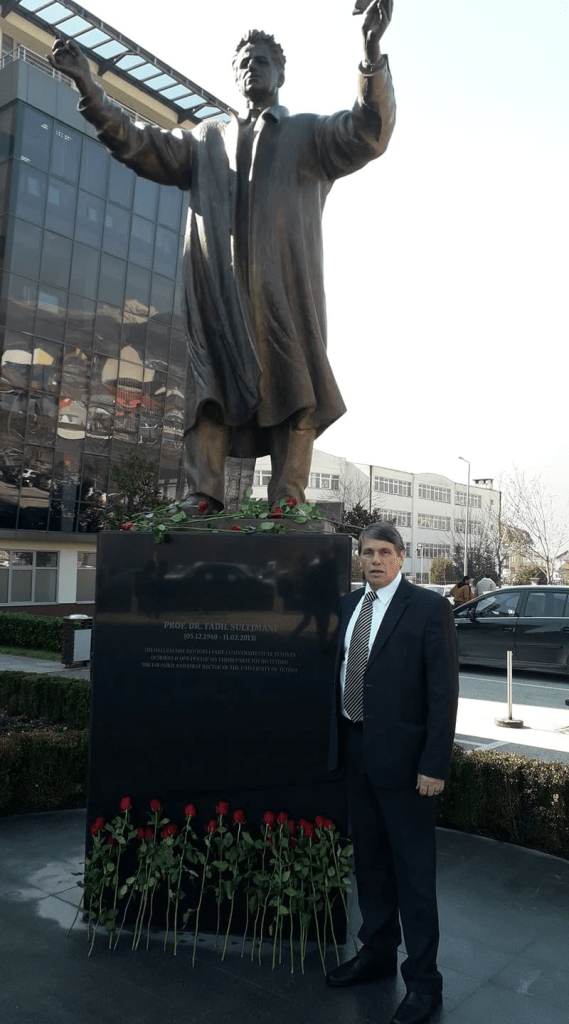
“A special Congratulations to all those education lovers who sacrificed themselves for Albanian education for the Albanians of Macedonia, suffering even in the most notorious prisons of communism, from Skopje-Nish to Goli Otok”.
Credit: Vebi Xhemaili
Rexhep Balidemaj, sentenced to 6 years in prison
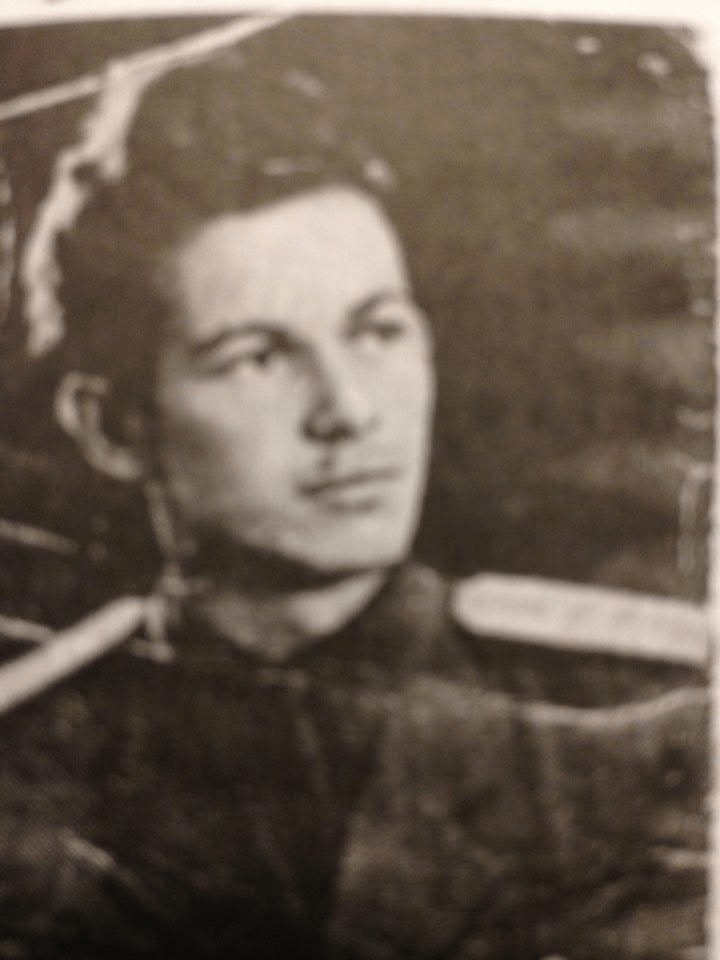
Credit: Simon Gjoni Sinishtaj
Sylë Mehmeti of Rugova
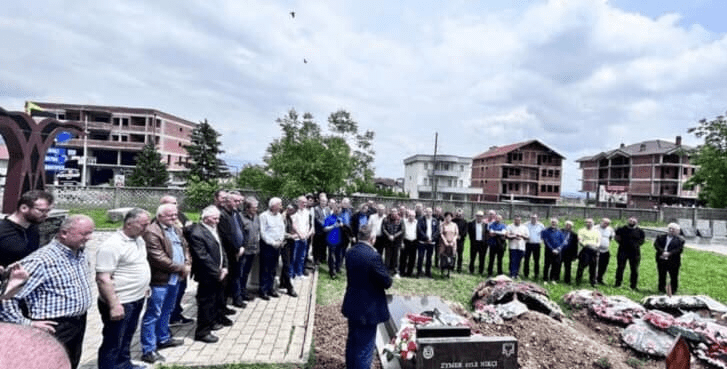
“Homage to the comrade-in-arms and like-minded person, Zymer Sylë Nikçi, the war veteran and one of the best men of Rugova and beyond.
Zymer proudly carried the national feats of many generations of the Zekë Ibraj family and the Kuklecaj neighborhood of Shtupeq i Madh. Raised as an orphan with a living father, Sylë Mehmet, who was exiled through Yugoslav prisons to Goli Otok. Ibrahim’s brother, one of the organizers of the 81st demonstrations and among the founders of the patriotic organization “Pavarësia”, who was killed together with Rexhep, the youngest brother, in circumstances that are still unclear. We will also remember Zymer for the great national contribution he made during his life. “Glory to your life and work Zymer Sylë Nikçi!
Credit: Salih Lajçi
Rexho Mulliqi
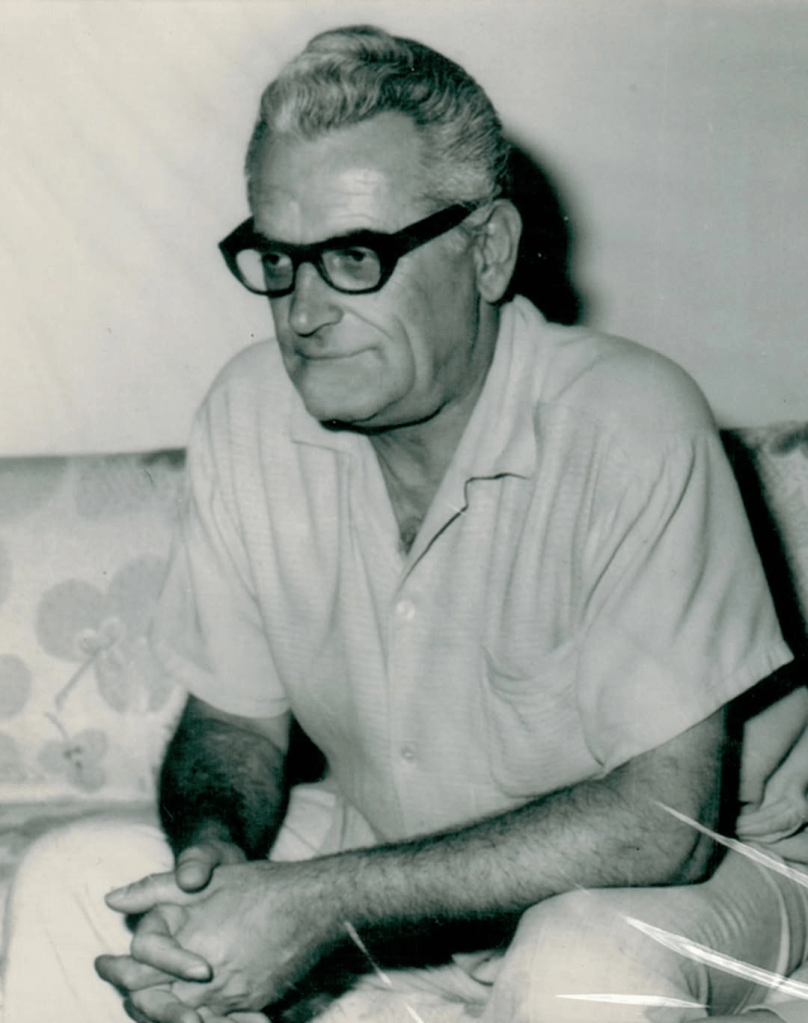
“On March 18, 1923, in Guci was born the great composer Rexho Mulliqi, known in his youth as Rexhep Mullaj. He completed primary school in his hometown to continue the Shkup Madrasah, until 1941. After that, he settled in Prishtina, where he stayed for three years (1941-1943). Then he enrolled in the Academy of Music in Belgrade (1946), but he could not finish his studies, because for political reasons, he was persecuted and imprisoned, serving his sentence in Goli Otok. After 1953, he returned to Kosova, where he first taught at the High School of Music in Prizren. In 1956 he went to Prishtina, where he directed the music activities of Radio Prishtina. He is among the first creators of choral songs, as the author of the first Albanian symphony in Kosova, the second in all Albanian music, including Albania. His wide and varied work includes almost all musical genres (except opera) and has been performed in major events of the musical life of Kosova and beyond. Rexho Mulliqi died on February 25, 1982.”
Credit: Micky Haxhiislami
Albanian Azem Daut Nika who was murdered in the Goli Otok Prison
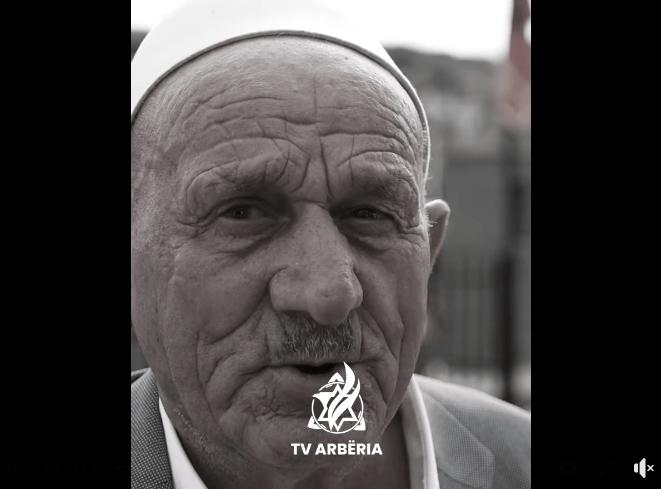
“68 years without Azem Nika, brutally murdered in the infamous prison in Goli-Otok, his son builds a memorial plaque for him!”
“In Gllanasellë of Drenas, together with the mayor Ramiz Lladrovci, and with honored relatives of the Nika family, in the presence of many residents of the village, the unveiling of the memorial plaque for the distinguished activity of the national cause, the former political prisoner, Azem Daut Nika, who was cruelly murdered in the infamous Goli Otok prison. Eternal gratitude for his work and perseverance, while today, with this memorial plaque, we immortalize the memory of him and all those who sacrificed themselves so that we can live free today. Eternal glory!”
Full video: https://www.facebook.com/reel/2110361389473058
Credit: TVArbera and Elmi Reçica.
Nezir Regjep Gashi
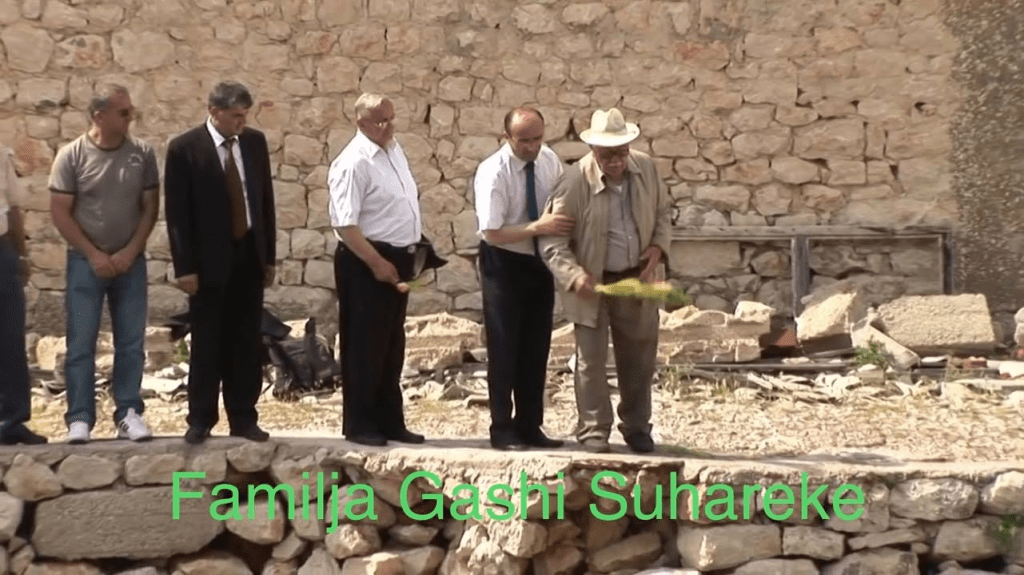
“Goli Otok: The veteran of these sufferings and a member of the Gashi family, the now deceased Nezir Regjep Gashi, in November 2010 laid flowers as a sign of respect for all of them.
The Balkan Alcatraz in the middle of the Balkans, which will forever remain synonymous with the violence and inhuman tortures inflicted on prisoners.
Forty main characters, a group of men imprisoned at the time, set off on an unusual visit to one of the islands of Croatia, with the aim of presenting a fragment of a history that had been left half forgotten, so to speak.
Albanian youth at the young age of 19-20 have experienced the horrors of this world, but for the sake of their families and society they do not tell about the suffering they have experienced.
In this country, the crime has lasted for more than 40 years without interruption, Every memory of this period is a strong emotion, one of the most emotional memories is the most brutal drownings here on Goli Otok, with their loved ones not returning their bodies, bones or even a single sign.
The protagonists of the horror and producers of this system are still not aware that this story deserves responsibility, serious explanations, self-reflection and a serious request for forgiveness to the victims and the civilized world that produced for peace, equality and freedom, this is the way to help ensure that this never happens again.
In 1988 it was closed by the Croatian authorities, putting an end to the most painful and terrible period of time. Horrifying stories throughout this documentary!”
Credit: Familja Gashi Suharekē
The Dedushaj family members
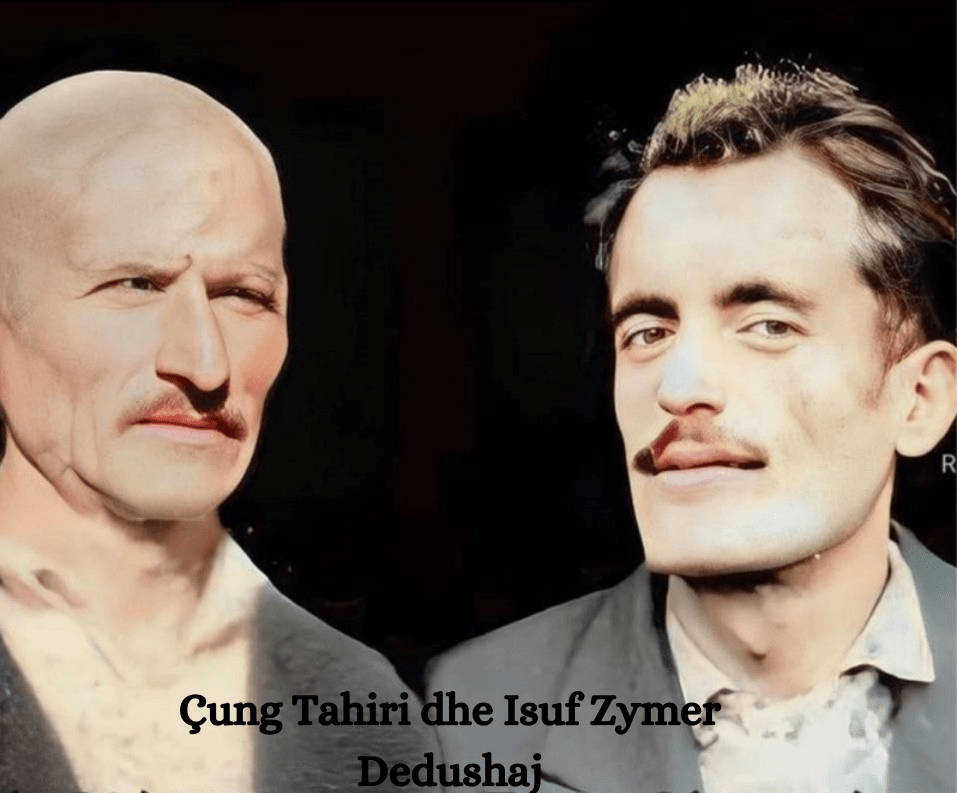
“IN MEMORY OF Cung (Jahë) Tahiri and Isuf Zymeri DEDUSHAJ
Today, July 18th, marks 73 years since the brutal and extrajudicial murder by the Yugoslav UDB of the Martyrs of the Nation
Cung (Jahë) Tahiri (1889 -1951), an unyielding patriot, a fighter for the protection of ethnic lands, a man of faith and word. He never agreed with the division of Arbëro lands, an anti-communist, and a supporter of the Committee for the Liberation of Kosovo.
Isuf Zymeri (1925-1951), Intellectual, student, torchbearer of education, teacher, unyielding fighter for the eradication of illiteracy. Adjutant and translator of Veli Niman Doçi, Commander of the 25th Albanian Brigade. Student at the Joint Military School in Tirana, grandson of Niman Sylë Doçi of the Gjakova Highlands.
The day of July 18, 1951, was a tragic day for the Dedushaj family, but also for all the fellow countrymen of Vuthja. On that terrible day, after an incident on the Albanian-Albanian border, the Yugoslav police and army led by the Yugoslav Secret Security (UDB), shot without trial in Vuthaj, my father’s uncle ÇUNG (JAHË) TAHIRI DEDUSHAJ and my father ISUF ZYMERI DEDUSHAJ, while our two cousins IBRA and BRAHIMI were sent to the infamous Goli Otok prison.
From the inhuman torture in prison, Ibra died at a young age, after being released from prison. Today marks 72 years of sorrow, mourning, pain but also pride. A homeland consists of the dead, who founded it and the living who continue it.
Let me add in conclusion that on the occasion of the 80th anniversary of the Declaration of Independence of Albania, the President of Albania Prof. Dr. Sali Berisha decorated these two Martyrs Çung Tahiri with the “ORDER FOR PATRIOTIC ACTIVITIES OF THE SECOND CLASS” and Isuf Zymer with the “ORDER OF NAIM FRASHERI OF THE FIRST CLASS, FOR SERVICE IN ALBANIAN SCHOOLS IN NORTHERN ALBANIA” (See Gaz. “KOSOVA” Tirana no. 3 (36), May 1993, p.7 and then no. 9 (42), July 1993 p.8 and no. 12.July 1994 and no. 4. March 1995 p.3.)
The Dedushaj family, the Grandchildren, Grandchildren, Great-grandchildren and Great-great-grandchildren from Vuthaj, Rugova, Tropoja, Martinaj, Prishtina, Prizren, Peja, Vitomirica, Shkodra, Tirana, Albania, Europe and the USA remember them with longing and pride. Eternal memory to these two Martyrs of the Nation.
On this occasion I express my admiration, gratitude and thanks to the Historians, Poets, Writers, Journalists, publicists and Rhapsodes who over the years have written and commemorated these two Noble Men of the Albanian Ethnic Territories.”
Credit: Isuf Isufi Dedushaj
The murder of Minush Lipoveci and Zeki Shehu at the prison
“The murder of Haki Taha and the incomprehensible silence
Haki Taha, a nationalist, had the support and sympathy of the head of the Catholic priests of Shkodra. Why was this fact kept quiet? The Elbasan normal brought out nationalists, in addition to hardened communists.
Why did no one talk to Haki Taha’s collaborators? Prenk Gruda, after 53 years in the “Albania Gazette of Boston”, Florida, on January 8, 1998, gives shocking testimony: “On February 28, 1937, Haki formed a secret cell, in the form of an organization, the fifth person: Haki Taha, chairman, Minush Lipoveci, Zeki Shehi (all three from Gjakova), Murat Llabunishti from Struga and Prenk Gruda from the Malesia e Madhe of Shkodra.
We were all sworn to keep the secret at all costs, to be ready, if necessary, to give our lives for the holy cause of Kosovo. Minush Lipoveci and Zeki Shehu died under torture in Goli Otok, while Murat Llabunishti, the Albanian Security arrested in Elbasan and handed over to the Yugoslav UDB in Skopje, where they tortured him to death.”
Credit: Gani Mehmetaj
Afrim Malesori
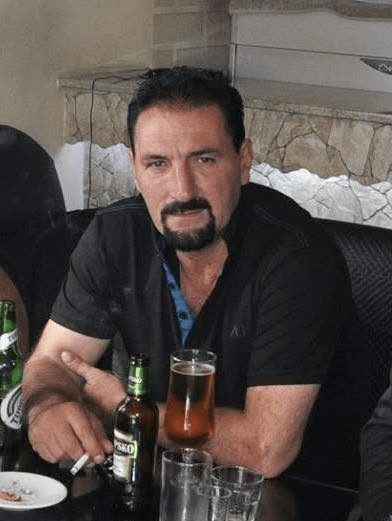
“Dear friends and comrades! Today, another comrade, a comrade from the early days in our region of Rahovec, and even wider, Afrim Malsori left this world! He was also a fellow sufferer in Slavic prisons, who served his sentence in Goli Otok!
He was among the few who never separated from the war and his fellow fighters! Tomorrow, 26. VIII. 2025, at 12.30, homage will be paid, while the funeral will be held at 13.30, in Krushë e Madhe! The most heartfelt condolences are expressed to those who knew him, his family and friends, and Afrim rested in peace with the Martyrs he loved so much”.
Credit: Halil Çadraku
Avdyl Bektesh Gjevukaj
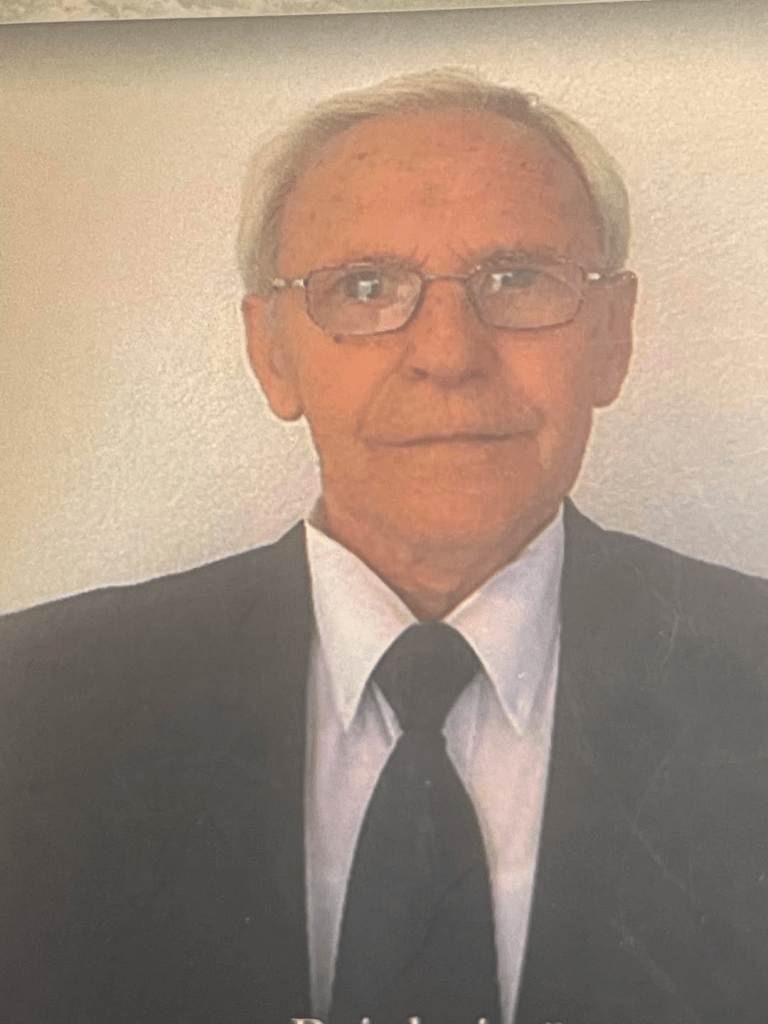
“It was with deep sorrow that I received the news of the passing of the veteran of education and former political prisoner in the notorious Goli Otok prison during the years 1963-1967, Avdyl Bektesh Gjevukaj from Rugova e Peja.
Avdyl Gjevukaj was born into a patriotic family that never stopped fighting against the Serbian hordes. In 1942, his brother Halil Gjevukaj fell heroically defending the lands from the invaders.
A wise and generous man, Avdyl, who in his youth experienced the violence of the government, a week before the end of his military service in the former Yugoslavia, was imprisoned and sentenced to 4 and a half years in prison by the Military Court in Skopje on the charge of “Organizing in the army against the Yugoslav state”.
In the Skopje Prison where he was also hit by the 1963 earthquake, then he was kept in several basements in the Kumanovo barracks, then in the Belgrade, Zagreb and in the infamous Goli Otok prison. Despite the violence and mistreatment by criminals in the prisons he spent time in, especially in Goli Otok, his prison friends remember that he never broke, but remained proud and was an example of his resilience!
In addition to being my son-in-law, he was also an inspiration for my path and activities in the fight for the freedom of Kosovo. I express my most sincere condolences and share my pain with the Gjevukaj family, friends and all those who knew him. May the soil of the Albanian land rest in peace! Rr. B.”
Credit: Rrustem Berisha.
Haxhi Syl Delija
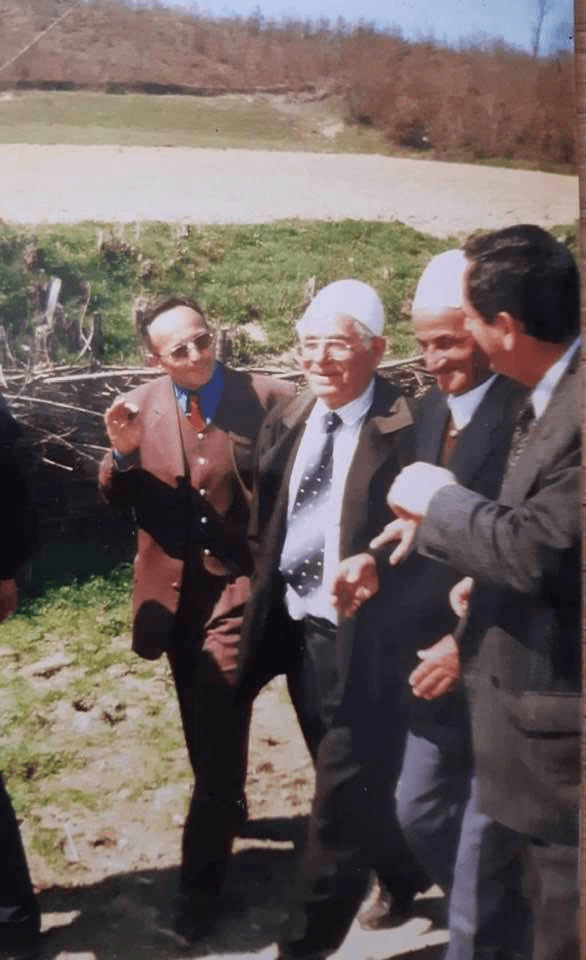
“The anniversary of the liberation in Zhabel (v.2000) Me (Mal Haziri), Zekeria Cana (the prominent historian and patriot), Haxhi Syl Delija (former political prisoner in Goli Otok) and Ahmet Hasi (former deputy of the Republic of Kosovo before the war and the highest superior of our Police, after the war)”.
Credit: Mal Haziri
Ramë Bislim Maloku
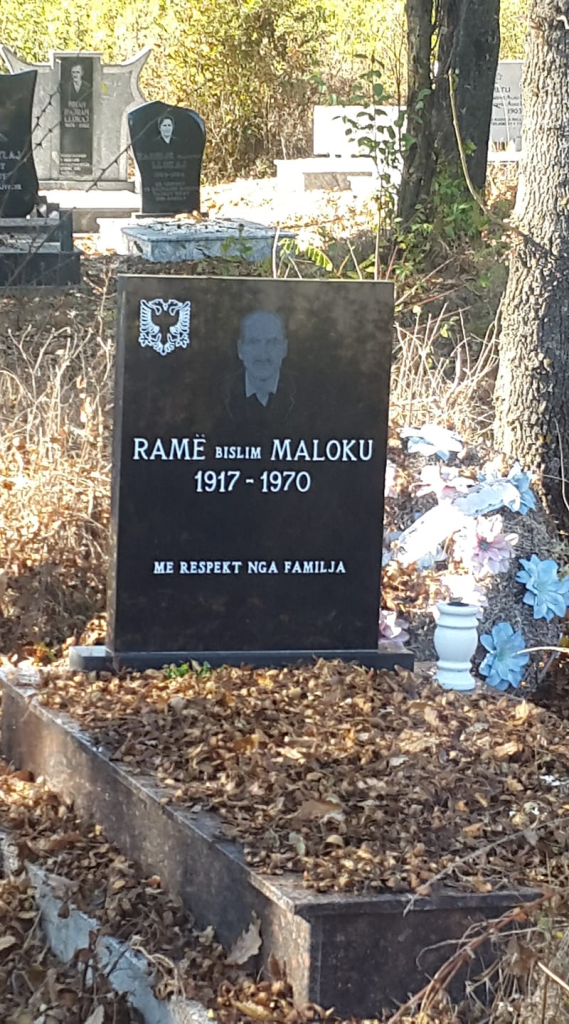
Credit: Isa Maloku


 Balkan Academia