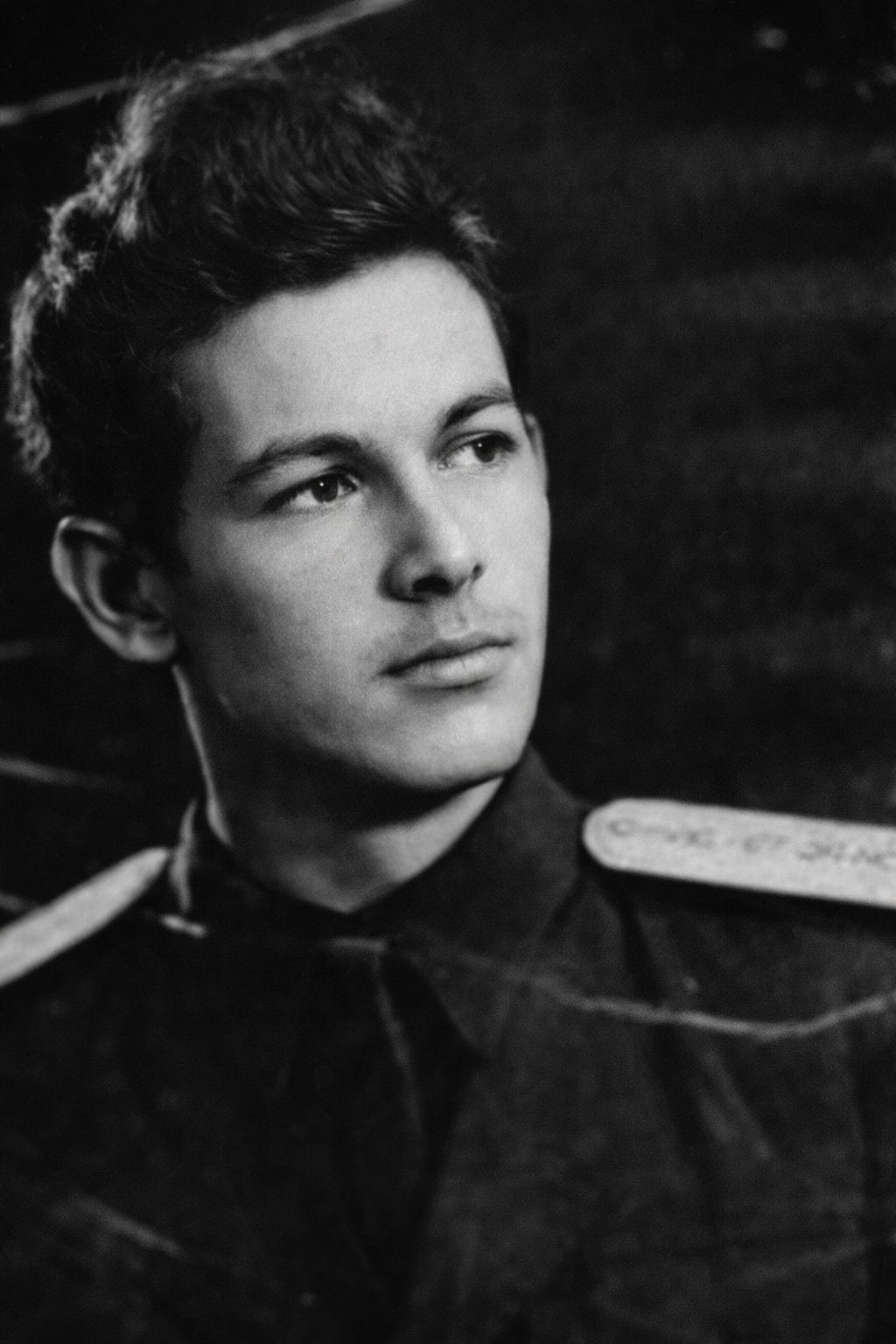

He was born on December 18, 1922 in the village of Martinaj in Gucia. He completed four years of primary school in his native village, while the other four years, which were then called high school, he completed in Plavë in the Serbian language because there were no schools with instruction in the Albanian language.
Rexhep was a clever, intelligent boy and as such caught the eye of the Albanian minister, who visited these regions in 1941.
At the initiative of the minister Qazim Koçulli, he went to Tirana, where he enrolled in high school.
Rexhep was imbued with patriotic feelings, so he soon came into contact with young Albanian anti-fascists, such as Kajo Karajfili, Qemal Stafa and others, where together with them he participated in several anti-fascist actions. In the summer of 1943, Rexhepi returned to his homeland, where he became involved in the youth movement of Plav Guci, in the autumn of that year he was registered in the partisan ranks with which he fought all the way to Trieste in Slovenia.
After the capitulation of Germany, he continued his education and completed a cipher course in Belgrade, while in 1946, after successfully passing all the physical and mental ability tests, he was sent to Kiev, Soviet Union, where he stayed for two years and was trained as a pilot. In 1948, he returned to Zagreb, Croatia and began working as a military pilot.
With the announcement of the Informer Resolution in 1948, he was determined to defend the Albanian national cause, because on the side of the resolution was Albania, therefore, according to his beliefs, where Albania was, Rexhepi Balidemaj was also. In 1948 he was arrested as an informer and sentenced to 6 years in prison. He served his sentence in the most notorious prison in the former Yugoslavia, Goli Otok.
There he was mistreated, not only as an informer but also as an Albanian. However, Rexhepi endured everything and after serving his sentence, in 1956 he returned to his homeland. He was constantly followed by the UDB, which found as a pretext a case when Rexhepi came to the defense of a fellow villager, whom they wanted to arrest. This was enough for them to accuse him under Article 133 of hostile verbal propaganda, and sentenced him to 3 years in prison, which he held in the Kotor prison.
After serving this sentence, he returned to his homeland, where with the help of some of his relatives he was employed as a forest ranger. Despite having no means of action, the UDB constantly insinuated against him and after three years he was arrested again and sentenced to two years in prison, which he served on the island of Gërgur. After his release from prison, although he was married and had two children, he had no chance of finding work.
At the Brioni conference in 1965, a resolution was passed, based on which the prosecution of convicts as informers was prohibited. Some of his fellow countrymen who worked and lived in Pristina hired him to work at the enterprise, Ramiz Sadiku, where he worked until 1981. However, Rexhepi, although now old, was still young in spirit and prison and torture, instead of weakening him, had tempered him.
Upon hearing about the student demonstrations of 1981, he joined them and together with many young people was again arrested by the Serbian militia. Although he was old, he was sentenced to two months in prison, which he served in the Lipjan prison.
He used his time in prison to meet new activists for the Albanian cause, and after he was released from prison, he continued his activities. At that time, it was difficult to act? But the new Albanian activists had discovered a new form of action, which was called “treshe”.
The troshes were small groups of three activists, each of whom was a member of another troshe, about whom the friends of the other troshe had no knowledge. This system proved to be efficient because the arrested, even if they wanted to, could only tell about the activists of their own troshe, thus breaking the chain of arrests.
Although old, but physically vital, Rexhepi became a member of the trio, where he operated until 1983, when he was arrested again and sentenced to 5 years in prison on charges of hostile agitation and propaganda.
Everyone had heard about Rexhepi’s activities, so the well-known lawyer Bajram Kelmëndi took him to his defense and thanks to his commitment, his sentence was reduced from 5 to 3 years in prison, which he served in the prisons of Prishtina, Gjilan and Gjurakivci.
It had already become part of Rexhepi’s life not to give up, so he participated in the protest organized on the occasion of the murder of the martyr Ylfete Humolli and for this reason he was sentenced to two years in prison by the court for a minor offense. Rexhep Balidemaj is one of the most meaningful examples, who truly personifies the expression “a life in the service of the National cause”.
He was and remains a symbol and source of inspiration for young people not only from Plav and Gucia, but for the entire Albanian space. The people of Plav and Gucia, and especially the young people of these regions, call Rexhep Galin Balidemaj “the Mandela of Plav and Gucia”.
Torchbearers of freedom
GjylaverAvdiu
Old photo corrected.


 Balkan Academia