
Abstract
This article examines the deliberate targeting and murder of children by Serbian military and paramilitary forces during the wars in Bosnia, Croatia, and Kosovo in the 1990s. Drawing on international tribunal findings, eyewitness testimonies, and human rights documentation, the study highlights the extreme cruelty, sadism, and dehumanization displayed in these crimes. It argues that these acts were not isolated but reflected a calculated strategy of terror aimed at destabilizing communities and erasing the future of targeted ethnic groups. By confronting this horrifying reality, the article exposes the moral and legal failures of both the perpetrators and complicit political structures, underscoring the urgency of justice and memory.
The Killing of Innocents: Serbian Forces and the Systematic Murder of Children in the 1990s Conflicts
Introduction
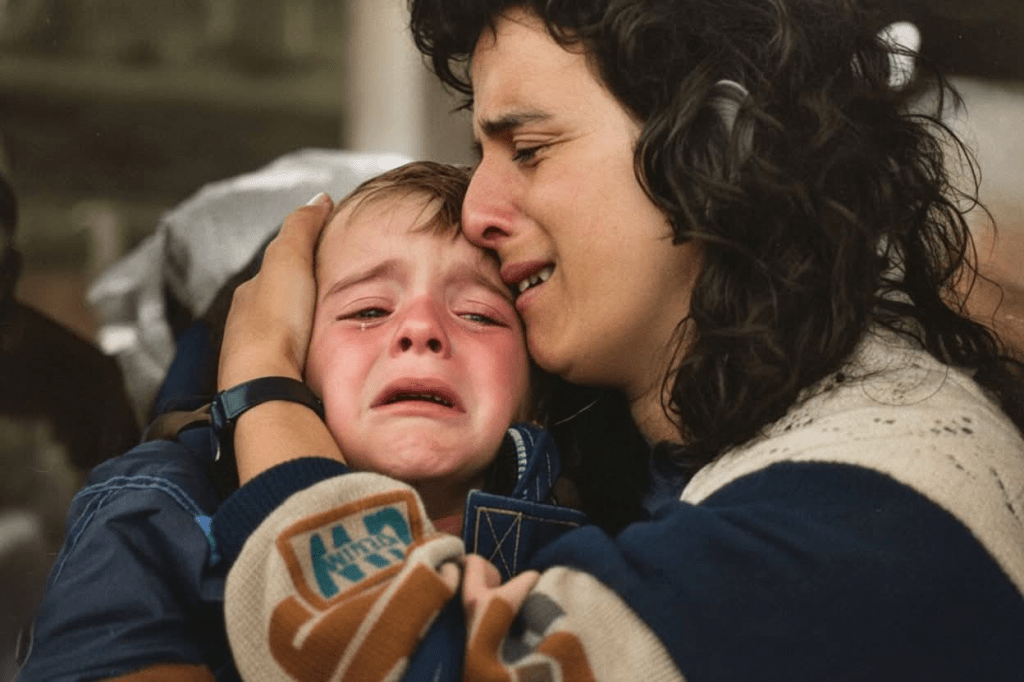
The wars that engulfed the Balkans during the 1990s were marked by atrocities of unprecedented cruelty. Among the most egregious were systematic attacks on children—murders executed with deliberate brutality, intended not only to kill but to terrorize, humiliate, and psychologically devastate entire communities. Serbian military and paramilitary units were responsible for numerous massacres and killings of minors in towns and villages across Bosnia, Croatia, and Kosovo.
International legal investigations and tribunal proceedings have documented acts of staggering cruelty: children were beaten, tortured, and executed in front of families; some were killed in detention camps; others were murdered as part of ethnic cleansing campaigns. These actions were deliberate, sadistic, and often public, reflecting a strategic logic of terror and dehumanization.
Documented Instances and Patterns of Sadism
- Bosnia (1992–1995):
- In the town of Srebrenica, dozens of children were executed alongside men and boys as part of the ethnic cleansing campaign. Witnesses report that many killings were carried out with extreme cruelty, including beatings, shootings at close range, and the deliberate infliction of suffering prior to death.
- Humanitarian Law Center reports document numerous other instances where Serbian forces killed children in detention camps and during village attacks.
- Croatia (1991–1995):
- During the shelling of Vukovar and surrounding villages, children were intentionally targeted. Eyewitness testimony indicates that some minors were singled out for execution or abuse in ways designed to maximize terror among survivors.
- Kosovo (1998–1999):
- Serbian paramilitaries, police, and military units killed children during the campaign to forcibly remove Kosovo Albanians. Reports by Human Rights Watch and the UN confirm systematic killings, including shootings of children in homes, roadside executions, and the targeting of families en masse.
Sadism and Dehumanization
The deliberate cruelty toward children was not accidental. Witnesses and tribunal reports indicate sadistic patterns: children were beaten, mutilated, and terrorized before being killed. These actions demonstrate a psychological and strategic intent: to destroy hope, spread fear, and communicate the total domination of the perpetrators over the victims’ communities.
Such sadism challenges the notion of war as a conflict between combatants. These were crimes against the most defenseless, carried out to reinforce ethnic terror, and constitute some of the most heinous acts documented in late 20th-century European conflicts.
Accountability and Justice
The International Criminal Tribunal for the former Yugoslavia (ICTY) and other international bodies have prosecuted some of the key perpetrators, such as Ratko Mladić and Radovan Karadžić, for crimes against humanity and genocide that include murders of minors. Nevertheless, many direct perpetrators remain unpunished, and broader state structures that enabled or condoned these acts have largely evaded full responsibility.
Failing to confront these crimes in public memory and official accountability perpetuates impunity and diminishes the historical record of the suffering endured by children and their families. Justice requires not only trials but also recognition of the deliberate sadism and targeted cruelty inflicted upon the youngest victims.
Conclusion
The systematic murder of children by Serbian forces in Bosnia, Croatia, and Kosovo represents one of the most morally abhorrent aspects of the Balkan wars. These acts were characterized by deliberate sadism, strategic cruelty, and a conscious dehumanization of innocent lives. Confronting these crimes is essential for justice, historical memory, and the moral rehabilitation of societies affected by these atrocities.
Children were not collateral damage—they were intentionally victimized, and their murders reveal the profound ethical and political failures of the perpetrators and their complicit institutions. Recognizing and documenting this horror is essential to prevent future atrocities and to uphold the principles of human dignity.
Sources
Human Rights Watch. Under Orders: War Crimes in Kosovo. New York: Human Rights Watch, 2001. https://www.hrw.org/report/2001/10/26/under-orders/war-crimes-kosovo.
Amnesty International. Federal Republic of Yugoslavia: A Human Rights Crisis in Kosovo Province. London: Amnesty International, 1998. https://www.amnesty.org/en/documents/eur70/033/1998/en/.
“Suva Reka massacre.” Wikipedia. Last modified 2025. https://en.wikipedia.org/wiki/Suva_Reka_massacre.
“Bela Crkva massacre.” Wikipedia. Last modified 2025. https://en.wikipedia.org/wiki/Bela_Crkva_massacre.
“Meja massacre.” Wikipedia. Last modified 2025. https://en.wikipedia.org/wiki/Meja_massacre.
“Pastasel massacre.” Wikipedia. Last modified 2025. https://en.wikipedia.org/wiki/Pastasel_massacre.
“Drenica massacres.” Wikipedia. Last modified 2025. https://en.wikipedia.org/wiki/Drenica_massacres.
“Sjeverin massacre.” Wikipedia. Last modified 2025. https://en.wikipedia.org/wiki/Sjeverin_massacre.
“Višegrad massacres.” Wikipedia. Last modified 2025. https://en.wikipedia.org/wiki/Vi%C5%A1egrad_massacres.
“Krusha massacres.” Wikipedia. Last modified 2025. https://en.wikipedia.org/wiki/Krusha_massacres.
“Srebrenica massacre.” Wikipedia. Last modified 2025. https://en.wikipedia.org/wiki/Srebrenica_massacre.
International Residual Mechanism for Criminal Tribunals. Children in Conflict. Online Exhibition. https://www.irmct.org/specials/children-in-conflict/.


 Balkan Academia