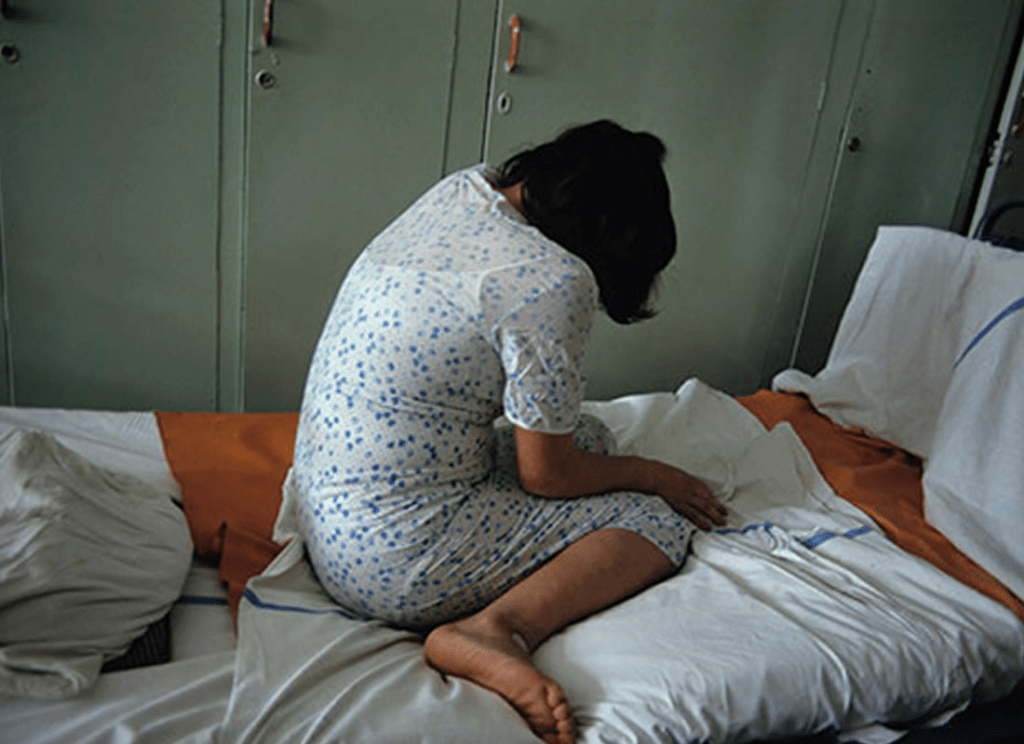

Photo from Srebrenica.org
Abstract
This article examines the systematic use of sexual violence by Serbian forces during the wars in Bosnia, Croatia, and Kosovo in the 1990s. It emphasizes that rape was not incidental, but deployed as a deliberate instrument of war aimed at terrorizing populations, humiliating communities, and enforcing ethnic cleansing. Through analysis of international court rulings, survivor testimonies, and human rights documentation, the study demonstrates that justifications offered by perpetrators—whether political, military, or cultural—cannot mitigate the criminal and moral responsibility of individuals. The article situates sexual violence within the broader context of wartime strategy, exposing it as a deliberate tactic sanctioned or tolerated by military and paramilitary command structures.
Sexual Violence as a Weapon: Serbian Perpetrators and the Systematic Use of Rape in the 1990s Conflicts
Introduction
The wars that engulfed the former Yugoslavia between 1991 and 1999 were marked by a range of atrocities, among which sexual violence emerged as one of the most pervasive and devastating. Multiple reports by the United Nations, the International Criminal Tribunal for the former Yugoslavia (ICTY), and NGOs such as the Humanitarian Law Center document thousands of instances in which women, men, and children were subjected to rape and sexual assault.
These acts were not isolated crimes of opportunity; rather, they formed part of a calculated strategy of terror. Serbian military, paramilitary, and police forces repeatedly employed sexual violence as a tool to destabilize communities, assert dominance, and drive ethnic homogenization. The scale and organization of these crimes underline their systematic nature, elevating them beyond the realm of personal misconduct to a form of orchestrated warfare.
Rape as a Weapon of War
The ICTY and subsequent international legal scholarship have established that sexual violence in these conflicts constituted a method of waging war. Key findings include:
- Intentional Targeting of Ethnic Groups – Victims were selected based on their ethnic identity, particularly Bosniaks, Croats, and Kosovo Albanians. This targeting was designed to terrorize entire communities and disrupt social cohesion.
- Use of Sexual Violence in Detention Camps – Women and men held in detention facilities, such as Omarska, Manjača, and others, were systematically raped and abused under the supervision or complicity of Serbian authorities.
- Strategic Humiliation and Displacement – Sexual violence was employed to shame families, intimidate local populations, and accelerate forced displacement. It became a tool of ethnic cleansing rather than merely individual aggression.
Rejection of Justifications
Throughout the post-conflict period, perpetrators have attempted to justify their actions through a variety of rationalizations, including claims of military necessity, wartime stress, or revenge. International legal proceedings, including ICTY cases such as Prosecutor v. Kunarac, Kovač, and Vuković, have repeatedly rejected these claims. Rape as a weapon of war is unequivocally a war crime, crime against humanity, and form of genocide when systematically applied.
No argument based on context, culture, or perceived provocation mitigates the responsibility of perpetrators. Survivors’ testimonies, corroborated by forensic and documentary evidence, consistently underscore the premeditated and institutionalized nature of these crimes.
Accountability and Justice
The ICTY prosecuted numerous Serbian officers and paramilitary leaders for sexual violence, setting legal precedents that recognize rape as a tool of systematic oppression. Notable convictions include those of Radovan Karadžić, Ratko Mladić, and members of paramilitary units such as the Šešelj group, which highlight the role of high-level command in sanctioning or failing to prevent sexual crimes.
However, many perpetrators remain unpunished, and local denial or minimization of these crimes continues to impede societal reckoning. The failure to fully acknowledge and address sexual violence as a deliberate tactic undermines transitional justice and prolongs survivors’ suffering.
Conclusion
Sexual violence in the 1990s conflicts in Bosnia, Croatia, and Kosovo was a weapon of war systematically used by Serbian forces, regardless of location, context, or claimed justification. Perpetrators bear unequivocal responsibility for crimes against humanity, and attempts to excuse or contextualize these acts are legally and morally unacceptable.
Acknowledging the systematic nature of these crimes is essential for historical truth, survivor recognition, and the promotion of accountability. Societies that fail to confront such deliberate wartime sexual violence risk perpetuating impunity and allowing myths that sanitize or relativize atrocity to endure.
Sources
Här är Chicago‑style källor du kan använda för att stödja en akademisk artikel om serbiska krigsförbrytare som använde våldtäkt som ett vapen under 1990‑talets konflikter — med betoning på dokumenterad systematisk användning av sexuell våldshandling som del av krigsstrategi och etnisk rensning:
Primary Legal and Court Sources
- International Criminal Tribunal for the former Yugoslavia. Judgement of Trial Chamber II in the Kunarac, Kovač and Vuković Case. The Hague, 22 February 2001. ICTY. https://www.icty.org/en/press/judgement‑trial‑chamber‑ii‑kunarac‑kovac‑and‑vukovic‑case.
- International Criminal Tribunal for the former Yugoslavia. Gang rape, torture and enslavement of Muslim women charged in ICTY’s first indictment dealing specifically with sexual offences. The Hague, 27 June 1996. ICTY. https://www.icty.org/en/press/gang‑rape‑torture‑and‑enslavement‑muslim‑women.
- Brammertz, Serge, ed. Prosecuting Conflict‑Related Sexual Violence at the ICTY. Oxford: Oxford University Press, 2016. https://doi.org/10.1093/law/9780198768562.001.0001.
- Bassiouni, M. Cherif, and M. McCormick. Sexual Violence: An Invisible Weapon of War in the Former Yugoslavia. Washington, DC: NCJRS Virtual Library, U.S. Department of Justice, 1995. https://www.ojp.gov/ncjrs/virtual‑library/abstracts/sexual‑violence‑invisible‑weapon‑war‑former‑yugoslavia.
- Human Rights Watch. Under Orders: War Crimes in Kosovo. New York: HRW, 2001. https://www.hrw.org/report/2001/10/26/under‑orders/war‑crimes‑kosovo.
- Rape during the Bosnian War. Wikipedia. Last modified 2025. https://en.wikipedia.org/wiki/Rape_during_the_Bosnian_War.
- Foča ethnic cleansing. Wikipedia. Last modified 2025. https://en.wikipedia.org/wiki/Fo%C4%8Da_ethnic_cleansing.
- Legacy of the International Criminal Tribunals for the Former Yugoslavia and Rwanda and Their Contribution to the Crime of Rape. European Journal of International Law 29, no. 3 (2018): 749–774. Oxford Academic. https://academic.oup.com/ejil/article/29/3/749/5165633


 Balkan Academia