
by Luljeta Rakipi
Summary
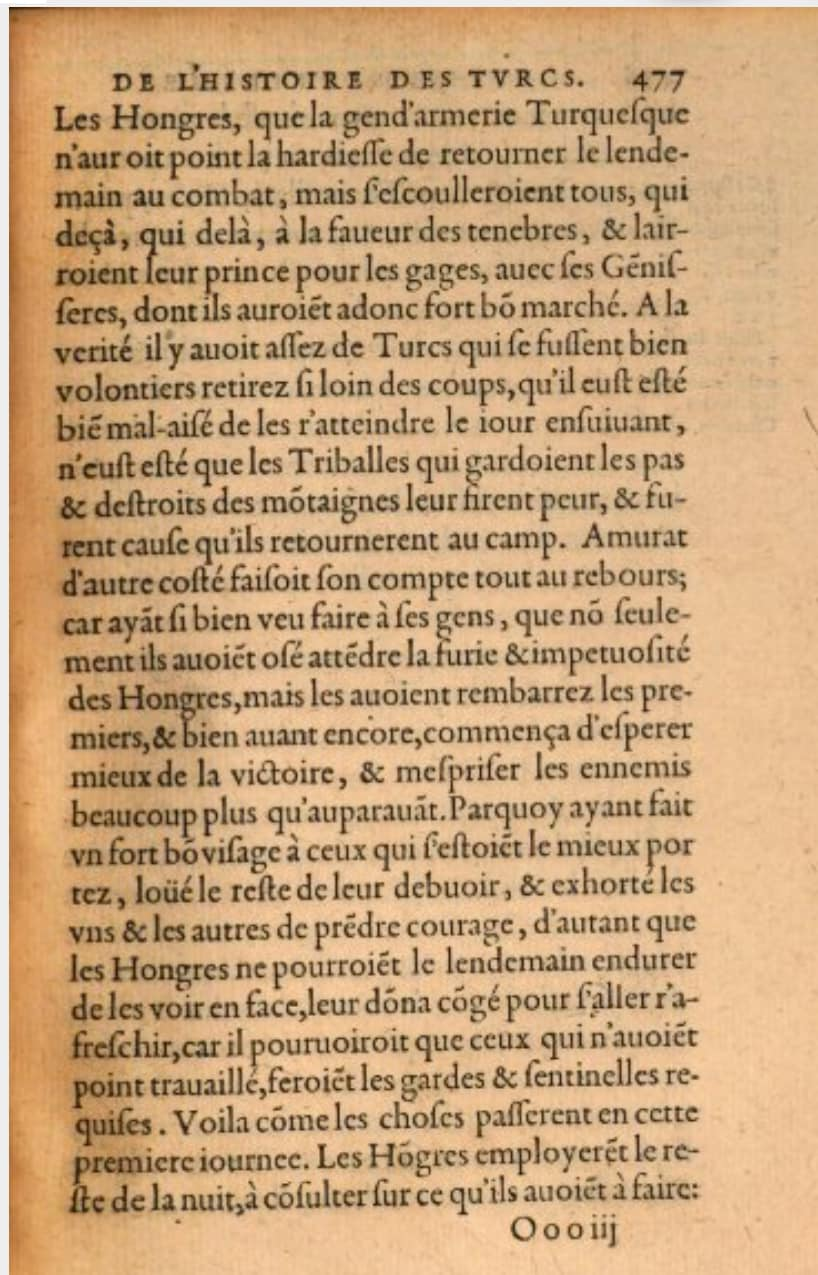
The fourth chapter chronicles the Ottoman military movements and the local resistance in the Balkans following the fall of Constantinople. The Ottoman gendarmerie and the newly organized Janissaries, known as the Jonishers, faced persistent opposition from Albanian and Tribald forces controlling strategic mountain passes. Despite repeated assaults, the Jonishers were forced to retreat to Amurati’s encampments. Key conflicts involved Prince Gjergji of the Tribalds and Albanian uprisings under Emanuel Cantacuzenus in the Peloponnese. The text highlights Ottoman devastation, local aristocratic mismanagement, and foreign interventions, emphasizing the brutality of occupation and the resilience of local populations defending their territories against systematic plunder and massacres.
Part Four
The history of the Turks shows that the Turkish gendarmerie moved sporadically, sometimes in one direction, sometimes in another, but lacked the courage to return to battle the following day. Subsequently, they mobilized the Janissaries, a newly established military corps. The Janissaries were called Pazari i Ri, and Larisa was designated Jonisher.
However, the Albanians continued to resist. The Jonisher were prepared to flee from the repeated attacks of the Triballi, who controlled the mountain passes. The Jonisher had no possibility of escape and were forced to return on foot to Amurati’s camps. The Triballi prince counted seventeen Christian soldiers under his command. Amurati individually buried the dead along the Morava River.
The most dangerous enemy for Amurati was Triballi Prince Gjergji, whose territory belonged to Mysia, extending to Andraalba (the white city of Belgrade), where the Triballi lived.
Following the fall of Constantinople, turmoil and events unfolded in the Peloponnese. The most notable were the Albanian rebellion led by a man named Emanuel Cantacuzenus and the imprisonment of Canterion and Lucanes, the two main ministers of the Palaeologus princes, as described in Chapter 9. Thuracon, commanding the Meçmeri forces, assisted the two Palaeologus brothers, rulers of the Peloponnese. These two young princes were poorly managed due to the malice of their sycophantic ministers.
When Gjergj Kastrioti arrived in Naples, then in Rome, as Prince of Epirus, the Turks devastated his lands. “Just as you are ravaging the inhabitants of the Peloponnese, so too were the Albanians.”
The Justinian family lived in the Peloponnese. One lord of the Justinian house, the fourth, Mua Gencuois (or Mua Genci), a notary of great virtue, arrived with three hundred warriors to offer assistance. When asked where Justinian was going, he replied that he was saddened by the sights he witnessed—the massacres inflicted by the Turks upon the people—and said, “I am going where God has opened the way for the Turks.”
“Therefore, build and respect the walls of Amurata. Others have massacred and enslaved you. How can one honor someone who has massacred and plundered for centuries?”
Translated by Luljeta Rakipi:
“When the Turk arrived, he did as he pleased. The Slavs did as they pleased. Therefore, work and endure; do not covet.”
In short, this is the path.
Sources
Du Verdier, Gilbert Saulnier. Abrégé de l’histoire des Turcs. [Place of publication unknown]: [Publisher unknown], 1665.

