
by Preveza Abrashi
Abstract
Asseria, located near Podgrađe east of Benkovac, represents one of the most significant archaeological sites of the eastern Adriatic hinterland. Originally founded as a Liburnian urban center in the Bronze and Iron Ages, Asseria predates Roman expansion into the region. Under Roman rule, it developed into a municipium with administrative autonomy and monumental architecture. The city flourished between the 5th century BC and the 6th century AD before declining during the period of Avar and Slavic incursions and the collapse of Roman authority. Systematic archaeological research since 1998 has revealed extensive fortifications, funerary monuments, and civic structures, providing valuable insights into Liburnian and Roman urban life.
The Forgotten Illyrian Cities
— At Asseria, near Podgrađe, 6km east of Benkovac are the remains of an urban settlement almost a kilometre long. Asseria was founded long before the Romans set foot on these lands. It was a powerful centre of the Liburnian tribe, whose territories stretched for miles along the eastern Adriatic coast.
When the Romans later occupied these lands, Asseria grew to become a municipality with a governing council. The golden era of Asseria came to an end when Avar (and sometimes Slav) tribes swept across the plains of Europe, and the Roman Empire crumbled. The last mention of the settlement is from the 11th century.

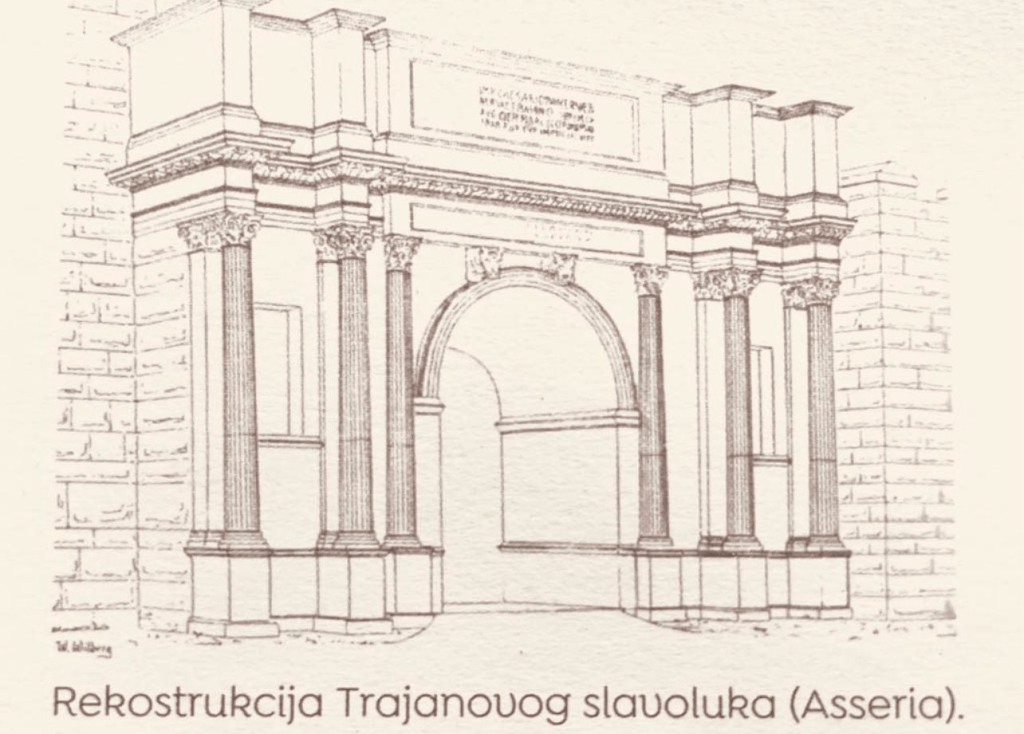
It is a city of marvelous tombstones known as Liburnian cipuses, proud gates of Emperor Trajan, and a monumental altar depicting the she-wolf with Romulus and Remus.

Systematic archaeological research in Asseria has been conducted since 1998, leading to many interesting insights into life in this long-lost city.

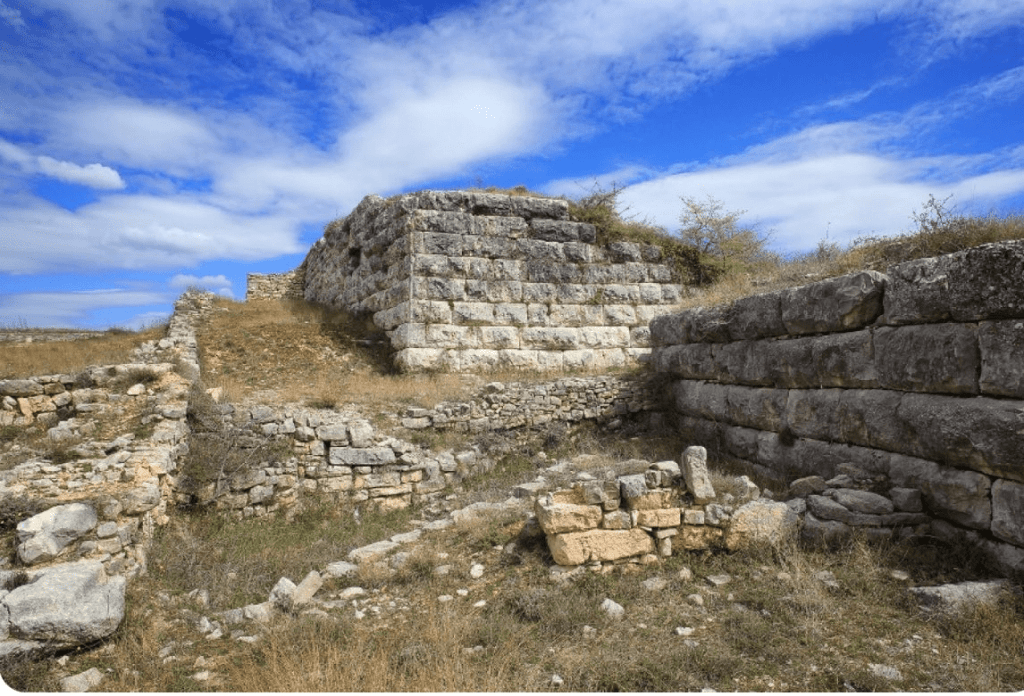
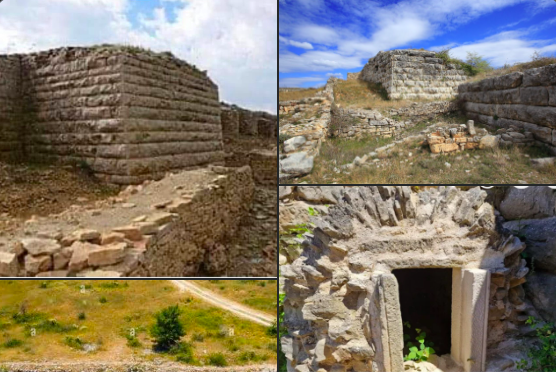
Asseria was a Liburnian city that originated in the Bronze and Iron Ages, and was later expanded during the Roman Empire. It flourished from the 5th century BC to the 6th century AD, after which it was abandoned. It is surrounded by enormous stone walls, up to 7 meters high and 3 meters wide, stretching for about 2.5 kilometers. Transporting this quantity of stone today would require 2,000 railway wagons.