
Summary
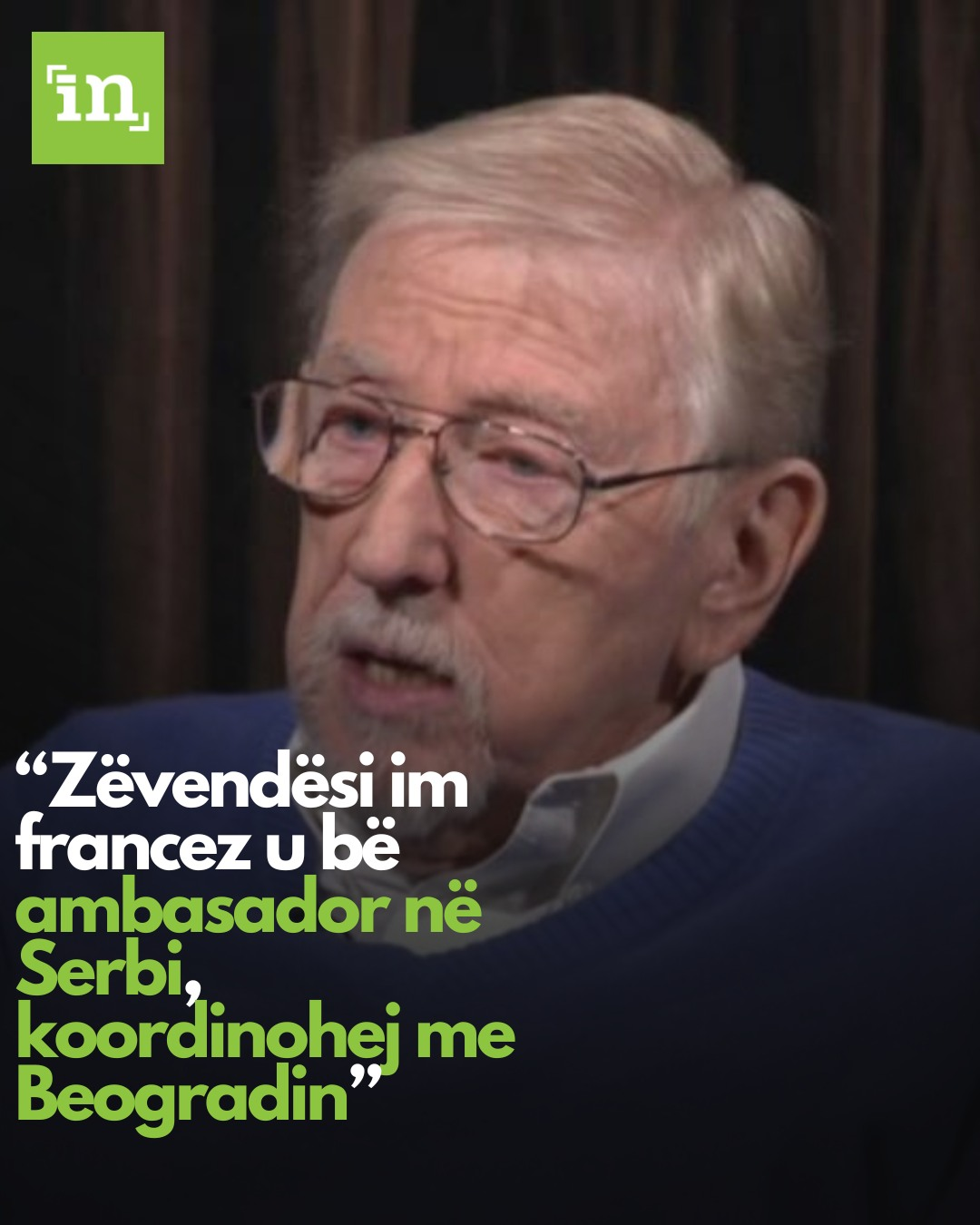
Former OSCE Kosovo Verification Mission head, William Walker, criticized his French deputy for coordinating closely with Belgrade, later serving as French ambassador to Serbia.[1]
Walker viewed such coordination as undermining efforts to expose Serbian human rights abuses during the late 1990s Kosovo crisis, including the Racak massacre.[2] Analysts suggest that this reflects how Serbian diplomatic influence aimed to shape international narratives, challenge reports of civilian casualties, and weaken unified Western pressure.[3]
The episode highlights tensions within Western missions, where differing approaches toward Belgrade affected the timing and intensity of international interventions.[4]
Background
Former head of the OSCE Kosovo Verification Mission, Ambassador William Walker, publicly criticised his French deputy, Gabriel Keller, for coordinating closely with Belgrade while Walker was leading the mission during the late 1990s Kosovo crisis. Walker stated that his deputy later became the French ambassador to Serbia and “coordinated with Belgrade,” implying a divergence in diplomatic approach and lack of unified Western pressure on Serbia. Walker viewed this coordination as undermining his efforts to expose human rights abuses by Serbian forces, such as at the Racak incident.
Political Influence and Diplomatic Tension
Walker’s comment has been interpreted by analysts as evidence of how Serbian political influence and diplomacy in international contexts could shape narratives and weaken unified international action. Western diplomats like Keller — perceived as more sympathetic to Serbia — have been criticised for softening international pressure on Belgrade, particularly in the lead-up to NATO intervention.
Some Western government insiders noted that Keller was seen as more “sympathetic to Serbs” and challenged Walker’s interpretation of events, which could have diluted critical reporting of alleged Serbian atrocities.
The Racak Controversy and Serbian Narratives
The Racak incident (January 15, 1999), where initial Western reports portrayed widespread massacre of ethnic Albanians by Serbian security forces, became a turning point in international opinion against Belgrade. Although Walker insisted he based his statements on firsthand observations, Serbian authorities contested the narrative, claiming Racak was a military encounter rather than a civilian massacre.
Belgrade’s version became part of a broader political strategy to deny systematic wrongdoing and to portray Western monitors as biased or misinformed.
Criticism of Serbian Influence
Critics argue that Serbian political influence — including coordinated diplomatic efforts and media strategies — historically aimed to reshape international perceptions of conflicts in the former Yugoslavia. This included challenging reports of civilian casualties, lobbying for diplomatic sympathy in some Western governments, and leveraging political alliances to mitigate pressure on Belgrade.
The fact that diplomats previously connected to Serbian-affiliated posts were seen coordinating with Belgrade fed into broader concerns about uneven international responses to human rights violations.
Key Points of Criticism
- Diplomatic Coordination with Belgrade: Walker’s critique of his French deputy illustrates how diplomatic personnel with ties or sympathy to Serbia could dilute unified criticism against Serbian policies.
- Narrative Control: Serbia actively contested Western narratives on key events, such as the Racak incident, to manage international opinion.
- Impact on International Policy: Differences among Western diplomats on how to engage with Serbia may have delayed or softened actions against Belgrade during the Kosovo crisis.
Example Quote from Walker
“I had a problem with my French deputy. He coordinated with Belgrade and then became the French ambassador to Belgrade… He thought I was overstepping my role by speaking out, by raising my voice.” — William Walker on diplomatic coordination dynamics.
Footnotes
Walker, William. Interviews on the Kosovo Verification Mission. Gazeta Express, 2019. https://www.gazetaexpress.com/en/Walker–my-French-deputy–became-ambassador-to-Serbia–coordinated-with-Belgrade
United Nations Interim Administration Mission in Kosovo (UNMIK) Media Reports, 1999. https://media.unmikonline.org/mediareports/un-office-belgrade-media-report-2309
Johnson, Michael. Western Diplomacy and the Kosovo Crisis. USC Center on Public Diplomacy, 2009. https://uscpublicdiplomacy.org/sites/uscpublicdiplomacy.org/files/useruploads/u35361/2009%20Paper%203.pdf
Walker, William. Racak and the Limits of International Observation. Gazeta Express, 2019. https://www.gazetaexpress.com/en/Walker–my-French-deputy–became-ambassador-to-Serbia–coordinated-with-Belgrade

