
by Elton Ligu
Abstract
This text presents a historical account of Laskarina Bouboulina, described as a heroine of modern Greece from a wealthy Albanian family, based on an 1835 biographical publication. It outlines her active role in the Greek War of Independence, including financing naval forces, participating in major sieges, and advocating unity among Greek factions. The narrative highlights her military leadership, personal sacrifices, and political influence. It also recounts her tragic death in 1825 during a violent family dispute. The account portrays Bouboulina as a determined and influential revolutionary figure whose actions significantly contributed to the Greek struggle for independence.
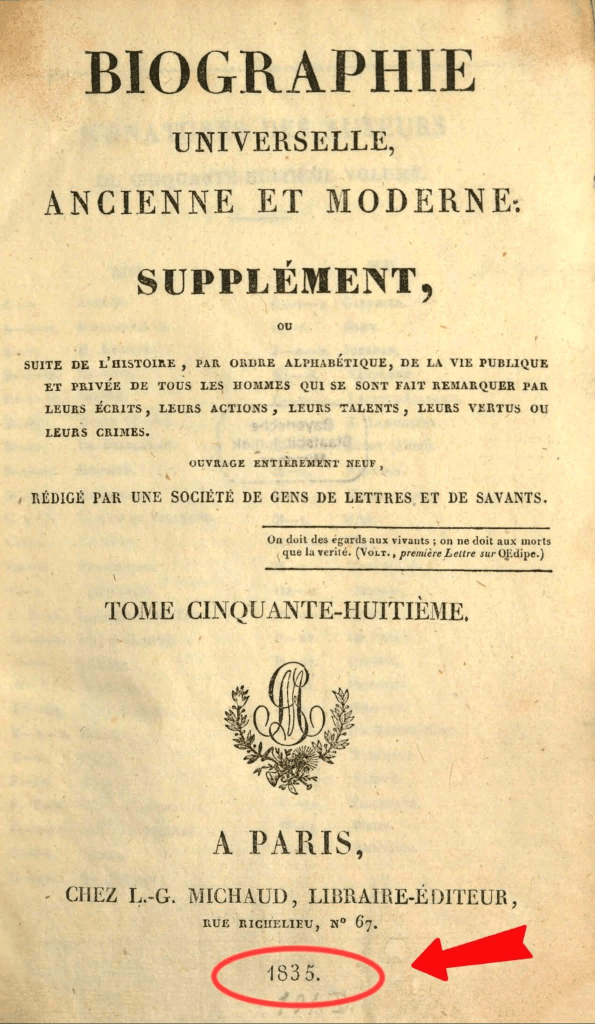
From an 1835 Book Publication
Universal Biography of Antiquity and Modern Times, a continuation of history, in alphabetical order, of the public and private lives of all people who distinguished themselves through their writings, actions, talents, virtues, or crimes.
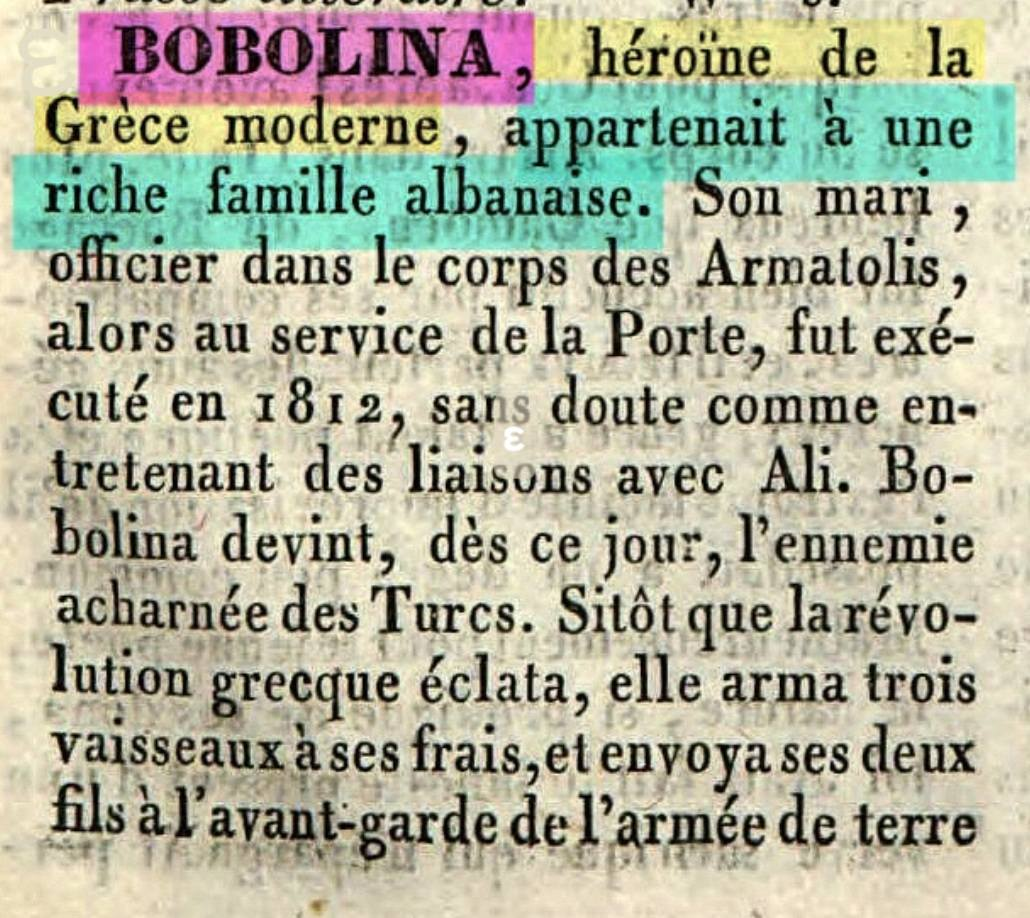
Bouboulina, the heroine of modern Greece, belonged to a wealthy Albanian family. Her husband, an officer in the Armatoloi corps in the service of the Ottoman Porte, was executed in 1812, likely for maintaining ties with Ali Pasha. From that day, Bouboulina became a fierce enemy of the Turks.
When the Greek Revolution broke out, she armed three ships at her own expense and sent her two sons to the front lines of the land army. She personally took part in the long siege of Tripolitsa in 1821, not as a spectator but as a courageous fighter, showing remarkable bravery.
Seeing how disunity harmed Greek operations, she tried to reconcile internal divisions and urged unity, warning that without it their cause would be lost. Although her efforts largely failed, they may have planted seeds of moderation. During conflicts between naval and land forces, she returned home with her ships.
Later, tasked with supporting the naval blockade of Nafplio, she showed the same determination. Even after her eldest son died in battle, she opposed granting the Turks favorable surrender terms. When the city fell on December 12, 1822, the Greeks spared many prisoners, marking an early act of restraint in the war.
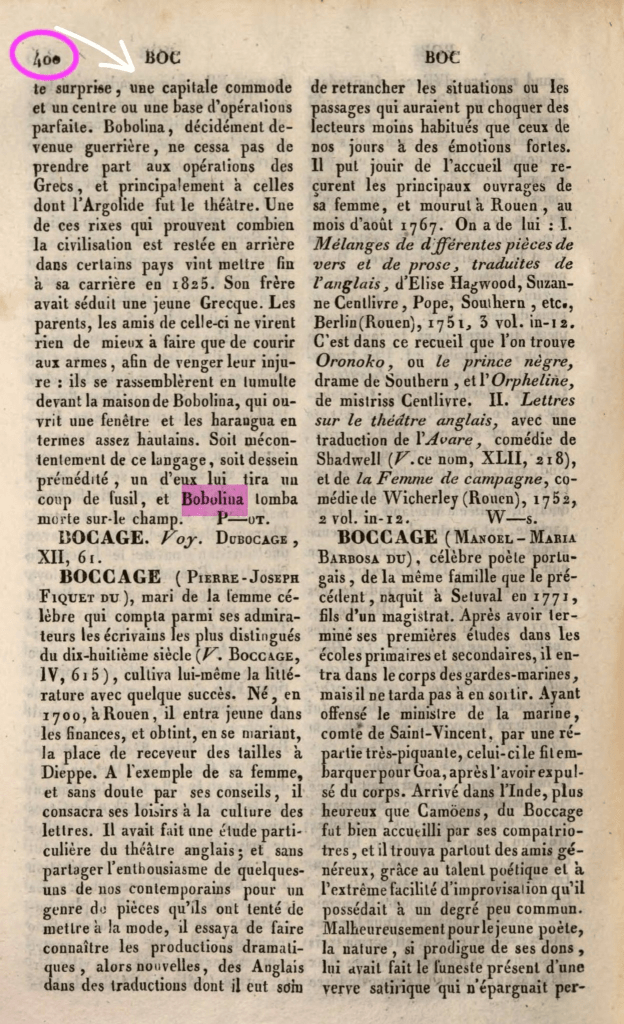
Bouboulina continued participating in military actions, especially in Argolis. Her life ended in 1825 during a family feud after her brother eloped with a young Greek woman. Seeking revenge, the woman’s relatives confronted her. She addressed them harshly from a window, and one of them shot her dead.

