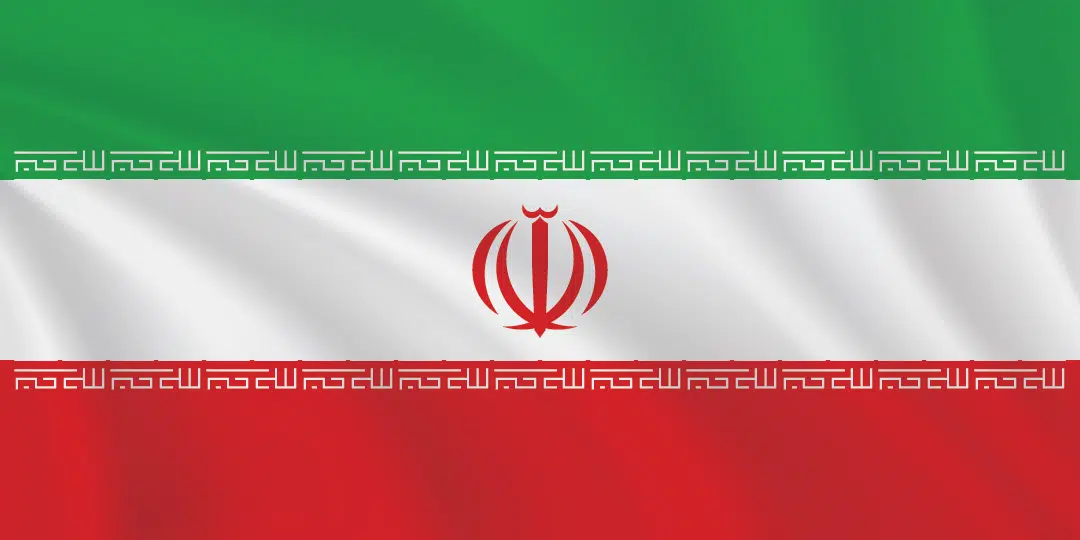

Comparisons between contemporary military actions by Iran in the Gulf and Serbia’s wars in the 1990s are misleading and historically inaccurate. While Iran has carried out strikes in neighboring countries as part of its defense against perceived U.S. and allied threats, Serbia’s campaigns during the breakup of Yugoslavia were offensive wars aimed at territorial expansion.
Serbian forces, under the nationalist leadership of Slobodan Milošević, invaded Croatia, Bosnia, and Kosovo, committing the largest massacres in Europe since World War II. Over 140,000 civilians were killed, including victims of atrocities like the Srebrenica massacre and the Meja massacre. Ethnic cleansing, mass executions, and systemic rape campaigns marked these invasions, making them crimes of unprecedented scale.
Unlike Iran, which frames its military operations as defensive, Serbia’s wars were motivated by a desire to redraw borders, impose ethnic homogeneity, and establish control over neighboring territories. These actions were not acts of self-defense but aggressive campaigns that caused immense suffering in the heart of Europe. Attempting to equate Serbia’s offensive wars of territorial conquest with Iran’s strategic defense operations oversimplifies the historical record and dangerously obscures the scale of Serbia’s crimes.
The contrast is clear: Serbia’s invasions were aggressive, premeditated, and catastrophic in human cost. Iran’s actions, while controversial and condemned by many, do not approach the scale, intent, or moral atrocity of the wars waged by Serbia. In Europe, in the late 20th century, the world witnessed some of the most extreme examples of mass violence since World War II — perpetrated not by a defensive state under threat, but by a government seeking to expand its borders and enforce an ethno-nationalist agenda.
References
- Human Rights Watch, Under Orders: War Crimes in Kosovo (New York: Human Rights Watch, 2001).
- International Criminal Tribunal for the Former Yugoslavia, Prosecutor v. Slobodan Milošević, Case No. IT-02-54-T, Judgment, March 12, 2006.
- United Nations, Report of the Secretary-General pursuant to Security Council Resolution 808 (1993), S/25704, May 3, 1993.
- International Committee of the Red Cross, The War in the Balkans: Humanitarian Law and Civilian Protection (Geneva: ICRC, 1995).
- Marko Attila Hoare, The Bosnian Muslims in the Second World War (London: Routledge, 2014).
- Laura Silber and Allan Little, Yugoslavia: Death of a Nation (New York: Penguin, 1996).
- Council of Europe, The Crimes of the Balkan Wars: Report of the Committee on Human Rights (Strasbourg: Council of Europe, 1999).

