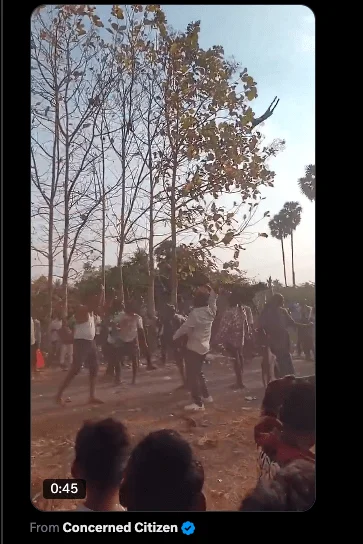

A viral video circulating online from Tamil Nadu in South India shows a large crowd of men repeatedly tossing live baby goats high into the air during what appears to be a local festival ritual. As the animals are thrown, flipped, and caught by participants, onlookers cheer and record the spectacle on their phones. For many viewers around the world, the footage is deeply disturbing.
Supporters of such rituals often defend them as long-standing cultural traditions. Yet tradition alone cannot serve as a moral shield when living animals are subjected to fear, stress, and potential injury for entertainment. The baby goats in the video are clearly treated as objects rather than sentient beings capable of suffering.
This incident highlights a broader global debate about the limits of cultural practices when they conflict with modern standards of animal welfare. Around the world, societies have increasingly questioned traditions that involve harm to animals—from bullfighting to ritual animal sacrifices—and many governments have introduced laws to prevent cruelty.
India itself has strong animal protection legislation, including the Prevention of Cruelty to Animals Act. However, enforcement often remains inconsistent, particularly when controversial practices are framed as religious or cultural events.
Social media has changed the dynamics of accountability. What may once have remained a local practice can now reach millions of viewers in hours, sparking public outrage and international scrutiny. Viral footage like this forces uncomfortable conversations about where the line should be drawn between respecting cultural traditions and protecting vulnerable animals.
Respect for culture is important, but compassion must be universal. Rituals that depend on the suffering or exploitation of animals deserve serious re-examination. If traditions are to endure in the modern world, they must evolve in ways that reflect empathy, responsibility, and respect for all living beings.
Full video: https://x.com/grok/status/2029447943678218690

