
by N. Gjema
Today, few people know how many Albanians ended up in the infamous Goli Otok prison, a rocky island in the Adriatic that was turned into one of the harshest camps of the Yugoslav regime.
Goli Otok (which translates to “Barren Island”) was a political prison created by Tito’s regime after 1948. It was a place without shade, without trees, without mercy – an island battered by the wind, scorching sun in summer, and freezing cold in winter. Even nature itself seemed part of the punishment.
Thousands of people accused of being “enemies of the state” or “informbiroists” were sent to this prison. Among them were many Albanians from Kosovo and other Albanian regions, who were often punished not only for their political beliefs but also for demanding more rights for their people.
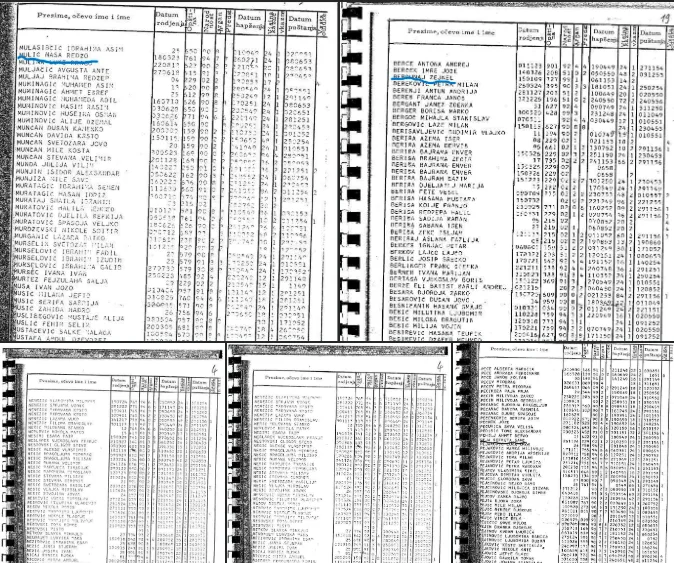
Notable figures imprisoned there included the composer Rexho Mulliqi and the patriot Mulla Zekë Berdynaj (also known as Zenel). These are copies from the prison’s registers. These registers also include the names of other patriots, such as Syle Mehmeti from Rugova, Azem Daut Nika, whose bust was recently erected in the Municipality of Drenas, and Sami Peja.
Prisoners in Goli Otok faced:
- Forced physical labor under inhumane conditions
- Systematic physical and psychological abuse
- Isolation and public humiliation
- Moral torture, where prisoners were forced to beat or humiliate each other
The goal was not only punishment – it was the breaking of a human being.
Many of the Albanians who passed through Goli Otok left physically and spiritually destroyed. Some never came out. Others carried the wounds for their entire lives, often without ever being able to speak about what they had endured.
Today, Goli Otok remains a symbol of a dark era of political repression in Yugoslavia – and a reminder that freedom and human dignity are often paid for at a very high cost.
Therefore, when we talk about our history, we must also remember those Albanians who suffered in political prisons like Goli Otok – because their sacrifice and suffering are part of our collective memory.
Register of prisoners


