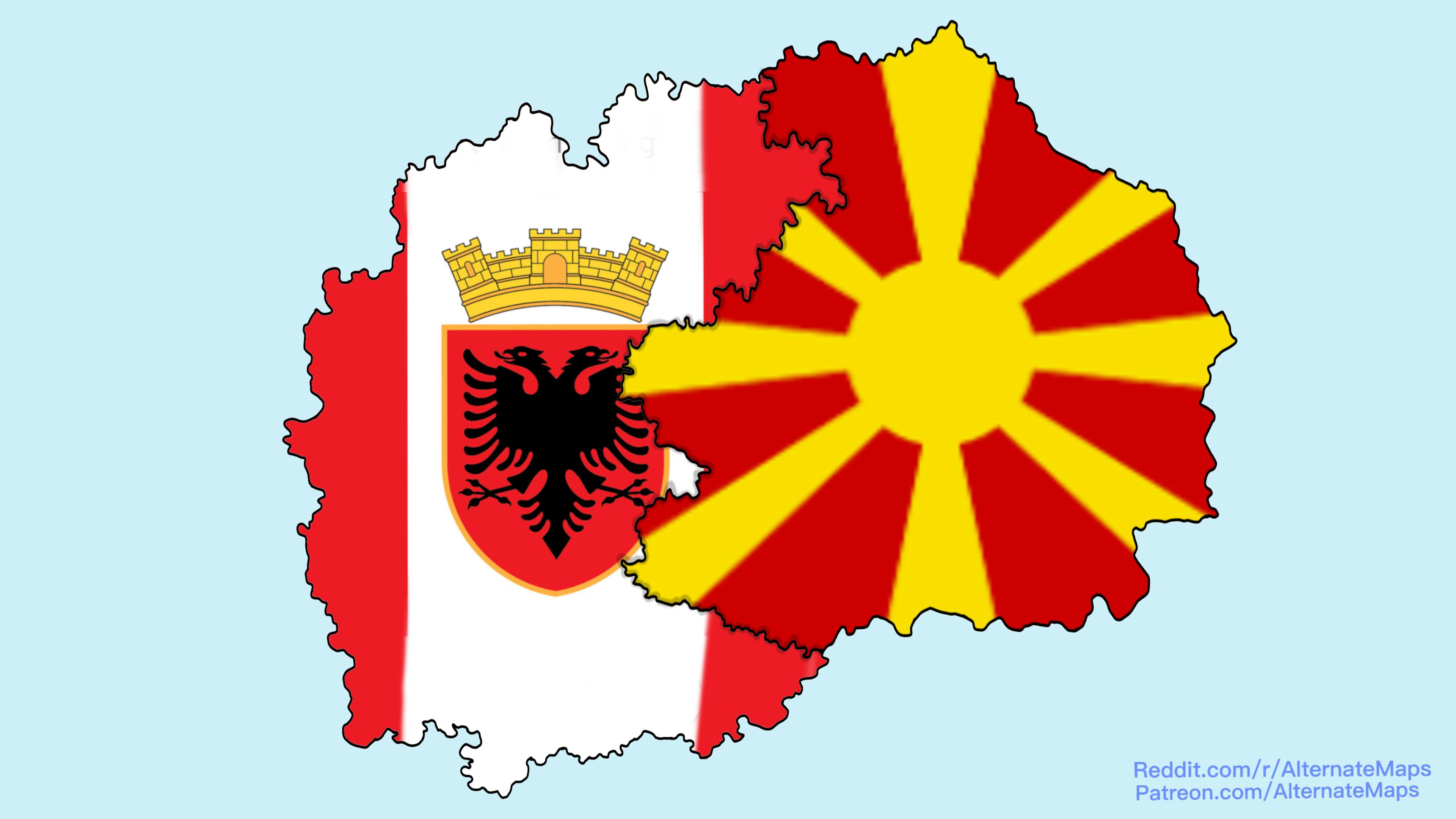

The Case for the Independence of Western Macedonia: An Analysis Through International Norms, Law, and Human Rights
Abstract
This article examines the legitimacy of Western Macedonia, a region with a significant Albanian majority, pursuing independence in accordance with international law, norms, and human rights principles. By analyzing self-determination doctrines, minority rights protections, and precedents from international recognition of new states, the study argues that the secession of Western Macedonia could be justified legally and ethically.
Introduction
The question of secession and the creation of new states remains one of the most complex issues in contemporary international relations. Western Macedonia, a region characterized by a significant Albanian majority, faces systemic cultural, political, and socio-economic marginalization within the current national framework. International law provides avenues for self-determination, especially in cases where minority groups are consistently denied effective participation in governance or subjected to discrimination.
International Law and the Principle of Self-Determination
The United Nations Charter (Article 1(2) and 55) and the International Covenant on Civil and Political Rights (ICCPR, Article 1) recognize the right of peoples to self-determination. The International Court of Justice (ICJ), in the Kosovo Advisory Opinion (2010), affirmed that unilateral declarations of independence do not inherently violate international law. For Western Macedonia, where the Albanian majority constitutes a distinct ethnic group with historical, linguistic, and cultural uniqueness, this principle provides a legal foundation for secession.
Minority Rights and Protection under International Norms
International frameworks such as the Framework Convention for the Protection of National Minorities (Council of Europe, 1995) and the UN Declaration on the Rights of Persons Belonging to National or Ethnic, Religious, and Linguistic Minorities (1992) guarantee the rights of minority populations to cultural preservation, political representation, and participation in public life. Persistent underrepresentation or marginalization of Albanians in Western Macedonia could be interpreted as a denial of these rights, strengthening the argument for self-determination and potential independence.
Precedents in International Recognition
The dissolution of Yugoslavia and the subsequent recognition of Kosovo (2008) and South Sudan (2011) illustrate international practice regarding secession. In both cases, distinct ethnic communities, facing systematic exclusion and threats to their identity, achieved independence with international acknowledgment. These precedents highlight that recognition is possible when self-determination is grounded in the protection of minority rights and the promotion of peace and stability.
Political and Socio-Economic Considerations
Beyond legal frameworks, the viability of an independent Western Macedonia hinges on its ability to sustain governance, economic development, and social cohesion. Evidence suggests that Albanian-majority communities possess a cohesive cultural identity and political infrastructure that could support autonomous statehood. Moreover, independence could foster regional stability by providing a formal mechanism to address historical grievances and promote inclusive governance.
Challenges and Counterarguments
Critics may cite territorial integrity and regional stability concerns. However, international law increasingly emphasizes the balance between state sovereignty and the rights of peoples. When systemic oppression or marginalization occurs, the scales often tilt in favor of self-determination, particularly if independence emerges through peaceful and democratic processes.
Conclusion
Based on principles of international law, minority rights, and relevant precedents, there is a compelling case that Western Macedonia, with its Albanian majority, could legitimately pursue independence. Recognition of such a state would not only align with legal norms but also promote human rights, cultural preservation, and long-term regional stability. The international community has an ethical and legal responsibility to consider self-determination claims that are grounded in these established norms and precedents.
References
- United Nations. Charter of the United Nations. 1945.
- International Covenant on Civil and Political Rights (ICCPR). 1966.
- International Court of Justice. Accordance with International Law of the Unilateral Declaration of Independence in Respect of Kosovo. Advisory Opinion, 2010.
- Council of Europe. Framework Convention for the Protection of National Minorities. 1995.
- United Nations. Declaration on the Rights of Persons Belonging to National or Ethnic, Religious and Linguistic Minorities. 1992.

