

By Raymond Kola
Summary
The article explains that Albania’s UNESCO-listed cultural heritage is at risk due to fragmented and inconsistent management by responsible institutions. An audit by the State Supreme Audit (KLSH) covering 2020–2024 found serious shortcomings, including failure to implement nearly half of the required legal acts, causing confusion and weak protection measures.
While Albania possesses significant UNESCO assets—such as Butrint, Berat, Gjirokastër, and intangible heritage like iso-polyphony and the xhubleta—these values face threats from poor coordination and lack of effective governance.
Institutions acknowledge the issues and claim improvements are underway, but progress remains slow, leaving heritage preservation vulnerable.
The SAI audit of Gjirokastra, Berat and Ohrid reveals the lack of legal acts, lack of funds and interventions outside the criteria in the historical centers
An in-depth audit by the Supreme State Audit Office highlights serious shortcomings in the way Albanian institutions are protecting and managing Albania’s cultural and natural assets that are part of the UNESCO World Heritage List.
The audit highlights a lack of institutional coordination, unapproved bylaws, insufficient investments in Albanian world heritage sites, and partial implementation of the World Heritage Committee’s recommendations.
Among the main findings of the ALSAI report are: the non-approval of about half of the by-laws provided for by the Law on Cultural Heritage, the lack of a coordination structure for Albanian assets at UNESCO, the delayed creation of the fund for the maintenance of monuments, problems in the implementation of UNESCO recommendations for Lake Ohrid and the Historical Centers of Berat and Gjirokastra, as well as the lack of progress in the inclusion of new Albanian assets on UNESCO lists.
Several institutions responsible for cultural heritage, and some municipalities, in response to the interest of “Faktoje”, declare that some of the HLSH recommendations are in the process of being addressed and that measures are being taken to improve the situation.
Meanwhile, the municipality of Berat did not respond to the request for information by the time of publication of this article.
2020-2024
Albania has several important assets recognized by UNESCO. The World Heritage List includes Butrint, the historic centers of Gjirokastra and Berat, as well as parts of the Ancient Beech Forests, specifically the areas of Rrajca and the Gashi River.
The Albanian Iso-polyphony and the Purple Codices of Berat, part of the “Memory of the World” program, have been registered on the Intangible Cultural Heritage List.
Albania is also part of the Prespa – Ohrid Basin transboundary biosphere reserve, along with North Macedonia, and in 2019 the Albanian part of Lake Ohrid was also registered on the World Heritage List.
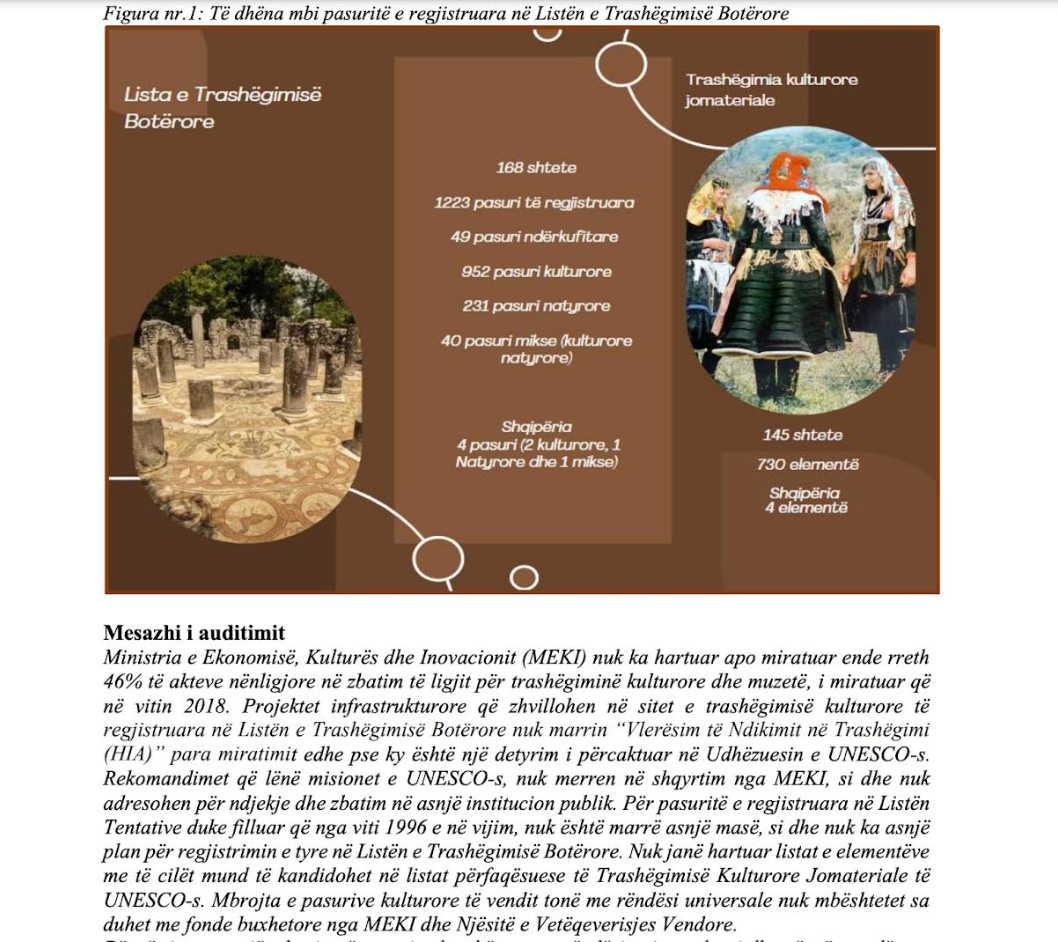
Albanian intangible cultural heritage includes the craftsmanship of Xhubleta, which in 2022 was included in the Urgent Safeguarding List, and the art of the lute, which in 2025 was declared an official part of UNESCO’s Intangible Cultural Heritage, requiring immediate protection.
Likewise, the tradition of transhumance (seasonal migration of livestock) has been included in the Representative List of the Intangible Cultural Heritage, valuing the centuries-old traditions of Albanian shepherds and promoting the preservation of rural culture and sustainable tourism.
The audit on the topic “Protecting the values and assets of our country at UNESCO” covered the period 2020-2024 and analyzed the activity of central and local institutions that have responsibility for the administration of Albanian assets at UNESCO World Heritage.
The report was published by the Albanian Supreme Audit Office in 2025.
The focus of the audit was the Ministry of Economy, Culture and Innovation, the Ministry for Europe and Foreign Affairs, the National Institute of Cultural Heritage, as well as the municipalities of Durrës, Berat, Gjirokastër and Pogradec.
“The audit focused on the role and responsibilities of these institutions for the measures taken to preserve national assets and values of universal importance registered on the World Heritage List,” the SAI report states .
The Ministry of Tourism, Culture and Sports (MTKS) told FAKTOJE that it “is in the process of implementing the recommendations left by the KLSH” , suggesting that the problems are known and are being gradually addressed.
The State Audit’s audit report does not touch on developments in the Butrint National Park, which for two years, after strong controversy in the country and harsh criticism from UNESCO, has been transferred to the administration of a Foundation.
As of this writing, the SAI has not responded to the reasons why Butrint is not included.
SAI
One of the main problems identified in the SAI report is related to the implementation of the Law on Cultural Heritage adopted in 2018. According to the audit, a significant portion of the by-laws provided for by this law have not yet been adopted.
“The Ministry of Economy, Culture and Innovation has not drafted or proposed for approval about 46% of the bylaws, even though the deadlines have passed for 3-4 years,” says the SAI.
According to the ALSHI report, out of 109 acts provided for in the law, only 59 have been approved.
According to the SAI auditors , “no serious commitment is evident from this ministry to encourage other central or local links or structures to fulfill all legal requirements in implementation of the law on cultural heritage.”
“The failure to approve the bylaws has brought uncertainties and obstacles to the implementation of the tasks for the protection of national heritage values of universal importance by the responsible institutions,” says the SAI report.
In March 2026, in a response to “FAKTOJE”, the Ministry of Tourism, Culture and Sports said that during the period 2024–2025, the recommendations are in the process of implementation, there is progress in sub-legal acts and steps have been taken for management plans and international reporting.
According to her, in 2024, 10 acts were approved (9 DCMs + 1 instruction) and in 2025, 8 acts (6 DCMs + 2 instructions)
Lack of coordination
The SAI report also highlights the lack of a responsible structure to coordinate policies and actions for Albanian heritage at UNESCO.
According to the audit, “there is no specialized unit that follows in an integrated manner the processes related to candidacies, site management, and the implementation of international recommendations.”
“There is no unit responsible for coordinating the work between central and local institutions, from drafting candidacy files to implementing recommendations and archiving documentation,” the SAI report states.
“This situation has often led to institutional confusion and distribution of responsibilities between institutions,” the SAI report continues.
The auditors point out that “institutions often shift responsibility to each other for failing to fulfill obligations arising from conventions and for reporting to the World Heritage Committee.”
The auditors also found shortcomings in reporting, such as sending materials in Albanian, while the documents should be in English or French, the official languages of UNESCO.
MTKS in its response to “FAKTOJE” acknowledges the need to improve inter-institutional coordination and states that it is “in the process of reviewing the legal framework, which will also include special structures for UNESCO issues.”
Measures
The audit notes that the recommendations of UNESCO missions are not always systematically followed by Albanian institutions.
According to the SAI, the Ministry of Economy, Culture and Innovation (currently the Ministry of Tourism, Culture and Sports) “has not taken concrete measures to implement these recommendations and there is a lack of a clear division of responsibilities between the relevant structures.”
Also, according to the report , the audited municipalities “often lack information on recommendations or issues related to cultural and natural assets in their territory.”
In reports for the period 2019–2024, UNESCO missions have emphasized that any project on cultural heritage sites should only be implemented after a Heritage Impact Assessment (HIA) is conducted.
However, according to the SAI, “this recommendation was overlooked in the Gjirokastra bypass project, which continued without this assessment.”
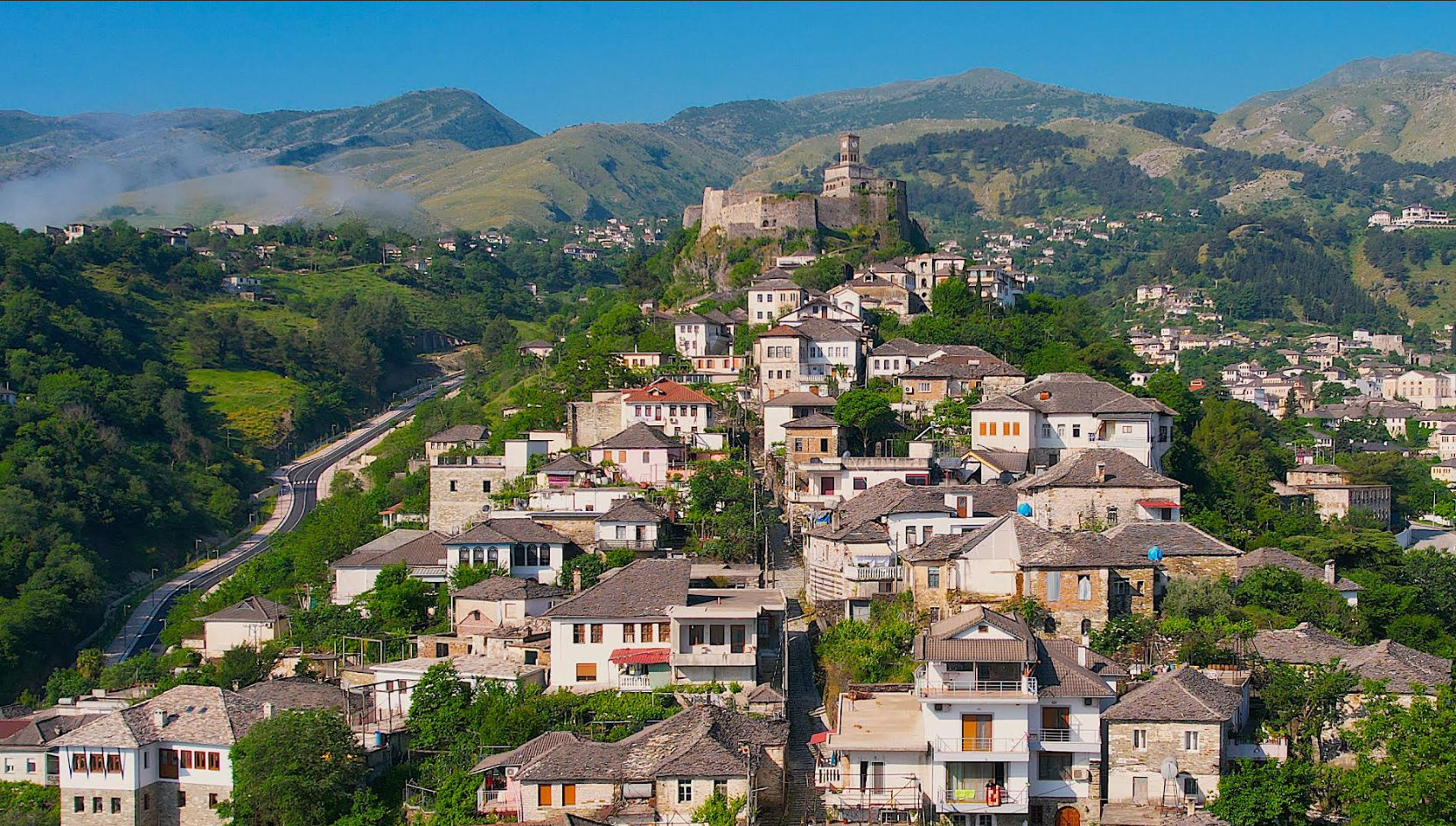
“Although Albania is a signatory to the Convention for the Protection of Cultural and Natural Property, the legislation in force does not clearly define the obligation for any project on heritage sites to first conduct a Heritage Impact Assessment, as recommended by UNESCO,” says the SAI.
The SAI has requested that the Ministry of Economy, Culture and Innovation and the National Institute of Cultural Heritage take measures to include this obligation in the legal framework.
In a response to “Faktoje”, the National Institute of Cultural Heritage explained that, “even in the absence of a specific sub-legal act, projects that interfere with heritage sites are reviewed on a case-by-case basis by the National Council of Material Cultural Heritage, which decides whether a project should be subject to this assessment.”
The Municipality of Gjirokastra told “Faktoje” that all projects in the Historical Center are approved by the relevant Cultural Heritage institutions (Ministry of Culture and the National Institute of Cultural Heritage – IKTK).
Wealth
According to the SAI report, “Albania has continuously ignored the recommendations of the UNESCO Committee, which since 2019 has emphasized that there are a number of risks that must be addressed to preserve the Outstanding Universal Values of Lake Ohrid.”
The SAI report emphasizes that the Drilon-Tushemisht Water Park project was considered inappropriate by the Committee, but was nevertheless approved after several minor changes, which were assessed as insufficient and did not take these values into account.
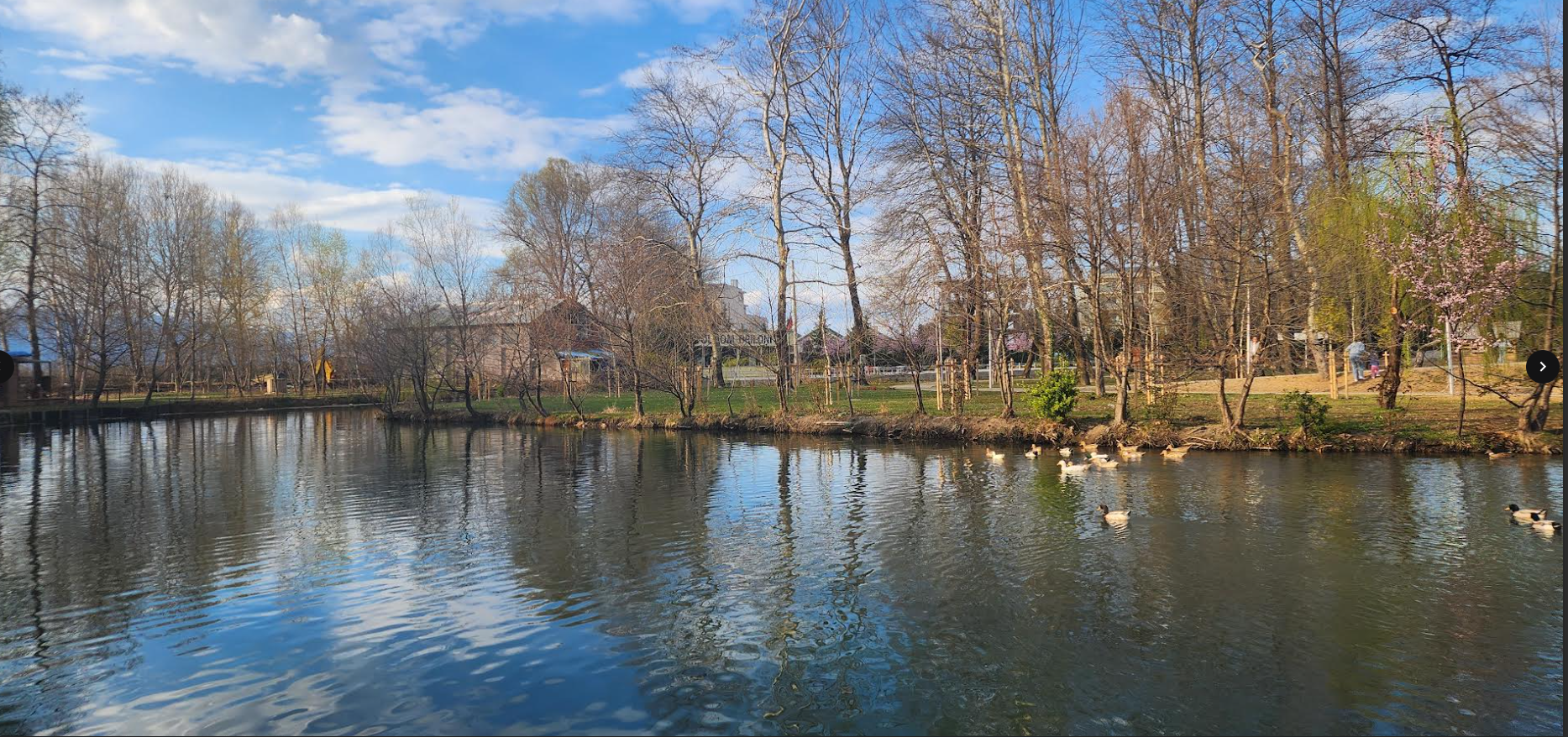
In a response to the “FAKTOJE” network, the Ministry of Culture says that Albania has regularly reported to UNESCO and that “ the joint 2025 report and the January 2026 report include progress and a corrective measures plan.”
Meanwhile, the National Institute of Cultural Heritage, in a response to “FAKTOJE”, emphasizes that “Albania, as a state party, has a clear framework of action for addressing UNESCO’s recommendations for the ‘Natural and Cultural Heritage of the Ohrid Region’ asset.”
According to the institution, this framework includes the decisions of the World Heritage Committee, the 2024 Reactive Monitoring Mission Report, as well as the Strategic Recovery Plan for the Albanian part of the property.
IKTK adds that “this framework also includes national instruments, such as the process for declaring the village of Lin an “Urban Architectural Ensemble” and the drafting of a plan for its preservation and administration, launched in response to UNESCO recommendations.”
The institute also emphasizes that, “because this global asset is mixed and shared between Albania and North Macedonia, the implementation of the recommendations requires inter-institutional and cross-border coordination.”
Meanwhile, the Municipality of Pogradec told “FAKTOJE” that it has approved the order “On the implementation of the recommendations made by the Supreme State Audit Office (SSA)”.
In its response , the Municipality added that “the documentation of the Drilon-Tushemisht Water Park project has been forwarded to the World Heritage Center (WHC) and the advisory bodies ICOMOS and IUCN by the Albanian-American Development Foundation (AADF).”
Regarding the special fund for cultural heritage, the Municipality of Pogradec stated to “FAKTOJE” that it has not approved budget funds dedicated to UNESCO cultural heritage assets, specifically for the Lake Ohrid area.
UNESCO for Ohrid
The World Monuments Organization, UNESCO, warned the Albanian and North Macedonian authorities in the summer of 2024 about the possibility of including the Ohrid region on the List of World Heritage in Danger.
UNESCO assessed that “the urgent needs for the preservation of Ohrid require a broad mobilization to protect its universal values, including the possibility of inclusion in the List of World Heritage in Danger.”
According to the organization, the state of preservation of this property is not improving and there is still no positive trend towards restoring its integrity.
The Macedonian part of Lake Ohrid was included in the World Heritage List in 1979, initially as a natural asset and a year later as a natural and cultural asset, while the Albanian part was included in this list in 2019.
SAI
The SAI report emphasizes that the Ministry of Economy, Culture and Innovation should prioritize the approval of Management Plans for the historic centers of Berat and Gjirokastra.
The National Institute of Cultural Heritage announced to “FAKTOJE” that the pre-final draft of the plan has been submitted to the UNESCO World Heritage Center.
“The document is currently under review by UNESCO’s advisory bodies and the final version is expected to be updated following comments and recommendations,” IKTK said.
The Ministry of Culture also confirmed that the Gjirokastra and Berat Management Plan is still a draft and has been forwarded to UNESCO, where recommendations are awaited.
The Municipality of Gjirokastra also confirmed that the “Gjirokastra Bypass” project has been made available to UNESCO bodies following the critical report of the world organization.
Historical centers
According to UNESCO mission reports, Berat and Gjirokastra still do not have a finalized Integrated Management Plan, although the process began in 2019 with international support.
The UNESCO Committee has expressed regret for the non-full implementation of international assistance for the drafting of this plan.
Albanian authorities have argued that the process has been delayed due to the departure of the team from the National Institute of Cultural Heritage that had drafted the first draft.
Butrint
The UNESCO mission expressed “deep concern” about the change of the boundaries of the Butrint National Park by the Albanian government without the organization’s knowledge and approval, in a monitoring report submitted to the Albanian authorities in September 2023.
According to official documents, 802 hectares have been removed from the park, reducing the area from 9,424 to 8,622 hectares.
The government’s decisions in 2022 on the new boundaries of the park and on the construction of a resort in the excluded area are not mentioned in the Albanian side’s report submitted to the World Heritage Committee.
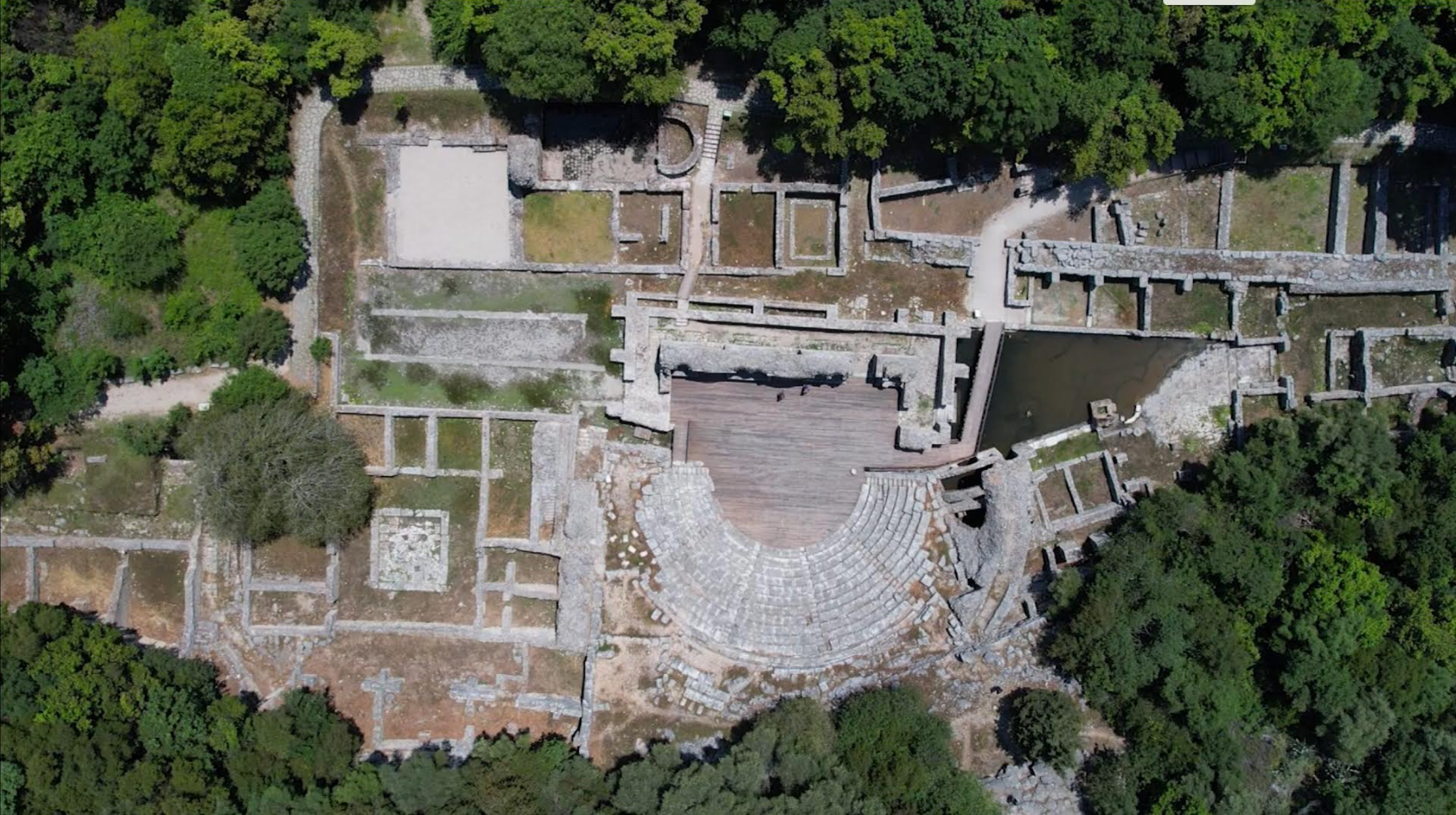
The Albanian side’s report did not provide clear answers to UNESCO’s criticisms of the new Butrint management model through the Butrint Management Foundation, in partnership with the Albanian-American Foundation for Development.
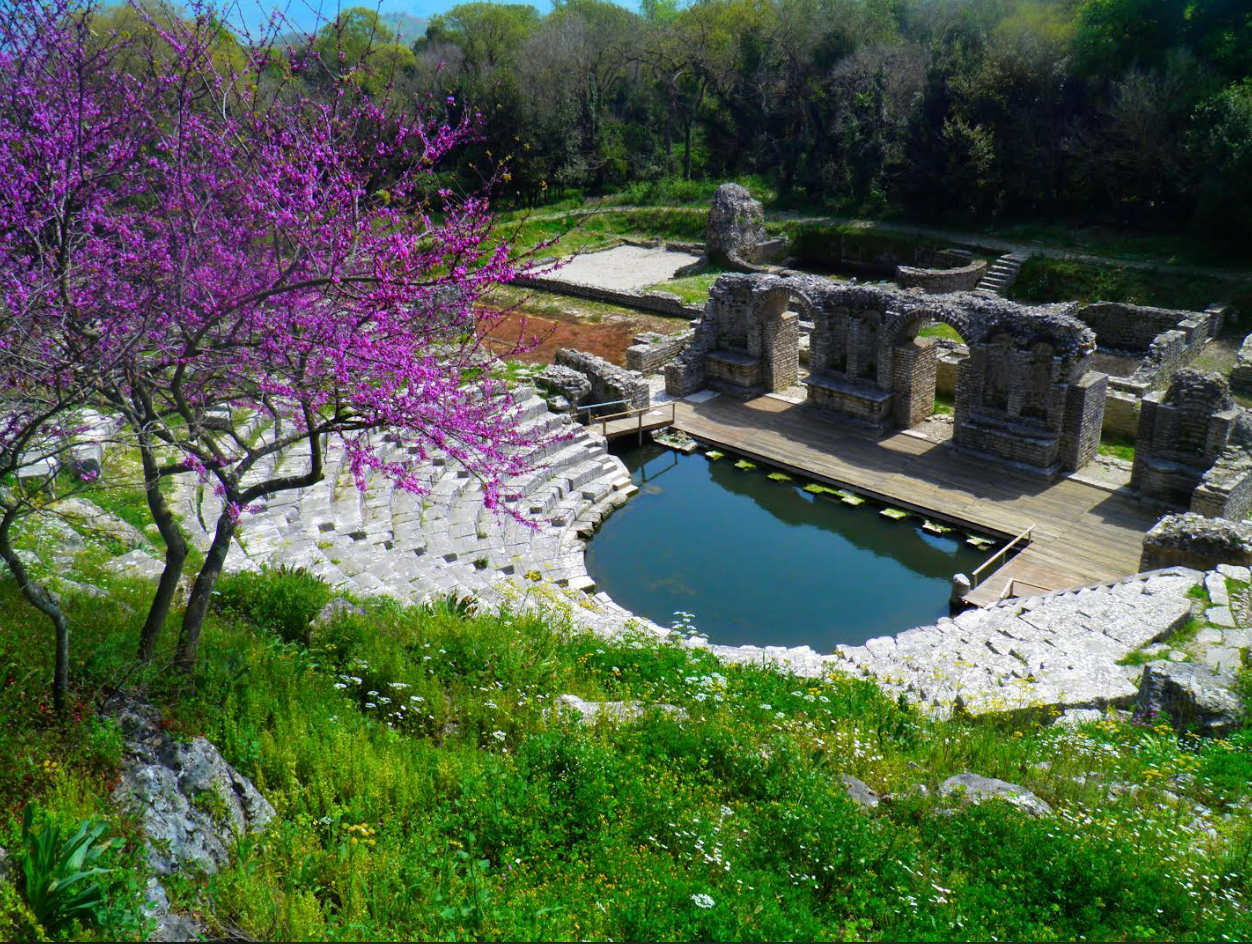
The organization had also requested that the Albanian Ministry of Culture retain full state authority over the administration of Butrint, which did not happen, as management was transferred to a foundation where the Ministry of Culture does not have a majority of votes on the governing board.
Meanwhile, one of UNESCO’s requests, the submission of a clear map of the borders and buffer zone, has still not been fulfilled by the Albanian authorities.
Problems with funds
The report of the Supreme Audit Office (SAO) highlights a lack of financial planning and institutional delays in supporting Albanian assets listed in UNESCO. According to the audit, funds dedicated to the protection of these assets have not been planned in the budgets of central and local institutions for several years, while the national fund foreseen for this purpose has also been created late.
The report emphasizes that “the National Fund for the Care of Material Cultural Heritage, which was supposed to be established at the Ministry of Economy, Culture and Innovation in 2019, was only established in 2022.”
According to the report, the ministry does not have data regarding the value of the constituent items of this fund.
The report also states that “in the budget of the ministry or municipalities that were subject to audit for the period 2020-2024, there are no special funds planned for the protection of cultural heritage assets and values registered with UNESCO, as well as for assets that are on the organization’s tentative list.”
According to the audit, even in the budgets of the municipalities of Berat, Gjirokastër and Pogradec for the years 2020–2024, no funds dedicated to the values and assets of cultural heritage registered with UNESCO have been planned.
Asked whether budget funds have been planned for 2025 for cultural heritage assets listed in UNESCO, the National Institute of Cultural Heritage stated in a response to “FAKTOJE” that during 2025, it has implemented several contracts for the performance of conservation and protection works on cultural assets, mainly in the city of Gjirokastra.
The institute adds that projects taking place in the historic centers of Berat and Gjirokastër are treated according to the rules of the UNESCO World Heritage Convention and the organization’s Operational Guidelines, which require states to inform UNESCO of projects that may affect the universal values of listed properties.
The Municipality of Gjirokastra confirmed that it is cooperating with the Regional Directorate of National Culture on these investments.
New candidacies
According to the Albanian Supreme Audit Office, “during the period 2020–2024, no new Albanian property was registered on the UNESCO lists.”
Currently, Albania has four properties on the Tentative List: the Illyrian Tombs of Selce, the Durrës Amphitheater, the Ancient City of Apollonia, and the Bashtovo Castle.
The report emphasizes that “the responsible institutions have not yet drafted a list of elements for nomination to UNESCO’s intangible heritage and the country does not have a complete register of cultural and natural assets of exceptional interest.”
The SAI report recommends that “the Ministry of Economy, Culture and Innovation take measures to draft the instruction on the functioning of the Advisory Commission, the instruction for compiling the National Catalog of Cultural Assets, and to complete the process of selecting experts to assess the cultural values of movable, immovable and intangible assets.”
In this regard, the National Heritage Institute told “FAKTOJE” that “the Advisory Commission has already been established by order of the Minister responsible for cultural heritage, and the relevant instructions that determine its functioning and activity have been approved.”
This article is published as part of the annual “Fatos Baxhaku” competition, part of the Truth Beyond Numbers initiative, implemented by Faktoje through the support of the MATRA program of the Embassy of the Kingdom of the Netherlands. The views expressed in the articles belong to the authors and do not necessarily reflect the views of the Kingdom of the Netherlands.
Original article
https://faktoje.al/trashegimia-shqiptare-ne-unesco-e-rrezikuar-nga-menaxhimi-sporadik/?


