
Taken from Marin Memas documentary.
In this documentary, Marin Mema visits Nish in southern Serbia, in order to examine Dardanian plaques, of Pre-Slavic and Pre-Serbian heritage.
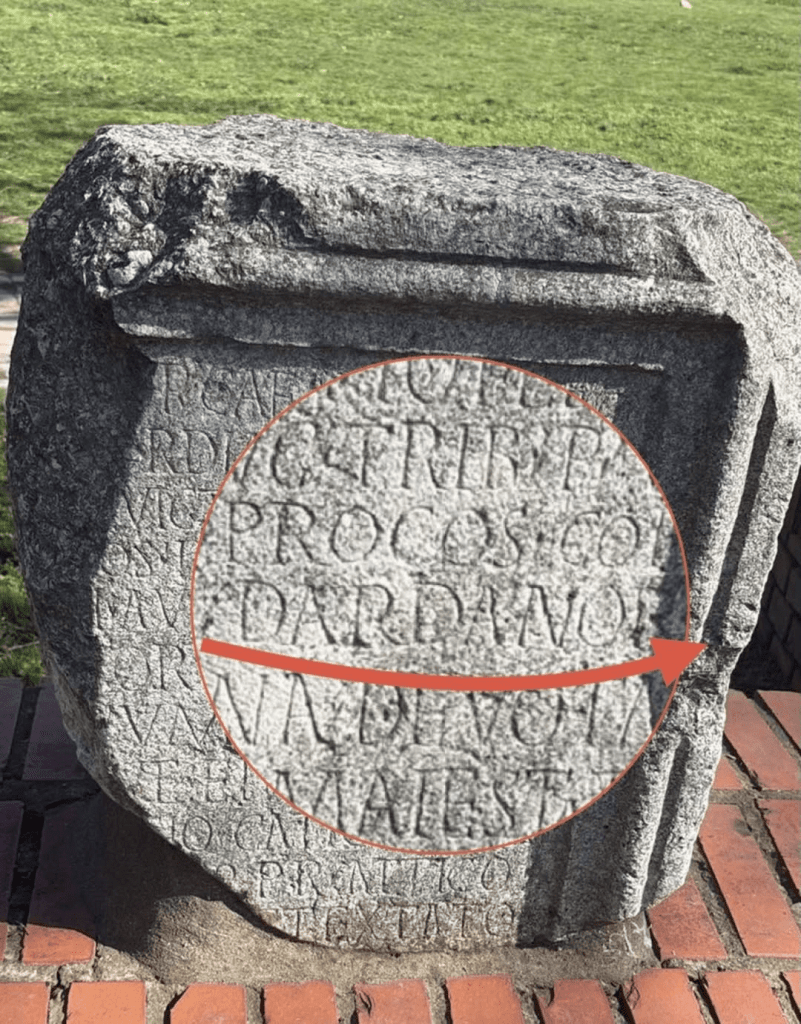
So what is the history of these monuments, and who lived in Nish (Nissus) in the past during the Roman and Byzantine era? Even though Nish was inhabited by Albanians for centuries, in the 19th century, Serbian powers expelled the indigenous population.
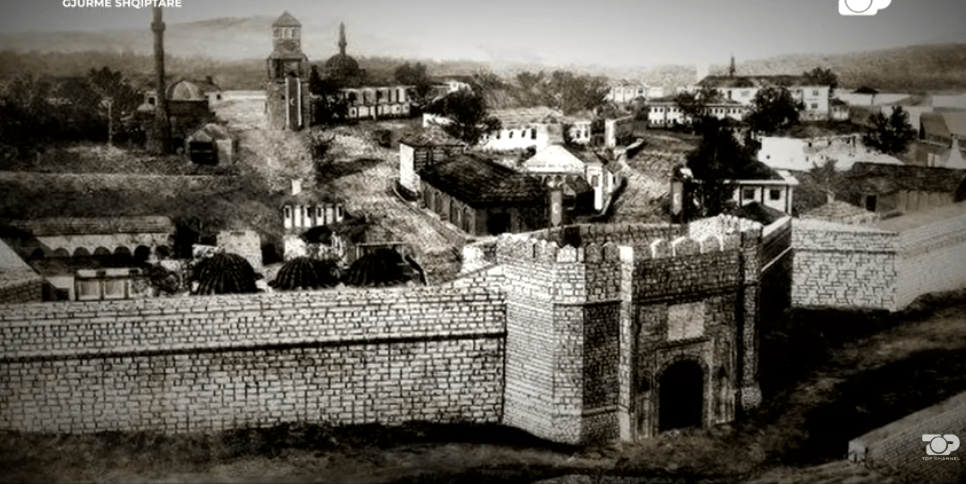
Nish
The plaques contain the words “DARDANUS” referring to the autochthonous culture of the inhabitants. When the Albanians of the region were expelled, Serbia invested economically and politically to dominate the region.
Constantine of Nish
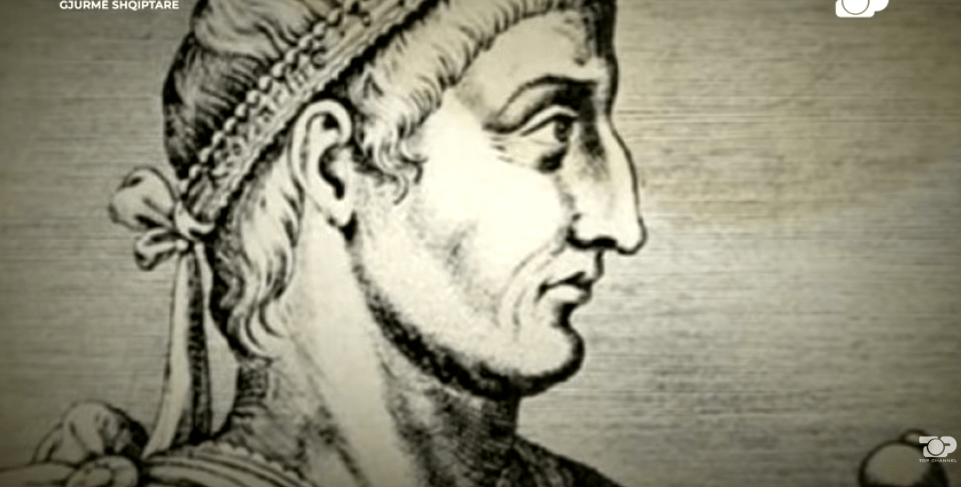
Constantine, a Dardanian Roman emperor, was born in the city.
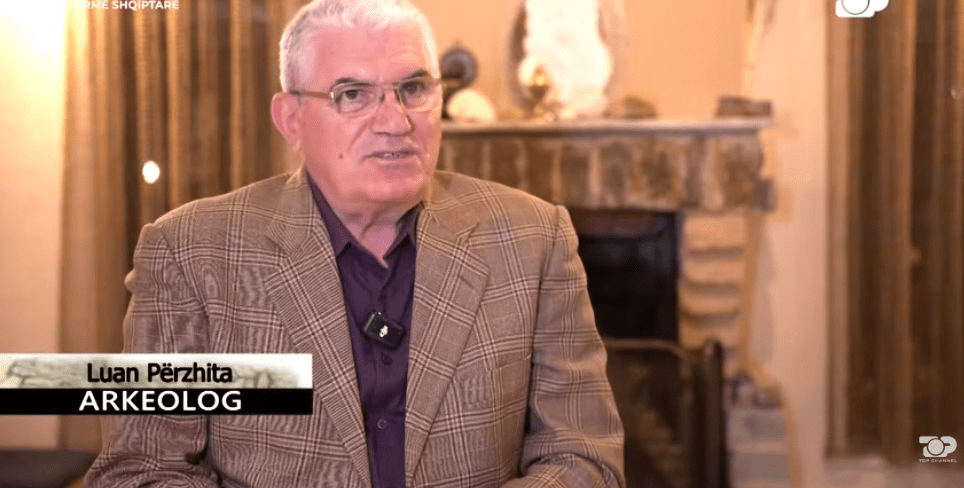
Luan Përzhita, archeologist, says that Constantine was a famous general.

Archeologist Ilir Culaj says that Constantine was not a Serb or a Slav, but a Dardanian leader, referring to sources by historian Dualenski and French historian Robert Ducan and German historian Diemark.
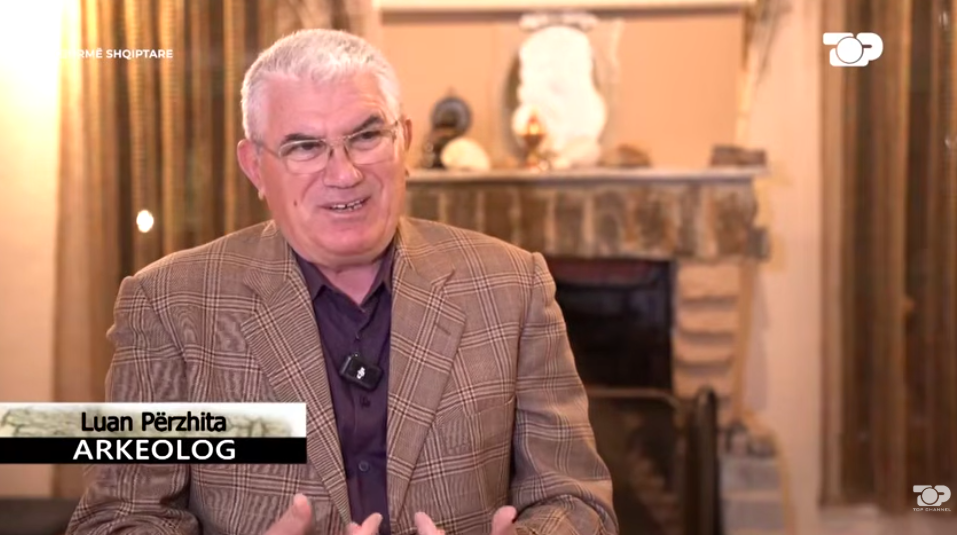
Përzhita says that Constantine desired a new Rome or Byzantine Empire, and establishing himself in Constantinople (Istanbul). Constantine lived during an era prior to Slavic migrations, meaning that Constantine had very little to do with Slavs or Serbs.
Culaj states that Constantine allowed the development of Christianity in the region.

Nikollë Loka, researcher, says that Constantines reforms were met with difficulties.
Culaj states that Constantine lived 3 km from Nish in the villa called “Villa Medjana”.
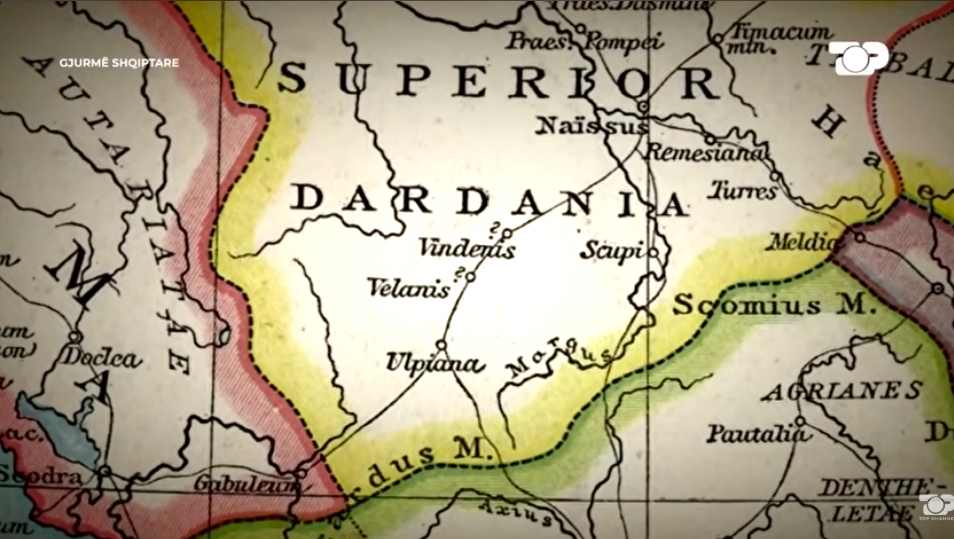
Nish was, according to several historians, a Dardanian city. Nish was one of the most important city of the time, and was established by Dardanian tribes during the Bronze age.
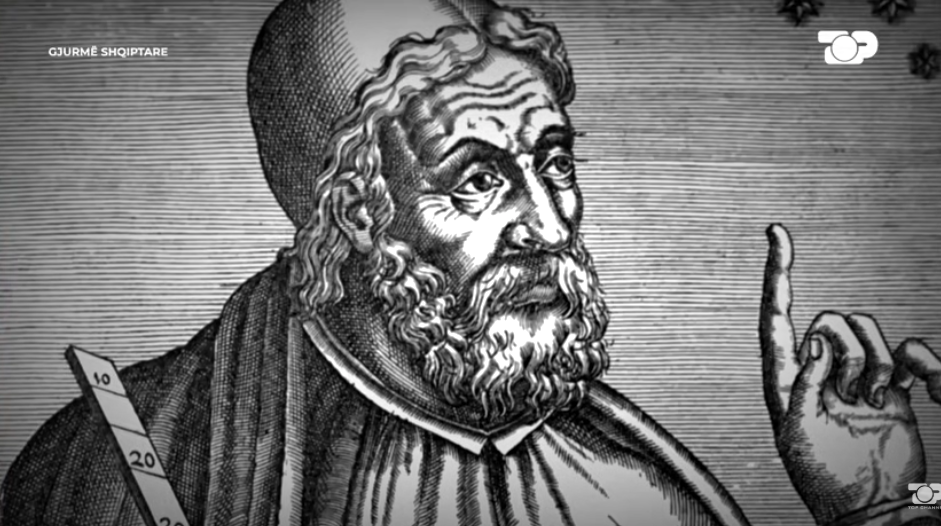
Ptolemy in his “Geographica” mentions the 4 cities of Dardania; Aribantiori, Nish, Ulpiana and Scupi (Shkup).
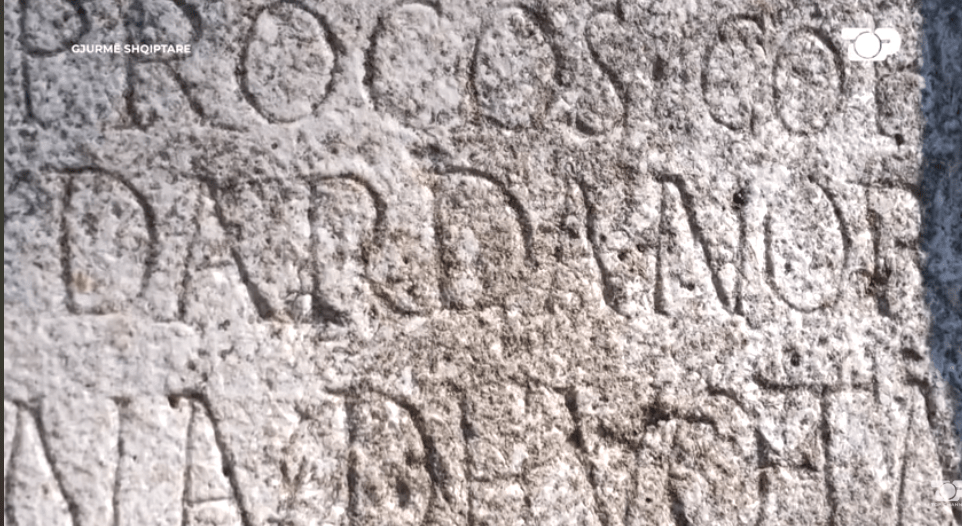
The plaque of “Dardanum” in Nish.

Reseacher Florent Hasani says that these plaques verifies the autochthonous Dardanian population of the region.
Serbian authorities however do not allow the full display of all available plaques, due to political reasons. The plaques of Nish resemble the ones found in other regions of Dardania (Kosovo).

“Cohors I Aurelia Dardanorum equitata (349)
(A) Before its deployment in Moesia Superior, it was stationed in Dalmatia, as an inscription from Salona seems to indicate. Under these circumstances we must also include in this unit’s index the soldier Surus Victoris f., attested in the above-mentioned inscription. He was recruited around 169–170, along with its “sister” cohors II Aurelia Dardanorum, among those latrones Dalmatiae atque Dardaniae, attested by the Historia Augusta.
Cohors II Aurelia Dardanorum milliaria equitata (350–351)
(A) From the index are missing: T. Flavius Maximus, veteranus ex decurione, T. Iulius Saturninus, veteranus ex decurione, and L. Egnatius Aristi[a]nus Superus, serving…”
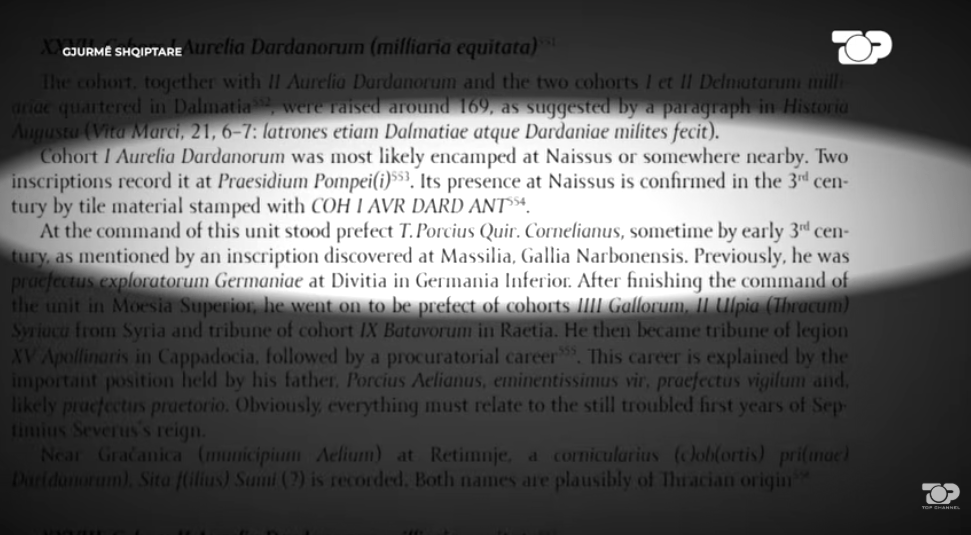
“Cohort I Aurelia Dardanorum (milliaria equitata)
The cohort, together with II Aurelia Dardanorum and the two cohorts I et II Delmatarum milliariae quartered in Dalmatia, were raised around 169, as suggested by a paragraph in Historia Augusta (Vita Marci, 21, 6–7: latrones etiam Dalmatiae atque Dardaniae milites fecit).
Cohort I Aurelia Dardanorum was most likely encamped at Naissus or somewhere nearby. Two inscriptions record it at Praesidium Pompei; its presence at Naissus is confirmed in the 3rd century by tile material stamped with COH I AVR DARD ANT.
At the command of this unit stood prefect T. Porcius Quir. Cornelianus, sometime by early 3rd century, as mentioned by an inscription discovered at Massilia, Gallia Narbonensis. Previously, he was praefectus exploratorum Germaniae at Divitia in Germania Inferior. After finishing the command of the unit in Moesia Superior, he went on to be prefect of cohorts II Gallorum, II Ulpia (Thracum) Syriaca from Syria and tribune of cohort IX Batavorum in Raetia.
He then became tribune of legion XV Apollinaris in Cappadocia, followed by a procuratorial career. This career is explained by the important position held by his father, Porcius Aelianus, eminentissimus vir, praefectus vigilum and likely praefectus praetorio. Obviously, everything must relate to the still troubled first years of Septimius Severus’s reign.
Near Gradisca (municipium Aelium?) at Retimna, a cornicularius (cohortis) primae Dardanorum, Sita (filius) Sumi (?) is recorded. Both names are plausibly of Thracian origin.”
Nish (Nissus) and Lezhë (Lissus) were connected via the “Egnatia” road which were an important highway of trade.

These discoveries was a problem for the Serbian historiography, thus began a plan to deform and hide pre-Slavic and pre-Serbian and Dardanian heritage.
Christianity was spread by Constantine in Nish. There were 5 basilicas of Paleo-Christian origin.

Nike Dardania (Niceta of Remesiana) one of the most important Christian figures of Dardania. He wrote many religious texts and also Christian church songs. He himself wrote that he was a “Dardanian”.
The Serbian tribes accepted the Christian faith first in the 10th and 11th century, 600 years before the first Dardanian religious centrums were built. This means that the heritage of Nish is not of Serbian or even Slavic origin. Serbian authorities then began a plan to slavicize and rebuild Dardanian monuments and churches, in order to hide their true origin.
The theory of historical relativism
Serbian authors began to claim that the region of Nish was inhabited by many kinds of tribes, this is in order to move focus away from the Albanian origin of the regions. This in order to push the agenda of a Serbo-Macedonian “Slavic” thesis.
Here the Serbian official at the Museum of Nish was interviewed:
Interviewer: “Who lived the first population here in Nish?”
Answer: “The Celts, Romans, Slavs…”
Interviewer: “And the Dardanians?”
“Yes. They all lived here”.
“They lived here together?”
“They migrated”.
“Who built the city? What tribe?”
“In the 4th century, Constantine built it”
“Who built it before the Romans?”
“The Slavs…”
“And before the Christian era?”
“I don’t know… i am sorry, but i am busy”.
Full documentary
https://www.youtube.com/watch?v=45Mm1W_5U7M
References
RMD 149 CIL XVI 90 = IDR I 14 P. Hügel, Ziridava (1996), 73–8 Petolescu, Corches, Drobeta (2002), 120–126 CIL 8074.14c CIL III 1163 = IDR III/5, 409 RMD 226 RMD 247 Eck, MacDonald, Pangerl, Chiron 32 (2002), 420; 417–422, no. 6

