
Summary
Every March 24, Serbian irredentist accounts on X erupt with outrage over NATO’s 1999 bombing of Yugoslavia, portraying Serbs solely as victims. They meticulously count every civilian death caused by NATO — around 500 — while systematically ignoring the 130,000–140,000 total deaths in the Yugoslav wars, the vast majority of which were non-Serb civilians killed by Serbian forces. The hypocrisy is stark: they condemn NATO for stopping ethnic cleansing in Kosovo, yet refuse to acknowledge the mass graves, Srebrenica genocide, and over 10,000 Albanian civilians slaughtered by Milošević’s regime. This selective memory is not remembrance — it is historical denial wrapped in victimhood nationalism.
Every March 24, Serbian irredentist accounts on X (formerly Twitter) erupt in coordinated outrage.
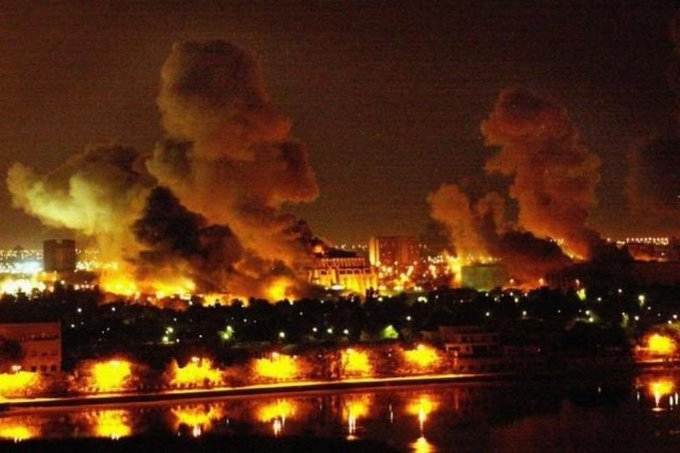
They flood timelines with photos of destroyed bridges, lists of civilian casualties, and emotional appeals to “never forget” the NATO bombing of Yugoslavia that began on this day in 1999. The message is simple and relentless: NATO committed an illegal act of aggression against a sovereign nation, killing innocent Serbs in the process.
What is almost never mentioned in these posts is the reason NATO intervened in the first place — or the vastly greater number of civilians slaughtered by Serbian forces in the years leading up to it.
Reliable independent estimates put civilian deaths from the 78-day NATO air campaign at roughly 500 (Human Rights Watch documented 488–528; the ICTY review reached a similar figure). Tragic? Yes. Disproportionate in some incidents? Arguably. But in the broader historical context, these numbers are dwarfed by the death toll inflicted by Slobodan Milošević’s regime and its proxies across the former Yugoslavia.
Between 1991 and 2001, the Yugoslav wars claimed an estimated 130,000 to 140,000 lives in total — combatants and civilians combined. The overwhelming majority of civilian victims were not killed by NATO. In Bosnia alone, approximately 100,000 people died, with Bosniak (Bosnian Muslim) civilians making up the largest share; the Srebrenica genocide alone saw over 8,000 Bosniak men and boys systematically executed by Bosnian Serb forces in July 1995.
In Kosovo, Serbian police, army, and paramilitary units killed or caused the disappearance of more than 10,000 civilians, predominantly ethnic Albanians, while driving nearly a million people from their homes in a campaign of ethnic cleansing that NATO ultimately moved to stop.
Yet on X today you will find post after post from accounts waving Serbian flags and promoting “Kosovo je Srbija” that focus exclusively on NATO’s bombs. One recent example tallied “1,500–2,000 killed, 79 children” from the bombing while omitting any reference to the mass graves, burning villages, or rape camps documented by the International Criminal Tribunal for the former Yugoslavia.
Another called the campaign “illegal terror attacks” aimed at preventing Serbia from “clearing violent Islamist settlers” — a grotesque reframing of documented ethnic cleansing as legitimate “remigration policy.”
This is not honest historical remembrance. It is selective amnesia dressed up as patriotism. The hypocrisy is glaring. These same voices routinely denounce NATO for “civilian casualties” while refusing to acknowledge that Serbian military and paramilitary units deliberately targeted civilians on a far larger scale — in Vukovar, Sarajevo, Srebrenica, and across Kosovo.
They condemn the West for “bombing hospitals and schools” but stay silent about the systematic destruction of Bosniak and Albanian communities. They demand the world “never forget” 500 deaths while actively working to erase the memory of 10,000+ in Kosovo and 60,000+ Bosniak civilians in Bosnia.
This is textbook whataboutism. It allows irredentist narratives to portray Serbs exclusively as victims and everyone else as aggressors — a comforting myth that absolves responsibility for the very atrocities that triggered international intervention. NATO did not start the wars in the Balkans; Milošević’s Greater Serbia project did. NATO did not invent the ethnic cleansing; it acted (belatedly) to halt it.
True reconciliation in the Balkans cannot be built on one-sided anniversaries and selective outrage. It requires acknowledging uncomfortable facts on all sides — including the very real civilian suffering caused by NATO, but also the far greater suffering caused by those who provoked the intervention.
Until Serbian irredentist voices on X are willing to confront that full history instead of curating a victimhood narrative, their annual ritual of anti-NATO posts will remain less a cry for justice and more an exercise in historical denial and political hypocrisy.

