
Prepared by Elis Buba / usalbanianmediagroup.com
The “Chronicle of the Lands” is not simply a poem praising an Italian dynasty in Greece, but a vital document for understanding the complex political, ethnic, and social transition of Epirus and Acarnania during the years 1375–1425.
A discovery beyond the verses
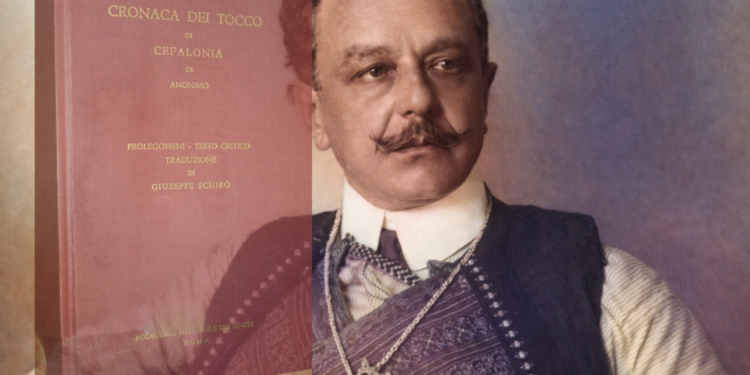
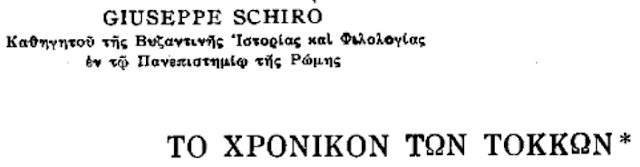
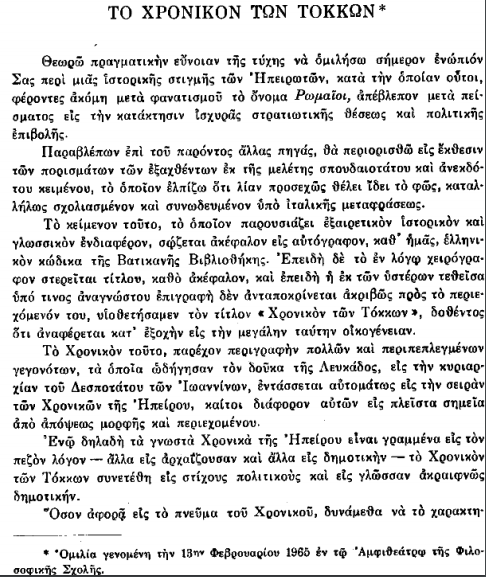
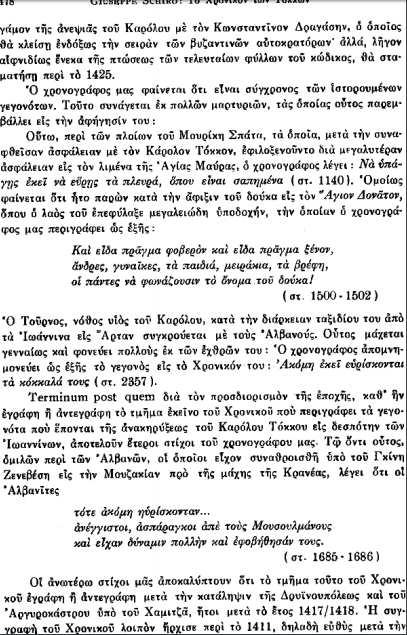
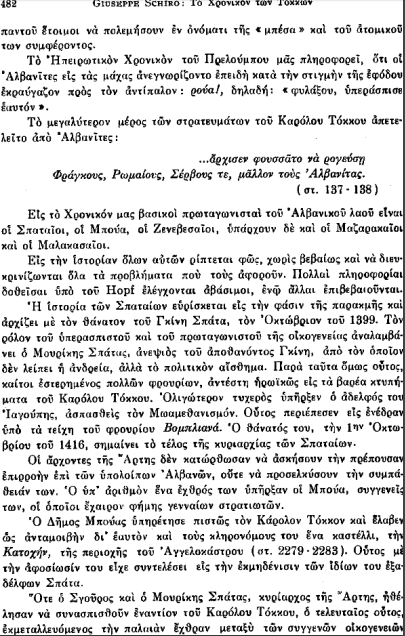
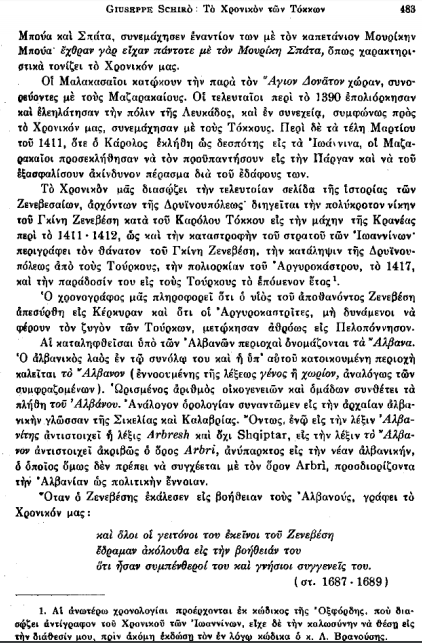
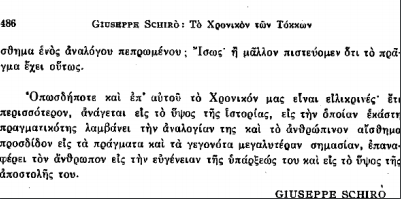
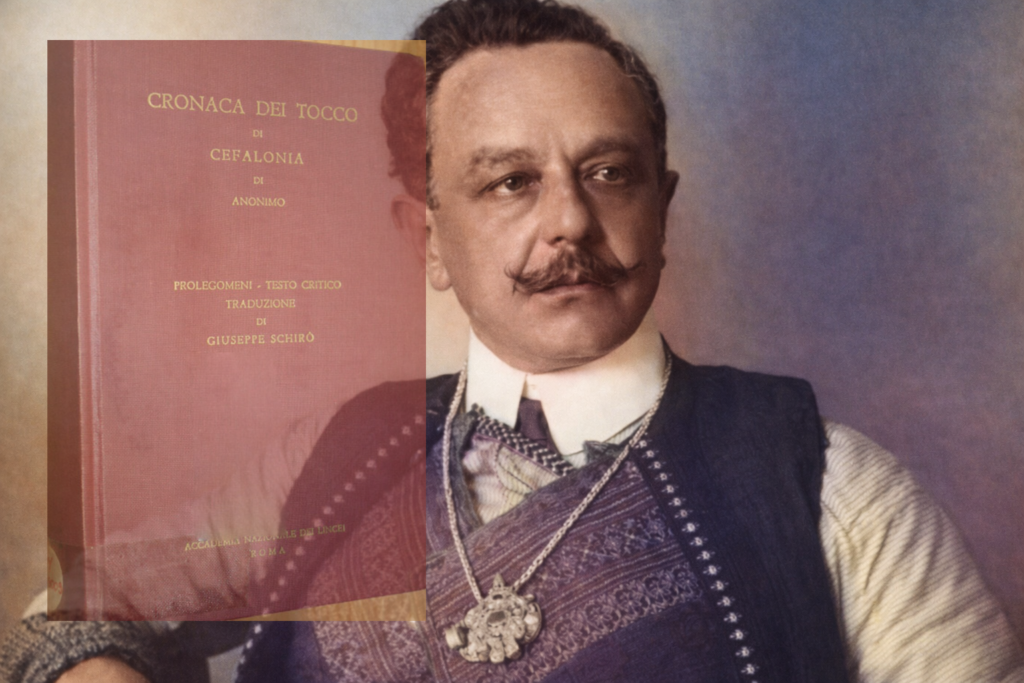
The discovery of this anonymous manuscript in the Vatican Library, meticulously analyzed by Zef Skiroi – Giuseppe Schirò, shed light on a “dark” period of medieval history. Written in political verse (fifteen syllables) and in a pure demotic (popular) language, the Chronicle describes the rise of Carlo I Toko, Duke of Lefkada, to the possession of the Despotate of Ioannina and Arta.
Unlike other Epirus chronicles that used prose or archaic Greek, this text vibrates with a lively, almost journalistic style, which suggests that the author was an eyewitness to the events or part of the close circle of the Tokos court.
The identity of “Romeo” and the defense of Ioannina
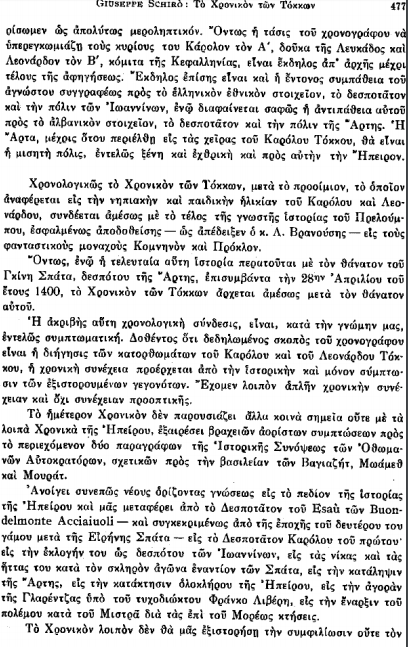
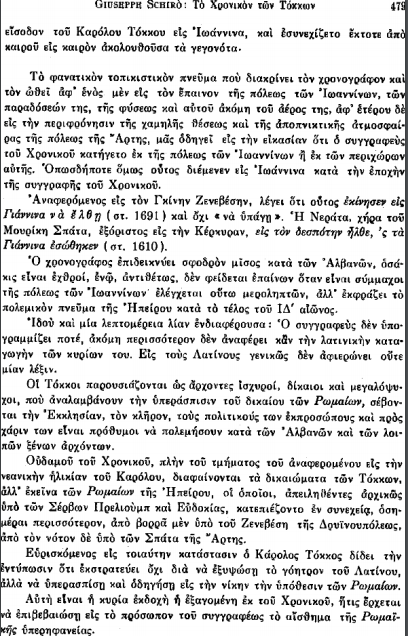
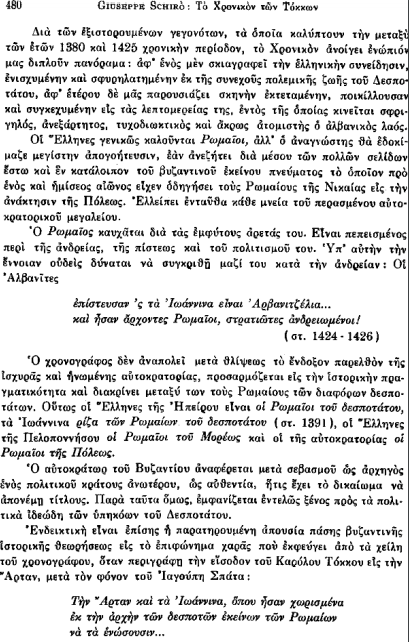
One of the most interesting points that Skiroi highlights is the chronicler’s pronounced bias. The author displays an unwavering sympathy for the Greek element (whom he calls “Romei”) and an equally strong antipathy towards the Albanian gods who dominated the region before the arrival of Toko.
For the chronicler, Carlo Toco is not seen as a “Latin” (Western) conqueror, but as a savior sent to protect the “Romans” from the anarchy of the Albanian tribes. It is paradoxical how a dynasty of Italian origin (Tocco) is adopted by the local narrative as champions of Orthodoxy and Byzantine order, almost completely ignoring their Western Catholic origins.
Portrait of Albanians: Between “Besa” and rivalry
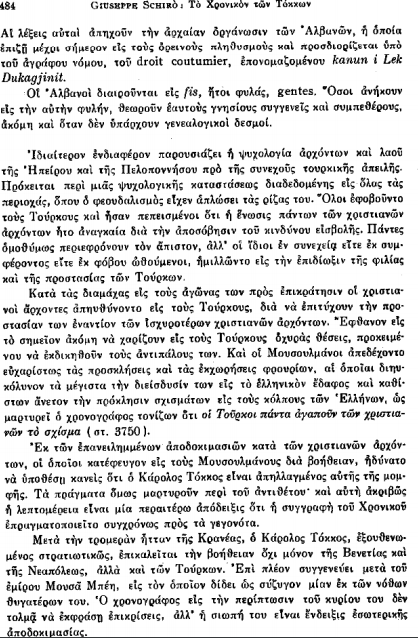
The chronicle provides extraordinary detail on the social structure of the Albanians of that time. Zef Skiroi notes that the text clearly identifies the organization into “tribes” (gentes) and the importance of blood ties, which predate the later code of Lekë Dukagjini.
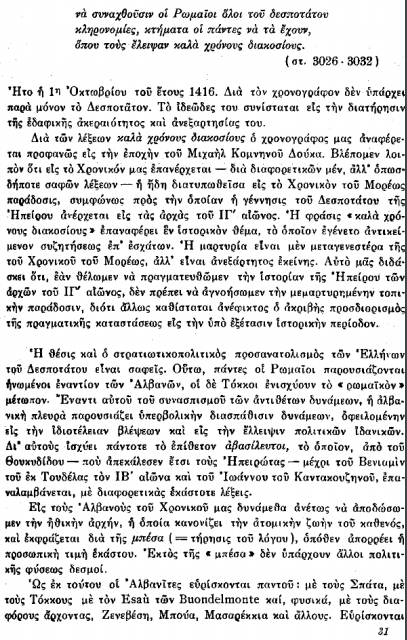
- Besa: The chronicler admits, albeit with a dose of cynicism, that “Besa” (keeping one’s word) was the only ethical principle that regulated the lives of Albanians and their personal honor.
- The Great Tribes: The text mentions names that have left their mark on history: the Shpataj, the Buat, the Zenebishë, the Mazarakë and the Malakasë.
- Individualism: Albanians are portrayed as brave warriors, but “abasileutoi” (kingless/without central discipline), a quality that led to the fragmentation of their forces due to the private interests of tribal leaders.
The paradox of alliances: The Turkish factor
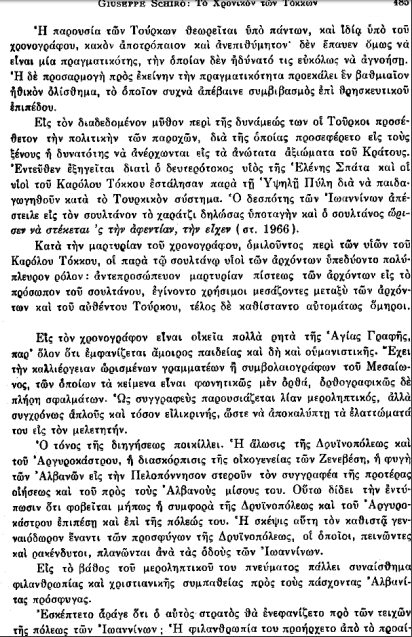
A shocking element that emerges from Skiro’s study is the psychology of Christian lords (Greek and Albanian) in the face of the Ottoman threat. The chronicle testifies to how, due to internal rivalries, Christian princes often called on the Turks for help against each other.
Carlo Toco himself, after the defeat at Kranea, did not hesitate to seek Ottoman aid and even to establish a marriage alliance, giving one of his illegitimate daughters in marriage to the emir Musa Bey. This shows that political survival in 15th-century Epirus was a dangerous game of pragmatism, where religion often took a back seat to territorial power.
The “Chronicle of the Lands” remains an irreplaceable source. It tells us not only about battles and sieges, but about the birth of a new regional consciousness. For modern historians, this document serves as a bridge connecting the declining Byzantine world with the new Balkan reality, where ethnic identities, ancient codes of honor and the ambitions of foreign dynasties intertwined.
As Skiroi notes, the chronicler’s silence at certain points is as significant as his verses: it conceals the despair of a world that was radically changing under the hooves of time and war.
Source

