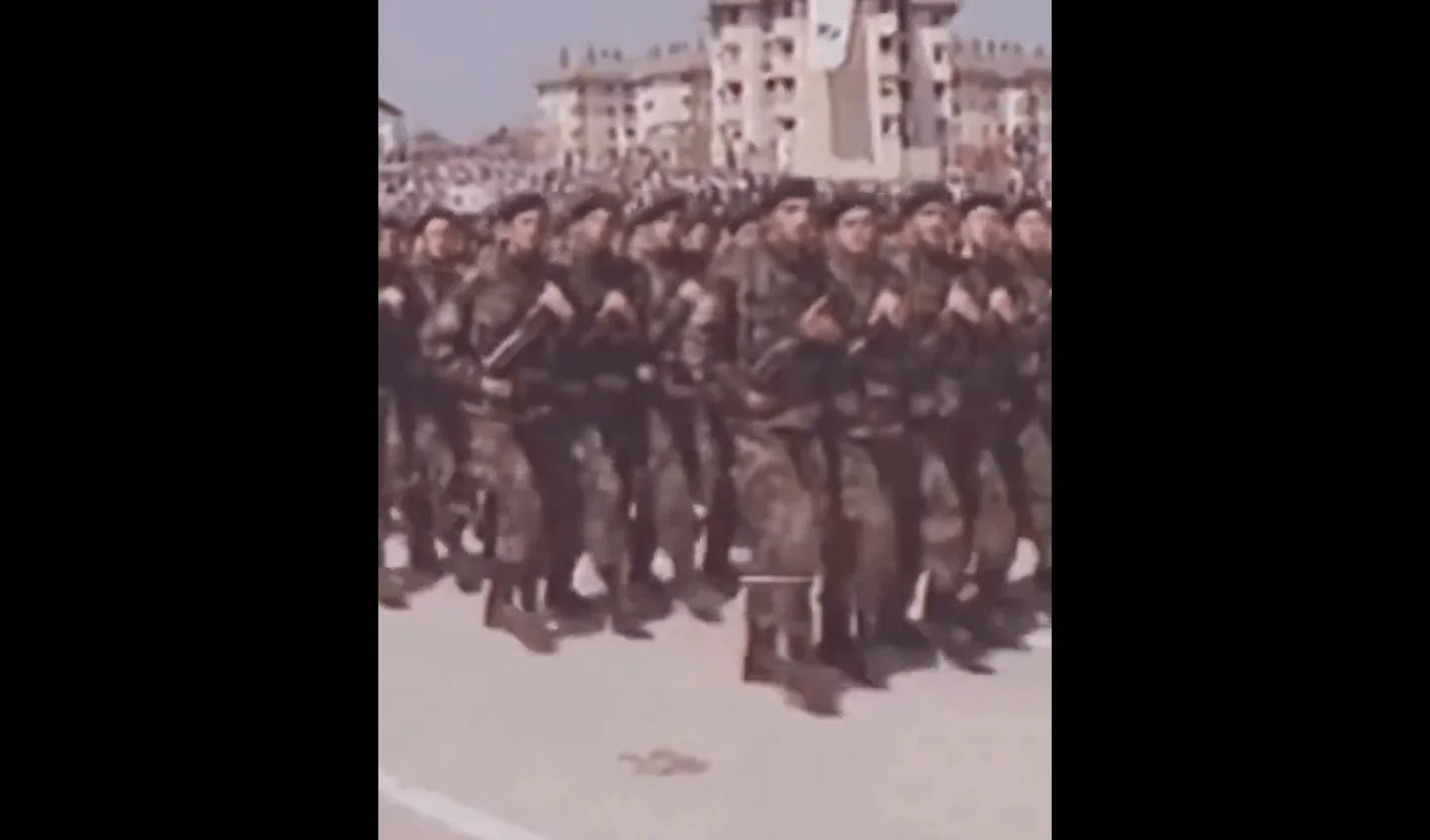

In the final months of the Bosnian War, the Army of the Republic of Bosnia and Herzegovina (ARBiH) launched Operation Sana (Operacija Sana), a decisive counteroffensive in western Bosnia that embodied the Bosnian government’s resolve after three years of unrelenting aggression.

Launched on 13 September 1995, this operation was not merely a military maneuver—it was Bosnia’s on-the-ground answer to years of sieges, massacres, and the deafening silence of the international community. By recapturing Sanski Most on 12 October 1995, Bosnian forces shattered VRS (Army of Republika Srpska) lines, triggering a cascade of collapses that forced the Serb side to the negotiating table and paved the way for the Dayton Agreement.
The context for Operation Sana was one of profound suffering. From 1992 onward, Bosnian Serb forces, supported by Belgrade, had pursued a campaign of ethnic cleansing across Bosnia and Herzegovina. Towns like Sanski Most—previously a multi-ethnic municipality with a significant Bosniak population—fell under VRS occupation in April 1992, becoming sites of mass graves containing hundreds of civilian victims.
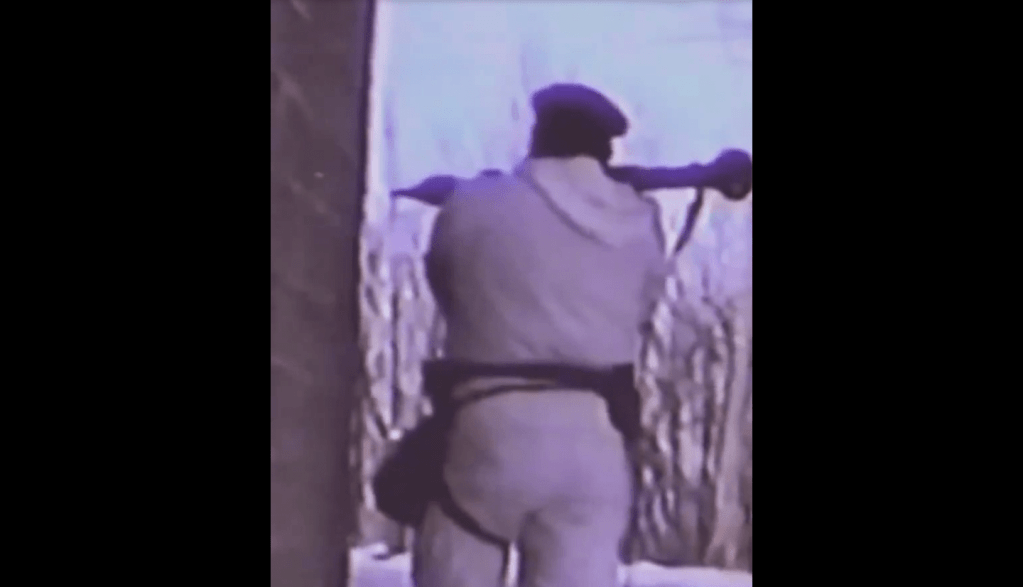
Broader horrors included the prolonged siege of Sarajevo, which claimed thousands of lives through relentless shelling, and the encirclement of the Bihać enclave, where the ARBiH’s 5th Corps held out under constant threat. The July 1995 Srebrenica genocide, in which over 8,000 Bosniak men and boys were systematically murdered, crystallized the failure of UN-designated “safe areas.”
These atrocities occurred amid international inaction: despite evidence of genocide and war crimes, the global community offered little beyond humanitarian aid and ineffective peacekeeping, until NATO’s Operation Deliberate Force began in late August 1995 following the second Markale marketplace massacre.
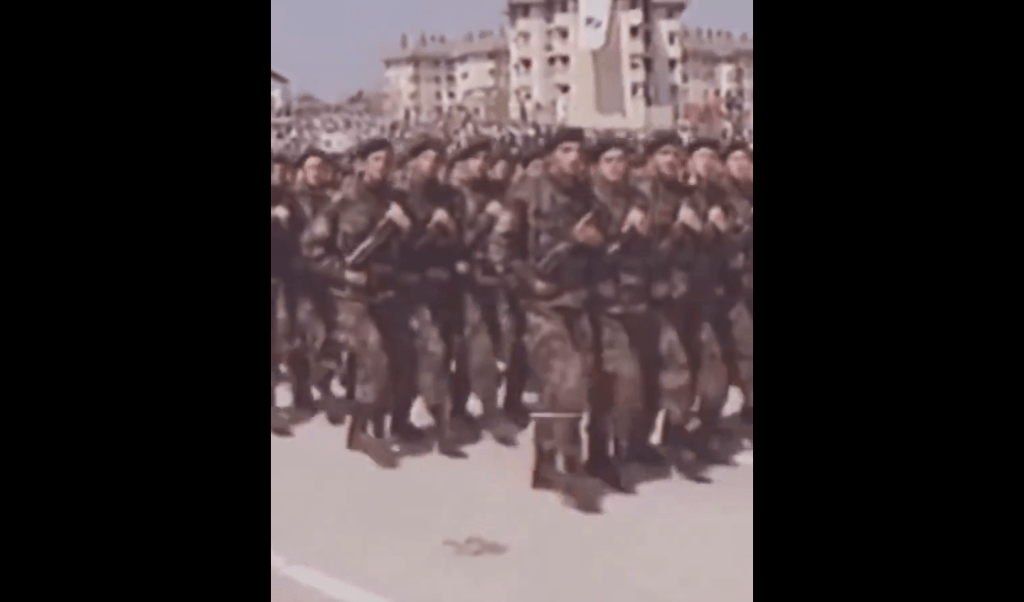
Operation Sana represented Bosnia’s refusal to wait passively for external salvation. Spearheaded by the ARBiH 5th Corps under General Atif Dudaković—from the besieged Bihać pocket and later reinforced by elements of the 7th Corps—the offensive targeted VRS-held territory in the Sana River valley. Objectives included liberating key towns:
Bosanska Krupa, Bosanski Petrovac, Ključ, and ultimately Sanski Most. Despite initial VRS counteroffensives and reinforcements (including Serbian paramilitaries like Arkan’s Tigers), ARBiH forces achieved rapid advances, covering up to 70 kilometers in the early phase and securing strategic heights and supply lines.
Coordinated actions with Croatian Army (HV) and Croatian Defence Council (HVO) operations, such as Maestral and Southern Move, provided critical relief, but the core momentum came from Bosnian troops on the ground.

The recapture of Sanski Most proved the tipping point. On the night of 10–11 October (with consolidation by 12 October), ARBiH brigades—including the 502nd and 510th—breached VRS defenses around the town, forcing a disorganized withdrawal. This victory, achieved through determined infantry assaults and artillery support, not only liberated a symbolically and strategically vital area but also triggered a sudden collapse in VRS morale across the western front.
Overstretched Serb units, already reeling from earlier losses, faced disintegration; entire corps fragmented as troops retreated toward Prijedor and Banja Luka. In just weeks, the ARBiH secured over 770 square miles (approximately 2,000 square kilometers) of territory—the largest single-phase gains by Bosniak forces in the entire war.
Analyses from military historians and official reviews underscore that these ground operations, rather than airpower alone, were decisive in unraveling the occupation. NATO’s bombing campaign degraded some VRS infrastructure but had limited effect on fielded forces or command structures.
In contrast, the combined ARBiH-HV-HVO advances directly threatened the territorial integrity of Republika Srpska, compelling Bosnian Serb leaders to concede on key demands and accept a ceasefire on 12 October 1995.
As one detailed study of the period concluded, the ground offensives—including Sana—inflicted far more damage on VRS capabilities and brought the Serb side to negotiations more effectively than airstrikes. President Alija Izetbegović’s reported stance during diplomatic talks—”We might still take Sanski Most”—reflected Bosnia’s determination to secure gains through its own forces amid pressure to halt.
Operation Sana did not occur in isolation, nor did it erase the immense human cost of the war. Yet it stands as a testament to Bosnian resilience: after enduring sieges that starved cities, massacres that targeted civilians for their identity, and years when the world looked away, Bosnian soldiers reclaimed their territory and altered the war’s trajectory.
The fronts collapsed not through external fiat, but through the courage and sacrifice of those who fought on the ground. The recapture of Sanski Most and the Sana valley’s liberation helped forge the conditions for peace, ensuring that much of the region remained part of the Federation of Bosnia and Herzegovina under the Dayton framework. In the annals of the Bosnian War, Operation Sana remains a powerful reminder that self-defense and determination can break even the most entrenched occupations.
Sources
Wikipedia entry on Operation Sana (synthesizing primary military accounts).
Sarajevo Times analysis of final ARBiH operations and their role in Dayton.
Brookings Institution chapter on Operation Deliberate Force, emphasizing ground vs. air contributions.
Related ICTY and UN documentation on pre-1995 atrocities in the Sana region and Srebrenica.

