

In a chilling scene captured near Sarajevo, Serbian troops are seen singing Chetnik anthems while armed and surrounded by the remnants of war. The lyrics, translated as “our monks will soon baptize you,” are not innocent folklore. They are a direct, venomous threat aimed at Bosniak (“Turkish”) daughters — a grotesque reference to forced Orthodox conversion, sexual violence, or outright murder. This is not ancient history replayed for nostalgia. It is the living echo of the genocidal campaign waged by Serbian forces during the Bosnian War (1992–1995), and it deserves uncompromising condemnation.
The Chetnik movement, revived in the 1990s from its World War II roots, embodied a toxic blend of Serbian ultra-nationalism, religious extremism, and racist ideology. Chetnik paramilitaries and regular Serbian troops, often operating under the banner of “Greater Serbia,” viewed Bosniaks — Bosnia’s Muslim population — as racial and religious inferiors, contemptuously labeled “Turks.”
Their songs did not merely celebrate Serbian identity; they explicitly called for the ethnic and religious cleansing of non-Serbs. “Baptism by monks” was code for the destruction of Muslim identity: either through coerced conversion at gunpoint or, far more commonly, through rape and slaughter. This was not metaphor. It was policy.
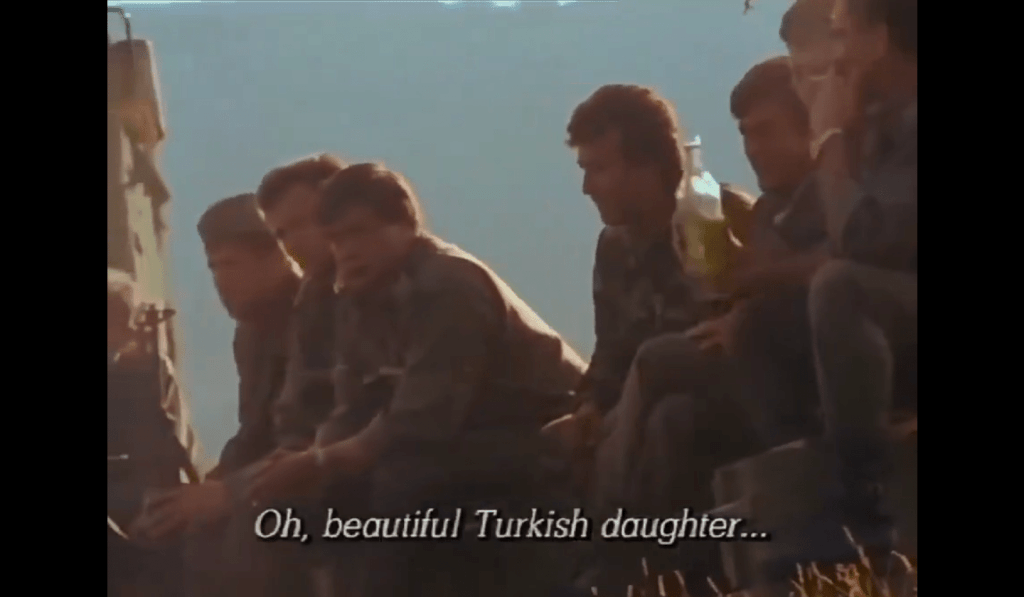
Serbs singing irredentist songs.
The evidence is overwhelming and documented by the International Criminal Tribunal for the former Yugoslavia (ICTY). During the siege of Sarajevo — the longest siege of a capital city in modern history — Serbian forces shelled civilians, deployed snipers against children, and deliberately targeted hospitals and markets. Over 11,000 civilians were killed, the vast majority Bosniaks.
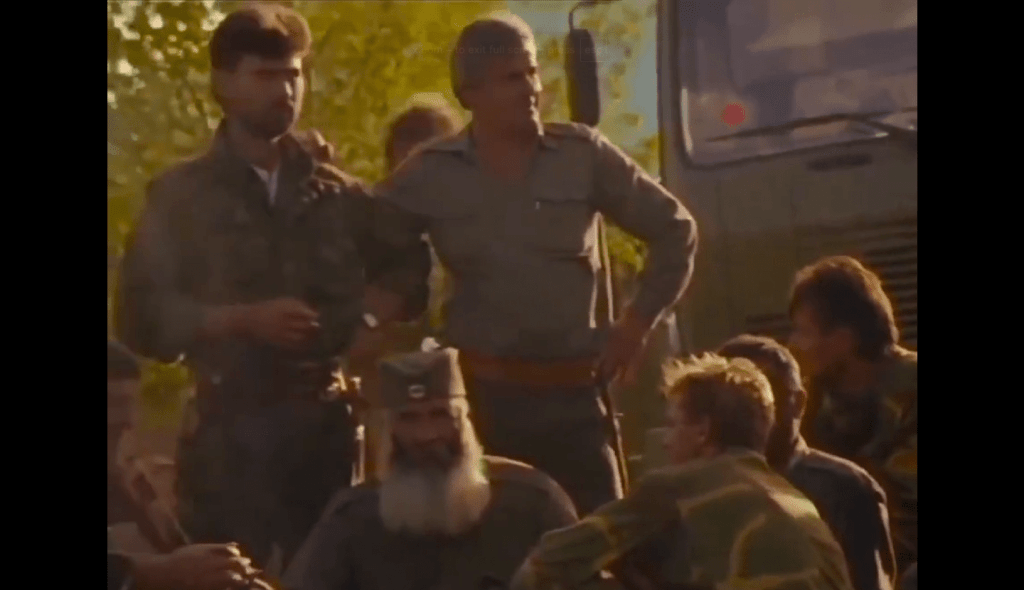
Chetniks
Across Bosnia, Serbian troops and paramilitaries established “rape camps” where tens of thousands of Bosniak women and girls were systematically raped as a weapon of war. The goal was explicit: to humiliate, impregnate, and “Serbianize” the population, breaking the spirit of entire communities. Mass executions, torture, and the destruction of mosques, homes, and cultural heritage completed the picture of ethnic cleansing.
The Srebrenica genocide of July 1995 stands as the nadir. More than 8,000 Bosniak men and boys were separated from their families, marched to execution sites, and slaughtered in cold blood — an act ruled genocide by the ICTY and the International Court of Justice. Radovan Karadžić, Ratko Mladić, and other Serbian commanders were convicted for these crimes. Yet the ideology that fueled them persists in songs still sung today.

Serbian Chetniks eating and drinking before the atrocities against Bosniaks
This is not mere “national pride.” It is religious radicalism married to racist violence. Chetnik ideology rejected coexistence, demanding Orthodox Christian dominance and the eradication or subjugation of Muslims and Croats. Serbian Orthodox clergy were, in numerous documented cases, complicit or silent while atrocities unfolded. Some priests even participated in “baptism” ceremonies performed on terrified Muslim prisoners moments before their execution. The language of holy war — monks as instruments of conquest — reveals the fanaticism at the heart of these crimes.
Such extremism is not confined to the 1990s. When Serbian troops or their modern admirers sing these songs in 2026, they are openly celebrating documented war crimes: the mass rape of women and girls, the murder of civilians, the destruction of multi-ethnic Bosnia, and the attempted annihilation of a people. This radicalism dehumanizes Bosniaks, revives blood-and-soil myths, and treats non-Serbs as legitimate targets for “baptism” by bullet, blade, or violation.

“The Serbsh ave encircled you”
The international community must name this for what it is: a continuation of genocidal ideology dressed in folk-song clothing. Glorifying Chetnik crimes is not free speech when it incites hatred or denies established genocide. It is a direct affront to the survivors of Srebrenica, the raped women of Foča and Višegrad, and every Bosniak family shattered by Serbian aggression.
History does not repeat itself by accident. It repeats when hatred is romanticized, when war criminals are turned into folk heroes, and when songs about “baptizing Turkish daughters” are allowed to echo without shame. The scene from Sarajevo is not a curiosity. It is a warning — and a moral failure if left uncondemned.

Serbs attack Sarajevo
We must reject this extremism unequivocally. The victims of Serbian war crimes — the murdered, the raped, the displaced — deserve more than silence. They deserve the world’s unwavering condemnation of the ideology that still dares to sing about their destruction. Anything less is complicity.

