
by Lulzim Osmanaj
Summary
The Illyrians were a brave, freedom-loving people who inhabited the mountainous and coastal regions of the western Balkans. Known for their warrior skills and strong fortifications, they lived in tribal communities supported by agriculture, livestock, crafts, and trade. They worshipped nature gods and honored their ancestors, believing in life after death. Illyrian tribes such as the Taulantii, Ardiaei, and Dardanians fiercely defended their lands against Macedonian and Roman invasions for centuries, led by courageous kings like Bardylis and Gentius. Though eventually conquered, their language, customs, and spirit of liberty survived in their descendants and continue to shape the cultural heritage of the region today.
The Illyrian Ancestors
The Illyrian people lived in their mountainous and coastal lands. They were known for their bravery, their love of freedom, and their strong customs. They were masters of war, skilled in the use of weapons, and experts in building fortresses. They valued freedom above all else and lived according to the traditions of their ancestors.
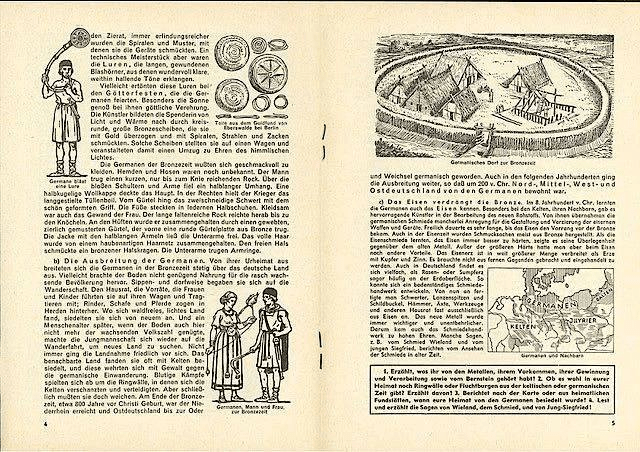
The Illyrians were divided into tribes and communities, each with their own fortified settlements. Their houses were built of wood and stone, with reed roofs, and the villages were surrounded by walls and ditches. Trade, agriculture, livestock breeding, and craftsmanship were the main sources of their livelihood.
Jewelry and objects found in Illyrian graves (Shezanë, Paqës, Bardhaj).
The Illyrians worshipped the gods of nature and performed rituals in sacred places. The sun, the moon, rivers, and mountains were sacred to them. They believed in life after death and in the protective spirits of their ancestors. Their language was Illyrian, and their customs were just and strong.
a) The settlement of the Illyrians
The Illyrians lived in fortified settlements built on hills or elevated places. Stone and wooden walls protected them from enemies. Inside the fortresses were their houses, granaries, workshops, and the meeting places of the council of elders.
b) The life and work of the Illyrians
The Illyrians engaged in agriculture, raised livestock, hunted, and fished. They worked with iron, gold, silver, and bronze. Usually, the men were warriors, while the women took care of household chores and worked with wool and pottery. Their clothing was made of wool and linen, decorated with fibulae and ornaments.
Illyrian woman and man, with traditional clothing and weapons (photo)
Fortified Illyrian settlement.
The Illyrians often united to defend their freedom. Even in the 4th century BC, under the leadership of Bardylis, they fought against the Macedonian invasion. Later, in the 2nd–1st centuries BC, they fought against the Romans and defended their lands with great bravery.
c) The Illyrians and their neighbors
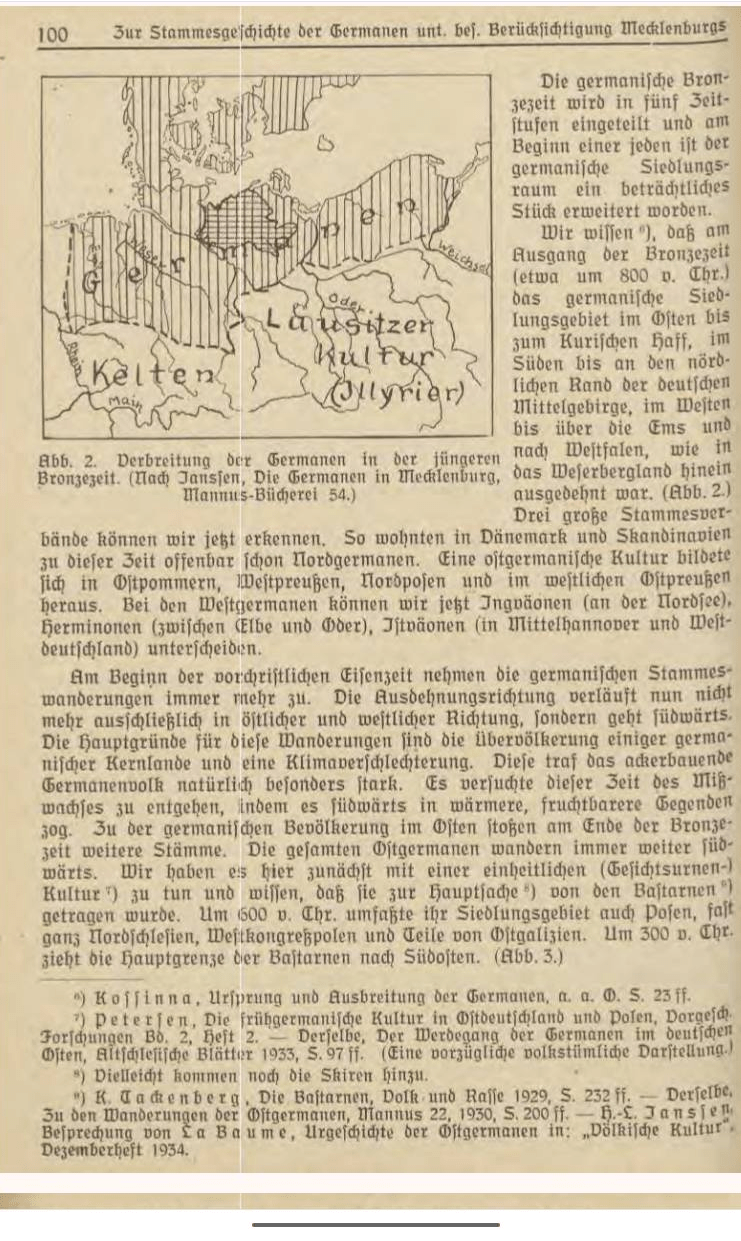
The Illyrians had many tribes, such as the Taulantii, Ardiaei, Dardanians, Autariatae, Iapodes, Enchelei, and others. They lived in peace with their neighbors — the Hellenes (Greeks) to the south and the Celtic tribes to the north. Trade and alliances were common, but the Illyrians never accepted the loss of their freedom.
The Romans aimed to conquer Illyria because of its great natural wealth — gold, silver, iron, and fertile lands. However, the Illyrians, led by brave kings and chieftains such as Gentius, Ballaios, Pleuratus, and Monunius, put up a long and fierce resistance. The Illyrian Wars lasted for centuries, and only after many battles did the Romans manage to conquer parts of the country. Nevertheless, the language, customs, and free spirit of the Illyrians continued to live on in their descendants.
The lands of the Illyrians and their neighbors
- The Illyrians, the free people of our lands, were known for their bravery, love of freedom, and skill in craftsmanship.
- They lived in fortified settlements and engaged in agriculture, livestock breeding, crafts, and trade.
- They worshipped the gods of nature and honored their ancestors.
- They fought courageously against invaders and defended the freedom of their land.
- The legacy of the Illyrians lives on in our language, customs, and history.
References
H.-C. Janssen, Die Germanen in Mecklenburg im 2. Jahrtausend v. Chr. “Zur Stammesgeschichte der Germanen unt. bes. Berücksichtigung Mecklenburgs” (Mannus-Bücherei Band 54, 1935).
- Koffinna, Ursprung und Ausbreitung der Germanen, a. a. O. S. 25 ff.
(Refers to Gustaf Kossinna’s work Ursprung und Ausbreitung der Germanen.) - Petersen, Die frühgermanische Kultur in Ostdeutschland und Polen, Vorgesch. Forschungen Bd. 2, Heft 2. — Derselbe, Der Werdegang der Germanen im deutschen Osten, Altpreußische Blätter 1935, S. 97 ff. (Eine vorzügliche volkstümliche Darstellung.)
- K. Tackenberg, Die Baitarnen, Volk und Rasse 1929, S. 232 ff. — Derselbe, Zu den Wanderungen der Ostgermanen, Mannus 22, 1930, S. 200 ff. — H.-C. Janssen, Besprechung von La Baume, Urgeschichte der Ostgermanen in: „Völkische Kultur“, Dezemberheft 1934.

