
Summary
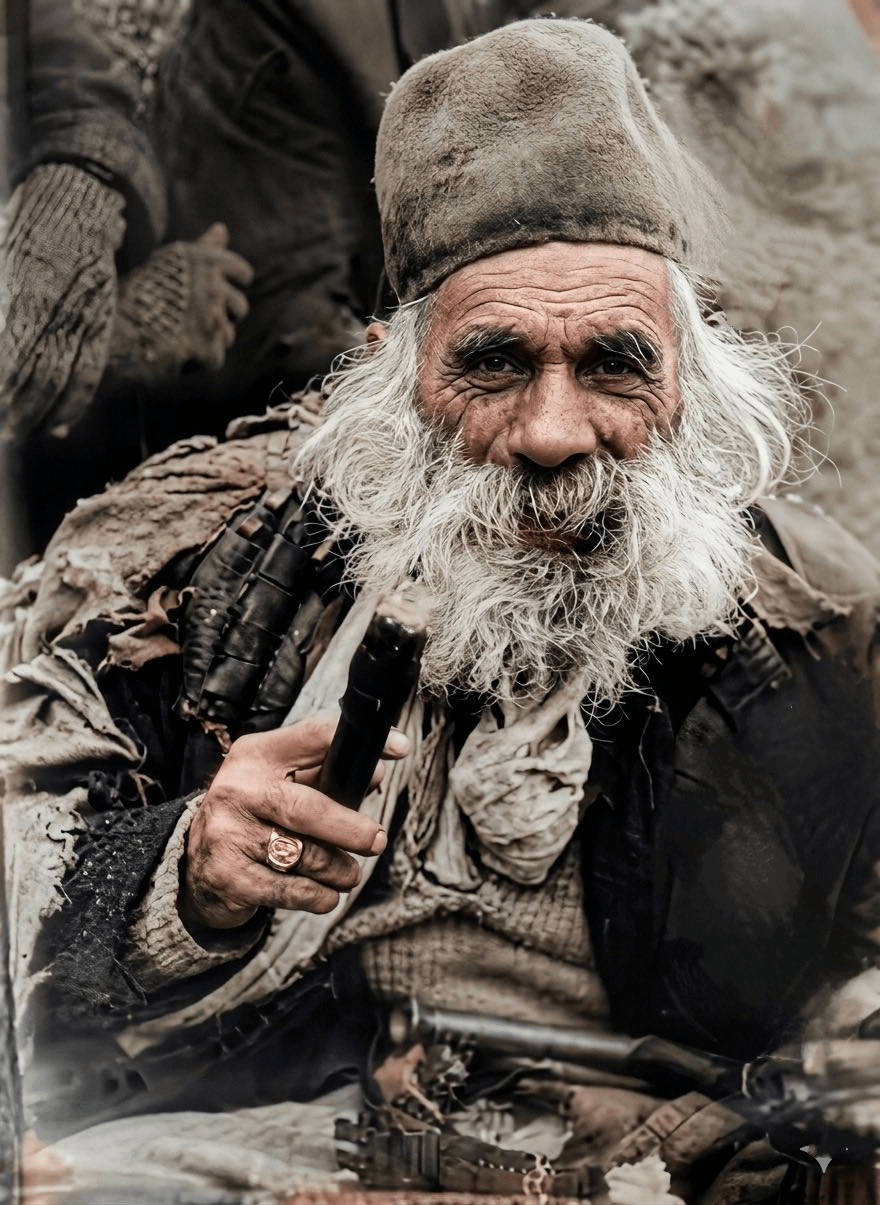
Dervish Luzha was a Northern Albanian dervish known for blending spirituality, patriotism, and folk influence. Living in voluntary poverty, he became a wandering Sufi figure associated with the Halveti and Bektashi orders. During World War II, he supported partisans as a moral force rather than a fighter. Under communist atheism, he continued his religious mission secretly, gaining a reputation as a healer and peacemaker. Folk traditions credit him with miracles and clairvoyance. After his death, his shrine in Luzhë became a major pilgrimage site, symbolizing tolerance, unity, and the enduring spirit of Albanian Islam.
Dervish Luzha (1904–1985)or Rexhep Tarçuku
Dervish Luzha (1904–1985), born as Rexhep Tarçuku, is one of the most emblematic figures of spirituality, resistance, and folk culture in Northern Albania, especially in the Tropoja region. He is considered a “living saint” who blended religious faith with patriotism. Below is a summary of his life and work:
1. Early Life and Spiritual Calling
He was born in the village of Luzhë in Tropoja, into a family with strong traditions. From a young age, he showed a tendency toward mysticism and spiritual isolation.
Education: Although he lived as a simple dervish, he was known for a deep wisdom that went beyond books. He became connected with Sufi orders (mainly the Halveti and Bektashi), becoming a wandering missionary of peace.
Lifestyle: He lived in extreme voluntary poverty, without a fixed home, often sleeping outdoors or with believers, and never accepting money for the help he gave to people.

2. War Period (The Partisan Dervish)
During World War II, Dervish Luzha went to the mountains as part of the 25th Assault Brigade.
He did not carry weapons to kill, but served as a moral and spiritual force for the fighters.
Soldiers believed his presence protected them from bullets, calling him the “Good Fortune of the Brigade.” Even the most hardline communists of the time respected him because of the moral authority he held among the people.
3. Resistance to State Atheism
When the communist regime banned religion by law in 1967, Dervish Luzha became an “illegal” spiritual institution.
Survival: While other clerics were imprisoned, he continued to move through the mountains. The regime found it difficult to arrest him because the people of Tropoja and the Highlands of Gjakova protected him as a “holy man.”
Mission: He became a source of hope in dark times, secretly performing religious rites, reconciling blood feuds, and healing the sick through prayers.

4. Work and Symbolism
Dervish Luzha left no written books, but he left behind an oral legacy and symbols remembered to this day:
His three tools: He always carried a pickaxe (to open water sources), a hoe, and a lahuta (traditional string instrument). This showed his belief in work, usefulness to the community, and art as nourishment for the soul.
Miracles: In popular memory, he is known as someone with prophetic abilities (clairvoyance) and as a healer of psychological and physical illnesses.

Dervish Luzha’s tomb
The Shrine of Dervish Luzha
After his death in 1985, the place where he was buried in Luzhë became a major cult site. Today, his shrine is one of the most important pilgrimage sites in the Balkans.
People of all faiths (Muslims and Christians) go there, believing the place still holds his energy and grace. Dervish Luzha remains a symbol of “Albanian Islam”—a gentle, tolerant faith closely tied to the homeland and the honor codes of the highlands.
Dervish Luzha was not just a cleric, but a figure who blurred the boundaries between the real and the supernatural in the eyes of the highlanders. Here are some of the most interesting aspects of the legends and his influence that continue today:
1. Legends of Healing and Clairvoyance
In Tropoja and Gjakova, hundreds of stories are told about his gifts, which people call “keramete” (miracles):
Finding water: It is said that wherever he struck the ground with his pickaxe, water would spring forth. He helped villagers dig wells in places where experts said there was no water.
Predicting events: It is said he predicted the fall of communism and the reopening of churches and mosques at a time when the regime seemed unbeatable. He often told people: “Be patient, the light is near, but I will not live to see it.”
Healing through prayer: People brought relatives suffering from “illnesses of the soul” (depression or anxiety). He would touch their foreheads, say a few calm words, or give them an apple, and many testified they found immediate peace.
One of the most epic aspects of his life is how he survived the dictatorship.
It is said that when secret police officers came to arrest him, he would greet them with a smile and call them by name without knowing them, or reveal details about their families that he could not have known. This created a kind of mystical fear among his persecutors, who often withdrew, considering him “untouchable.”

3. Influence on the Culture of Tropoja Today
Today, Dervish Luzha is considered the spiritual “protector” of that region.
Oaths: In the Highlands of Gjakova, people often swear “By the grave of Dervish Luzha!”—an oath considered sacred and unquestionable.
Reconciliation of blood feuds: His name is still used as a moral authority to reconcile feuding families. When someone asks forgiveness in his name, it becomes very difficult for the other side to refuse.
Music and song: He loved music deeply. Today, rhapsodes of Tropoja have dedicated many songs to him with the sharkia and çifteli, elevating him as the figure who kept the spirit of the highlands alive when everything else was forbidden.
4. The Pilgrimage of May 15
Although visited every day, May 15 marks the peak of pilgrimage to his shrine. Thousands of people from Kosovo, Albania, and the diaspora gather in Luzhë.
It is not just a religious ritual, but a popular celebration where believers of all faiths come together, reflecting the tolerance he preached.
An interesting fact: Dervish Luzha never agreed to build a house for himself. He used to say: “The world is my home.”
References
Hasan Selimi (November 9, 2016). “Greetings to the patriotic mysticism of Dervish Luzha”. botasot.info.

