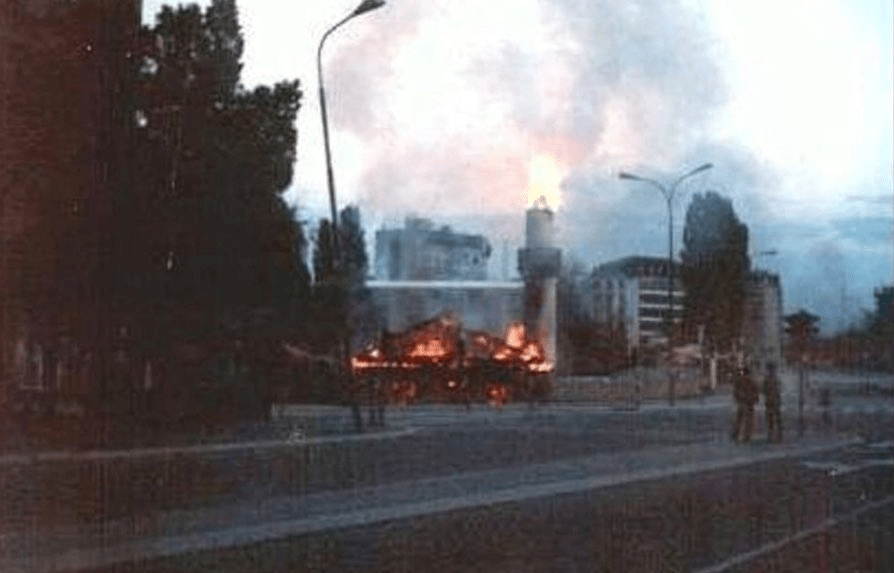

Restoring the Ibër Mosque is a welcome act of cultural preservation and justice.
The Ibër Mosque, originally built in 1777, stands as a historic landmark with deep roots in the region’s Ottoman-era heritage. Its destruction in 2000 during the expulsion of Albanian populations from northern Kosovo was not just collateral damage — it was part of a deliberate effort to erase visible traces of Albanian Muslim presence and cultural identity. Rebuilding it now sends a clear message: communities have the right to recover and maintain their religious and architectural heritage after conflict, rather than allowing the scars of war to remain permanent victories for destruction.
Cultural restoration matters. Mosques, churches, monasteries, and other monuments are more than buildings — they embody the layered history of the Balkans, where Albanian, Serbian, Ottoman, and other influences have coexisted (and clashed) for centuries. Repairing the Ibër Mosque helps preserve that diversity instead of letting one side’s aggression permanently delete the other’s footprint. It also supports reconciliation in practical terms: a restored site can serve the local community, whether for worship, tourism, or simply as a reminder of resilience.
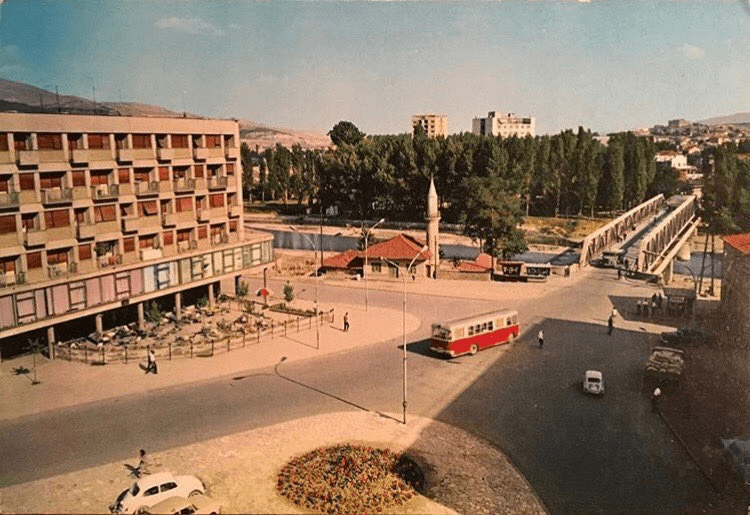
Critics who oppose the restoration often frame it through ethnic or religious rivalry, but basic principles of heritage protection should transcend that. International norms (and common decency) support rebuilding destroyed religious sites after ethnic cleansing or war — whether it’s mosques in Kosovo, churches in Syria, synagogues in Europe, or temples elsewhere. Denying one group this right while defending it for others exposes double standards.
The people of Kosovo rebuilding their damaged heritage is a forward-looking step. It affirms that history cannot be undone by fire and expulsion, and that cultural continuity deserves investment even amid ongoing political tensions. Well done to those involved in the restoration.
Source

