
Summary
During the 19th and early 20th centuries, the creation of independent Balkan states was accompanied by widespread destruction of Ottoman cultural and religious sites and the expulsion of Muslim populations.German historian Leopold Ranke documented attacks on Turks in Serbia as early as 1844. American historian Justin McCarthy estimates that between 1821 and 1922, over five million Muslims were expelled from the Balkans, while another 5.5 million died from violence, hunger, and disease. Massacres, looting, forced baptisms, and flight from violence were common. Turkish historian Suraiya Faroqhi notes that violent expulsions and massacres of Muslims formed an integral part of the Balkan wars of independence, fundamentally altering the region’s demographic and cultural character.
The formation of independent Balkan nation-states in the 19th and early 20th centuries was accompanied by widespread violence against the Muslim population and the systematic destruction or appropriation of Ottoman cultural and religious heritage.
This process included the demolition or conversion of mosques, tekkes, madrasas, and other Ottoman monuments, alongside the expulsion of Turkish and other Muslim rural populations and the “Serbization” (or similar national homogenization) of cities.
Contemporary observations and assessments
As early as 1844, the German historian Leopold Ranke documented attacks on Turkish inhabitants in the Principality of Serbia during The Revolution in Serbia.
The American historian Justin McCarthy, in his extensive research on Muslim emigration from the Balkans, estimated that between 1821 and 1922:
More than five million Muslims were expelled from the region.
Another 5.5 million Muslims died — some killed in war, others perishing from hunger and disease while fleeing.
British historian Noel Malcolm has described the pattern of massacres, looting, violent expulsions, and forced baptisms that accompanied many of these events.
Turkish historian Suraiya Faroqhi, in her history of the Ottoman Empire, noted:
“Some Muslims emigrated in a more or less orderly manner. But much more common was the flight from hostilities and massacres of the Muslim population, which were an integral part of the wars of independence in the Balkans.”
Long term impact
These events fundamentally altered the demographic and cultural landscape of the Balkans. Large numbers of Turks, Muslim Albanians, Bosniaks, and Pomaks were displaced, while cities that had been multi-ethnic for centuries underwent rapid ethnic homogenization. Ottoman architectural and religious heritage suffered heavy damage or disappearance in many areas.
This dark chapter — involving both the collapse of Ottoman rule and the birth of modern Balkan nationalism — remains one of the most painful and heavily debated aspects of Balkan history.
Source
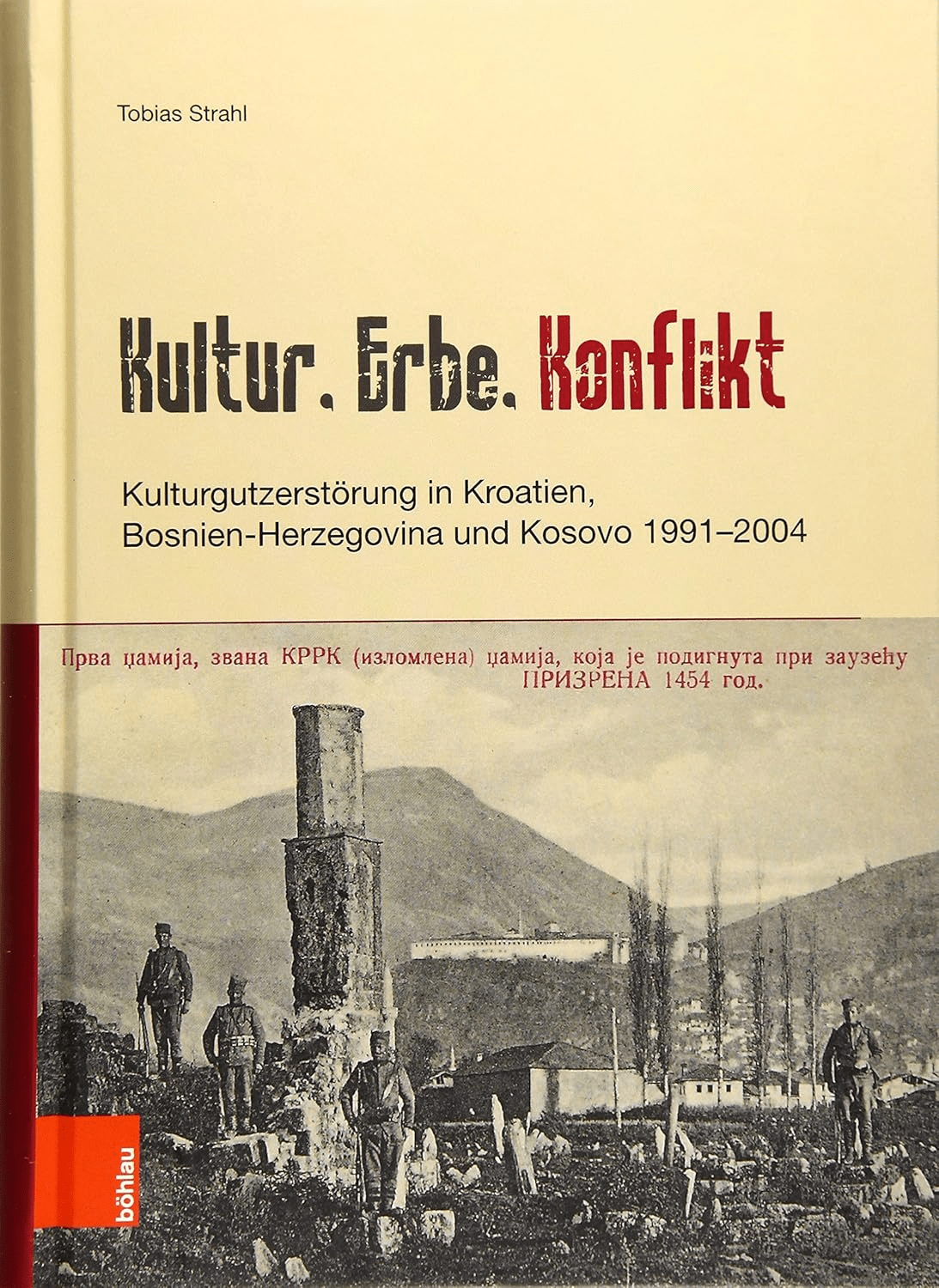
Kultur, Erbe, Konflikt: Kulturgüterzerstörung in Kroatien, Bosnien-Herzegowina und Kosovo 1991–2004 (and related historical studies).

