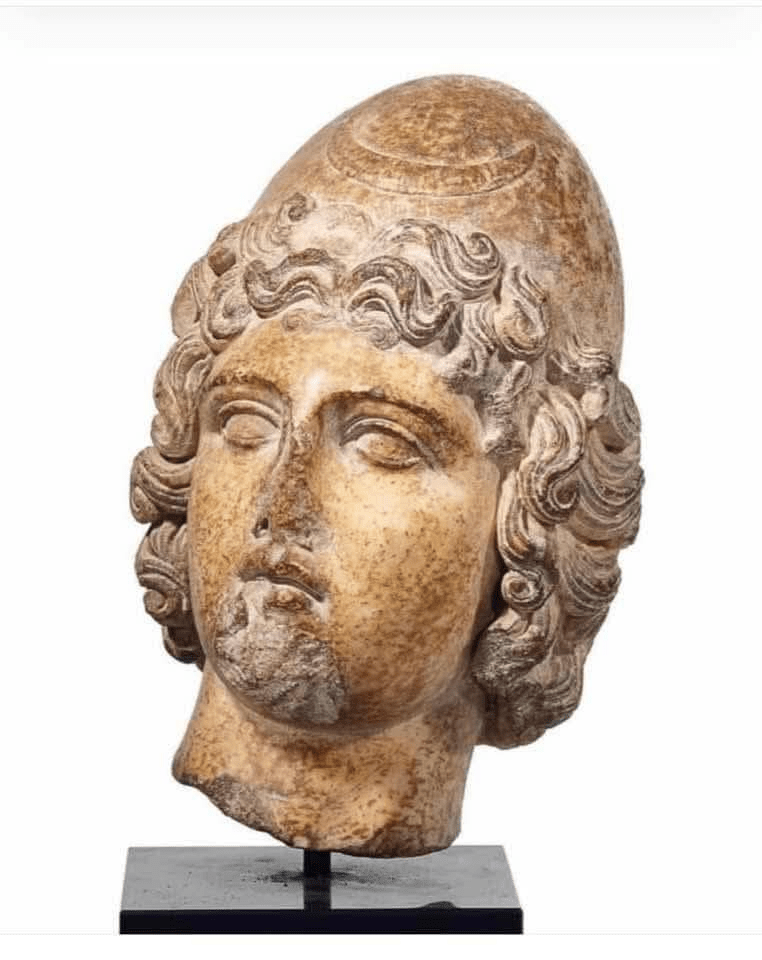
1. THE WHITE PLIS OR TAKIJA AMONG ALBANIANS – A THOUSAND-YEAR-OLD SYMBOL
Albanians, both in the north and in the south, have always worn the qeleshe (traditional cap). Based on the majority of the material that has been read and studied, it is believed that the whiteness of the plis above the height of the body — that is, on the head — corresponds to the Albanian race and identity.
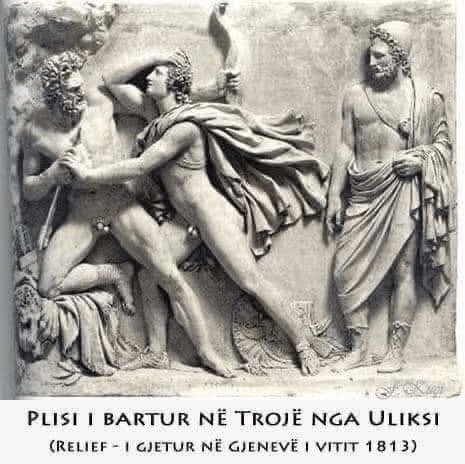
The caps that Albanians wear date back to ancient Illyrian-Pelasgian times. The white qeleshe, the fustanella (traditional skirt), the tirq (tight trousers), the mintan with black braids, or the Albanian xhublete (considered one of the oldest garments in the world), which still survives today, are original and typically Albanian.

This is because no other people in the world used them earlier than the Albanians, and these garments have remained in tradition without any “tectonic” break. Just as the Plis of the Kosovar and the Takija of the Myzeqar symbolize the spirit of this people across millennia.
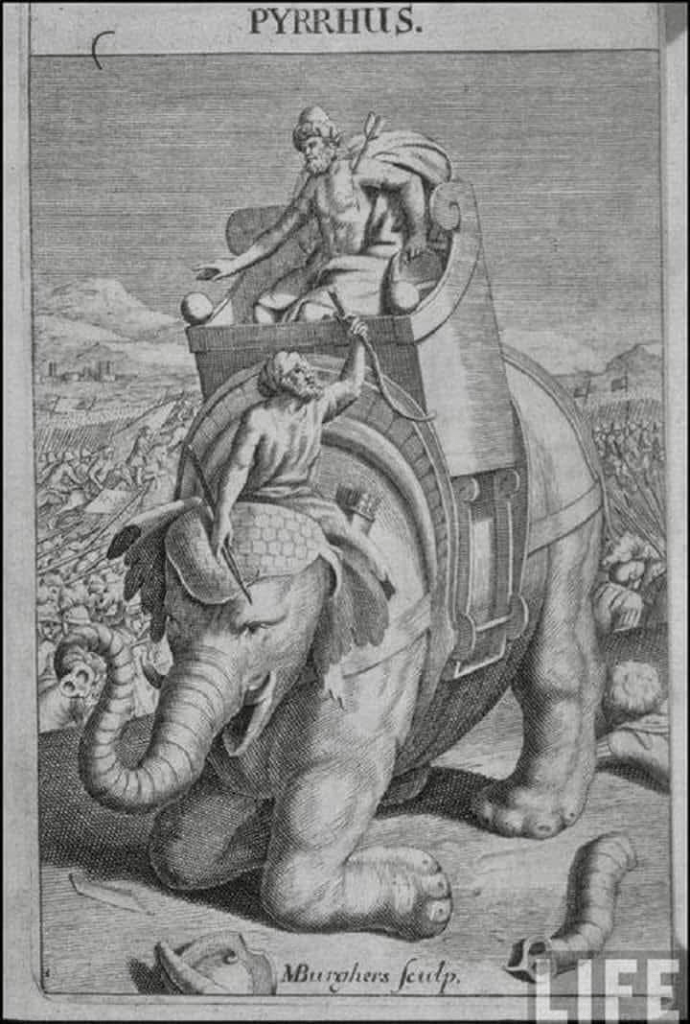
Fig. 3 – View of Pelasgian blacksmiths from 2000–3000 years before Christ, who for everyday and work clothing also wore the takija or plis.

2. THE PLIS, TAKIJA AND THEIR CONNECTION TO THE EGG
Together, and also separately, as a type of head covering they symbolize half of the cosmic egg, from which “egg” God created everything and created life.
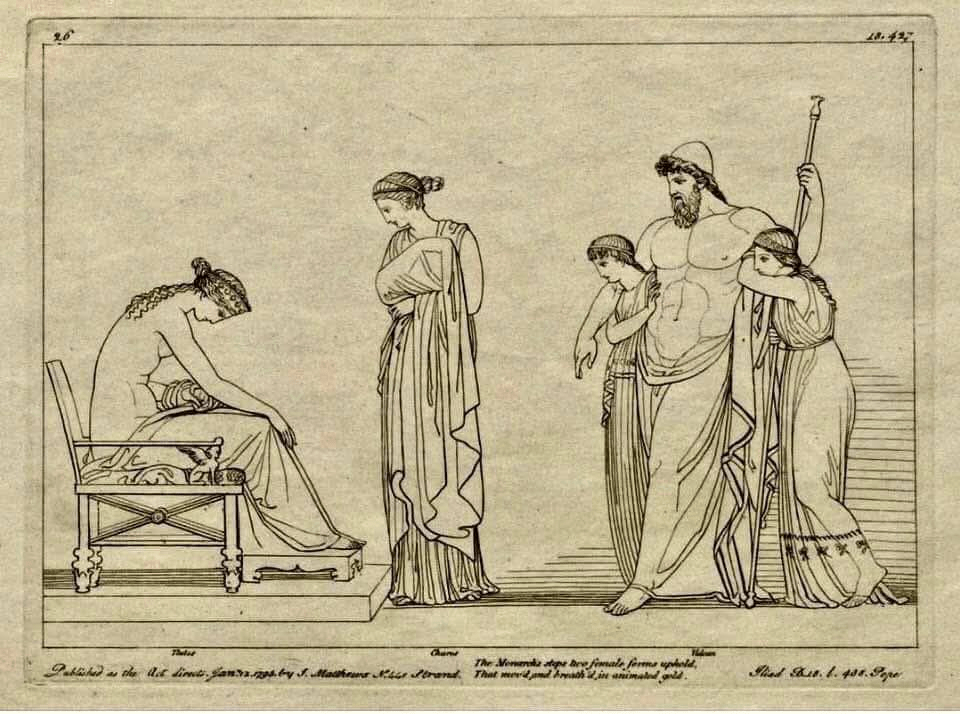
The takija or plis itself on a man’s head also carries another, even philosophical meaning. It resembles and symbolizes:

the female womb, which the ancients knew very well in this function — as the basis of the creation of life — and to sanctify and eternalize it, men have worn it on their heads precisely as a cap.