

Summary
Recent archaeological excavations in Koroshishta (near Struga and Ohrid) have uncovered important Illyrian-era monumental tombs and over 100 artifacts from the 6th–5th centuries BCE, including gold and silver jewelry, bronze items, weapons, and ceremonial objects. The site is compared to the famous Trebenishta necropolis and linked to ancient Lychnidus. The discoveries highlight a rich Illyrian past in the region, prompting calls for greater recognition and protection of this heritage by Albanian institutions.
In the heart of Struga and Ohrid, historical facts that have been silenced or barely mentioned for many years are now coming to light.
In the archaeological site of Koroshishta, archaeologists have discovered monumental tombs and more than 100 artifacts dating to the Archaic period, from the 6th–5th centuries BCE — over 2,500 years old.

According to researchers and published materials:
- Gold and silver jewelry have been found
- Bronze vessels and ceremonial objects
- Weapons and military equipment
- Tombs built with monumental stones
- Objects linked to the Illyrian culture of the Enchelei
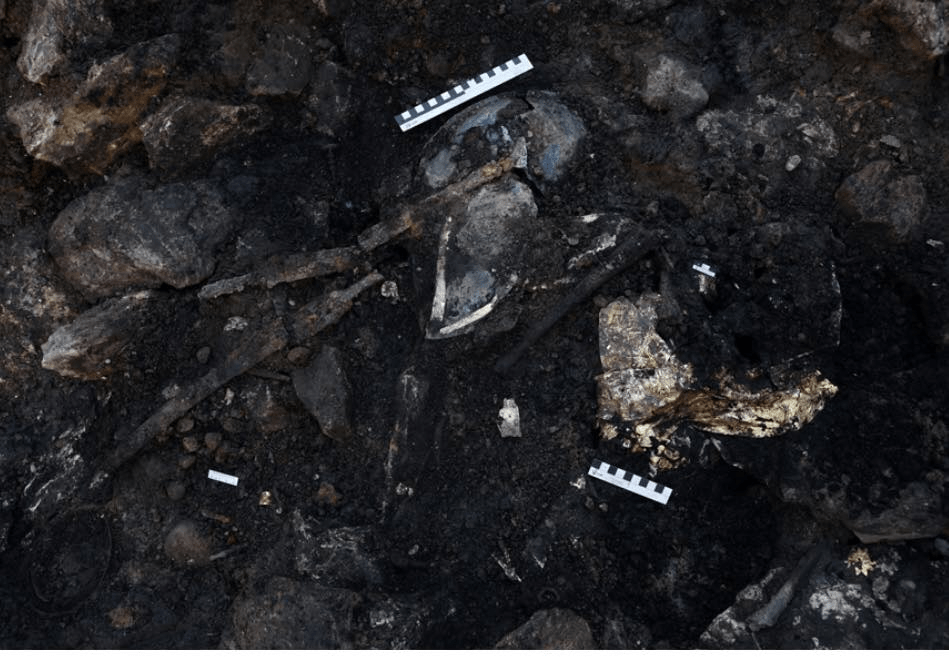
Archaeologists compare the importance of this site with the famous necropolises of Trebenishta and mention direct connections with ancient Lychnidus and the Ohrid–Struga region.

These are not just ordinary archaeological finds.
They are evidence that this region had a civilization, culture, and history spanning thousands of years.
This raises the questions:
Why is Struga silent?
Why do Albanian institutions not speak more about these discoveries?
Why is our historical heritage left in the shadows?
We from Ohrid will strive to bring forth as many facts, documents, and evidence as possible about this case, because the history of this region must not remain silent.
Koroshishta, Trebenishta, Lychnidus…
These are not just names.
They are part of our history that deserves to be known, preserved, and protected.
Source
Ohri Flet Shqip newspaper.

