
by Lulzim Osmanaj
Summary
The Illyrian Pelasgians and Thracians fought against Pharaoh Ramses III in the early 12th century BC. Ramses described his victory in dramatic terms, claiming he slaughtered the invaders along the shore, capsized their ships, and ended their threat forever. Osmanaj argues that these warriors were primarily Illyrian and Thracian peoples, whom the Egyptians called by other names. Illyrian tribes are said to have inhabited the Balkan and Apennine peninsulas before the arrival of Thracians, Hellenes, and Umbro-Sabellians. Citing Niebuhr, the text states that the Pelasgians were one of the most widespread and powerful settled nations of prehistoric Europe. The author references d’Arbois de Jubainville’s 1877 book to support links between Tyrrhenian-Pelasgians, Chams, Liburnians, and Ligurians.
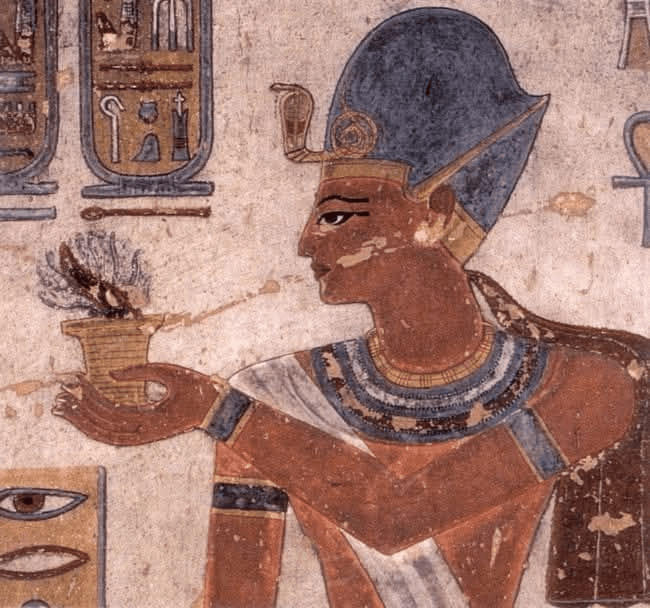
The Illyrian Pelasgians and the Thracians fought against Ramses III.
“I,” says Ramses, “was like the warlike moon; I stood before them and they saw the violence of my lands. I, King Ramses, acted as a powerful man who knows his strength and stretches his arm over his people on the day of battle.
Those who have damaged my borders will no longer produce crops on the land. The time of their spirit was severed for eternity… Those who were there on the shore I stretched out along the water’s edge, slaughtered as in costumes. I made their ships spin around; their goods fell into the sea.”
This may have happened at the beginning of the 12th century BC. Since the Egyptians named the Hellenes after the Ionians, and the name of the Achaeans and Achaean heroes belonged to the pre-Hellenic population, it was mainly the Illyrian and Thracian peoples who waged these wars against the Egyptians.
Thus, the Illyrian tribes inhabited the Balkan Peninsula before the appearance of the Thracians and Hellenes, and the Apennine Peninsula before the appearance of the Umbro-Sabellians. From the Hellenes they were called Pelasgians, i.e., the ancient ones.
There was a time, says Niebuhr, when the Pelasgians were perhaps the most widespread of all peoples in Europe, from the Padus and Arnus to the Bosporus — not as nomadic peoples, as historians present them, but as settled, powerful, and honored nations. The time lies mainly before the beginnings of recorded history.
Sources
D’Arbois de Jubainville, “Les premiers habitants de l’Europe”, Paris 1877, Dumoulin,
Barthold Georg Niebuhr, History of Rome (Römische Geschichte), Vol. I. p. 56.

