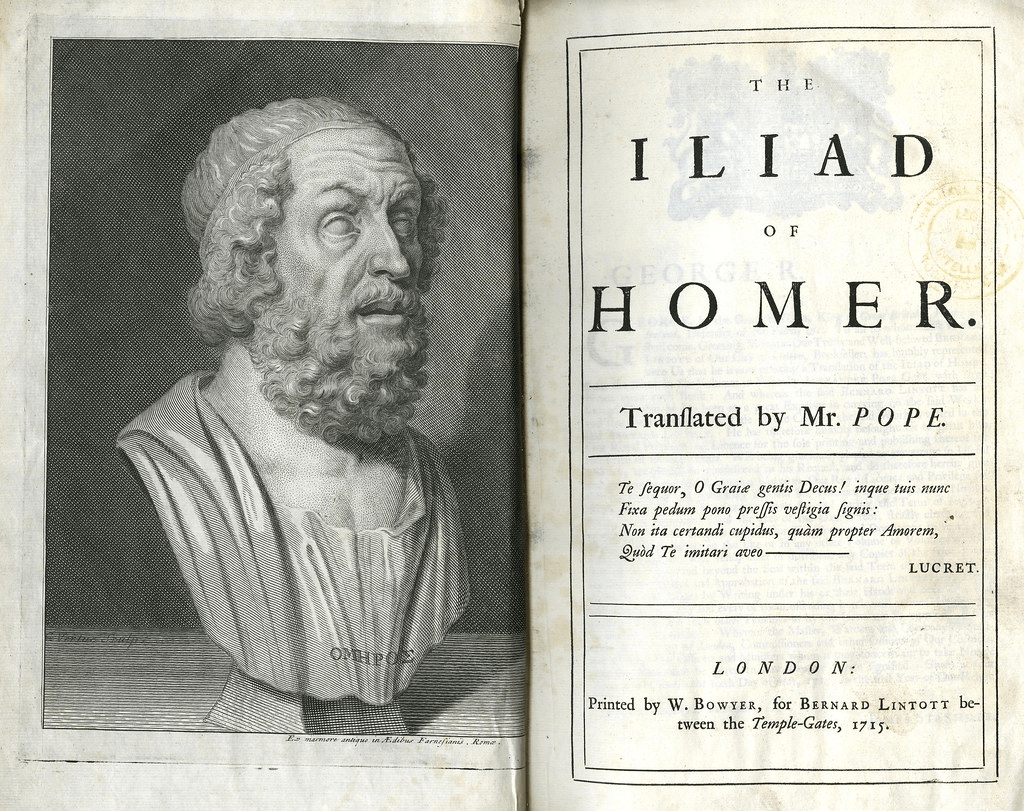

Homer’s Iliad contains no mention of “Greece” or “Greeks” as collective terms for the besieging forces at Troy. The word “Hellenes” appears only once, referring to a specific small tribe in Thessaly associated with Achilles, not as a pan-Hellenic designation.
Instead, the poet refers to the warriors from the Greek mainland and islands using three primary names interchangeably: Achaeans (Ἀχαιοί), Danaans (Δαναοί), and Argives (Ἀργεῖοι). These terms denote the coalition of forces led by Agamemnon against Troy and its allies.
Pre-Hellenic Peoples: Leleges and Pelasgians
The Iliad presents the Leleges as an aboriginal people of the Aegean region allied with the Trojans. They are described as war-loving, ruled by King Altes, with their city of Pedasos on the Satnioeis River sacked by Achilles. Homer lists them among Trojan allies alongside Carians, Paeonians, Caucones, and Pelasgians.
Ancient tradition distinguishes the Leleges from the Pelasgians, another pre-Hellenic people. Pelasgians appear on both sides in the epic: as Trojan allies from Larisa and in references to “Argos Pelasgikon” in Thessaly. These groups represent indigenous populations of the region before the dominance or arrival of the peoples later identified as Hellenic.
Language of the Iliad
The language of the Iliad is Homeric Greek, also known as Epic Greek—an artificial literary dialect primarily Ionic with Aeolic features and archaic elements. It is shaped by oral tradition and differs markedly from later Koine Greek, the standardized common dialect that developed after Alexander the Great’s conquests and was used in the Hellenistic period. Homeric Greek features distinct vocabulary, grammatical forms (including greater use of the optative and dual), and syntax not directly aligned with Koine.
The Trojan War in Context
The Iliad portrays a conflict between Achaean/Danaan/Argive forces and Troy together with its diverse allies, including pre-Hellenic groups such as the Leleges and Pelasgians. The Catalogue of Ships and the list of Trojan allies reflect a mosaic of local kingdoms and peoples rather than a unified “Greek” identity. This aligns with the poem’s setting in a legendary heroic age prior to the full development of Classical Hellenic ethnic consciousness.
Bibliography
Drews, Robert. “Argos and Argives in the Iliad.” Classical Philology 74, no. 2 (1979): 111–135.
Lazenby, J. F. “Hellenes.” In Oxford Classical Dictionary. Oxford University Press, 2015. https://oxfordre.com/classics.
Powell, Barry B. Homer. 2nd ed. Malden, MA: Wiley-Blackwell, 2016. (For discussion of names and pre-Hellenic elements.)
Strabo. Geography. Translated by Horace Leonard Jones. Loeb Classical Library. Cambridge, MA: Harvard University Press, 1917–1932. (References to Leleges and Trojan allies.)
Various entries in Perseus Digital Library and standard Homeric commentaries confirm the frequency of Achaean/Danaan/Argive terminology.

