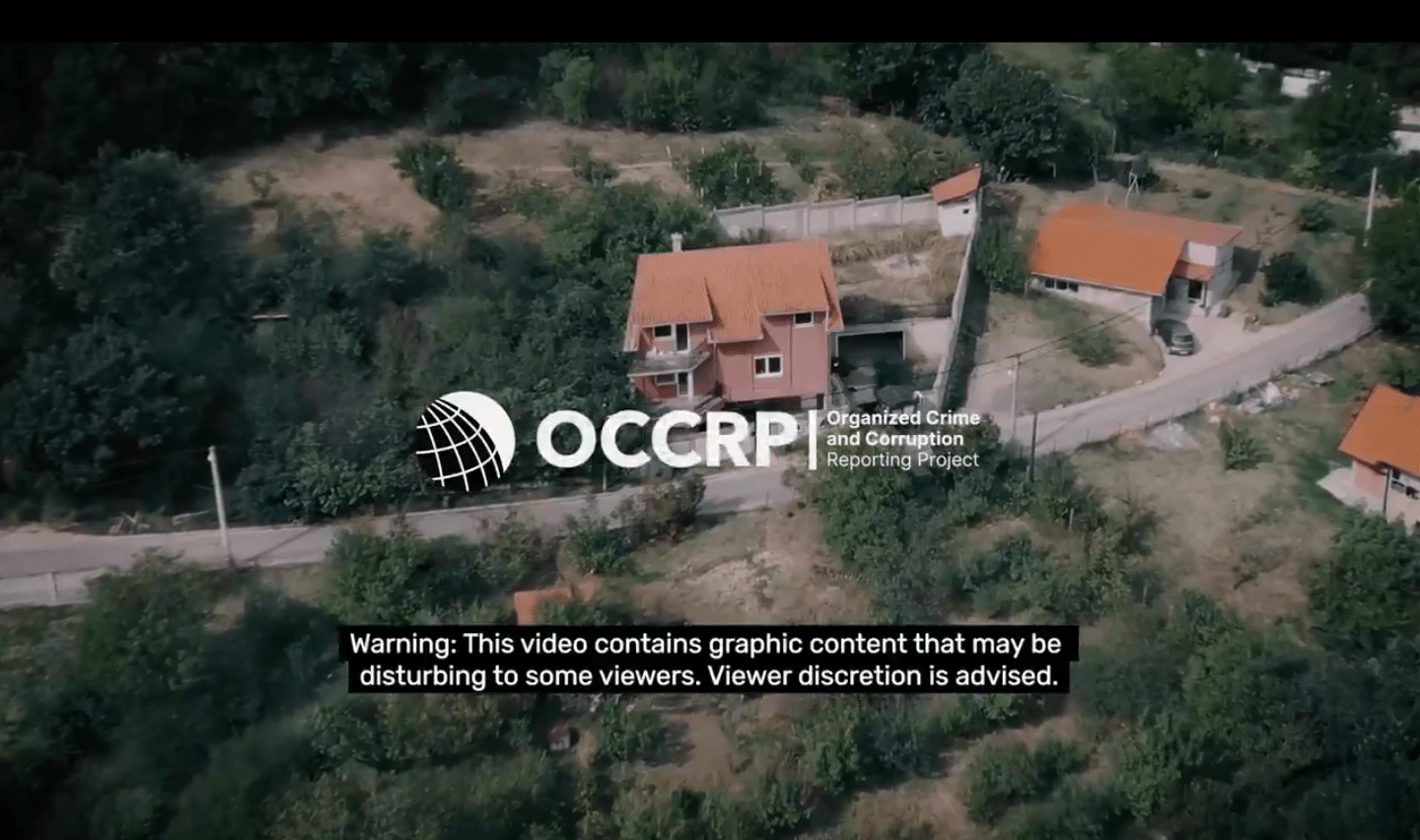

In a quiet suburb of Belgrade known as Ritopek, a seemingly ordinary house was transformed into a dedicated site for torture, murder, and body disposal by a violent Serbian criminal group. Serbian authorities dubbed it a “house of horrors” or “slaughterhouse” after its discovery in 2021.
The Criminal Group
The operation was run by the Principi group (also referred to as the Belivuk-Miljković clan), led by Veljko Belivuk (known as “Velja Nevolja” or Velja the Trouble) and his associate Marko Miljković. The group originated from football hooligan circles linked to Partizan Belgrade and engaged in drug trafficking, extortion, kidnapping, and murder.
The Slaughterhouse Operations
Police raids revealed a facility equipped for extreme brutality:
Dedicated torture rooms with restraints and tools for prolonged abuse.
A hidden chamber containing an industrial meat grinder wrapped in plastic.
Multiple traces of human DNA from different victims found on the grinder, walls, and other surfaces.
Weapons, explosives, and materials used to contain and dispose of evidence.
Victims, primarily rivals from opposing criminal factions, were brought to the house, tortured, murdered, dismembered, and processed through the meat grinder. The remains were bagged and reportedly dumped, including into the nearby Danube River. The perpetrators aimed for “no body, no crime.”
Evidence from Encrypted Communications
A major breakthrough came from the decryption of Sky ECC encrypted phones used by the group. Authorities accessed messages, photos, and videos in which members documented their crimes, shared images of tortured and mutilated victims, and coordinated activities. These digital records provided detailed accounts of the events inside the house.
Investigations and Charges
The group was arrested in early 2021. Belivuk, Miljković, and dozens of associates faced charges including organized crime, multiple aggravated murders, kidnapping, torture, rape, drug trafficking, and illegal possession of weapons and explosives. The indictment centered on at least seven murders, with the Ritopek house playing a central role.
Forensic evidence, witness testimonies from cooperating members, and the vast Sky ECC archives formed the core of the prosecution’s case. Some defendants entered plea deals, while the main leaders denied the charges.
Aftermath
The case exposed the extreme methods used by factions within the Balkan drug underworld. Trials have drawn significant public attention in Serbia due to the brutality of the crimes and the group’s connections within football and criminal networks.
The Ritopek slaughterhouse remains one of the most disturbing examples of organized crime uncovered in Europe in recent years — a suburban property turned into a systematic killing facility.
Source

