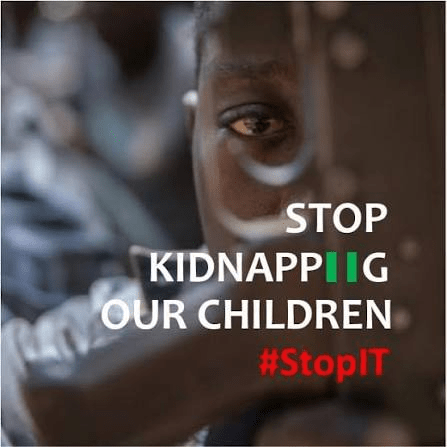

In early 2023, a case involving Croatian citizens attempting to bring children from the Democratic Republic of Congo (DRC) through Zambia drew international attention. What some described as legitimate intercountry adoptions was viewed by Zambian authorities as potential child trafficking involving falsified documents. The story centered on an association called Marijina Farma from Rijeka, Croatia, and sparked debates about adoption practices, bureaucratic shortcuts, and political reactions in Croatia.
The Core Events
Several Croatian couples traveled to Zambia to collect children they believed they had legally adopted from the DRC. Zambian officials detained them, alleging the adoption papers were fake. Four couples faced child trafficking charges. The children reportedly had Croatian documents, including identity papers and citizenship granted by Croatian courts, even before physically arriving in Croatia.
Reports indicated that over 100 children from the DRC had entered Croatia through similar processes, often routed via Zambia. Croatian courts, including one in Zlatar, recognized foreign adoption decisions. Critics raised concerns about forged or questionable documentation, including issues with fingerprints and identity verification.
Zambian authorities intervened, leading to arrests and legal proceedings. Some couples were eventually released or had charges dismissed after months of legal battles, but the case highlighted vulnerabilities in international adoption systems, especially from conflict-affected regions like eastern DRC.
Marijina Farma Association
Marijina Farma was a Rijeka-based association founded around 2018–2019 by Marija Ivaniš. It focused on humanitarian work, poverty reduction, and cooperation with an orphanage/shelter in the DRC run by Emmanuel Kabongo. The group organized aid, publicized the children’s situations, and reportedly facilitated connections for prospective adoptive parents.
The association was shut down abruptly in February 2023 amid the scandal. Its members later avoided public comment. Ivaniš and associates denied acting as intermediaries in adoptions, stating their role was humanitarian support and that they took pride in collaborations with the Congolese shelter. However, public posts and videos from prior years showed them discussing adoptions and ties to the orphanage.
Claims linking it explicitly to a “Serb-Jewish association” or direct sales of children via a “Black Prince” kidnapper appear in partisan social media commentary but lack strong corroboration in mainstream reporting. The founder has been described in Croatian media as having Serbian background, and the group operated in a diverse Rijeka context, but evidence points more to irregular adoption facilitation than organized ethnic trafficking conspiracies.
Broader Context and Criticisms
Intercountry adoptions from Africa have long faced scrutiny due to risks of exploitation, poverty-driven relinquishments, and weak oversight. DRC has complex conflict dynamics that increase vulnerabilities for children. Many countries (e.g., Kenya) have restricted or banned such adoptions due to trafficking concerns.
In Croatia, the cases raised questions about how courts granted recognition and citizenship so readily. Reports mentioned children receiving documents and citizenship prior to arrival, with possible issues in verification processes. Croatian officials defended many of the adoptions as legitimate while acknowledging the need for proper procedures.
The Croatian government and embassy (via Pretoria) engaged with Zambian authorities amid the detentions. Political reactions varied: some left-leaning voices, including elements associated with the Možemo! party, criticized broader nationalist or fan group rhetoric in Croatia, while others defended the adoptive parents and accused critics of bias. Meanwhile, incidents involving Dinamo Zagreb’s Bad Blue Boys ultras (e.g., clashes or chants in Greece) fueled parallel culture-war debates.
Aftermath and Lessons
The Marijina Farma page and association are no longer active. Some Croatian couples reportedly succeeded in bringing children home, while the full legal outcomes in Zambia varied. The scandal underscored problems in private adoption networks: inadequate vetting, potential profit motives, and gaps between foreign orphanages and receiving countries’ bureaucracies.
Humanitarian intent to help vulnerable children from unstable regions is understandable, but cases like this illustrate why robust, transparent, Hague Convention-compliant processes matter. Irregular shortcuts risk harming the very children they aim to save and fuel accusations of exploitation.
This episode remains a cautionary tale about the murky intersection of charity, adoption, and international migration — one where good intentions can collide with serious procedural and ethical failures. Further independent investigation would help clarify individual responsibilities versus systemic issues.

