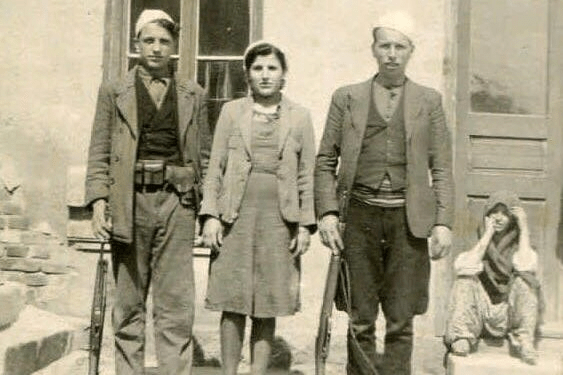

“It Was Harder to Be Albanian in Sandžak Than in Toplica and Jablanica” by Ismet Azizi argues that after the Yugoslav communist reoccupation of Kosovo and Sandžak in 1945, Albanians in the Sandžak region faced intense pressure to abandon or hide their Albanian identity.
The article uses Yugoslav census data from 1948, 1971, and 1981 to claim that many Albanians in Sandžak were officially recorded simply as “Muslims” or “undeclared Muslims” rather than as Albanians. According to the author, this reflected political pressure and fear of openly identifying as Albanian.
The article states that in places like Novi Pazar, Tutin, and Sjenica, very few people declared themselves Albanian in official censuses despite the author’s claim that many families were of Albanian origin.
Ironically, the author argues it was easier to openly identify as Albanian in Serbian cities such as Nish, Leskovac, Kurshumli, Belgrade, and Smederevë than in Sandžak itself.
Census categories such as “undeclared Muslim” were allegedly used to obscure Albanian ethnic identity in Sandžak during the Yugoslav era.
The article also references later census figures from 1971 and 1981 showing only small numbers of officially declared Albanians in Sandžak municipalities, while much larger populations identified as “Muslim” (today often associated with Bosniak identity).
Related articles and commentary cited alongside the piece discuss claims of historical Albanian presence in Sandžak villages and connections to northern Albanian tribes such as Shala.
Original article:
Dardania Press article

