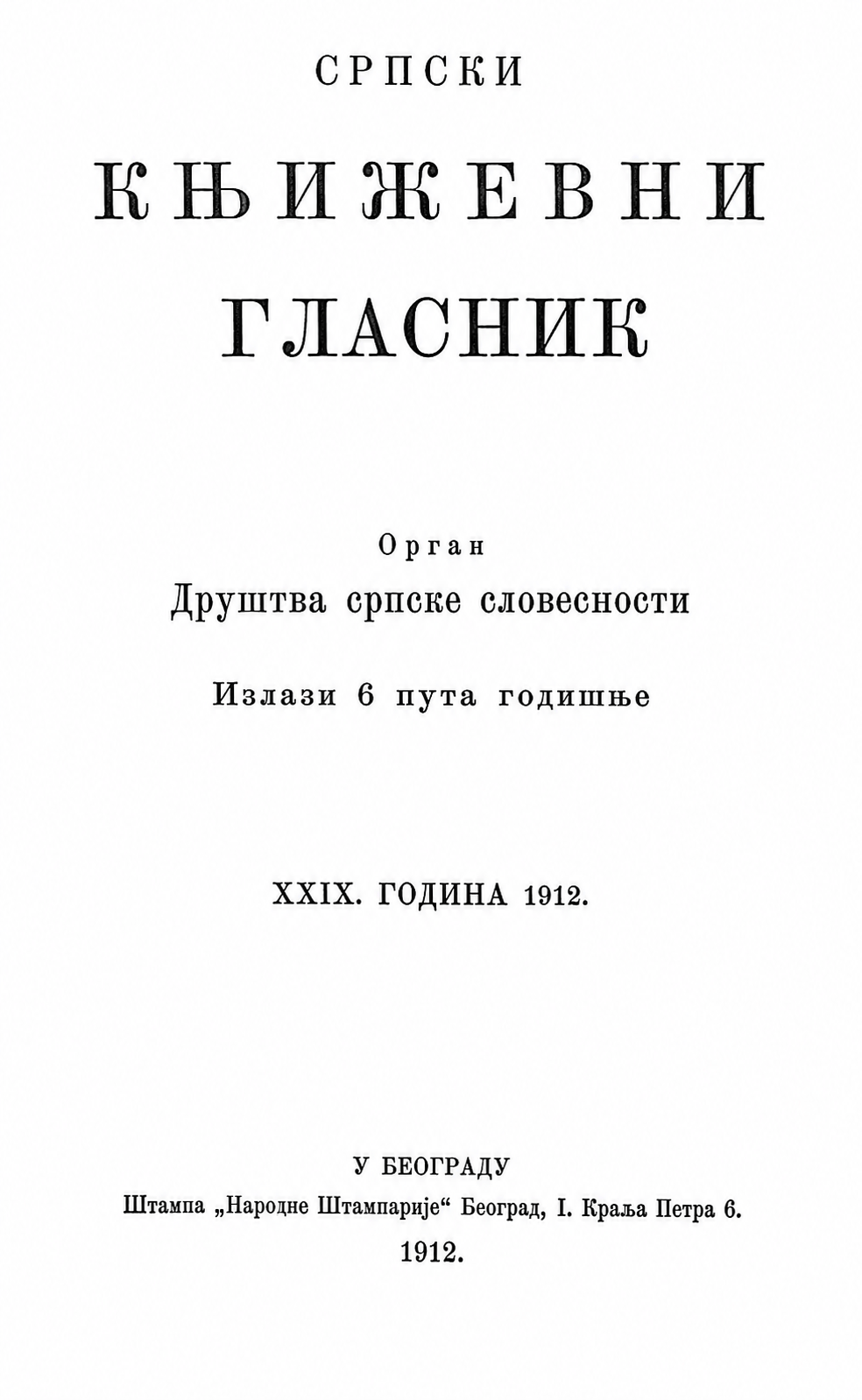

This observation, appearing in the 1912 Serbian literary journal Srpski književni glasnik, captures a perception of Albanian distinctiveness amid the turbulent Balkan Wars. At a time when neighboring peoples often tied national awakening tightly to religious identity—Orthodox Christianity for Serbs, Greeks, and Bulgarians, or Catholicism in other contexts—Albanians stood out for their apparent flexibility on faith while fiercely preserving their ethnic core.
From Christian Roots to Ottoman Islam
Prior to the Ottoman conquest starting in the late 14th century, Albanians were predominantly Christian, divided between Roman Catholicism in the north and Eastern Orthodoxy in the south. Under Ottoman rule, a significant portion of the population gradually converted to Islam, particularly from the 16th to 19th centuries. Conversions were driven by a mix of factors: lower taxes for Muslims, better access to administrative and military positions within the empire, social mobility, and occasional pressure.
Unlike in other parts of the Balkans, where conversion often aligned with assimilation or sharp communal divides, Albanians largely retained their language (an Indo-European isolate not closely related to Slavic or Greek tongues), tribal customs (kanun customary law), and a sense of ethnic kinship. The Ottoman millet system organized subjects primarily by religion, yet Albanians developed mechanisms to prioritize ethnicity. Muslim Albanians were recognized as a distinct ethnic element alongside their confessional status.
The Faith of Albanians is Albanianism
By the late 19th century, during the Rilindja (National Renaissance), Albanian intellectuals—many of them Muslim, Catholic, or Orthodox—consciously downplayed religion as a divider. Figures like Sami Frashëri promoted a unifying “Albanianism” that transcended faith. A famous rallying cry encapsulated this: “Awake, Albania… look not to church or mosque… the faith of Albanians is Albanianism.”
This approach proved vital. Albanians faced threats of partition by neighboring Christian states during the decline of the Ottoman Empire. The League of Prizren (1878) and later movements emphasized language, common descent (often linked to ancient Illyrians), and shared territory over confessional loyalty. Religious harmony became a hallmark: Albanians of different faiths historically did not wage wars against each other primarily on religious grounds, a point of pride often contrasted with Balkan neighbors who’s identities were based on Orthodoxism.
Secularism and Resilience
Albania’s declaration of independence in 1912 occurred against a backdrop of Balkan Wars, during which the quoted Serbian observation was made. The interwar period, followed by Communist rule under Enver Hoxha, intensified this detachment from organized religion. In 1967, Hoxha declared Albania the world’s first atheist state, closing mosques, churches, and religious sites. While repressive, this policy further embedded a secular national identity.
Post-1991, religious practice revived modestly, with a Muslim majority (largely Sunni with Bektashi influences), Catholic and Orthodox minorities, and a notable irreligious segment. Surveys and observations consistently highlight high interfaith tolerance and the primacy of national identity. Albania and Kosovo exemplify societies where “Albanian first” overrides religious labels in daily life and politics.
Why the Difference?
Several factors explain Albanian exceptionalism:
Geographic and Social Structure: Mountainous terrain and strong tribal/clan systems (fis) emphasized kinship and customary law over centralized religious authority.
Pragmatism: Religion was often viewed instrumentally—for survival, status, or alliance—rather than as the core of selfhood.
External Pressures: Ottoman rule, followed by threats from Slavic and Greek nationalisms, incentivized unity across faith lines.
Linguistic and Cultural Insulation: The unique Albanian language served as a powerful unifier, resisting both Turkification and Slavization.
This pragmatism has drawn both admiration for tolerance and criticism from various sides—some viewing it as superficial faith, others as a model of modernity. In reality, it reflects a deep historical adaptation: Albanians converted when advantageous but rarely allowed religion to erase their shqiptar (Albanian) consciousness.
Legacy
The 1912 quote, though from an external and often adversarial perspective during wartime, underscores a truth borne out by history. In an era when religion frequently defined—or divided—nations, Albanians charted a different course. Their identity proved resilient precisely because it rested on language, customs, shared memory, and a flexible approach to faith. As the Balkans continue to navigate identity politics, this model of “religion secondary, nation primary” remains a distinctive and instructive chapter in European history.
Source
Srpski književni glasnik. Volume 29. 1912

